
6th August 2025
Hello and greetings from Christchurch, where I have just arrived at the end of this awesome New Zealand part of my epic “Around the World in 40 Days” adventure. I was sad to be about to leave this wonderful and incredibly scenic country behind, but also really excited to be beginning a new chapter of my journey, visiting a region of the world that is as yet undiscovered for me – the South Pacific! More of course on that in my next one.
After a delicious lie-in and a very appreciated late 12pm check-out granted by my energetic and highly resourceful front garden cabin host, I took a bus onwards from Tekapo and arrived in New Zealand’s second largest city, and the main urban centre of the South Island, Christchurch. The scenery changed dramatically coming down and out of the central Southern Alps region around Tekapo, entering the vast, flat area of highly fertile land around Christchurch called the Canterbury Plain. This place actually felt more English than England! Or at least, it felt how England once felt 30 years ago before it went to pot. The people there were polite and friendly, and they even still queue properly to get on a bus! They are also very quiet while on public transport, with no loud talking on phones or loud music. If only my beautiful homeland could also go back to being so quaint, respectful and charming.
The city of 400,000 people is filled with deliciously English-sounding names such as Christchurch itself, but also Oxford, Lincoln, Lyttelton, Charing Cross, and the Avon River which meanders through it all. Christchurch to me seemed to England as Dunedin seemed to Scotland, with place names down there respectively very Scottish, such as Ardrossan, Helensburgh, Stirling, Craigellachie and Invercargill. It was certainly colder and bleaker further south, and I imagine the early Scottish settlers would have felt right at home down there, as the English settlers would have done around here. I know I did.
After getting off my Intercity bus in the seriously orderly central bus station, I took another bus just to the north of the city centre in a suburb called St Albans. I had booked an absolute bargain of an Airbnb room in a friendly older chap’s house there. I was pleased to have booked this after the expense of both Queenstown and Tekapo, evening out my average per night on this whole trip nicely.
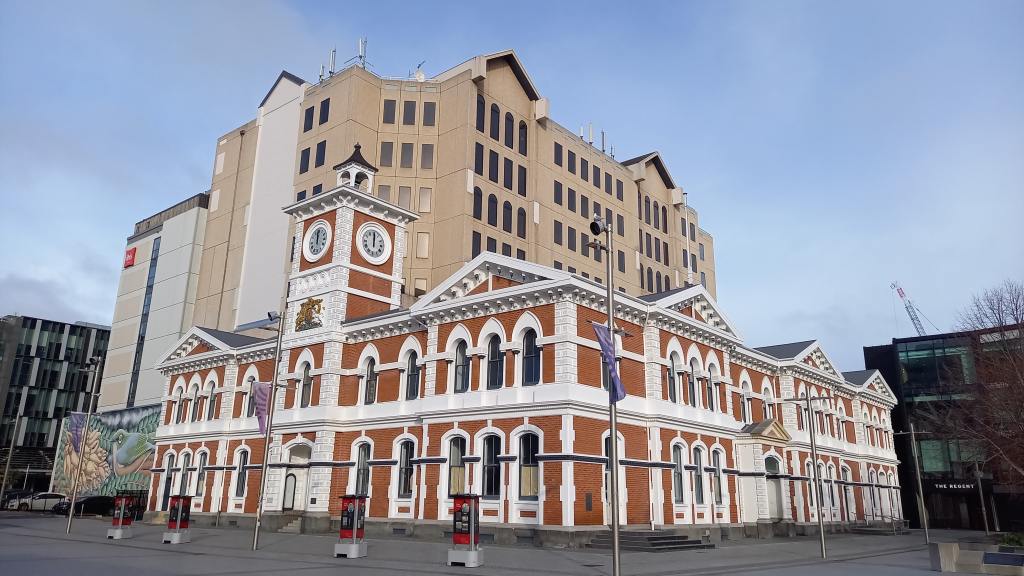
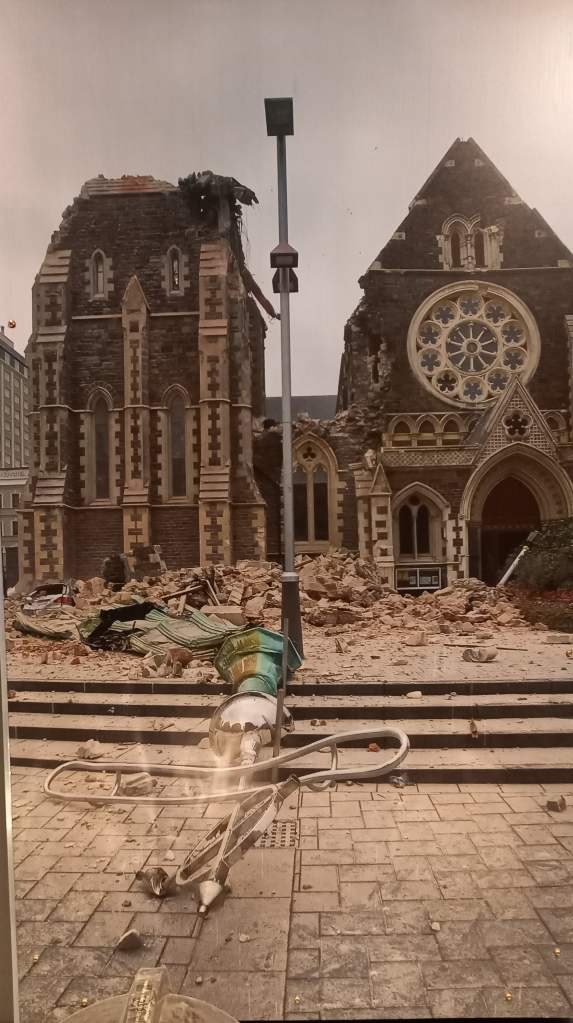
As well as getting to know this important New Zealand city, I also planned for my final two nights in Christchurch to be a bit of a wind down at the end of my time in this country. A full day in a city always seems like a bit of a wind down for me, as opposed to staying one night in a place and moving on, or doing a day trip out of a place. I enjoyed my full day of city explorations very much, and what struck me the most, as well as how English it felt, was how the city still seemed to be recovering from the terrible Canterbury earthquakes of 14 years ago. Between September 2010 and December 2011, the Canterbury region was struck by four earthquakes in total, the most devastating being the one that hit 10km to the south-east of Christchurch only 5km deep on 22nd February 2011, measuring 6.3 on the Richter Scale. While there was no loss of life with the others, this one resulted in the tragic deaths of 185 people, over 7000 people injured, and the near-levelling of the city with 10,000 buildings destroyed or later demolished, and 100,000 properties damaged. This was quite the tragedy for the country, and I remember watching it on the news at the time.
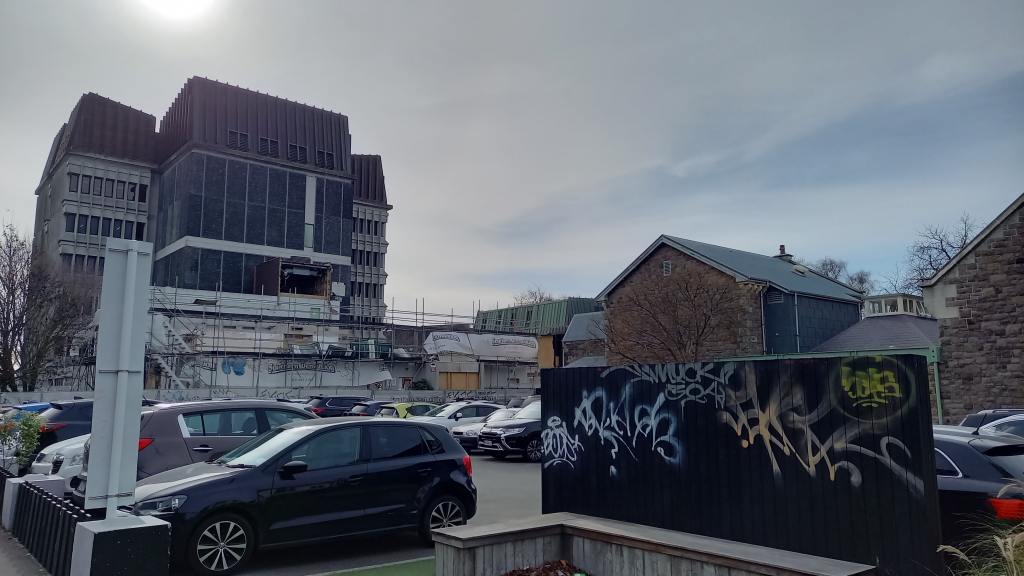
As mentioned, I was most surprised at how the city still seemed to be recovering from it. Very few of the city centre’s tall buildings have been rebuilt, resulting in quite a flat urban landscape with less than half-a-dozen notably tall central buildings. Many of the destroyed or demolished buildings have since been replaced with car parks, which pretty much fill the CBD now, and construction work is still taking place throughout. It seems that this has apparently been down to the lengthy insurance and legal processes that are holding re-development back everywhere. Once again, this seemed to be bureaucracy and red tape standing in the face of development in the western world, with I imagine many people getting rich off of it somewhere – somehow I wouldn’t envisage this in an East Asian or South-East Asian country.
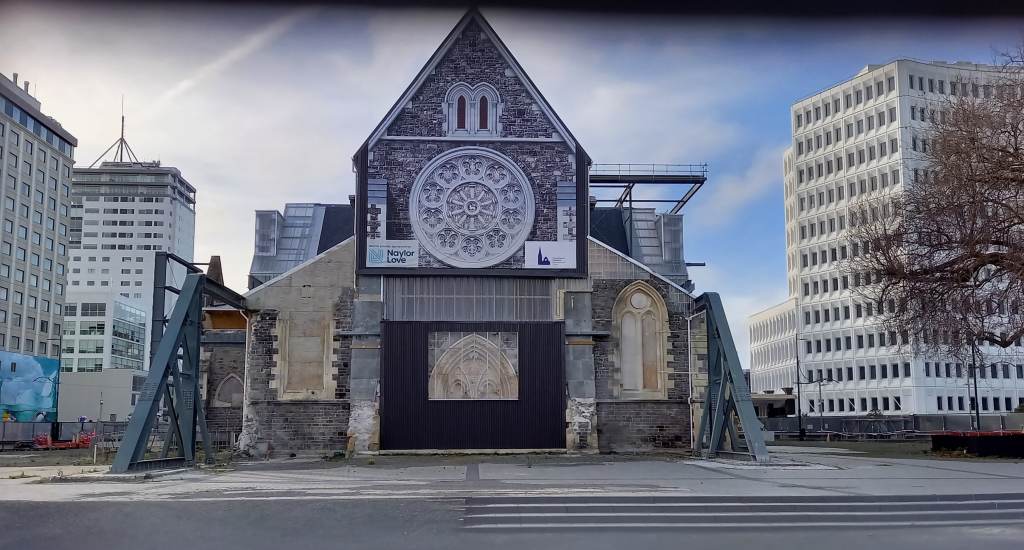
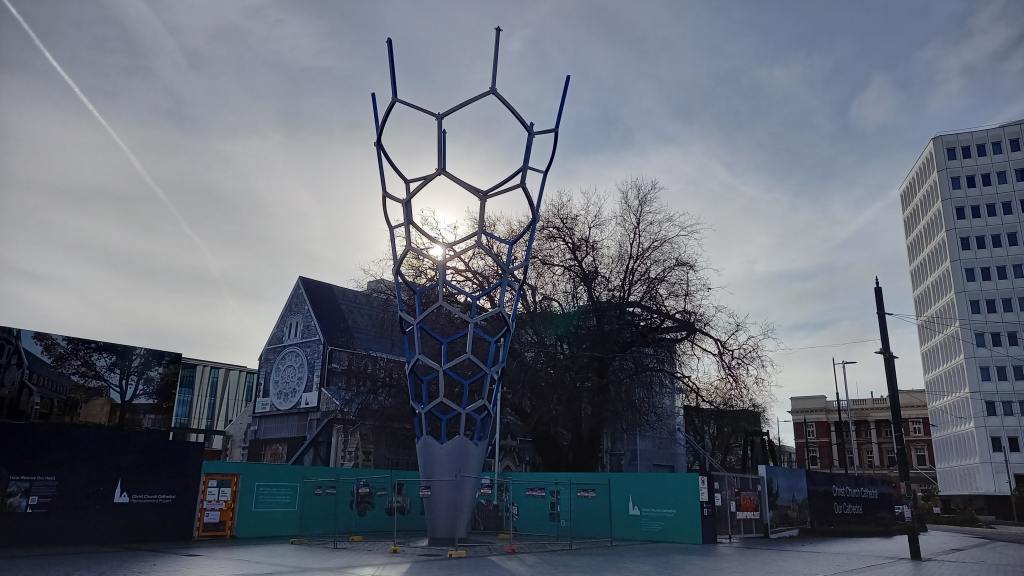
I began my walk around the city centre, to include a view of the “poster boy” of the earthquake if you will – the ChristChurch Cathedral, whose steeple very famously fell during the disaster. And yes indeed, the 150-year old city icon is still being reconstructed, due to be completed now in 2030, with a funding crisis leaving it currently unworked on until at least 2026 they say. Again, I feel quite incredulous at this.
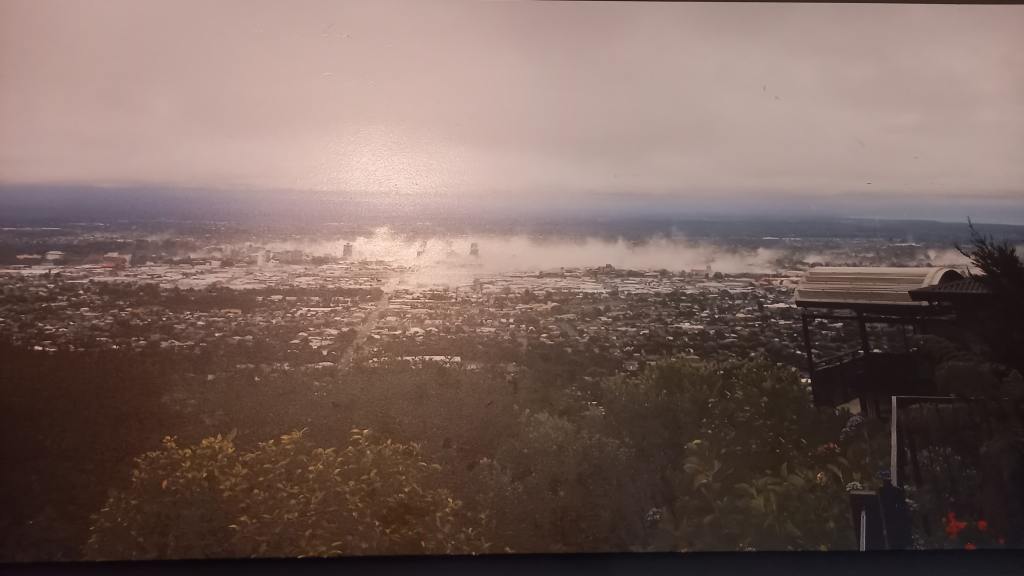
I enjoyed a nice late breakfast of my favourite KFC chicken pieces at a local joint when it opened, then continued my explorations with a visit to the fascinating, sobering and quite moving Quake City, a museum documenting the earthquake with photos, videos, artefacts that fell from buildings, and rather emotional and powerful eyewitness accounts.
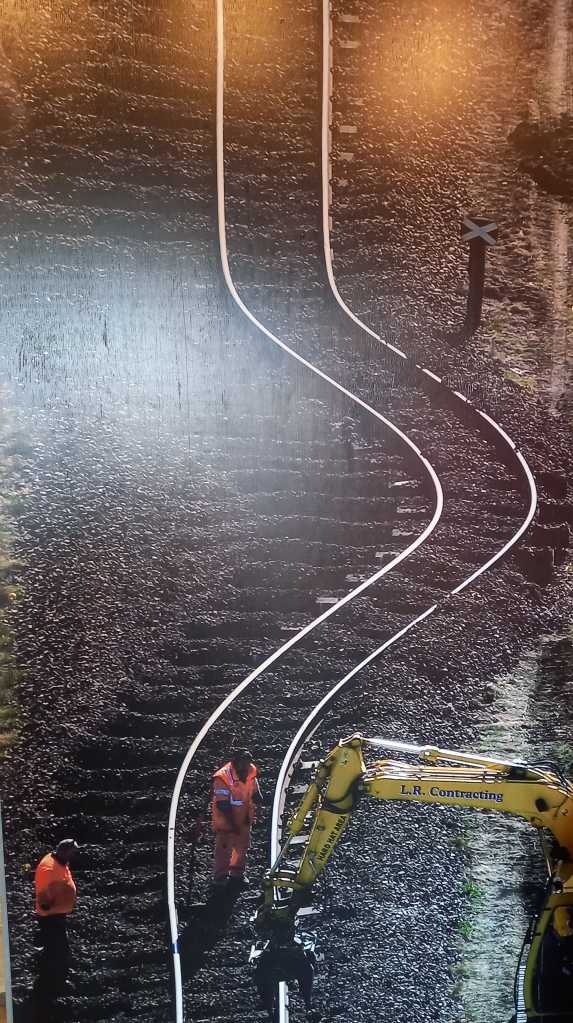
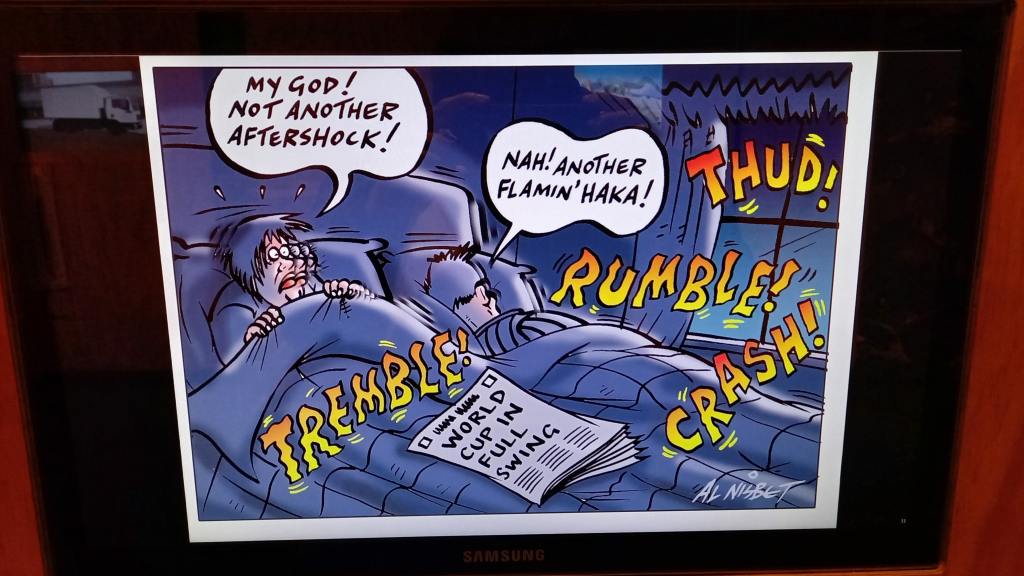
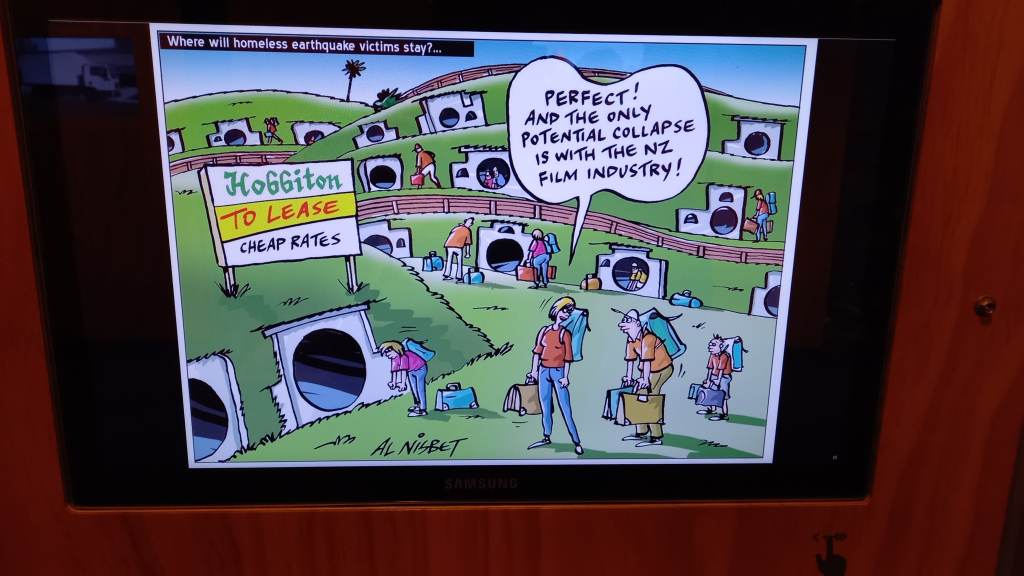
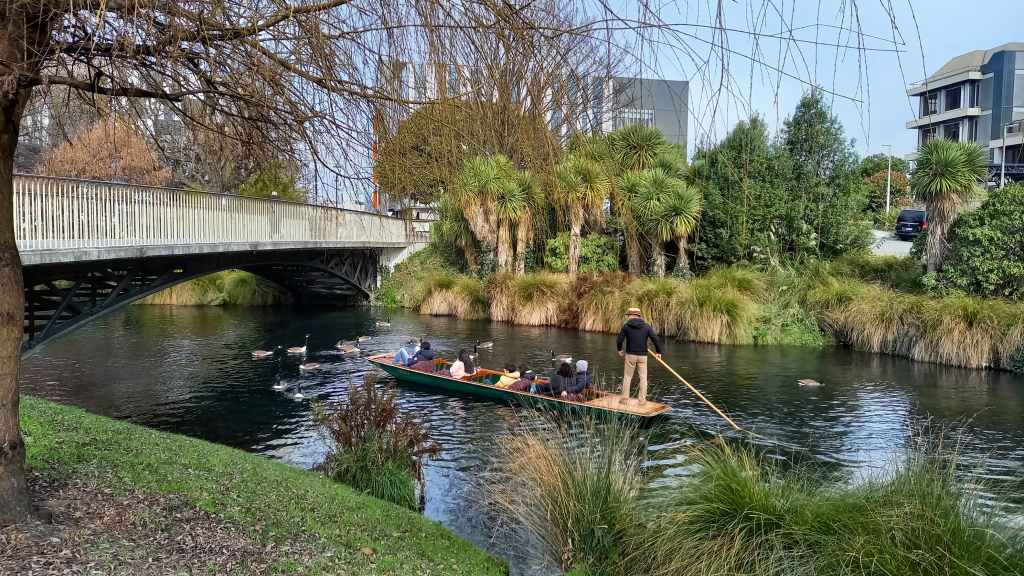
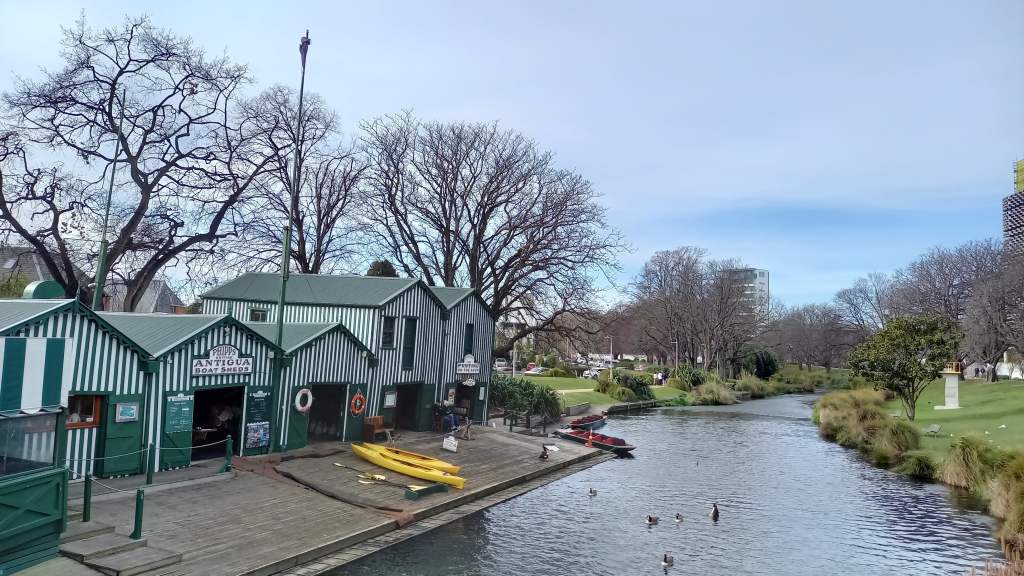
I then headed for a walk along the delightful Avon River, also more English than England itself, especially with its local pastime of punting on the river out of the famous Antigua Boat Sheds. After this, I enjoyed a lovely walk through the city’s Botanic Gardens, before taking a bus south to the Christchurch Gondola. I got talking at the bus stop with a really nice and friendly Kiwi family, and really appreciated their good nature and humility, which is representative to my mind of many Kiwis throughout the country.

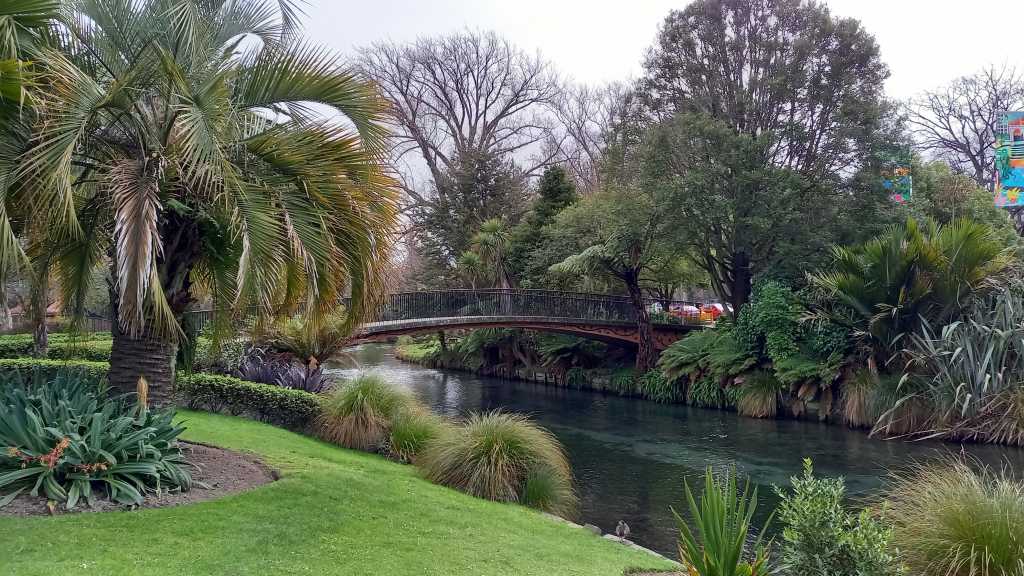
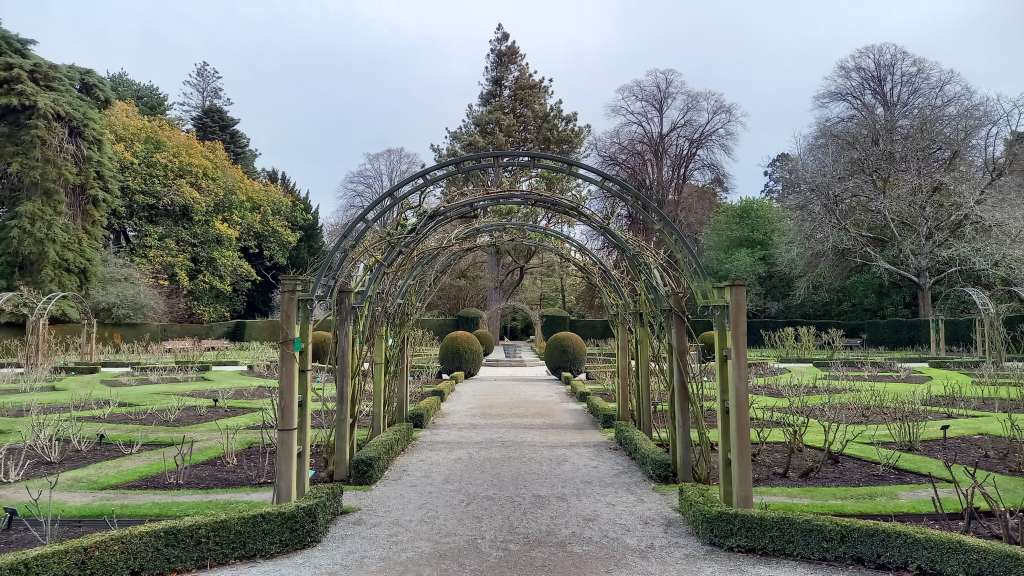
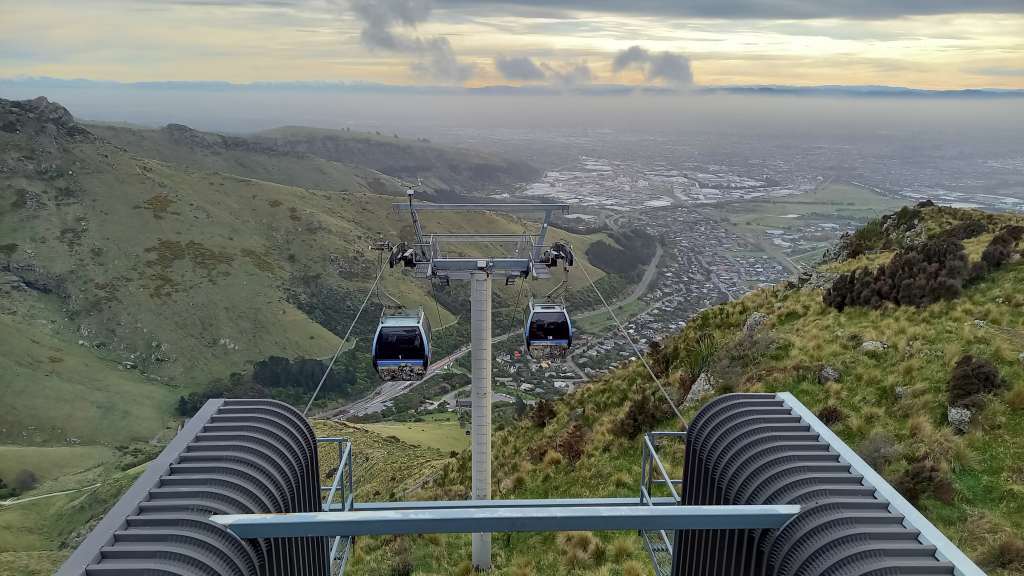
Had I a bit more time in and around Christchurch, I would love to have explored the fascinating Banks Peninsula to the south-east of town. Instead, I took the bus to the afore-mentioned Gondola, or cable-car, for a lovely jaunt up Mt Cavendish in the Port Hills overlooking the city from the south. It is in this region that the absolutely heinous murder which inspired the powerful “Heavenly Creatures” film, which very much placed Peter Jackson and the New Zealand film industry on the international movie psyche, took place.
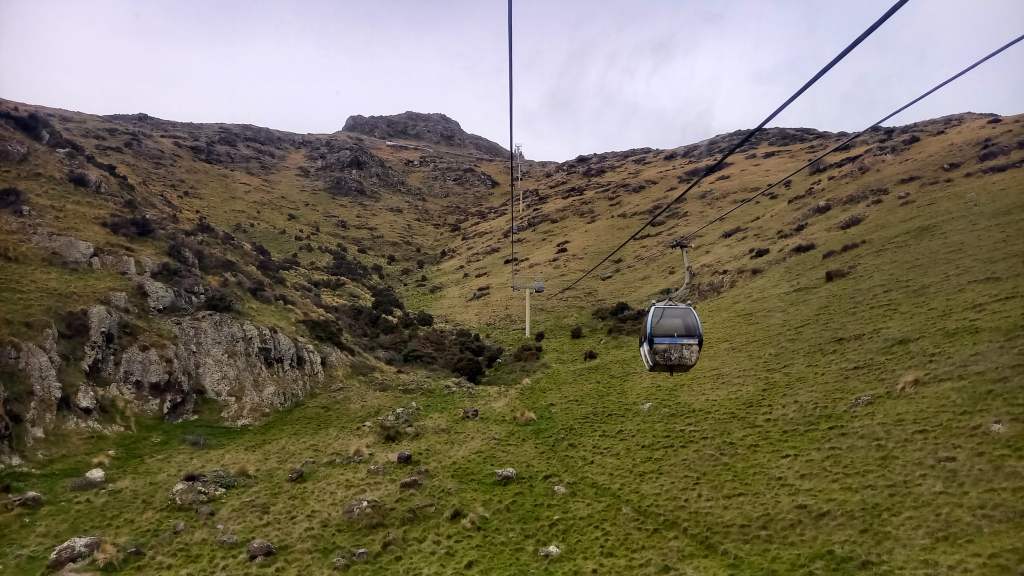
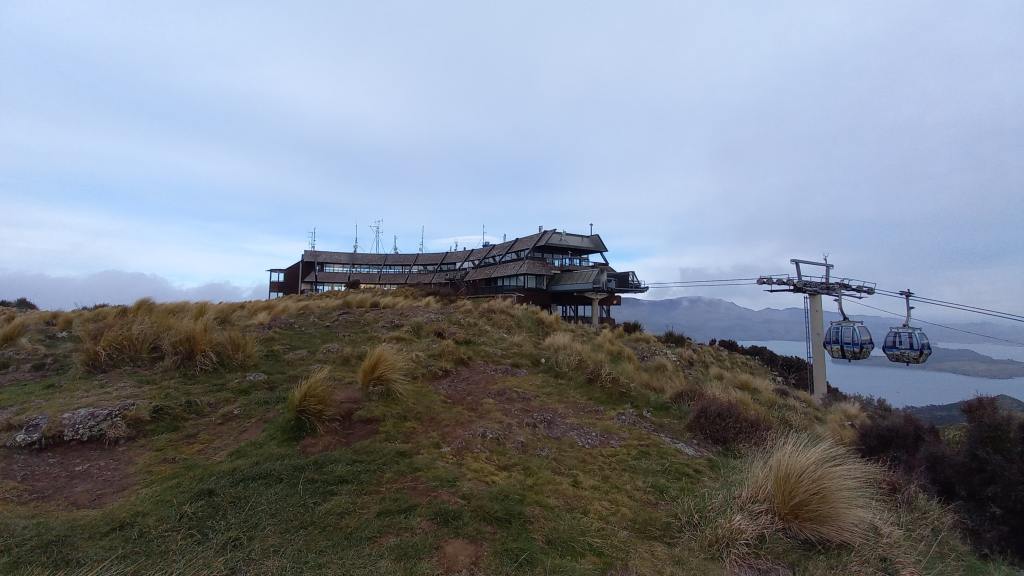
Being practically the only visitor there, I really enjoyed the ten-minute, half-mile ride up the mountain, and exploring the interesting Summit Station at the top, all to myself. There was a decently-priced gift shop up there, fascinating displays on the region’s history, geography, wildlife and culture, and a really cool, unexpected short ride called the Christchurch Discovery Ride which really immerses the visitor in the same. There were queue markers going in saying things like “you have a 45-minute wait from here”, but again I was the only visitor and went straight on the ride – awesome, if only Disneyland later on in my trip was like that…!

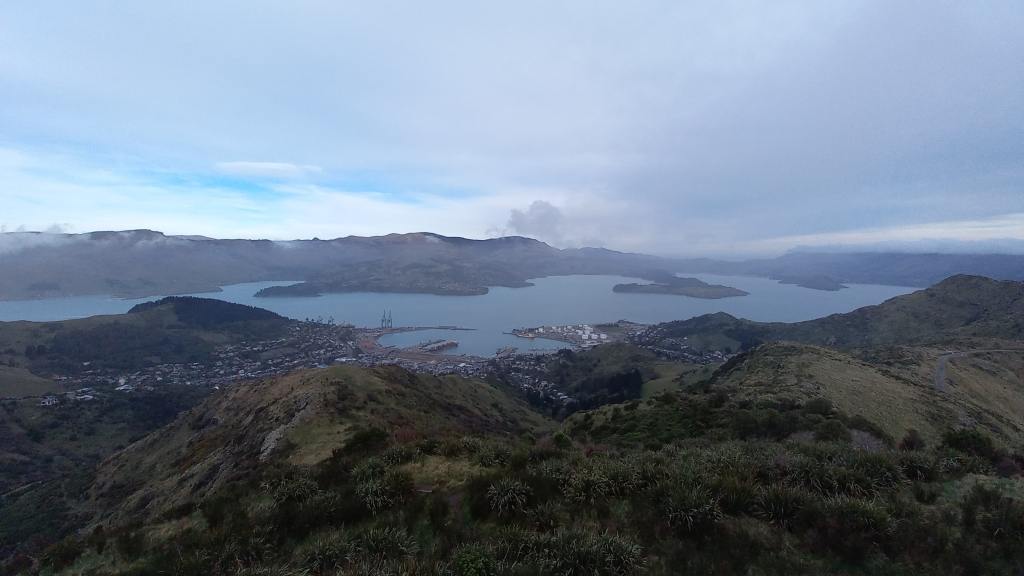
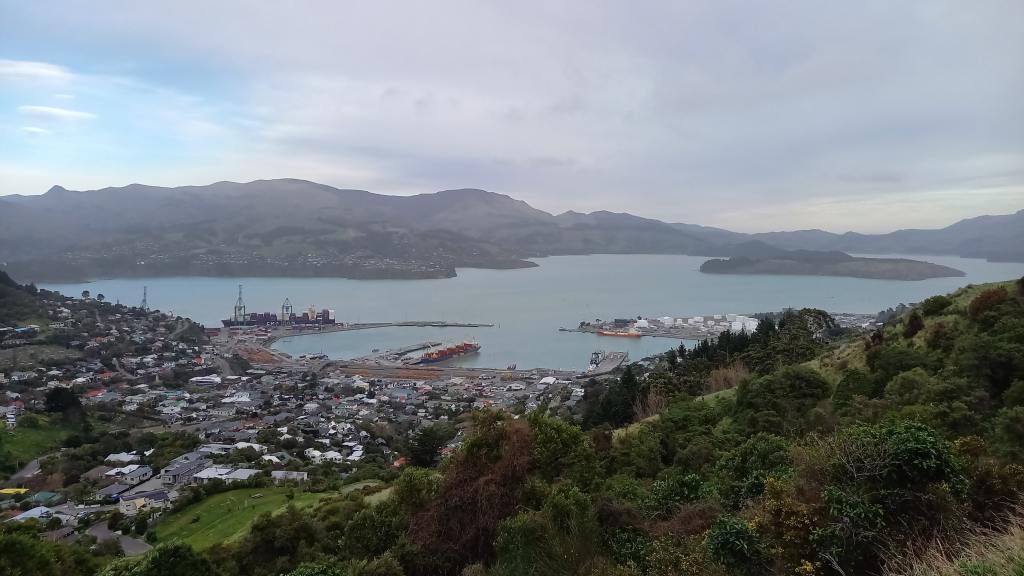
Of course there were also some seriously amazing views to be had up there, back towards Christchurch, the Canterbury Plains, and even the snowcapped Southern Alps stunningly lining the whole of the horizon to the west. Then there were the views in the opposite direction towards the remarkable Banks Peninsula, created thousands of years ago by the activities of two now-extinct volcanoes, the Pacific Ocean, and the delightful little port town of Lyttelton backed by the intricate detail of the Lyttelton Harbour coastline beyond. It really was quite the view all round.
The humble town of Lyttelton, population 3,000, was in fact the first place in the South Island to be settled by the Europeans , or Pākehā, back in 1840. Apart from the large, attached container ship port which serves as Christchurch’s gateway to the outside world, this otherwise cute and miniature settlement nowadays seems a much more sedate place compared to how important it must have been back in the day.
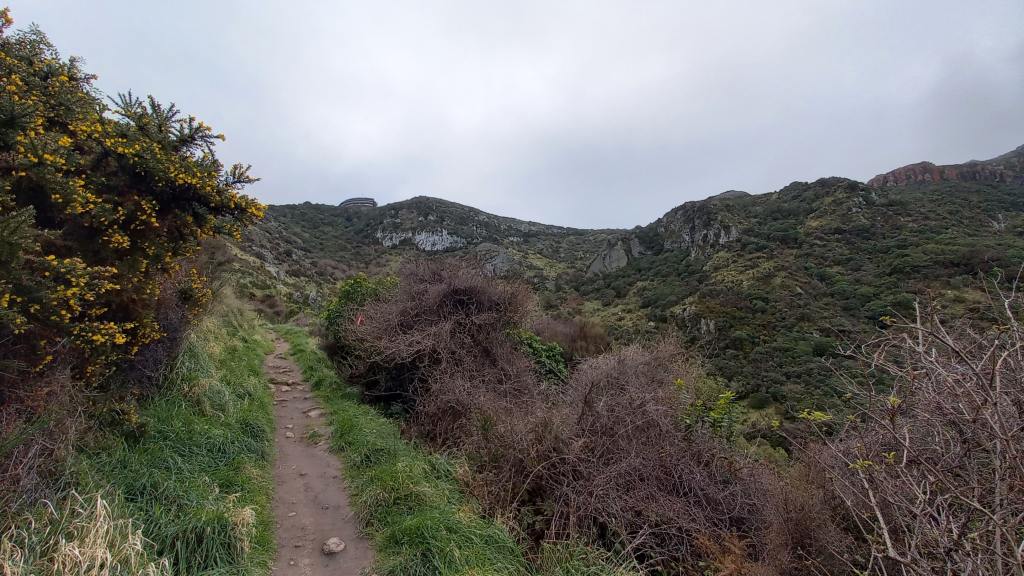
From up on high, I decided to walk down to Lyttelton via the Major Hornbrook Track, which was once the main route from port to city before the mile-long Lyttelton Tunnel was built under the Port Hills in 1940. Before then, goods and people to the burgeoning city of Christchurch were transported presumably with great difficulty via this track. I was glad I was going down – it was seriously steep, with a height loss of 500m in just one mile. My legs felt like jelly at the bottom, and I could not imagine what it would have been like to do this journey back in the day, both up and down, carrying baggage and wearing Victorian clothing to boot.
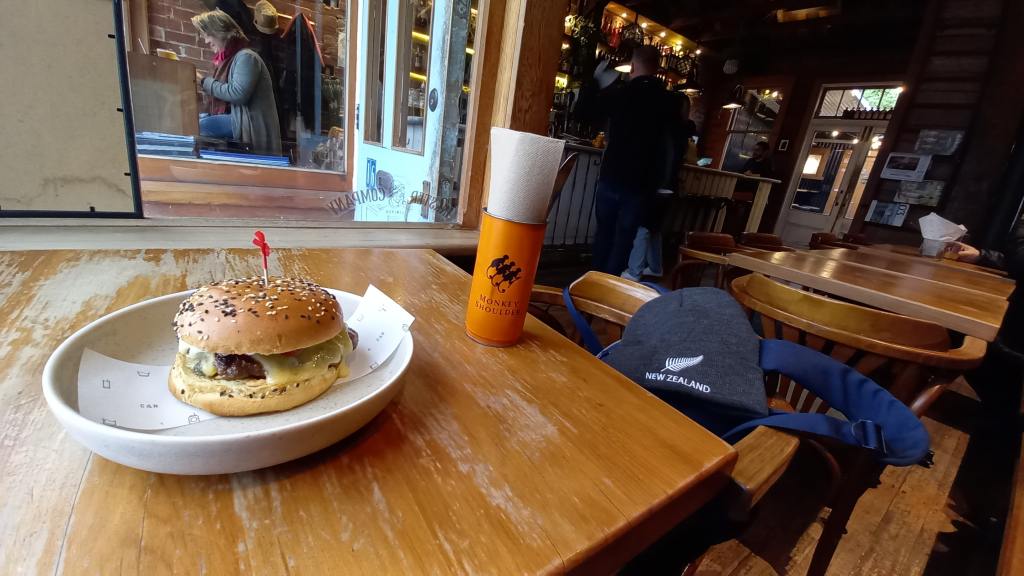
I met a friendly dog-walking couple on the way down, who recommended an eatery in town which was doing a NZ$10 burger special on a Wednesday, so made a beeline straight there upon arrival. The joint was called the Civil and Naval, on London Street, and was quite the place to be it seemed, with friendly staff and clientele – the burger did not disappoint, and my wallet did no complaining!
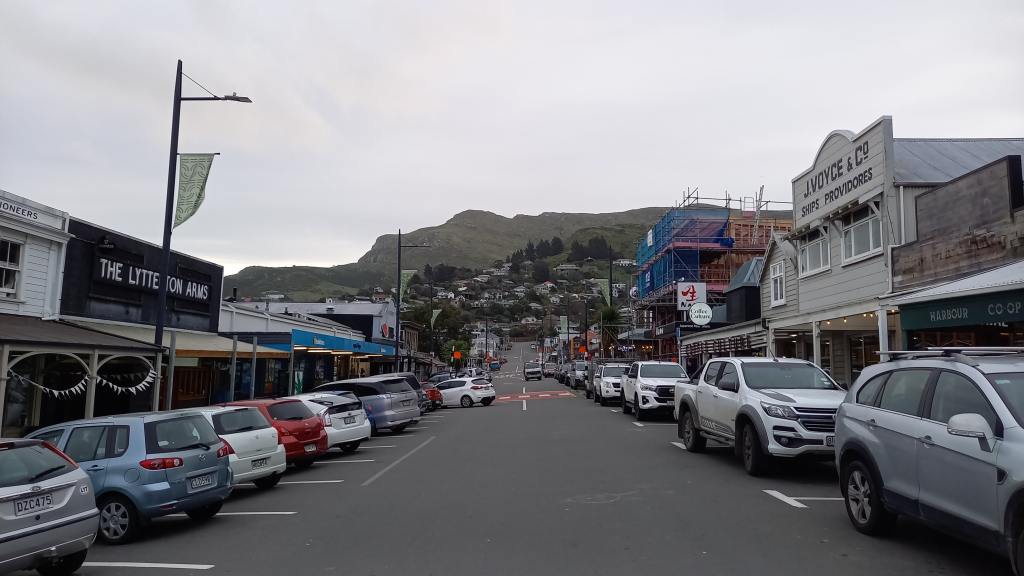
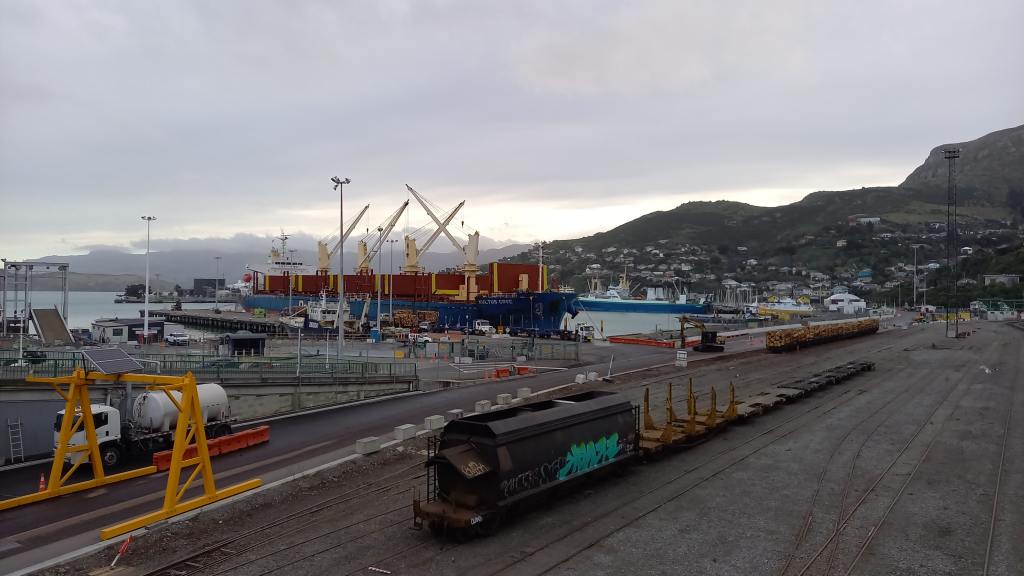
I then spent a happy while observing the fascinating toing and froing in the busy port nearby as a huge container ship had just arrived, and was also intrigued by a large portside area of felled tree trunks presumably ready for export. I really do love port cities, they are fascinating places, and I love their current and historical connections to the outside world by the vast ocean they are connected to, as well as the sometimes edgy feel they often entail. While Lyttelton did not have that edginess, I still really enjoyed my time there. After a bus back to Christchurch through the afore-mentioned Tunnel, and thence onto my cosy and humble accommodation, I settled in for my final night on this stunning chapter on my “Around the World in 40 Days” adventure.

I slept well that night, really happy with my amazing 19 days in this beautiful country at the bottom of the world. The next morning I said a fond farewell to Christchurch, the South Island, and New Zealand, as I continued my journey ever eastwards (although technically this one was pretty much just northwards), on to my next country. This was to be Fiji, country number 100 for me, and needless to say, I was excited – not just for a new country, but also to reach this epic milestone in my pretty much lifelong travelling career! More on that of course in my next.

 Alex Waring's Travel Blog