
23rd October 2025
Yay! I’m off on me holidays again! As I flew away from London once more, I was still writing up and publishing my blogs from my amazing Round the World adventure over the summer, and here I was heading off again. It was perfect timing really, as after publishing a few blogs, I realized I was starting to miss the whole travel thing, and here I’m off again!
I was doing an eight-day trip around the tiny Balkan country of Montenegro, or Cyrna Gora in the local language, or Black Mountain in English. It is certainly an exotic-sounding name, dating from the time the Venetians arrived in the 14th century and named the area after the dark, imposing, forest-covered mountain of Mt Lovćen rising up mightily over the Bay of Kotor, which I would later come to visit during this trip. It became country number 102 for me, and actually my second-to-last European country! Do watch this space for hopefully Moldova in February, which is set to complete my European country tick-list!
Technically I had already “done” Montenegro, when it had once been together with its controversial northern neighbor as the country called “Serbia and Montenegro” back in 2005. The following year though, Montenegro broke away and gained independence, leaving Serbia behind. And thus I’d only really done Serbia, as well as Kosovo, not Montenegro at that time. This is the first time this has happened to me, it seems to be a fairly frequent occurrence amongst the more widely-travelled travellers’ community apparently!
So not long into the October half-term, I boarded a Wizzair flight at 5.30am from Gatwick, after waking up at stupid-o-clock 1.50am! It actually wasn’t that bad, as I’d gone to bed at 8pm the evening before and fell asleep pretty much straight away, so I still managed to get six hours sleep. I had booked a taxi to East Croydon Station rather than walk it in the middle of the night, to get the hourly train to Gatwick that runs through the night, full of lots of similar sleepy-heads like me! It had cost me a bargain £30 when I booked the flight around a year prior, though checking a couple of weeks before my flight it had even gone down to £17! It was seemingly not a popular route, or perhaps just not a popular time, and the plane was less than half-empty. I quickly got a three-seater to myself, put the armrests up, and snoozed for most of the flight, as did most of my fellow passengers. It didn’t seem long at all before we landed in lovely little Montenegro, two-and-a-half hours later, and I was ready to begin a really lovely trip through this really lovely country.
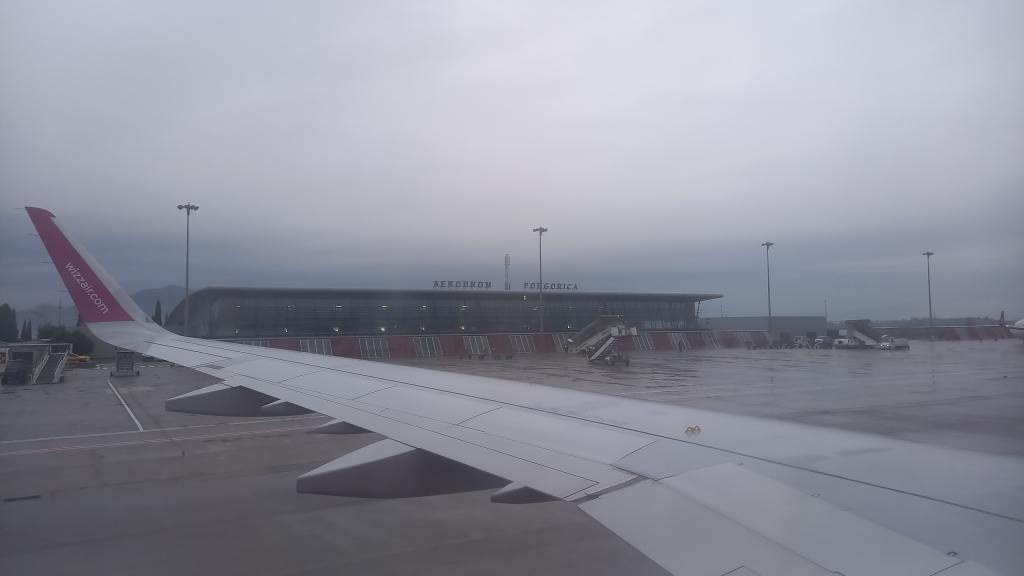
Passport control at the small airport was a long queue with just two officers on duty, but they were really fast, and it went quickly. My hotel had arranged a taxi to meet me at the airport, and I’d also arranged for it to take me to my first sight on this trip – the rather ambitiously-named “Nijagara Falls”, a short drive away from the airport. On the way, we were held up in a “cow-jam”, which made me realise I wasn’t in Kansas any more, but back in the Balkans again!

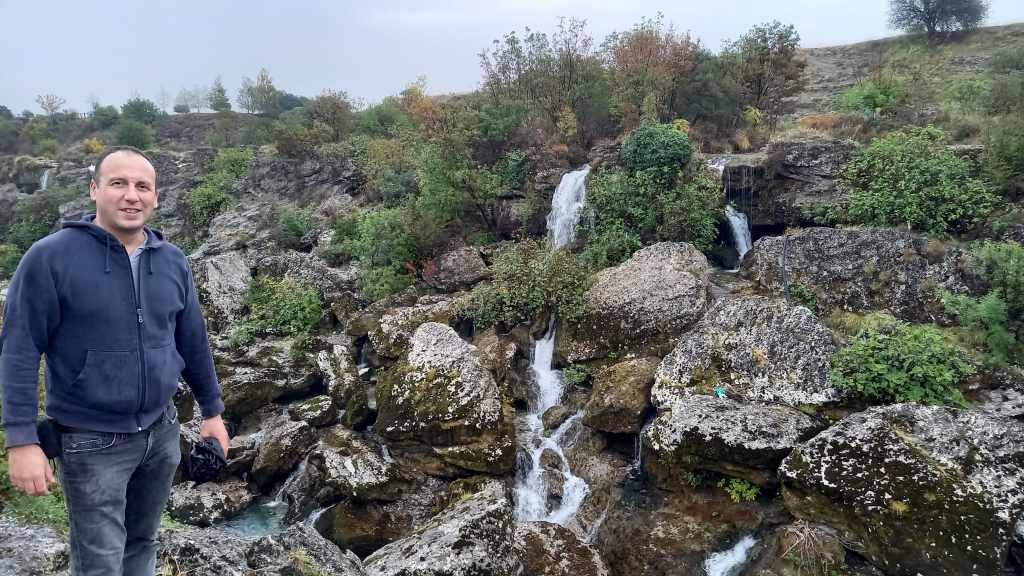
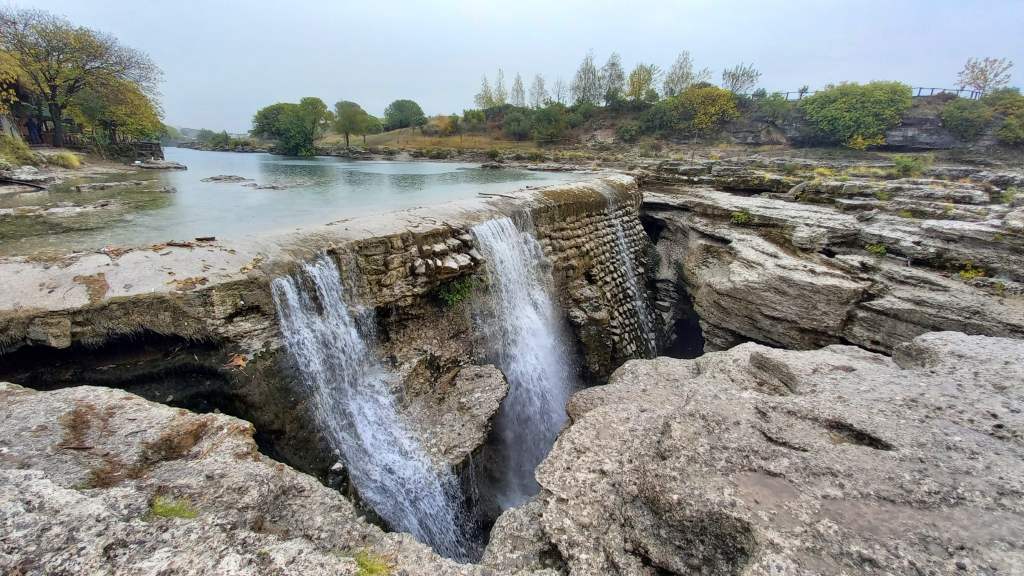
Apparently “Nijagara” is at its peak flow after the spring snow melts, and seeing photos of this online it does look almost like a miniature version of its namesake across the Pond, but now in mid-Autumn it was just a few trickles here and there really. While I was under-impressed considering the name they had given it, it was still a lovely little collection of mini-waterfalls along a 200m split created by a hard rock layer cutting across the flow of the Cijevna River, which later joins the Morača River as it leaves the Montenegrin capital of Podgorica.
Speaking of which, after half-an-hour of waterfall contemplation, my taxi took me on to my lovely little hotel, right next to the bus and train stations. Conveniently-located, super-friendly, and budget-priced, I was happy with my comfortable little room there. I enjoyed a bit of down time and a short nap, which was well-needed after my early start that morning, before heading off on my further explorations for the day.
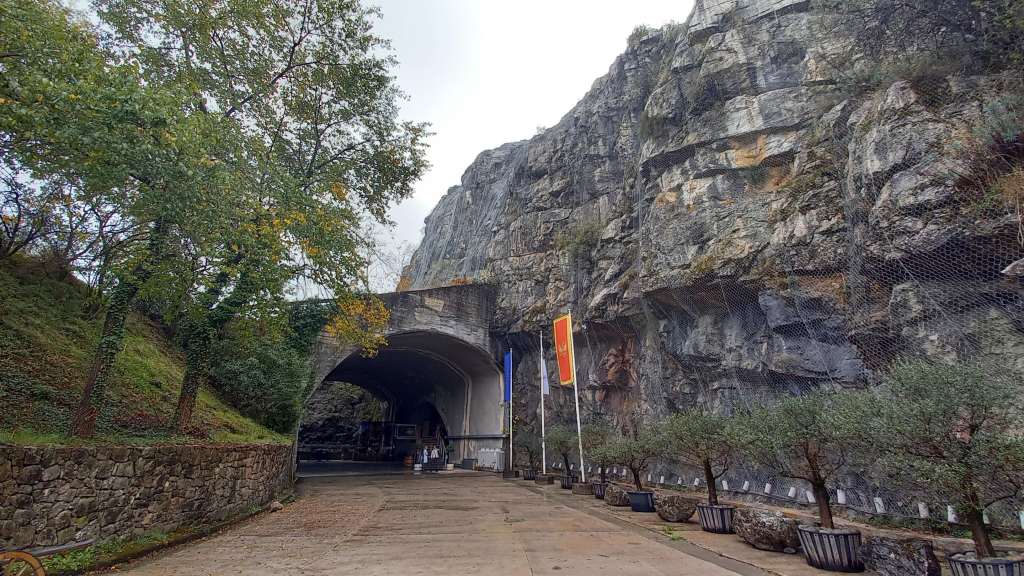
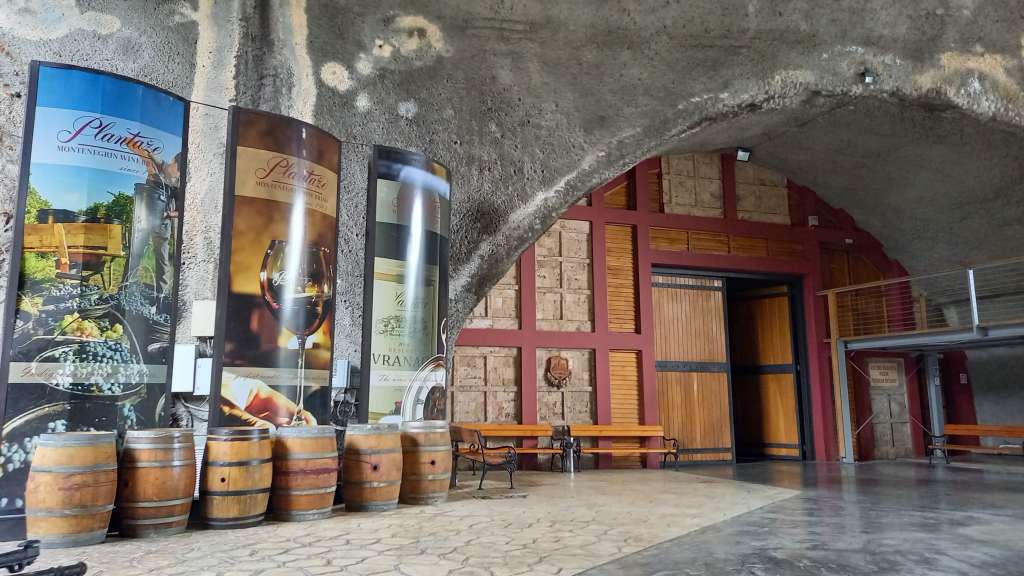
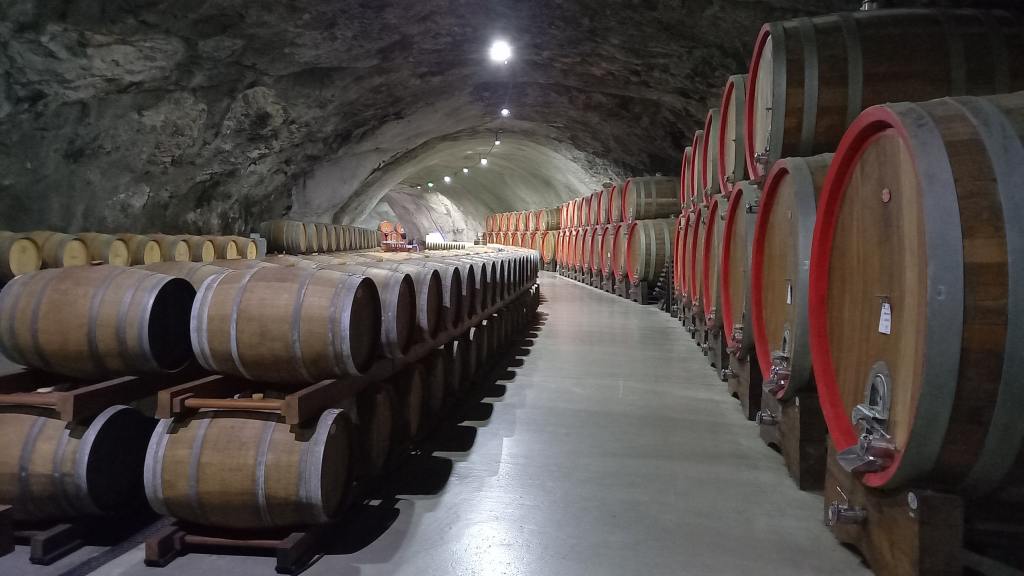
First up, I took a bus (right nextdoor!) to the outskirts of a nearby town called Tuzi. I was heading to the wine cellar of the largest vineyard in Europe, the huge Šipčanik cellar of the Plantaže vineyards, spreading over nine square miles around the southern outskirts of Podgorica. And as I was visiting a winery using public transport as opposed to a rental car for the first time ever I think, I did not hesitate to partake in the delights of tasting the grape while there. Delicious, and it went straight to my head! I also learned that the wine cellar is actually located in a former Yugoslav air bunker once used to house military planes during the times of Tito, until it was targeted during the NATO bombings of the late 1990s, after which the huge extensive tunnels then served to store these large wine barrels instead. I had walked along a wide, long and very straight road to get there, which I learned was used as an airstrip back in the day, and today is used for informal (and illegal!) car racing by the locals, as I’d clearly seen and heard on my way there! Before leaving, I bought a reasonably-priced bottle of the house brandy, called Vinjak, to accompany me on this Montenegro trip.
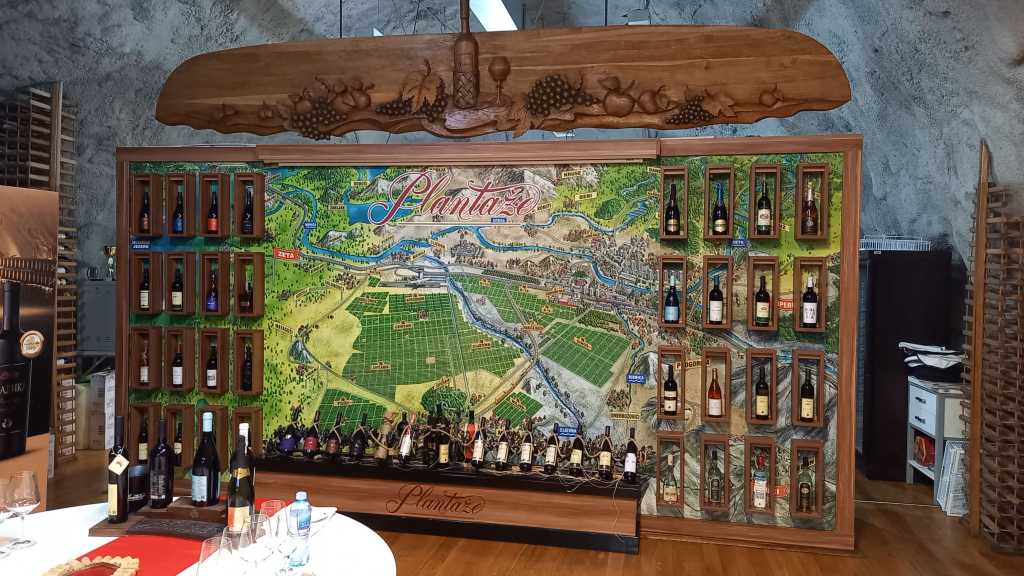
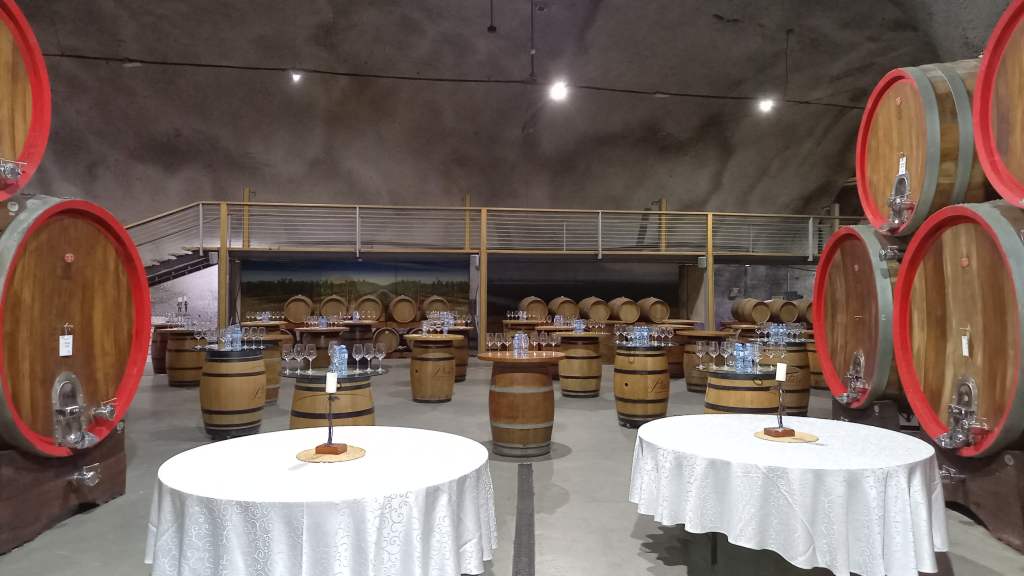
Back to the main road again, I awaited the two-hourly bus back to Podgorica, rather gingerly at a place I thought it might stop as there were no bus stops out there. This turned out to be correct, after a local chap joined me in the wait, and then the welcome sight of the bus turned up. I had omitted to say until now that I’d arrived on a rather rainy day, with heavy to light intermittent showers throughout the day. And while there were no bus stops, there were also no shelters out there – I was happy when the bus came!
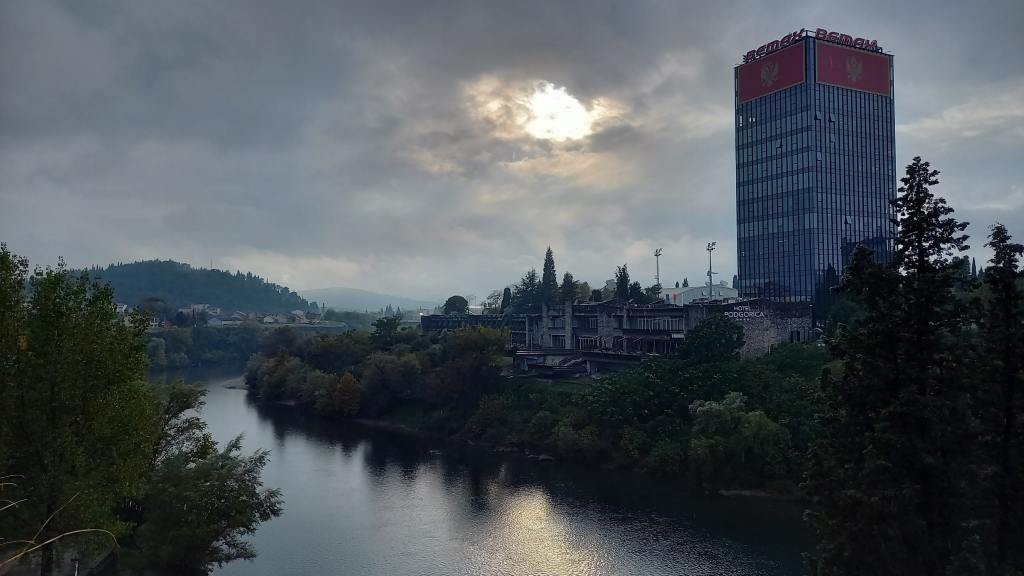
What followed back in town for the rest of the day was quite an eclectic exploration of part of this intriguing city. I wouldn’t call Podgorica an off-the-beaten track gem, as it’s not really a gem, but it is indeed little-visited by tourists who instead flock to the coast in this country. The old town was more of the former-Yugoslavian communist block type than East European quaintness, but was still absolutely fascinating to my mind.
I first visited the absolutely bizarre Natural History Museum of Montenegro, which looked a good place to visit on a map, and was not far from my accommodation, but actually turned out to be around four rooms filled with heaps of information, photos and displays on bees, all in Montenegrin with no English at all. It was indeed, bizarre.
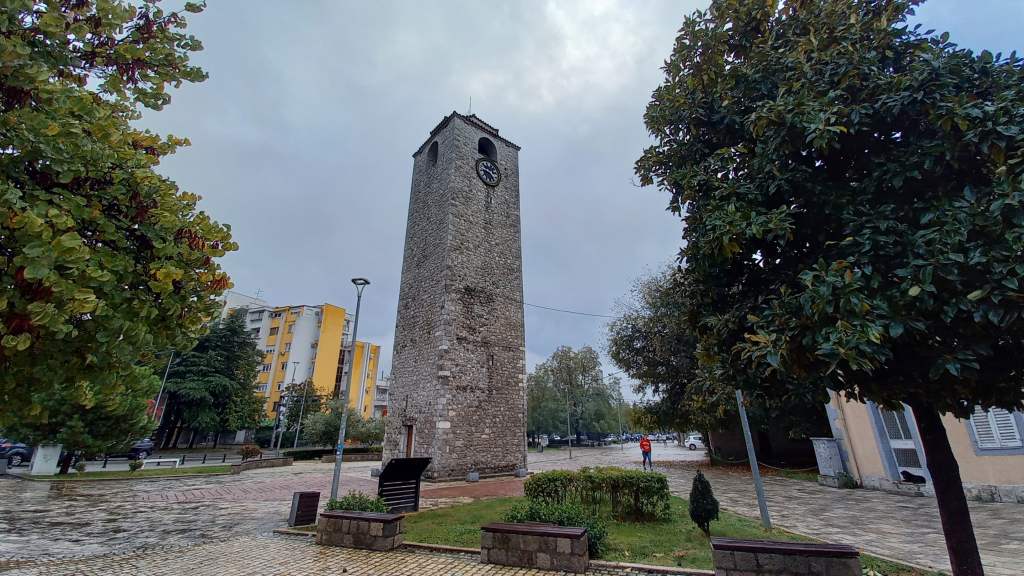
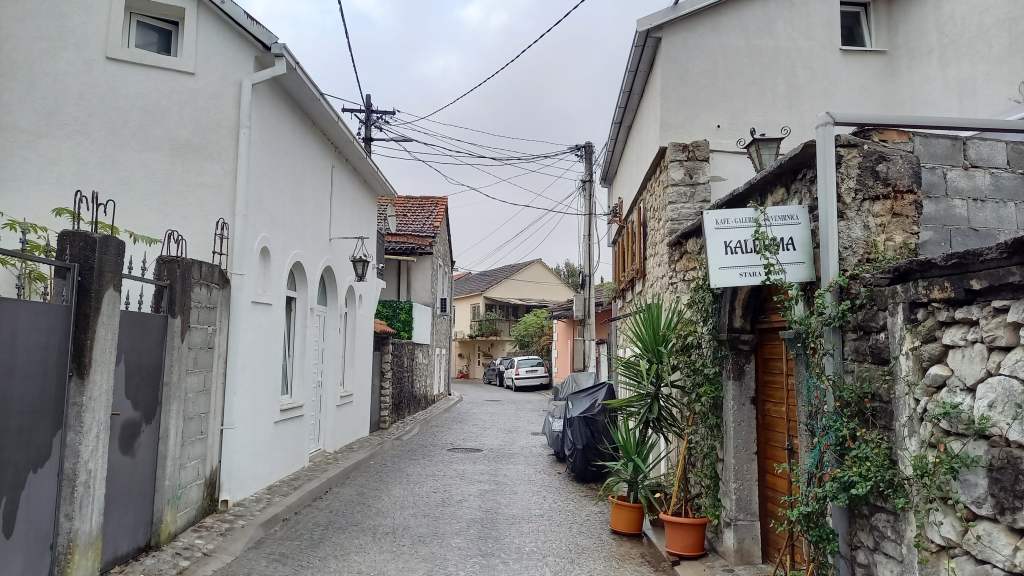
I then took a walk through the de facto “old town”, called Stara Varoš, which is really just a crumbling collection of Ottoman-era houses rather than a bar- and café-lined hub more reminiscent of the “old towns” of neighbouring countries. This one at least felt lived-in and real, with highlights being the 15th century Ottoman Starodoganjska Mosque, Clock Tower, and the remains of the Ribnica Fortress, built by the Ottomans in 1474 to protect their newly-found settlement there at the confluence of the Ribnica and Morača Rivers. The Romans had also built a bridge over the latter, which added to by the Ottomans in the 18th century, still stands there as a major city sight today.
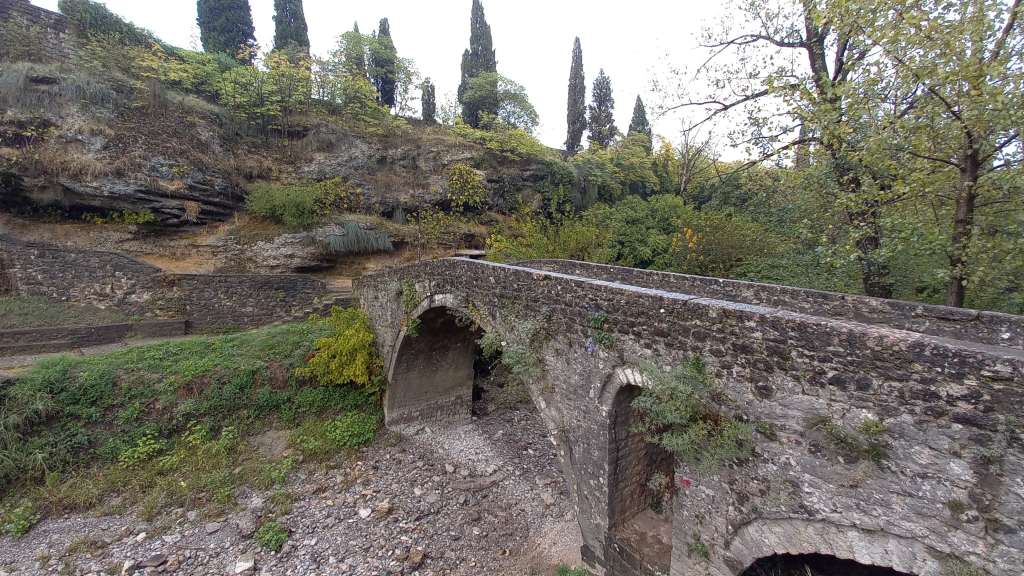
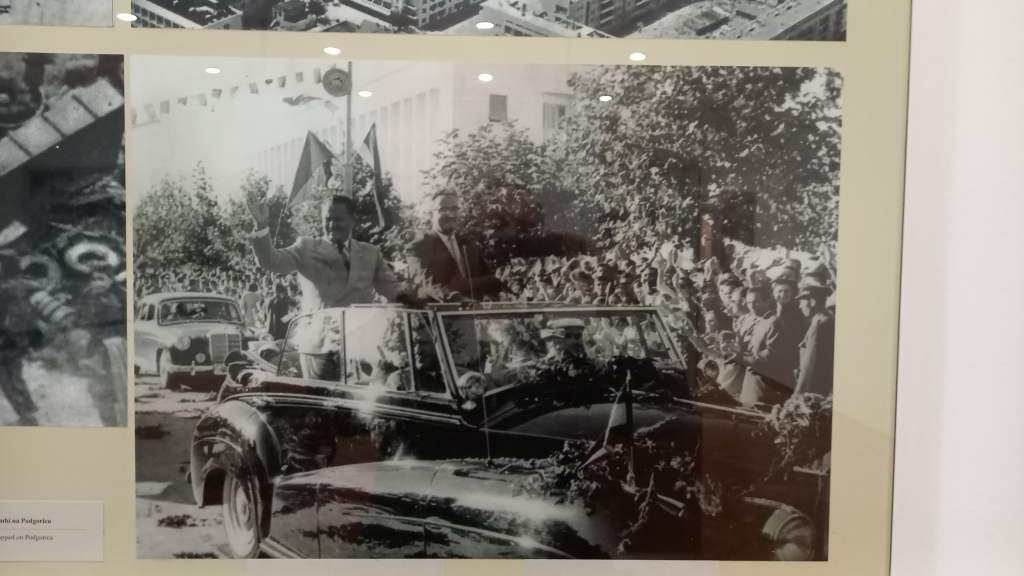
Next was the much more captivating Museums and Galleries of Podgorica, with interesting displays throughout of the city’s history, from Roman, through Ottoman, and onto World War II times. There was also a good art display in one of the rooms. If I hadn’t already visited the Natural History Museum though, I think I would actually have been rather underwhelmed here. After my first attempt at a museum in this city, the second one proved comparatively much better, and it was a plus being the only visitor at least in both.
I then headed to the Mall of Montenegro, back towards my accommodation again, expecting a huge shopping centre with a fantastic Food Court where I’d be spoilt for choice for dinner options. Instead, there were around five small floors with around 15 forlorn shops, just one eatery which was doing a roaring trade, and a large supermarket downstairs. I opted for a takeaway dinner from the prepared food counter in the supermarket, getting something fairly reasonable using my smattering of Croatian and the friendly server’s smattering of English, and together with my afore-mentioned brandy, called it a cosy evening in my lovely little hotel room. It had been a fascinating first day – while many sights felt underwhelming, certainly in comparison to my more recent amazing adventures and travels, I rather enjoyed the eclectic and off-beat nature of Podgorica, if not Montenegro, so far. I was excited to explore more the next day!
I loved my first full day of explorations in Montenegro, and am loving the off-beatness of this highly original capital city of Podgorica. I feel that when you’ve done as much travelling as me, it becomes the unique places of the world which really start to stand out. Yes, castles, churches and old towns are still beautiful in my eyes, but this city just hit all the right buttons for me in seeing a place for what it really is, beyond any tourist sheen. Podgorica is way off the tourist-trodden route, and feels lived-in, friendly (by East European standards at least…!), and highly original.
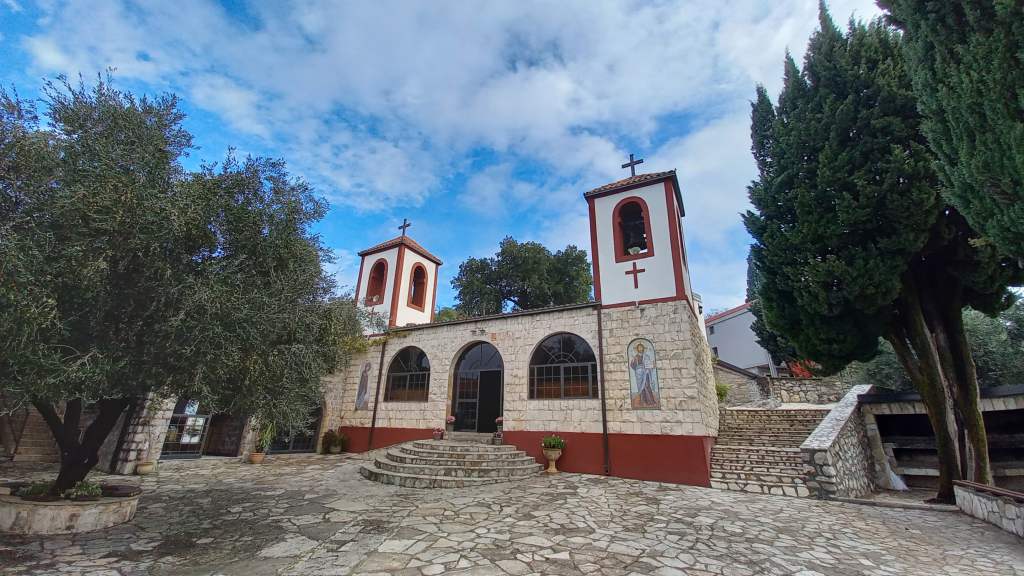
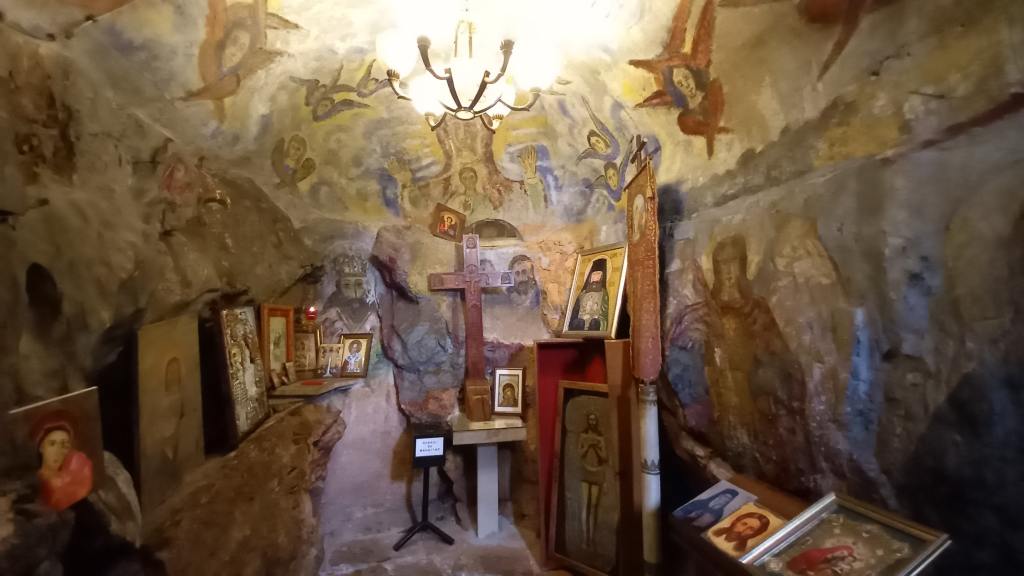
I started off the day by taking a bus from the bus station to visit the lovely Dajbabe Monastery just on the southern edge of town. It would have been a short walk from the bus stop, but I ended up taking a roundabout route of about a mile to try to avoid a stray dog which had taken a liking to me. Yes, I am back in a stray-dog country again, definitely not my favourite. This one was jumping up at me and wanting to play, getting a bit too frisky with its mouth, so I ended up walking along a dual-carriageway away from its territory, then through an industrial estate, and across a railway line to eventually get to there. All the while keeping an eye out for any further mangy mutts. Fortunately there weren’t any, and the Monastery was absolutely worth the trouble getting there. The Orthodox church is built over the entrance to a cave with tunnels leading to three separate areas of cave paintings and icons, and had a real sense of peace around it. Having the place to myself also helped! The caves were once dwelt in by solitary Monk Simeon Popović, who painted the frescoes during his time there from 1897 to his passing in 1941, and it had since become a place of pilgrimage for Orthodox Montenegrins and others. It had a peaceful and calming vibe to the place, and I enjoyed my time there.
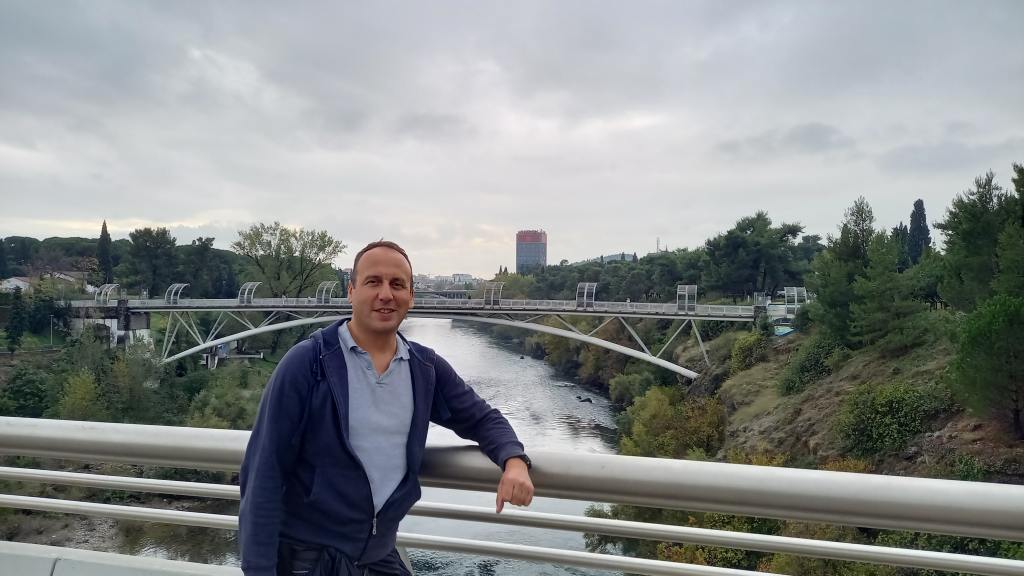
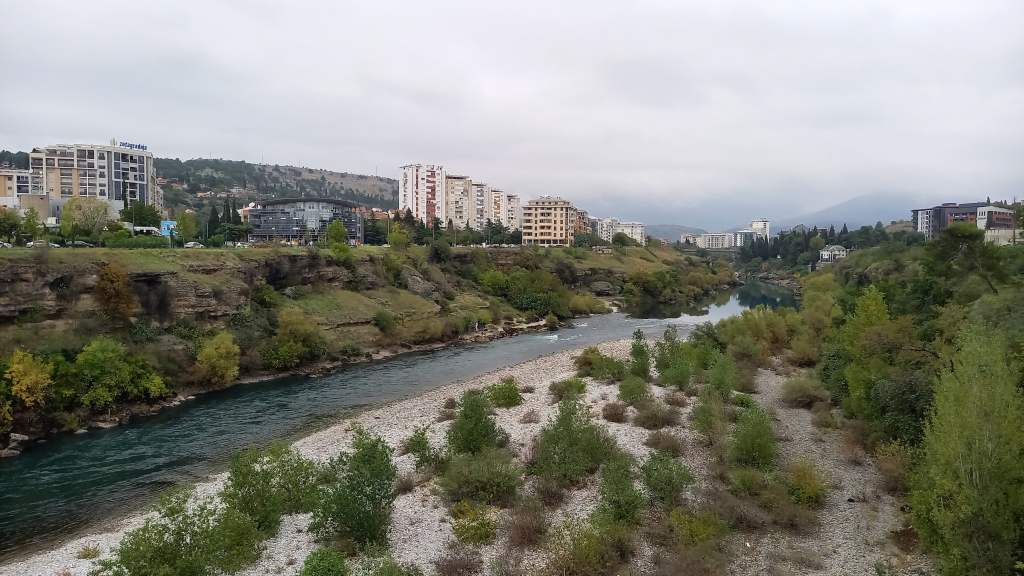
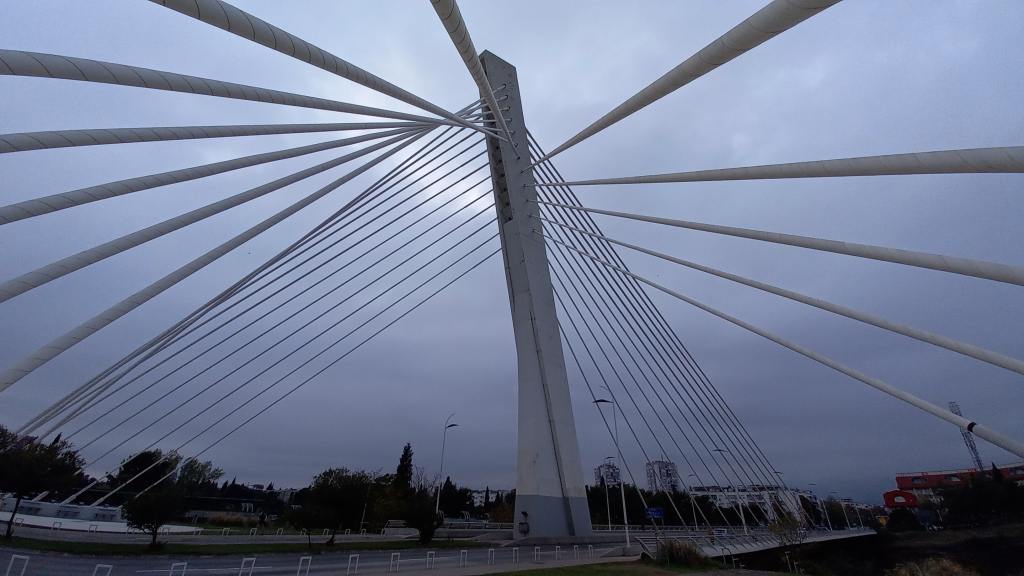
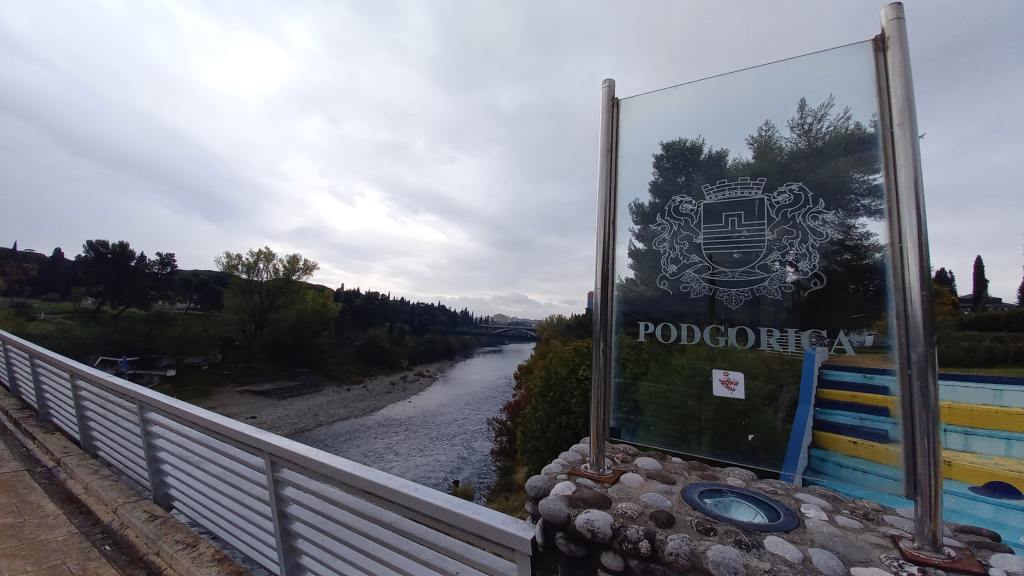
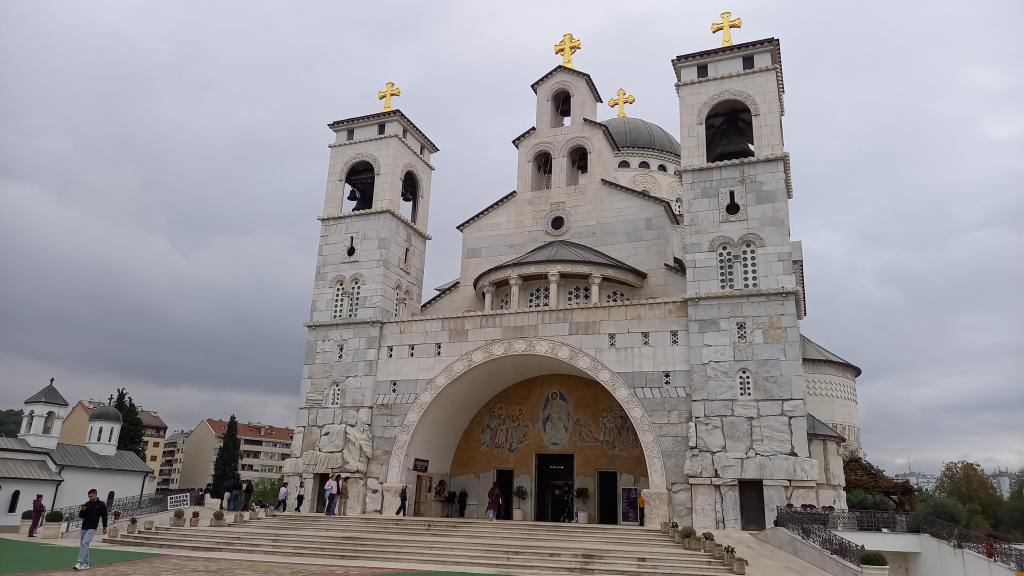
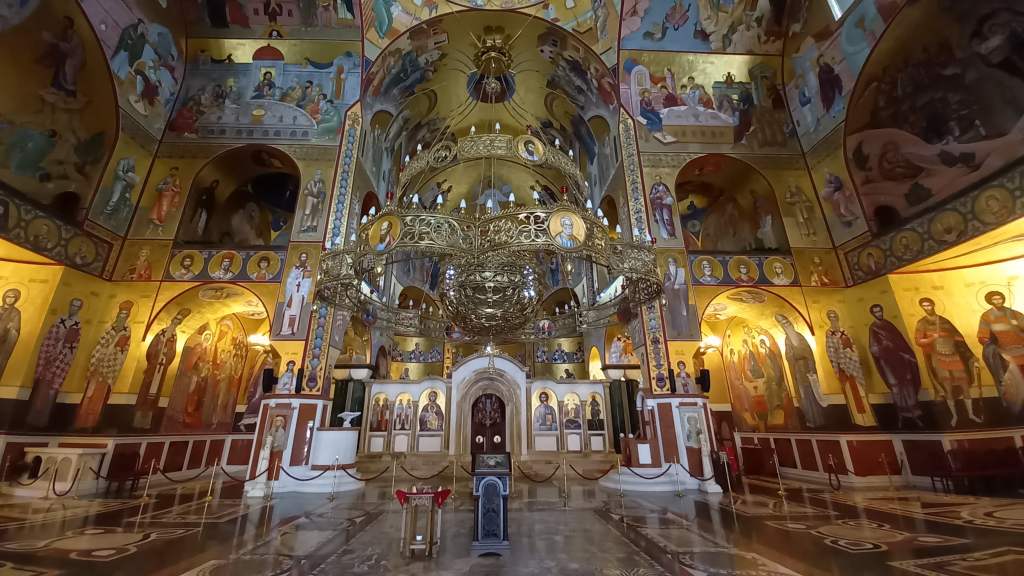
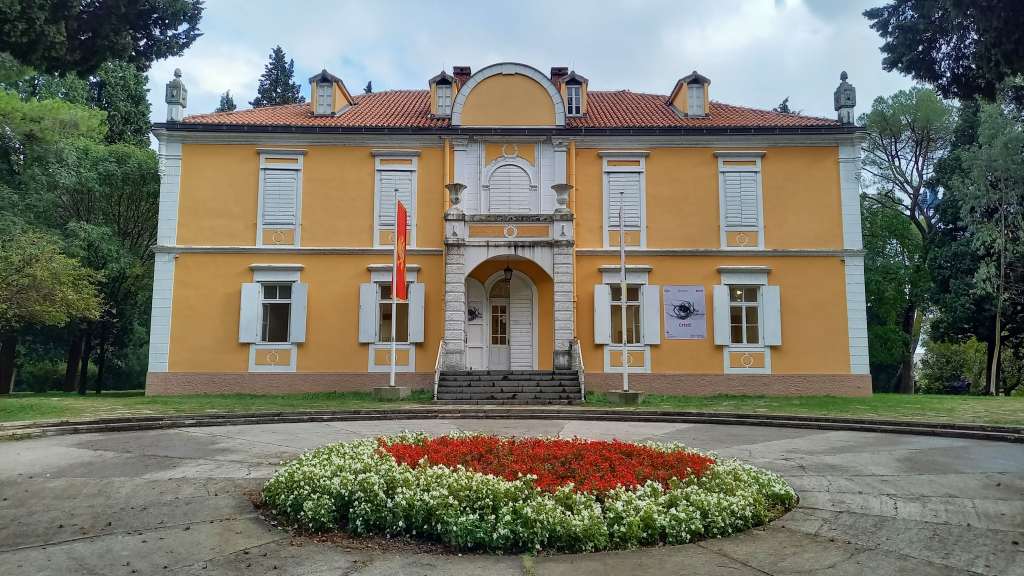
I then took a bus back to the centre again, for a walk around the streets west of the Morača River. These seemed to date back more to the Former Yugoslavia-era of brutalist architecture, with block upon block of communist apartment buildings, which I just love! I admired what my Lonely Planet describes as one of the city’s few landmarks, the imposing Millennium Bridge over the Morača River built in 2005, visited the highly imposing and newly-built Orthodox Temple of Christ’s Resurrection with its gorgeously ornate interior, dating back only to 2013, had an absolutely delicious lentil curry and roti bread lunch at a local and very authentic Indian restaurant which felt so exotic bang in the middle of communist-block central, and enjoyed a peaceful walk through Petrovic Park surrounding the rather humble Petrovic Palace, once a winter residence for the 19th century Montenegrin monarch King Nikola.
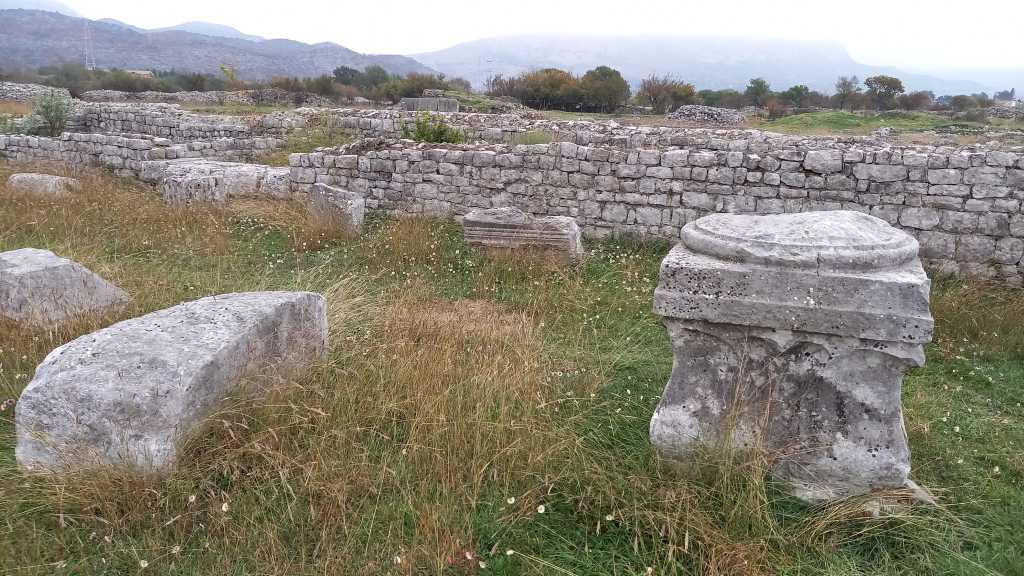
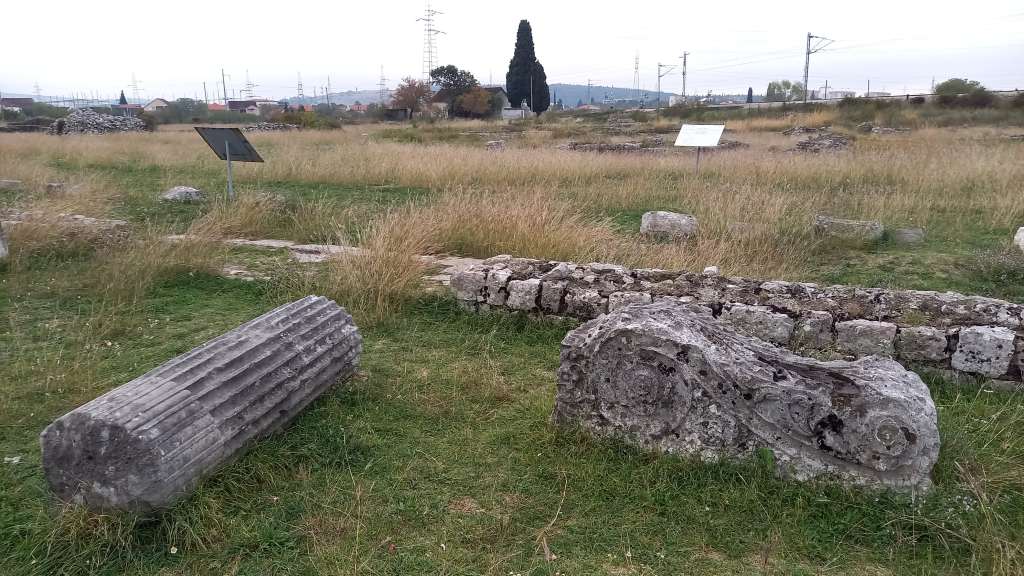
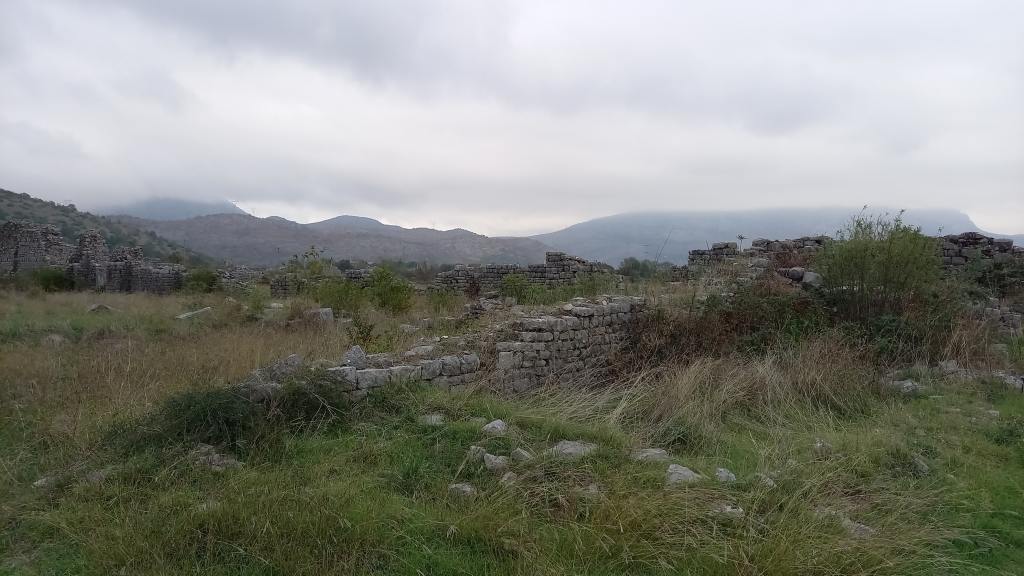
After this, I took another bus to the northern end of town this time, to explore the largely unrestored and vacant Ancient Doclea Roman ruins. Doclea was once the capital of the Roman province of Praevalis, covering parts of modern day Montenegro, Albania and Serbia, and was founded on a former Illyrian settlement by Roman Emperor Claudius in the 1st century AD. It flourished for several centuries reaching a peak population of around 10,000 inhabitants in the 3rd century AD, until Goth and Slav invasions along with an earthquake caused it to decline from the 6th century AD onwards. It is not a particularly well-restored site today, though with extensive remains of a forum, temples, basilicas, houses and necropolises, I feel has huge potential if investment were put into the place.
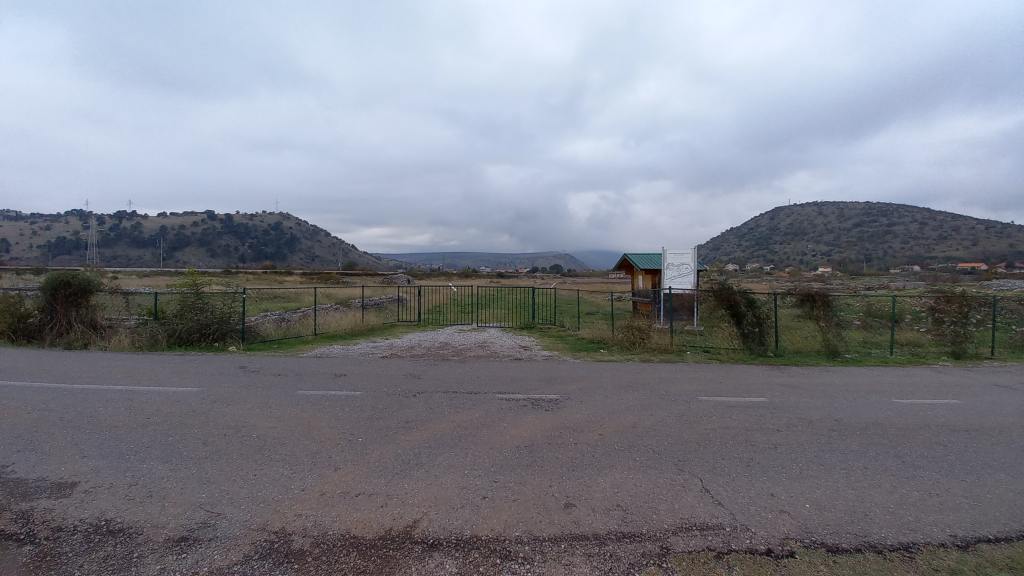
There were just a few tourist information boards knocking around, thankfully with English translations, and no other sign of civilization or tourism in sight. Needless to say I had the place to myself, which actually felt a bit unnerving walking around up there on an exposed and empty hilltop all on my lonesome. Thankfully there were no mangy mutts hanging around. Aside from countless ruined foundations and piles of stone, there were around three or four more photogenic carved columns lying on their sides here and there, which made for a better photo. Twenty minutes later I was ready to get the bus back again, catching the one I’d taken there as it was heading back into town again. This is because I’d originally waited nearly an hour for the supposed half-hourly bus to get there, and didn’t really want to be stranded up there in that lonesome place not knowing when the next bus would be. I knew this one would be returning twenty minutes later, so I took it.
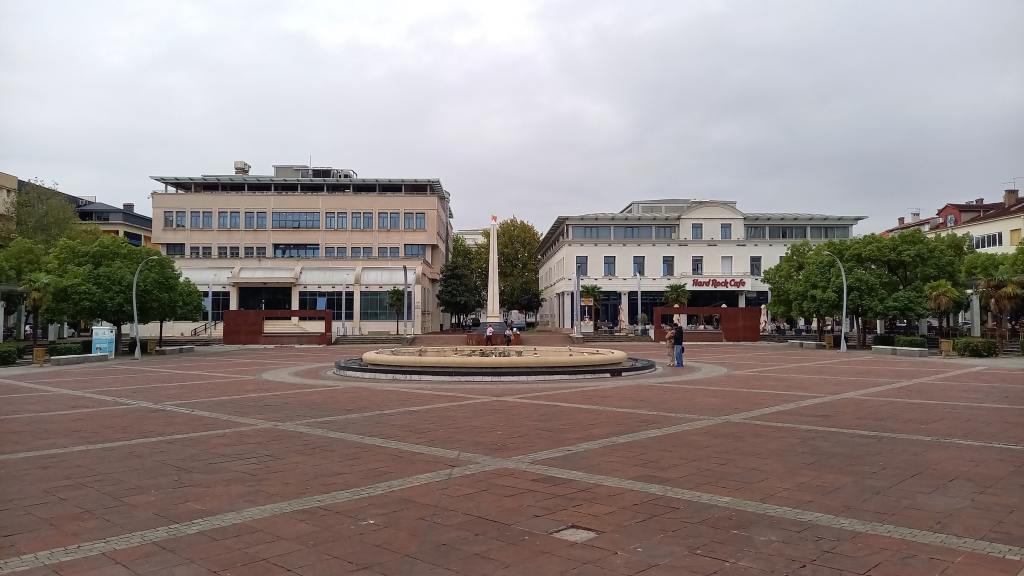
Finally I explored the area of the city known as Nova Varoš, or New Varosh, east of the Morača River but north of the Ribnica River, as opposed to Stara Varoš, or Old Varosh, to the south of the latter. Nova Varoš is the city’s modern commercial hub, with its shopping and dining scene centered around the rather bland, communist-looking Independence Square.
I then returned to my hotel to settle into my evening really nicely, with a brandy, instant noodle pot, and leftover roti bread and spicy onions from my delicious Indian lunch for tea. It had been a great start to exploring this intriguing little corner of south-east Europe, and I was really looking forward to beginning my explorations proper of Montenegro outside its capital city the next day. More on that in my next.

 Alex Waring's Travel Blog