
26th October 2025
Montenegro truly is a fascinating little country, with so many really interesting, unique and different places within easy travelling distance of each other. I began my explorations beyond my first staging post of Podgorica two days after my arrival in the country, taking a train southwards from the train station, which along with the bus station was also adjacent to my hotel – very convenient! It was along the country’s only working railway line, and was seriously old-school stuff. Together with a fellow traveller from Canada I had struck up a conversation with on the platform, we got one of those James Bond/Agatha Christie/Harry Potter–style compartments with three seats facing another three seats inside. An onboard conductor came round taking cash payment only, and then writing out a handwritten ticket for you. For my 40-minute journey to the small town of Virpazar, gateway to beautiful Lake Skadar, I paid a mere two Euros!
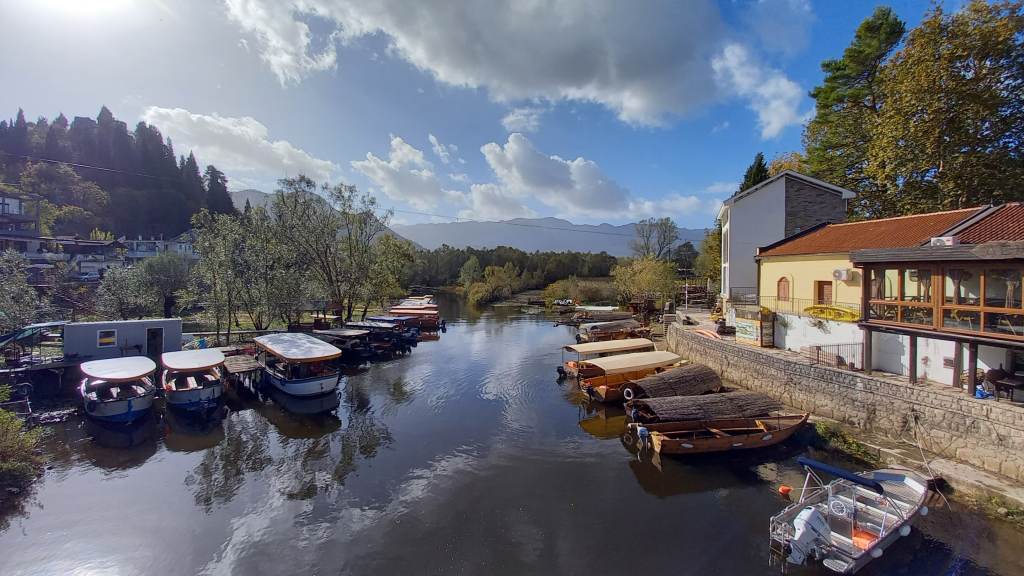
After briefly skirting the west side of this beautiful dolphin-shaped lake, and crossing a bridge over its “tail”, I alighted at my stop for the day – the tiny station of Virpazar. From here it was a sketchy half-mile walk into town and its Lake Skadar National Park headquarters, first along a main road, but when the pedestrian pavement disappeared, along the rail track itself! I did like a local, after seeing another guy doing the same despite seriously going against the grain and all my natural instincts, and stepped from sleeper to sleeper into town, keeping an eye out both in front and behind me for any oncoming train. Fortunately there were none, admittedly due to there being one train every three hours or so, but it was still rather unnerving! I later found out that there is an alternative overgrown footpath one can take between town and station, which I gladly partook of instead on my return.
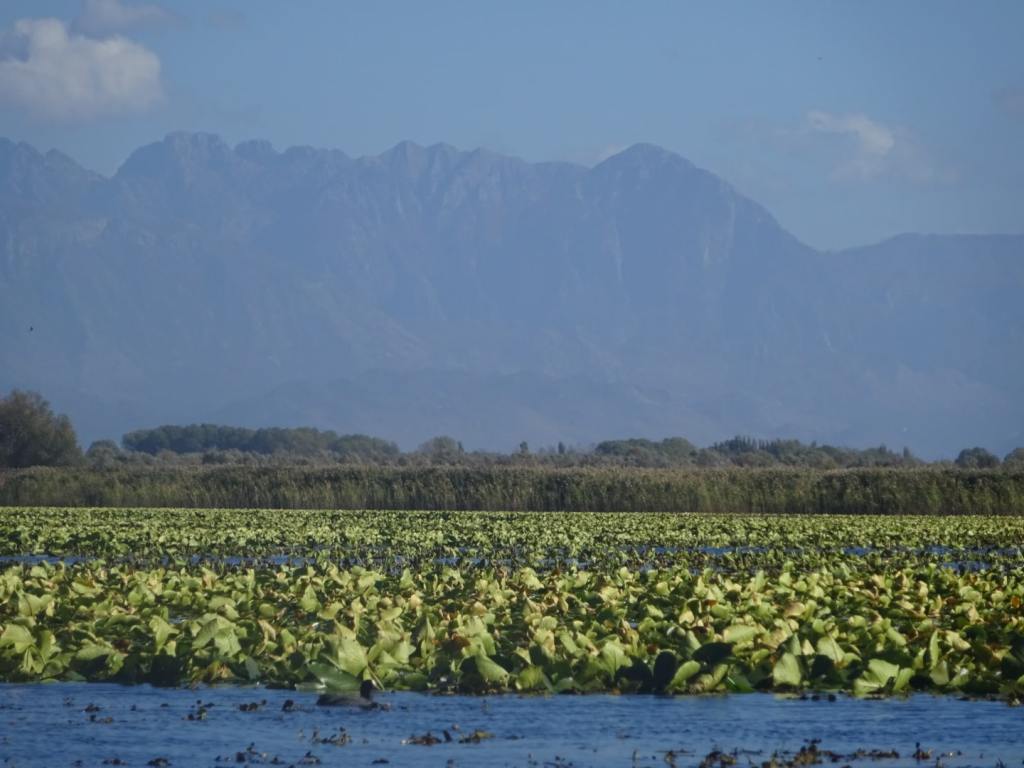
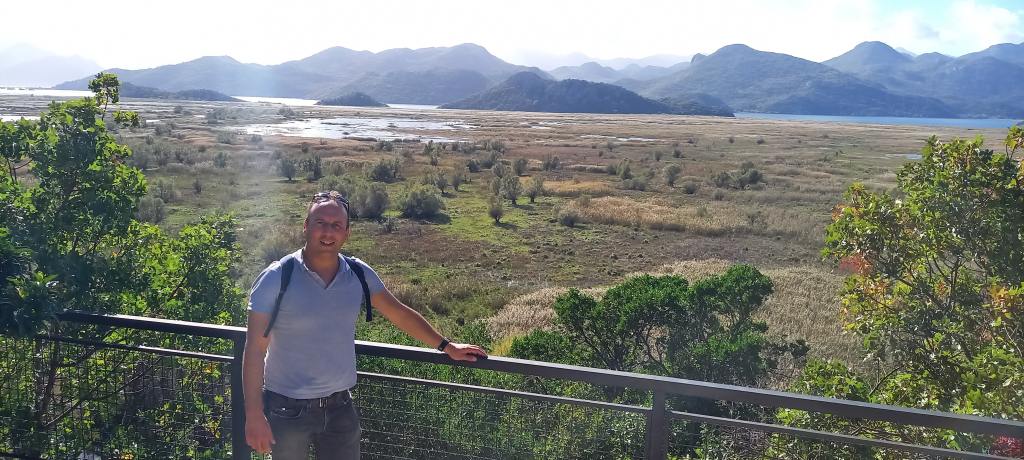
I had a bit of time to kill before the boat tour I had booked for the day there, so took a short walk up to an old Ottoman-era fortress called Tvrđava Besac atop a nearby hill which commanded some seriously stunning and far-reaching views not only over the pretty little town of Virpazar below, but also over the largest lake in the Balkans and even as far as the Accursed Mountains rising up dramatically (as their name would suggest) on the Albanian side on the opposite shore. Lake Skadar, or Shkodër in Albanian, ranges in size from 140 to 200 square miles depending on how much rain has fallen, with an average depth of surprisingly only six metres. Two thirds of it lies in Montenegrin territory, and the other third in Albanian, being a National Park in the former and a Nature Reserve in the latter, and it is known for its stunning green beauty, lily pads and birdlife. The fortress also held some interesting information on Virpazar’s involvement in being a part of the first Yugoslavian tides to be turned against the occupying Nazis during WWII in 1941.
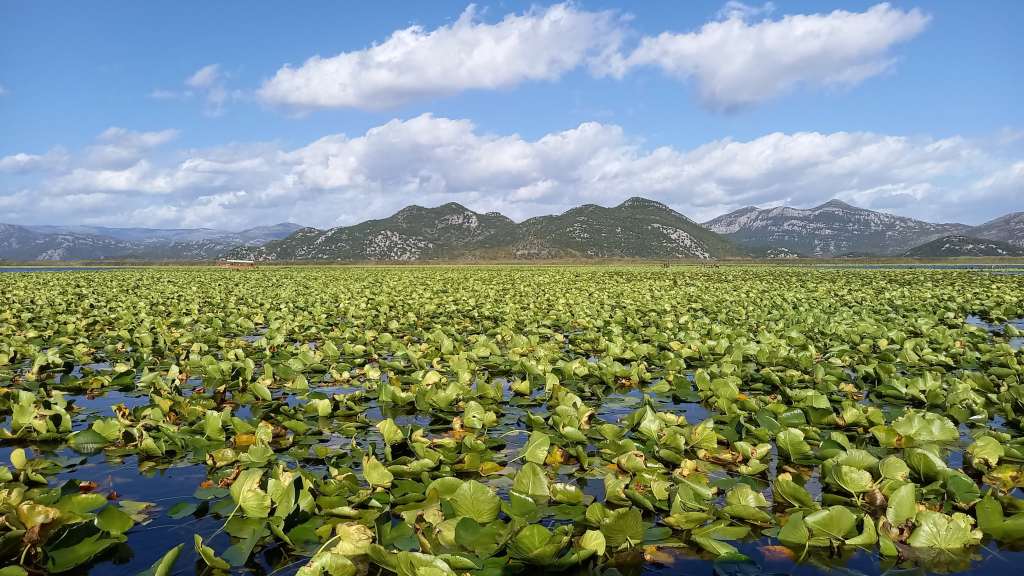
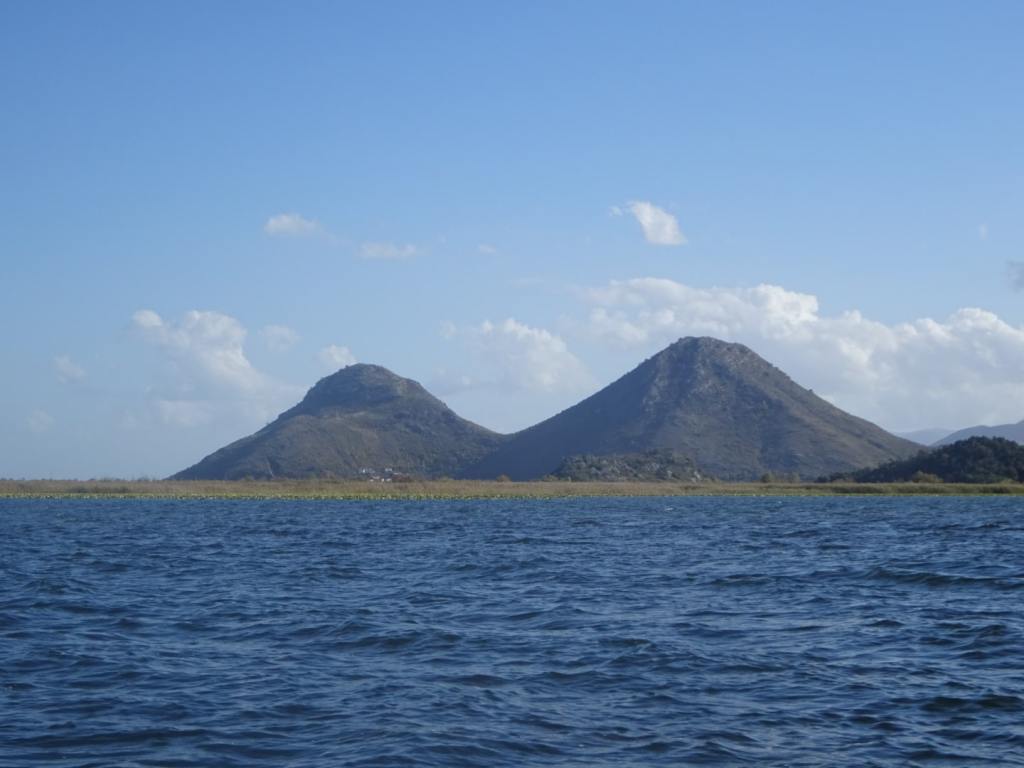
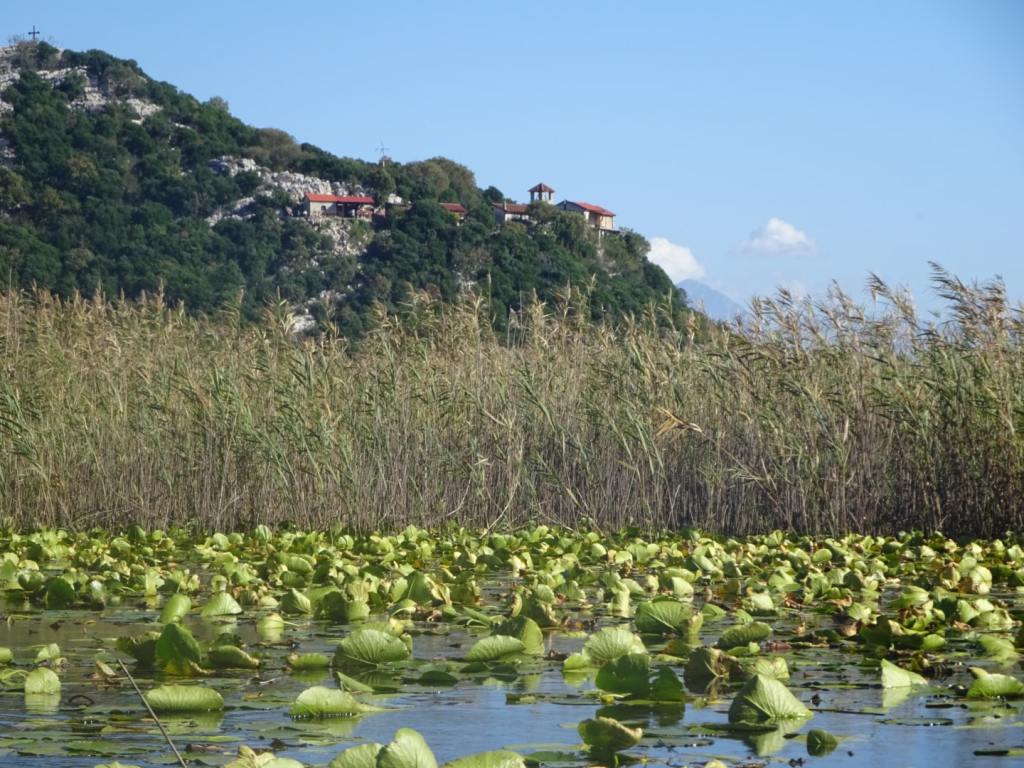
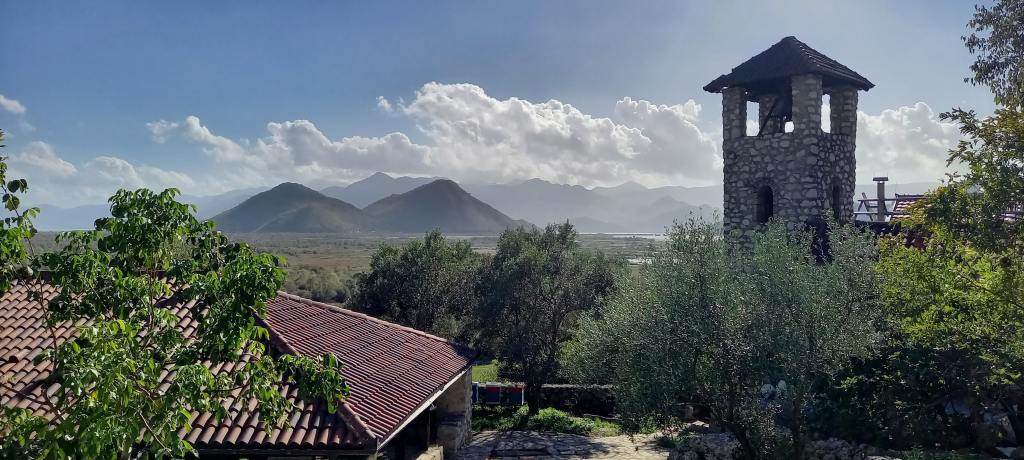
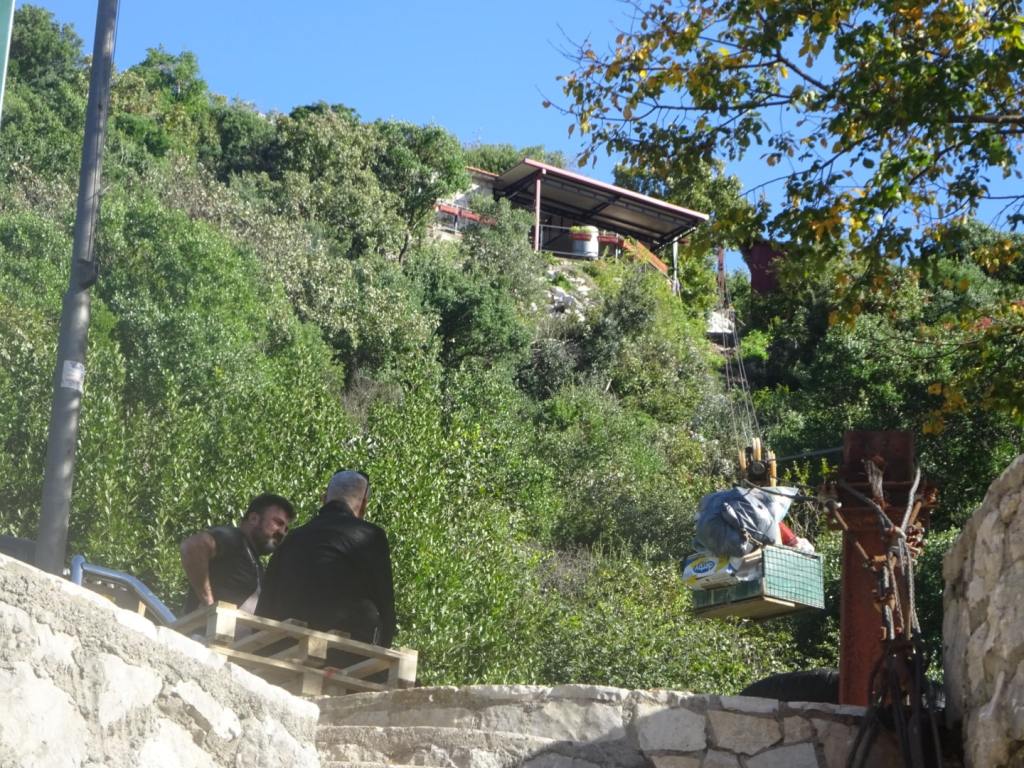
After seeing the beauty of the lake from above, I was now ready for my tour on it. I had opted for the longer three-hour one which also takes in a gorgeous little monastery on an island in the lake. Spotted hundreds of cormorants, plenty of coots, and quite a miniature type of bird whose name I wasn’t sure of. The great drawcard of the lake, however, is its abundant water lilies covering the surface like a blanket in many places. The views were incredible, with the blue lake perfectly contrasting with the green lilies, the blue sky on my first day of good weather on this trip, the surrounding hills, and the highly-imposing Accursed Mountains of Albania rising up in the far distance. The skipper handed round some delicious doughnut-like snacks which were part–sweet, part-salty, and opened several bottles of wine which flowed freely – I had a glass each of red, white and rosé. Again, such are the joys of travelling without a rental car! Then came the highlight for me, the visit to the Kam Monastery on one of the plentiful islands in the lake. It was so peaceful and tranquil, I would have loved more than the 25 minutes of allotted time we had there. The views from the top of the hundred or so steps leading up there were amazing, as were the untouched frescoes in the chapel dating back to the 15th century! We were just getting back into the boat again, when three of the super-friendly monk residents had just returned from a shopping trip and were making use of the pulley system to get their supplies up to the monastery at the top – what a life!
Heading back to the train station via the safer overgrown path route, it was fascinating to meet first an Israeli family there, then a Kiwi traveller, kind of sandwiching in my next and previous travel adventures on either side of Montenegro. It was really sad, though, to see a cat that had snuggled up to sit next to me on a bench while I was waiting for the train, to be chased away after I had left by three large dogs and seeking shelter under a car while they patrolled around it as my train was leaving. I hope the poor thing was ok…
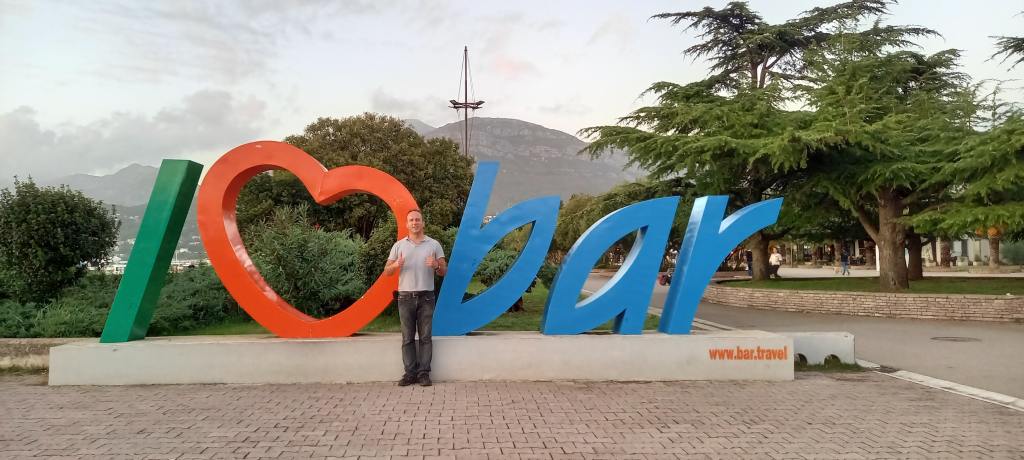
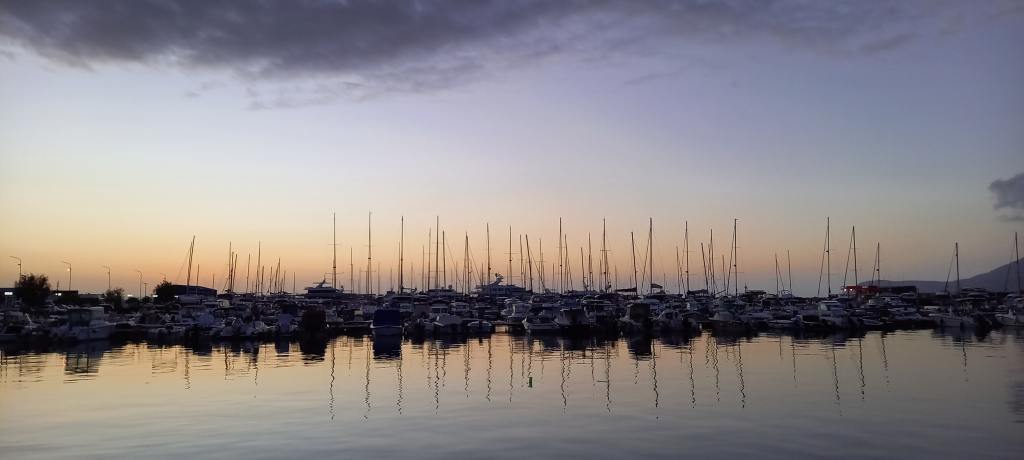
Thirty minutes later (again, distances between places in this tiny country two-thirds the size of Wales are minimal!), I arrived in my next port-of-call, and base for the next two nights – the large port city of Bar. I loved this place! It was again off the tourist-radar for the country, and a comparatively substantial urban conurbation as well as the main commercial port for the country. There’s something particularly attractive about gritty urban ports to me, maybe I was a sailor in a previous life…! This actually marked the beginning of most of the rest of my journey now, from the southeast to the northwest of Montenegro’s little sliver of the gorgeous Adriatic Coast, stretching 183 miles in total. I did a quick food shop at a local hypermarket which was well-stocked with things I needed, to then check in to a very cosy little apartment slap bang in the middle of town, yet still very quiet. I just had time to walk down to the nearby marina to glimpse the beauty of the final few minutes of the Adriatic sunset, before settling in for my first night on Montenegro’s stunning coast.
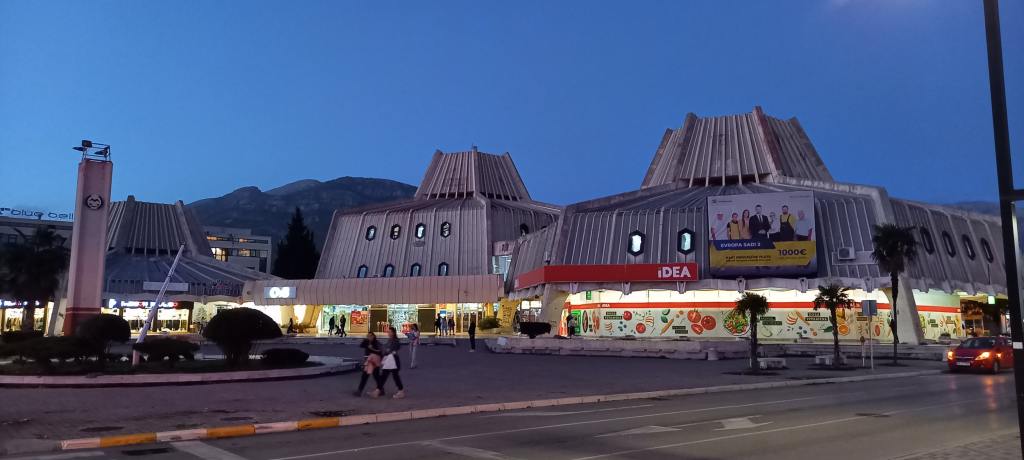
The next day was a really great day of explorations, once more being pretty much the only tourist around, making the whole experience feel really authentic. Perhaps Montenegro will be the next Croatia, hot on the heels of Albania. Speaking of which, the afternoon on this day was spent in the delightful Adriatic seaside town of Ulcinj, more Albanian than Montenegrin apparently due to its proximity to Albania only five miles away.
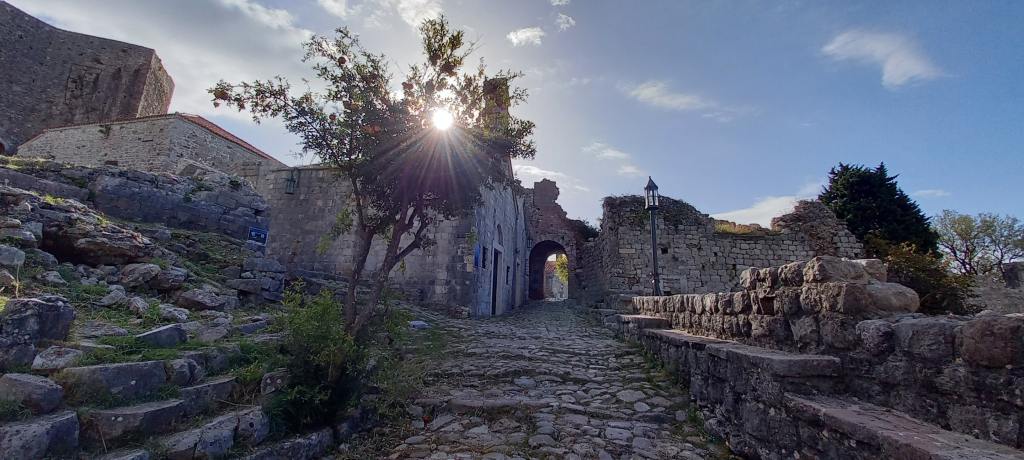
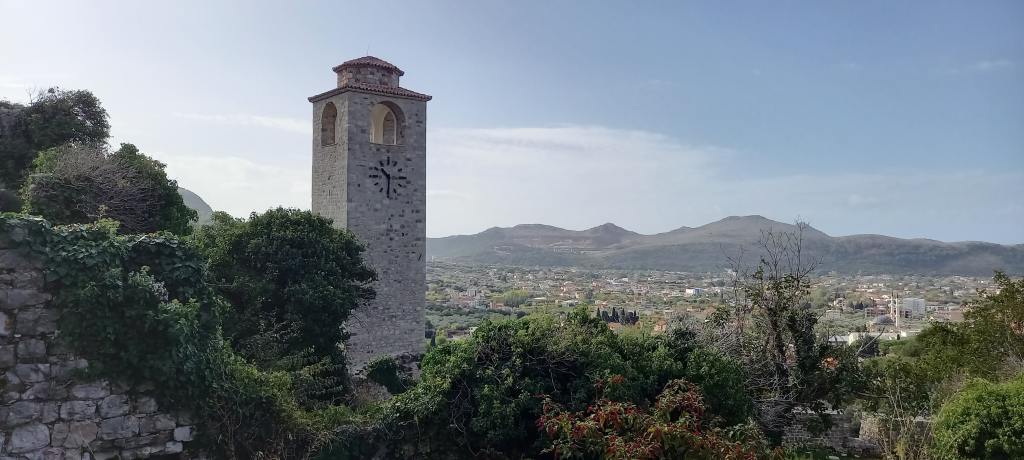
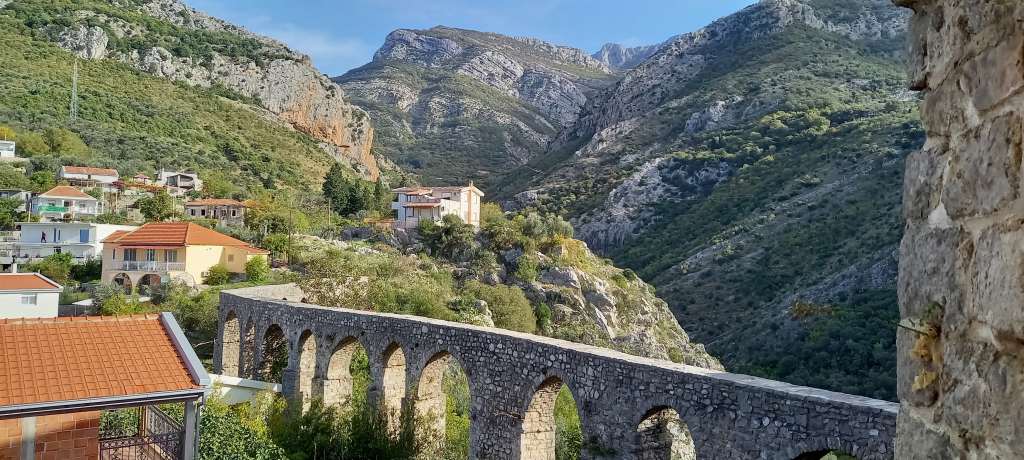
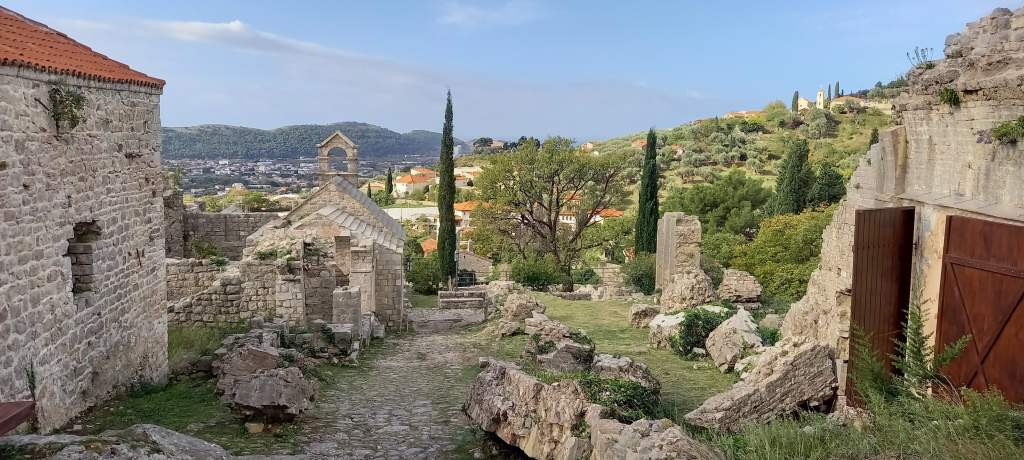
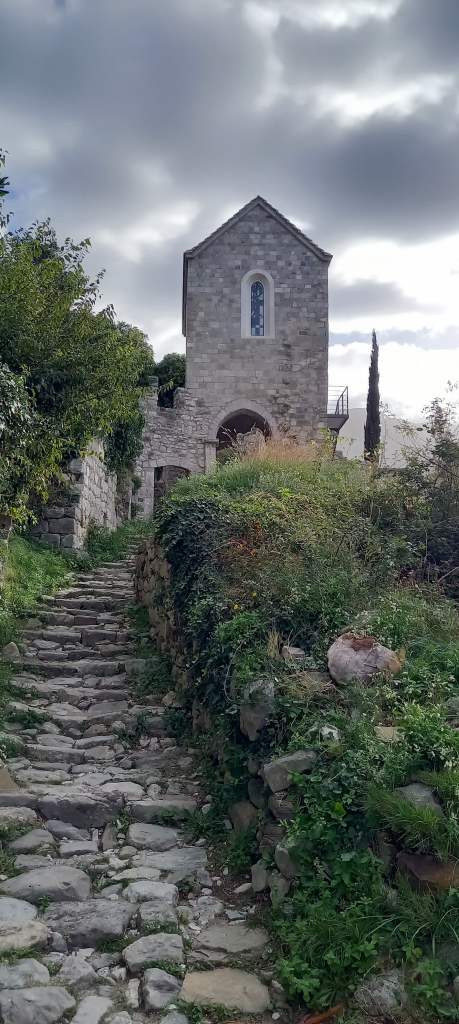
But before that, I spent the morning in fascinating Stari Bar, a short bus ride away from my accommodation on an hourly bus. “Old Bar” was originally founded by the Romans, and then passed through Byzantine, Venetian and Ottoman hands before the Montenegrins gained it in the late 19th century. I found it particularly fascinating to learn that the old name for Bar, Antibarium, derives from the fact the settlement was founded on the opposite (“anti”) side of the Adriatic Sea to Bari in Italy, or Barium in Roman times, hence “Anti” Barium, and then later just “Bar”. Stari Bar is today of national Montenegrin importance for also being the capital of the old medieval kingdom of Zeta from the 12th to the 15th centuries, an old South Slavic state considered the predecessor of modern-day Montenegro, and the country seems very proud of this. Stari Bar was unfortunately destroyed by an earthquake in 1979, with the population being forced to move to the nearby port city of Bar. Since then efforts have been made to reconstruct the place, and it really is a gem to explore, with the most famous attractions being its Clock Tower, strikingly impressive aqueduct, and the recently-restored tower of the 14th century St Catherine’s Church.
After a bus back to Bar and its bus station and a filling lunch of chips, mayonnaise and an espresso at the bar next door, I was ready to take another bus 40 minutes south to Ulcinj, as mentioned earlier. This was another really fascinating place, and I really enjoyed my four hours there of wandering. It definitely had a strong Albanian flavour, as I walked past a pumping wedding party at a local bar, with wedding guests filling the place to the brim, all bobbing up and down together to a crooner in the middle accompanied by a saxophonist, and ladies all wearing a headdress with gold circles hanging down and spinning with their heads. Very exotic!
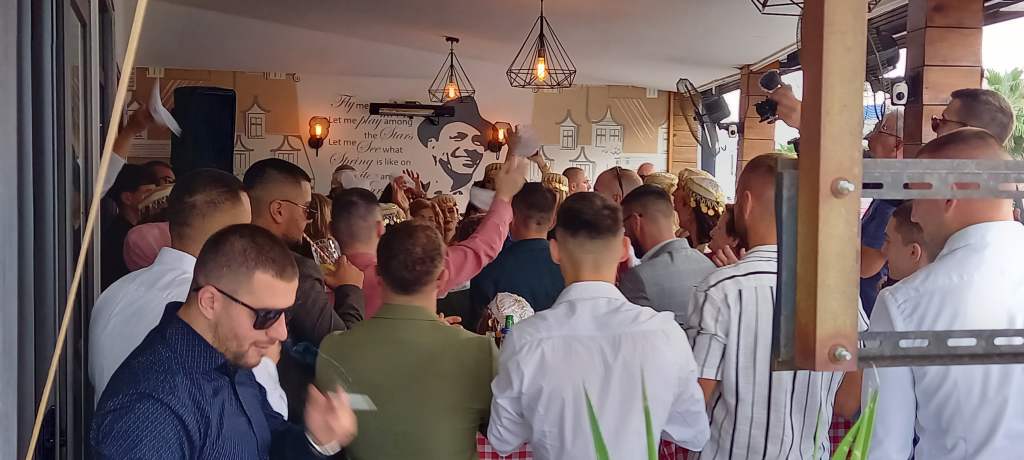
I think I saw the same wedding party a couple of hours later as a convoy of around 20 flash cars driving around town, beeping their horns, and flying a large Albanian flag. I remember seeing something similar around 20 years ago in Macedonia, and it seemed to reflect a desire held by a number of people in these parts to create a “Greater Albania” to include not only Albania and Kosovo, but also parts of Macedonia and Montenegro. I’m not sure if the local Montenegrin people would feel happy about this, which I sensed also in Macedonia.
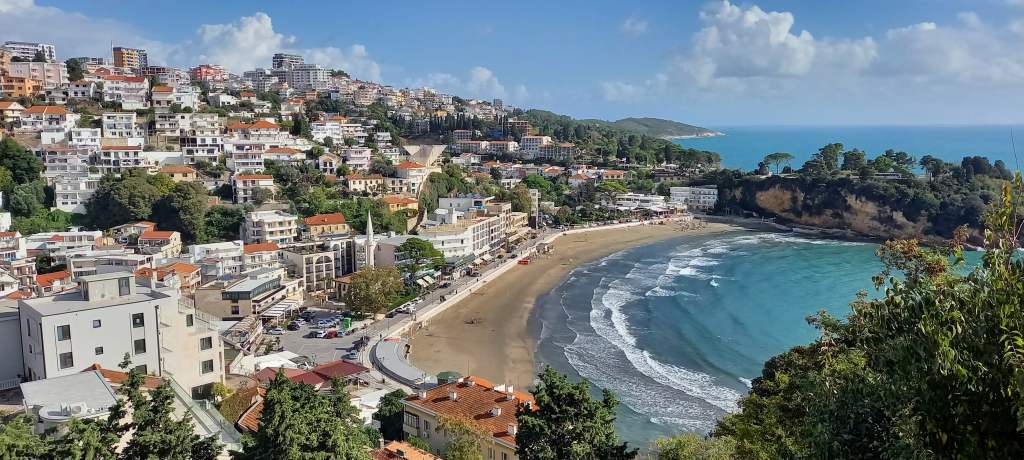
In Ulcinj, I headed to explore its fantastic and very authentic Stari Grad (there are a lot of “Old Towns” in this country!) of Ulcinj, via this time another wedding at an Orthodox Church called St Nikolai, just outside the city walls. It seems all couples were at it on this day, maybe it’s a Saturday thing!
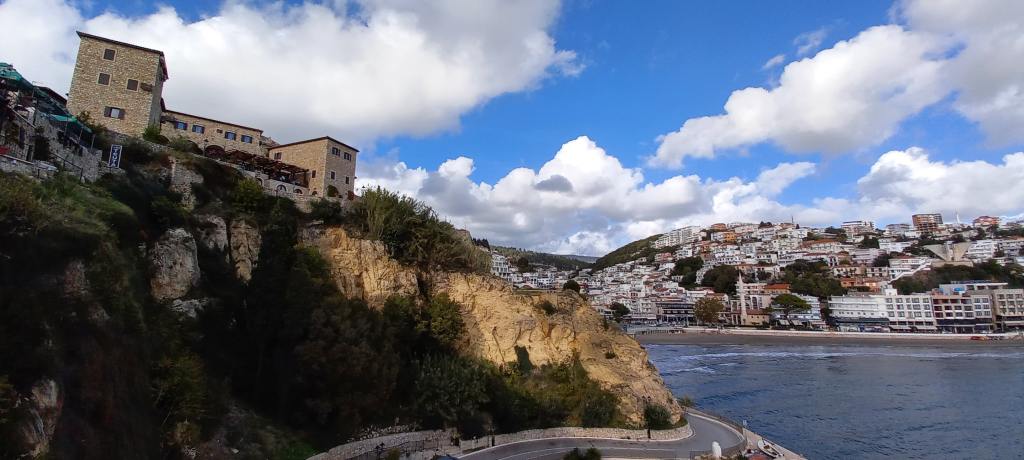
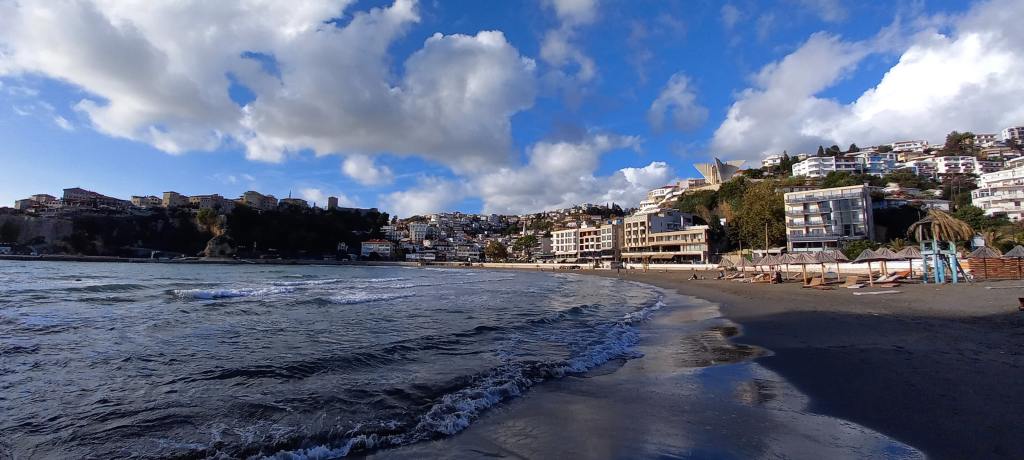
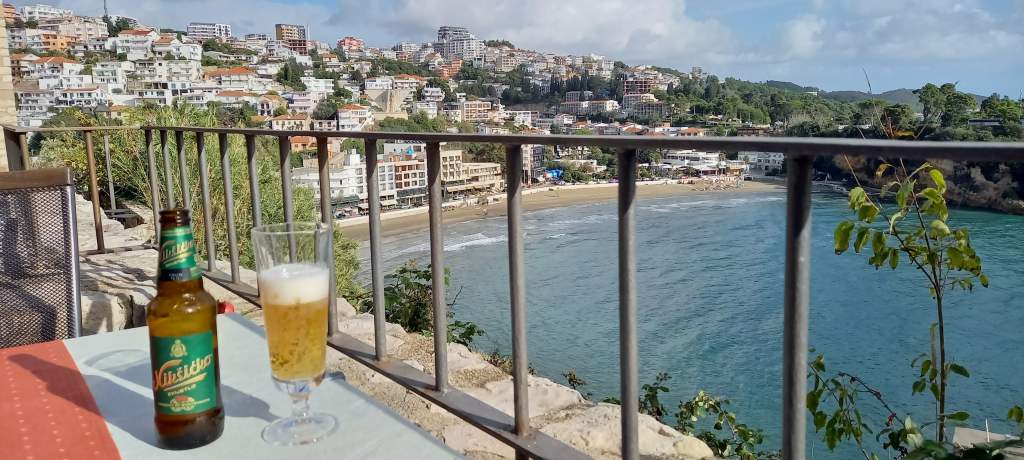
Also explored the Ulcinj Museum of Local History up there, spreading through several old town buildings, and the old citadel atop a rocky outcrop overlooking the stunning curved beach below from its western headland. Enjoyed a beer on a terrace of the Hotel Palata Venezia with the best view of the beach and bay below, before heading down for a walk along its sand and getting a taste of the Adriatic part of the all-encompassing Mediterranean Sea. After a short stint on a sunbed catching rays, I had a Snickers and Dubai Chocolate ice cream, before heading back to the bus station for my final bus of the day back to Bar and my accommodation again. It had been a really lovely day of southern Montenegrin coastal explorations.
Oh my goodness, boy did it rain the next day! It chucked it down for most of the morning until just after lunchtime. I felt really blessed to have dodged the worst parts, and the times when I was out in it, it was fortunately very light – that is, the walk from my accommodation in Bar to the bus station, and then again from the bus station in Budva to my accommodation there. Distances here in this tiny country are really short, and it was only an hour between the two cities. I met an older American travelling gentleman on the way, who I felt was a special person to talk with – a wise man, full of knowledge and understanding of the world, and pretty much living his life completely on the road. This isn’t something I would do as I still like to have my base, but it was definitely a connection that I feel was meant to be.
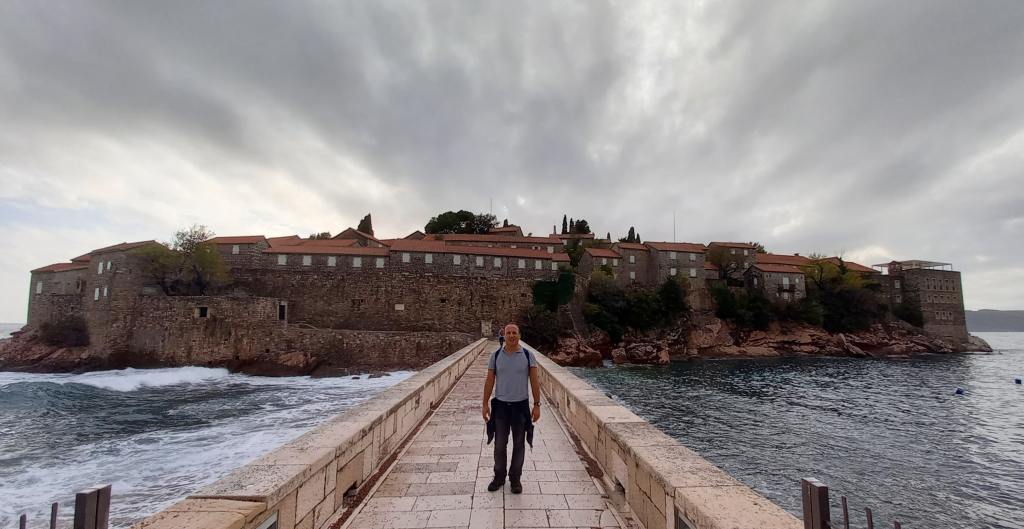
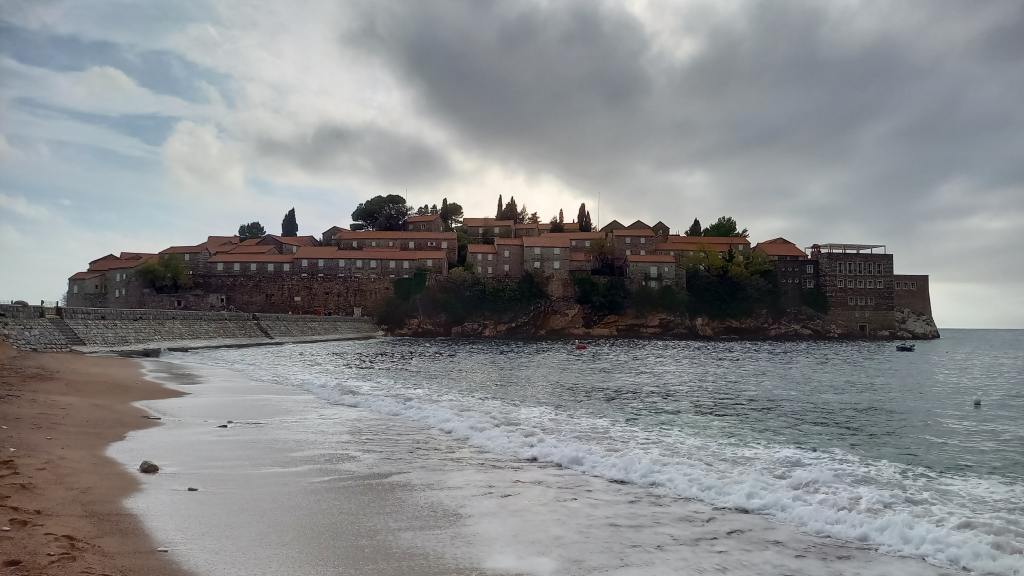
After a short rest in my comfortable, private and friendly homestay-type accommodation a short walk from the centre of Budva, I took a bus six miles back down the coast the way I had come to view the absolutely stunning and very unique Sveti Stefan. This is an offshore island linked to the mainland by a short, narrow causeway, originally built on in the 15th century as a fortified fishing village by the local Slavic people who found it a good place to defend against the Ottoman invasion. It apparently held out against them throughout the Ottoman rule until their demise in the 19th century, which I find incredible. In the 1950s the whole little island was converted into a high-end luxury hotel, until it closed down in 2020. It was and still is completely closed to the visitor due to something of a dispute between the landowner and the Montenegrin government apparently, yet it was still a sight to behold from afar. I actually think it’s nice that it’s not open to tourism to be honest, I think it would ruin the place if it were filled with cafes, bars, sandals and white socks!
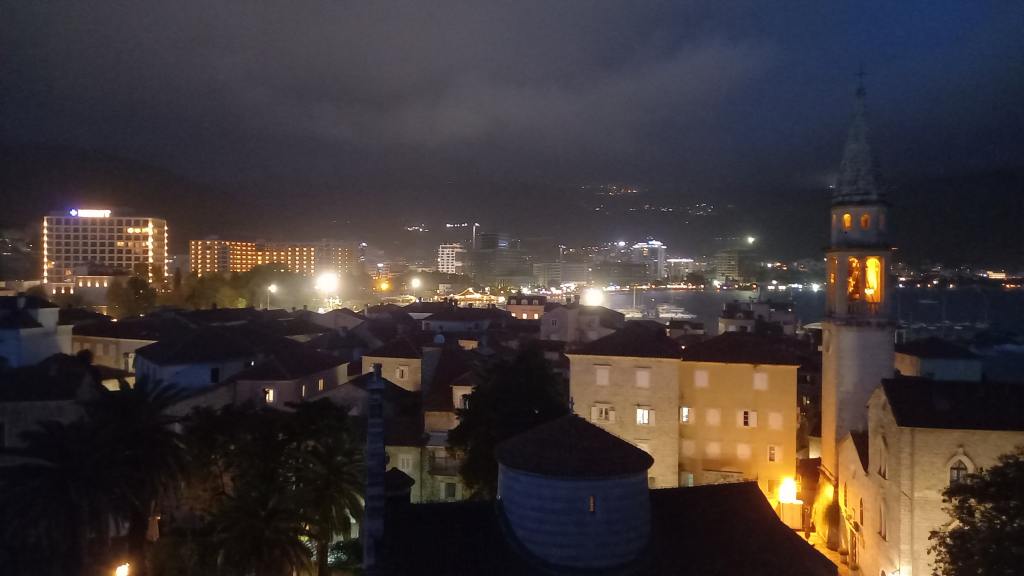
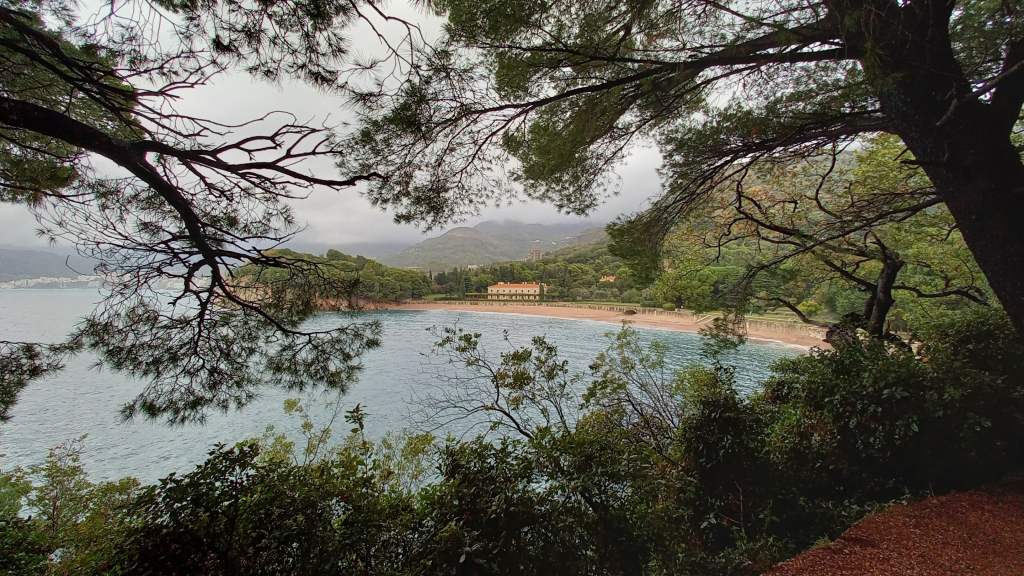
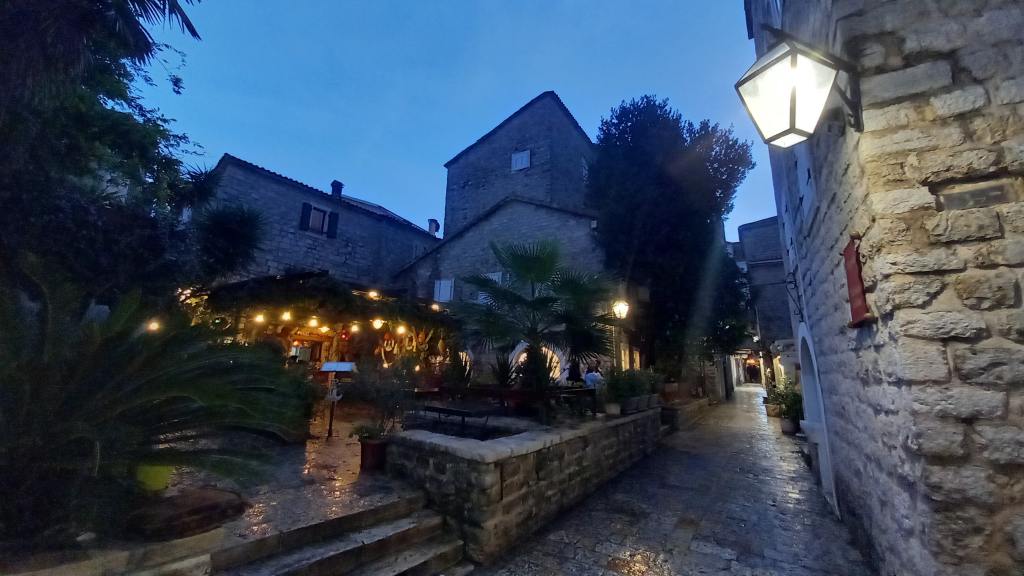
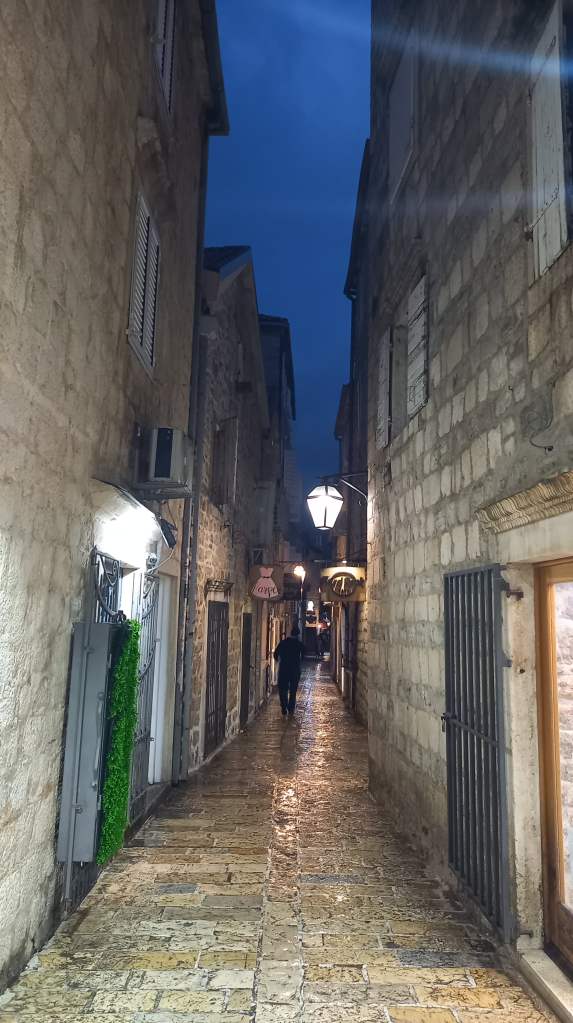
I then had a lovely walk along the coast and through the nearby beaches and grounds of the 19th century Vila Miločer that once belonged to the Serbian royal family in the 1930s, until they were exiled by the communists. The bus back to town took me to explore this time Budva’s own Stari Grad – there are certainly a lot of Stari Grads along this stretch of the coastline, testament to both a military past, and a Venetian one too. This one had beautiful narrow lanes, not so well lit-up in the darkness that had just fallen, and I pretty much had the Citadel and its attached museum and library all to myself, which I of course loved!
I wasn’t too keen on Budva to be honest. While it is Montenegro’s third biggest city (with a tiny 20,000 inhabitants!), it is also the tourist hotspot of the country, and is apparently filled in the summer with holidaying Serbs, Russians and other East Europeans. As such, it is high-priced, and had the only rude service people I’d met so far in this country, mostly the ladies working in shops and kiosks. Long may the rest of the country remain free from the negatives of modern tourism, with its concomitant high prices and surly locals that this often entails. I walked back to my accommodation with a takeaway dinner from the rather posh restaurant attached to the bus station, one of the few places open on this Sunday. Much of the service sector throughout the country is actually closed to observe the Christian Sabbath, which seemed to me a bit of a foretaste as to what was to come on my next trip, during “Shabbat” in Israel!
I absolutely loved these past few days exploring Montenegro’s beautiful and fascinating coast! The next day I was heading inland a bit, and then on to the very famous Bay of Kotor, claimed by many to be the only fjord in southern Europe. More on that in my next!

 Alex Waring's Travel Blog