29th October 2025
I had so many great days travelling through Montenegro, and this one was one of them – off-the-beaten track again, and very much my favourite place to be! After checking out of my accommodation in Budva for just one night, I took a morning bus away from this busy tourist hotspot to explore nearby Cetinje, about ten miles inland and 650 metres above the coast below via a switchback road heading straight up into the mountains behind. While I was in Budva outside of the tourist season, it still had that vibe where loud tourists clash with rude locals in the service industry – not my cup of tea. Met and got talking to a fantastic fellow teacher from Canada currently working in Berlin, as we were held up at the bus station by the bus being delayed due to nearby road works. I felt a good connection with him, and we shared the journey from Budva to Cetinje where I alighted while he was carrying on to Podgorica and the airport to fly back to Berlin.
While seemingly overlooked by tourists, Cetinje was a fascinating place to explore, and while pretty much unknown to the outside world, it seems to be somewhat of a historical, cultural and spiritual heart of the country. Founded in 1482 by the ruler of the Zeta state, Ivan Crnojević, to escape and hold out against the invading Ottomans who had taken over the lowlands around Bar and Lake Skadar, the city subsequently became capital of Montenegro until it became subsumed by federal Yugoslavia in 1918 and the capital was reluctantly moved to Titograd, modern-day Podgorica. As such, not only did it hold out against the onslaught of the Ottomans for nigh-on five centuries, its position right at the foot of Mt Lovćen which as mentioned in a previous blog gave rise to the country’s name “Black Mountain”, along with being home to impressive stately homes, palaces and former international 19th century embassies, all seem to have combined to leave behind this absolute gem of a city at the centre of all things Montenegrin, and billed the country’s “royal capital”. It is indeed a wonder that it does not get more visitors.
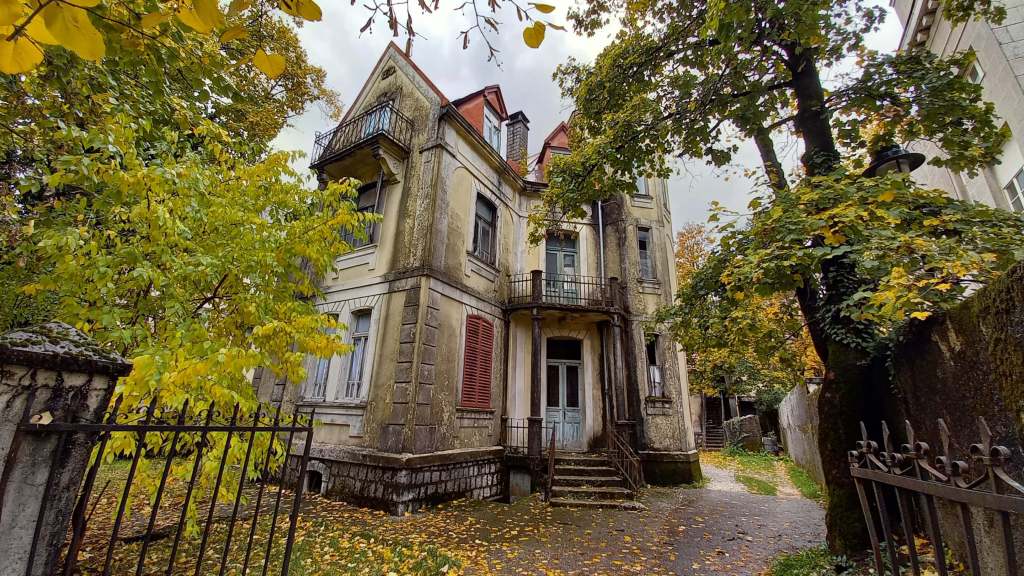
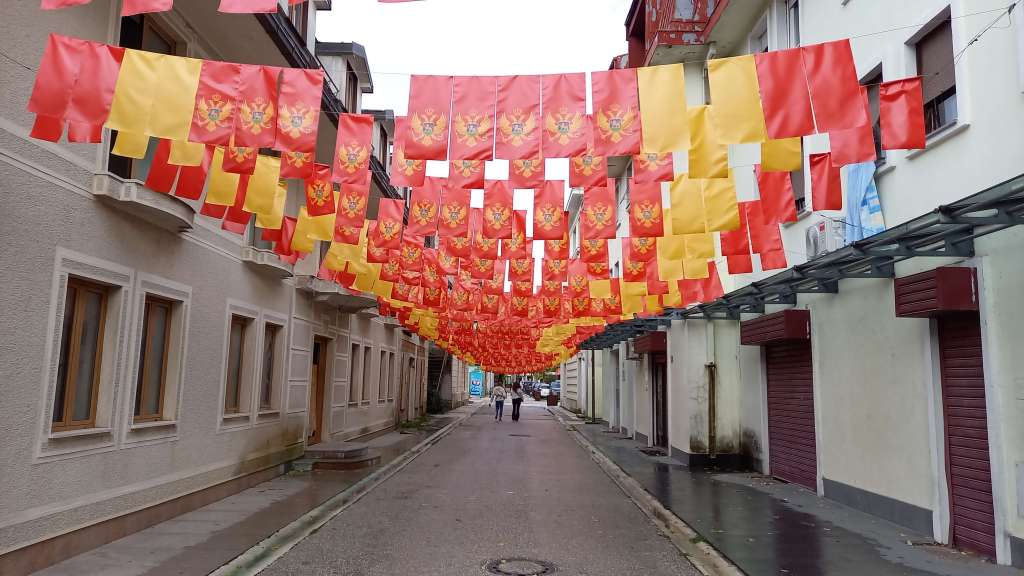
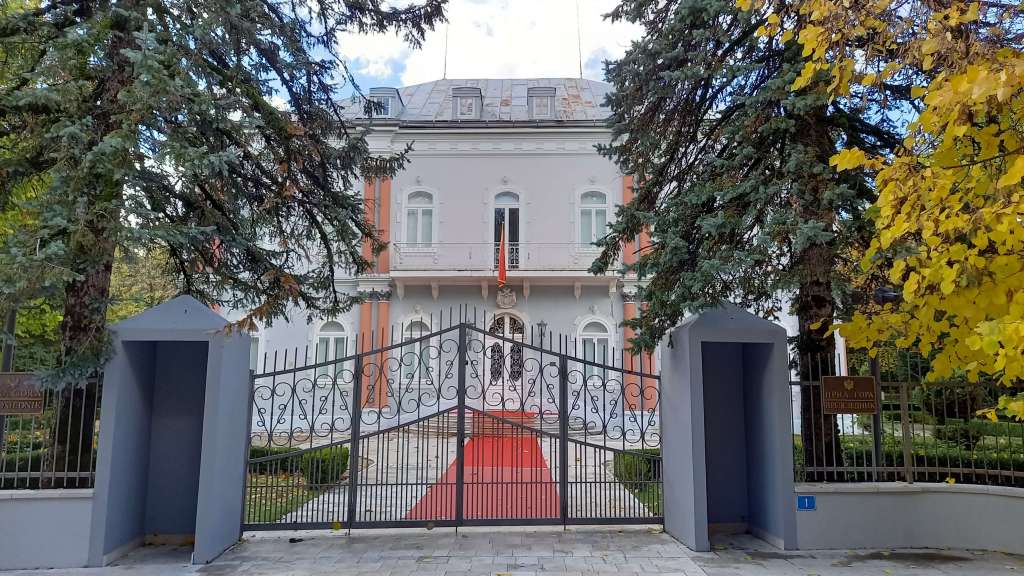
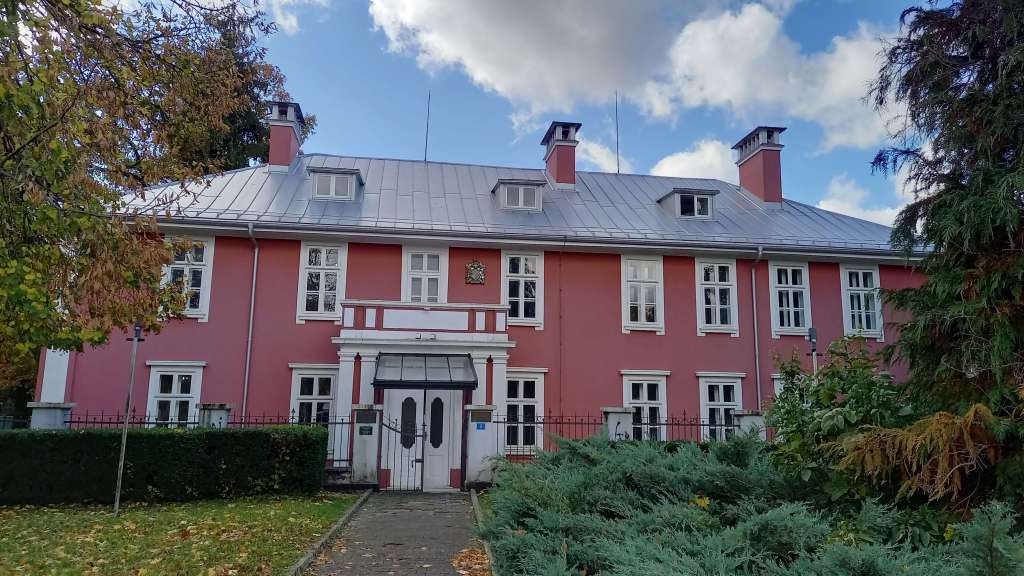
Wandering around town was an absolute delight, with every other building standing regally yet humbly amongst its tree-lined streets, walked on by friendly locals going about their ordinary lives. Old buildings of note included the Blue Palace, which is in fact the Presidential Palace of Montenegro even today, and even the former British Embassy, still with the British Coat of Arms on display. I could very much have spent two days there I think, as while I did spend the full day in and around the place, I didn’t even touch upon its many museums and art galleries, of which four museums and two galleries stand out and are known collectively as the “National Museum of Montenegro”.
After a delightful walk around town, I negotiated a deal with a taxi driver at the bus station for a return trip up to the top of nearby Mt Lovćen, 1749 metres above sea level. It just felt right to reach the peak of this mountain which to my mind captures the very heart and soul of this country, both historically and today. It is also the final resting place of a chap called Petar II Petrović Njegoš in his Mausoleum up there, where he can gaze down for eternity over the land and people which consider him their founding father. Also often referred to as simply Njegoš, he was both a poet and a legendary prince-bishop who ruled Montenegro during its glory days of the 19th century. Such are the people’s love for him that they created this magnificent memorial for the man which felt to my mind a modern day version of an Ancient Egyptian Pharaoh’s tomb.
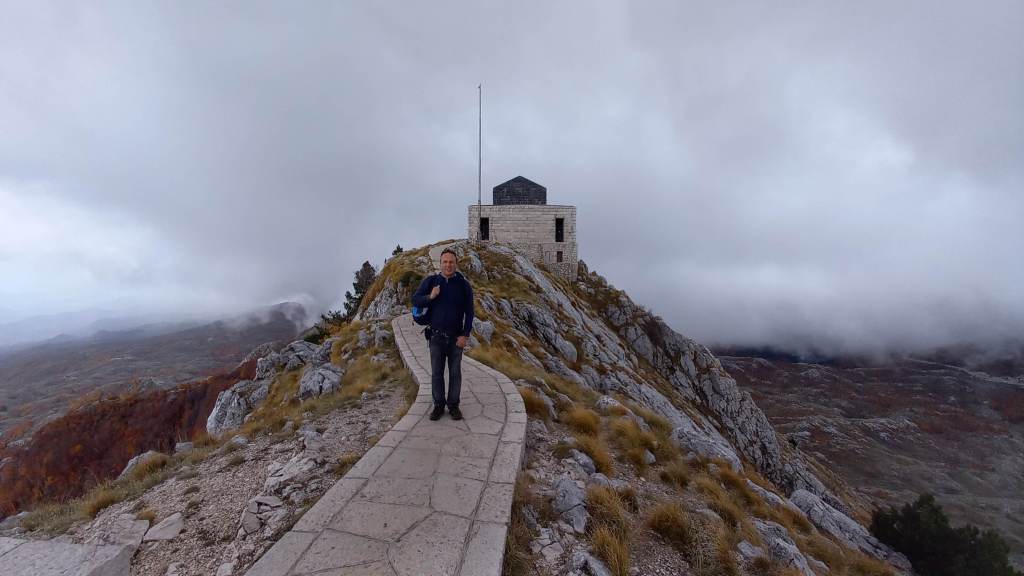
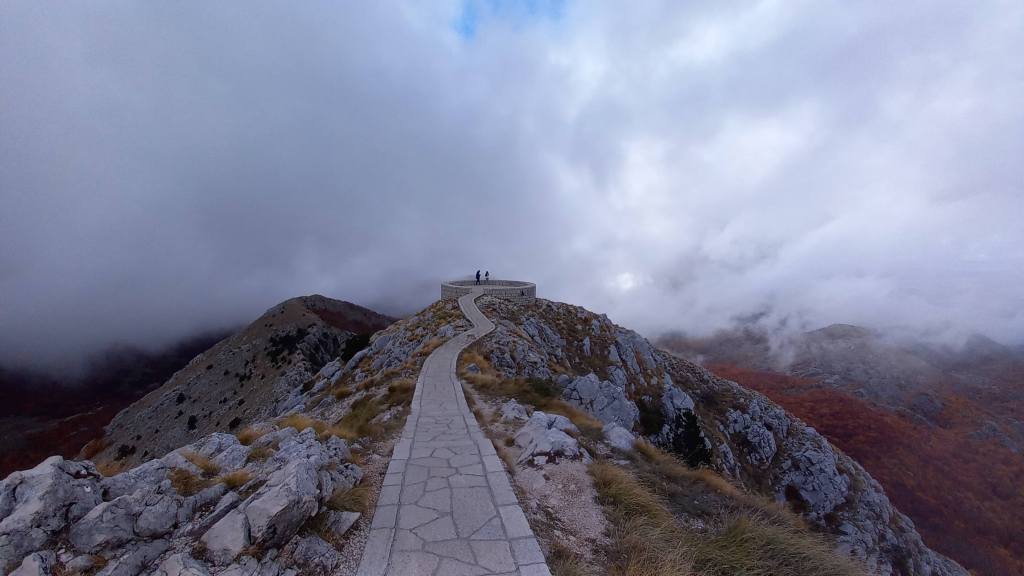
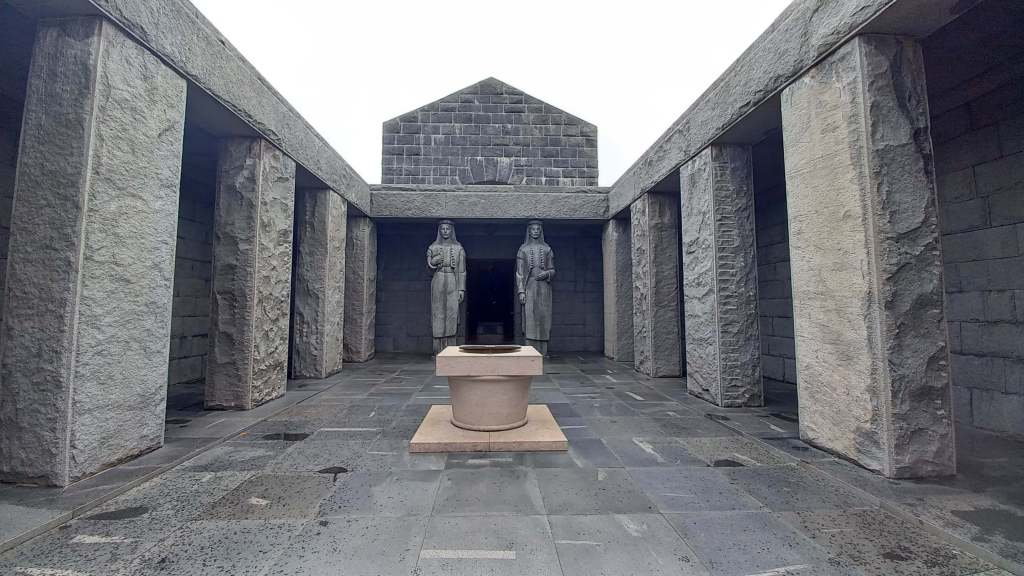
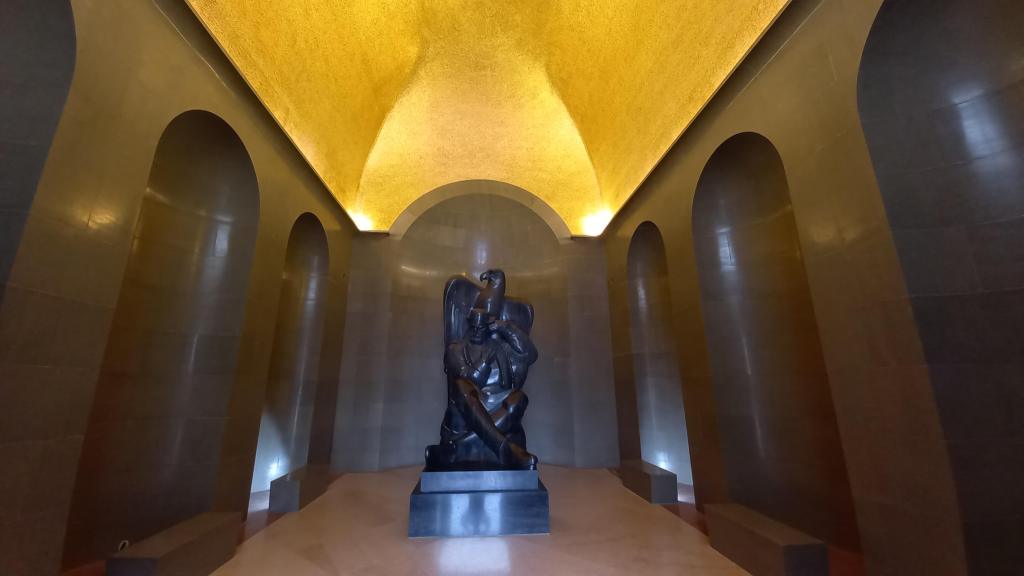
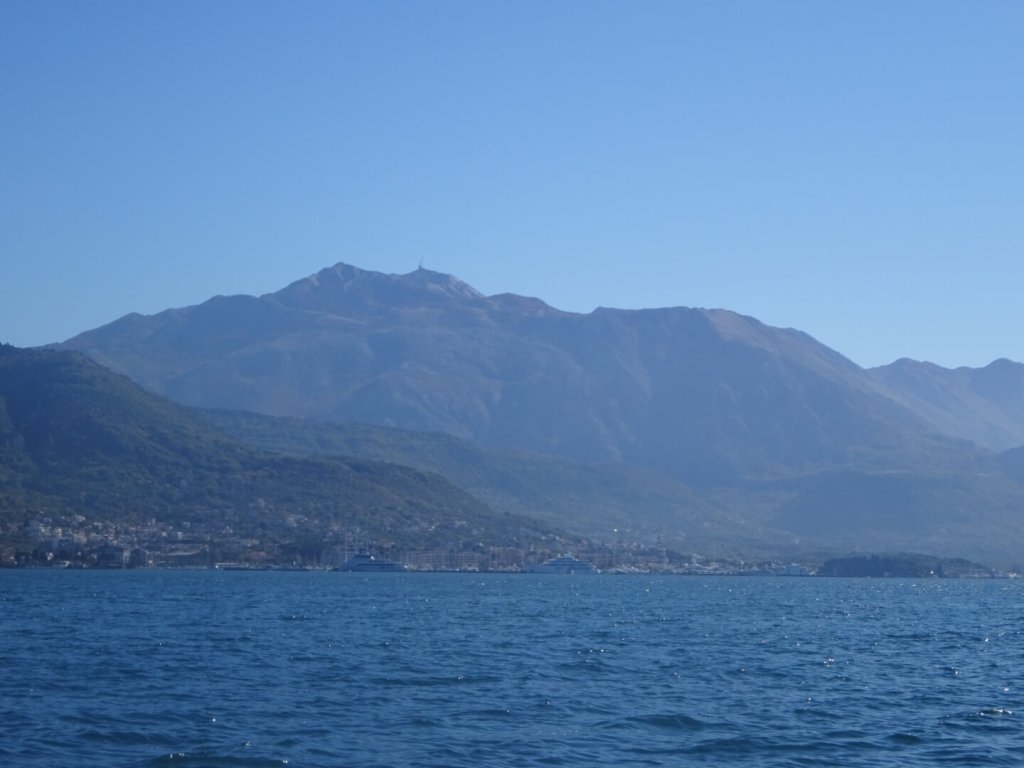
After climbing 461 steep steps and passing between two granite giantess guards, you enter the solemn space fronted by a 28-tonne statue of the man resting in the wings of an eagle, under an 18-carat gold mosaic canopy. Steps lead downwards from this room to the tomb itself, while a further path leads out onto a terrace with seriously impressive 360˚ views, including westwards over the Bay of Kotor, southwestwards over the Mediterranean Sea, southeastwards as far as Lake Skadar and even Albania beyond, and eastwards into the mountainous and rugged heartland of this stunning little country. It really was an impressive place, and I was glad I took the time to head up there. It was mightily freezing with a stiff wind and rain though. While the taxi driver left me to walk the final kilometre to where the steep steps began, I fortunately managed to hitch a lift from a group of three young travelling French guys I did the boat tour with back on Lake Skadar – small world, and a stroke of good fortune to escape the worst of the weather and climb.
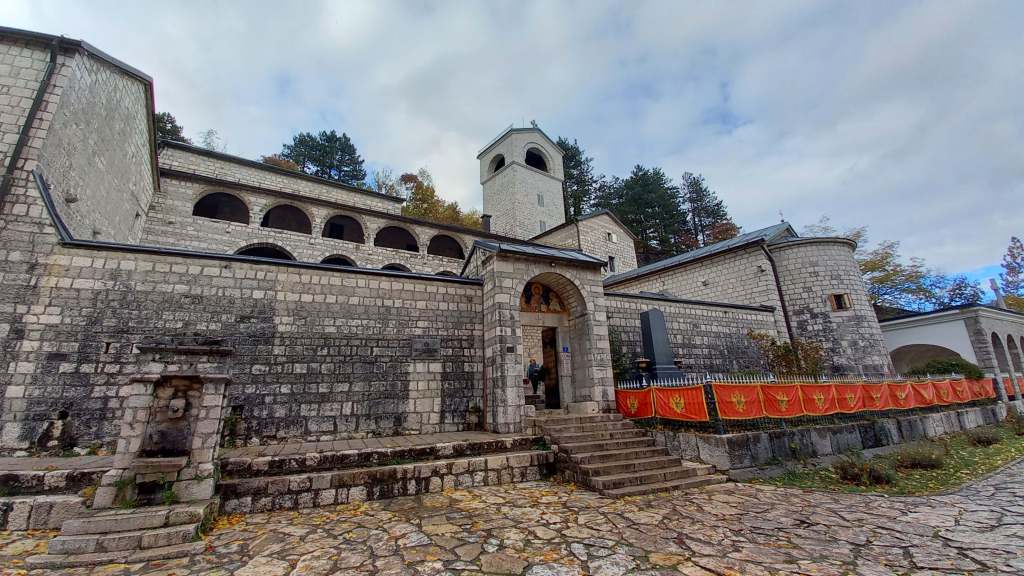
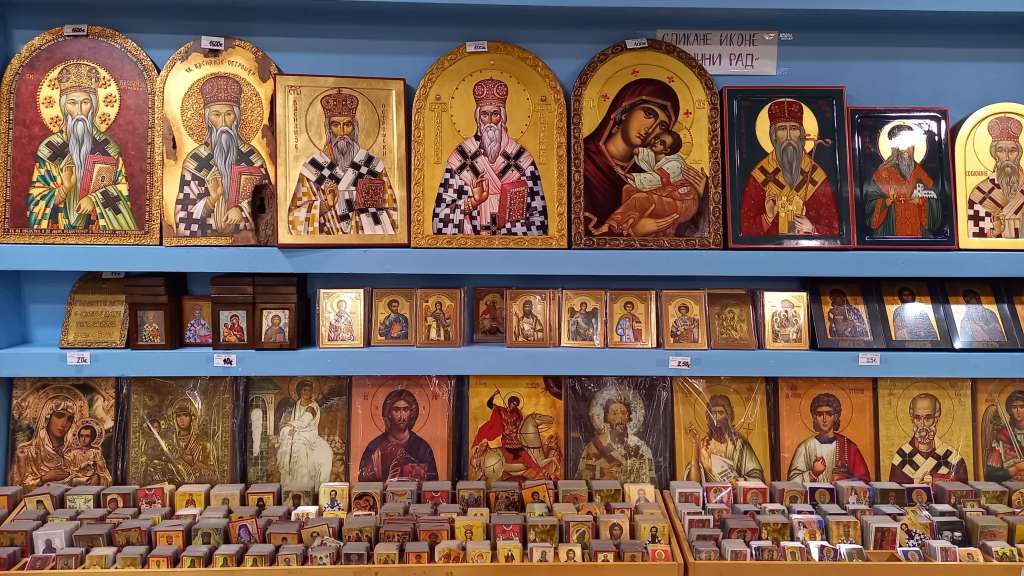
Back in town again and at a decent temperature once more, I visited the serene Cetinje Monastery dating back to the 15th century, where I felt inspired to buy a beautiful icon of St George, perhaps in advance recognition of my plans to visit the country of Georgia this time next year. I actually felt quite reluctant to leave Cetinje having only explored around half of this magical city, but my journey took me ever onwards as I boarded another bus back once more through Budva and thence on to Kotor, my final stop on this Montenegrin adventure and my base for the next three nights. I had chosen my accommodation well, a small detached cottage a short walk from both the bus station and old town, with bedroom, living room, kitchenette and bathroom, on the property of a friendly local family with an absolutely adorable dog who made me feel very welcome! I settled in for a cosy evening with the heating on, a glass or two of brandy, a nice meal from the nearby supermarket, and the first Twilight film on TV – lovely!
The next day I did a wonderful day trip out of Kotor, ticking off a number of top Montenegrin sights in one fell swoop, which was perfect for my comparatively short visit to the country. The tour started out at an early 7am from the old town not far from my accommodation, for a 12-hour day that was so worth it. It was myself, a couple of Chinese girls, two Polish ladies, a Russian lady, and a really irritating Australian older lady who I’ll refer to later, along with a guide who I found haughty and proud, and with whom I clashed somewhat later. It was still a great tour though!
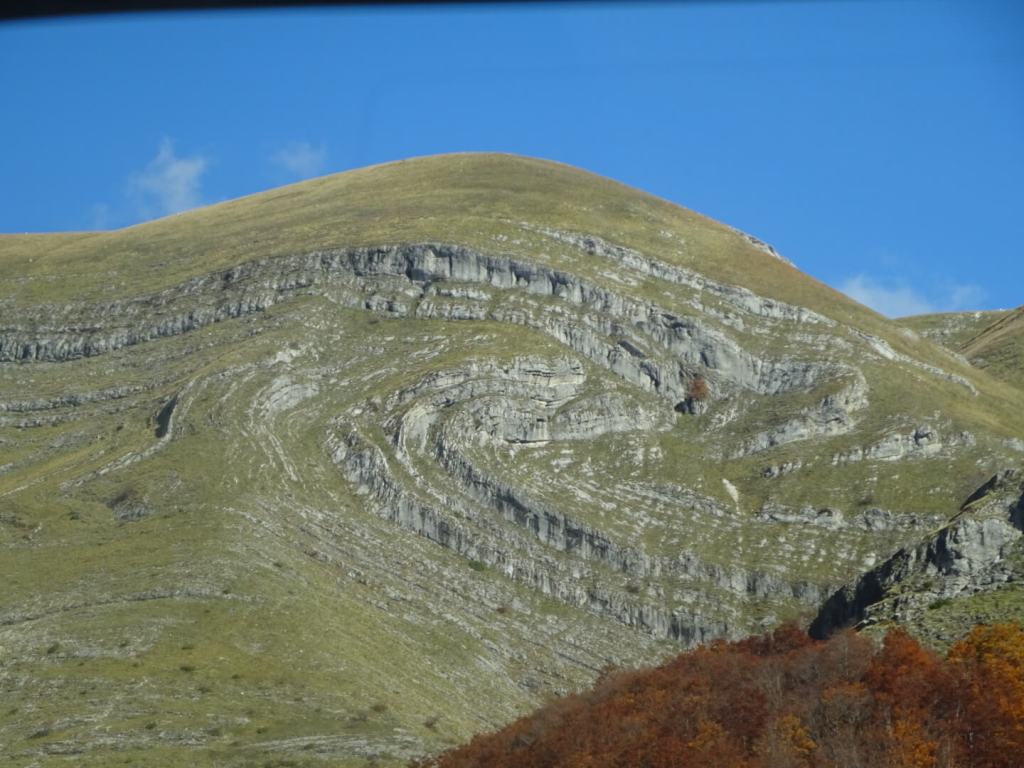
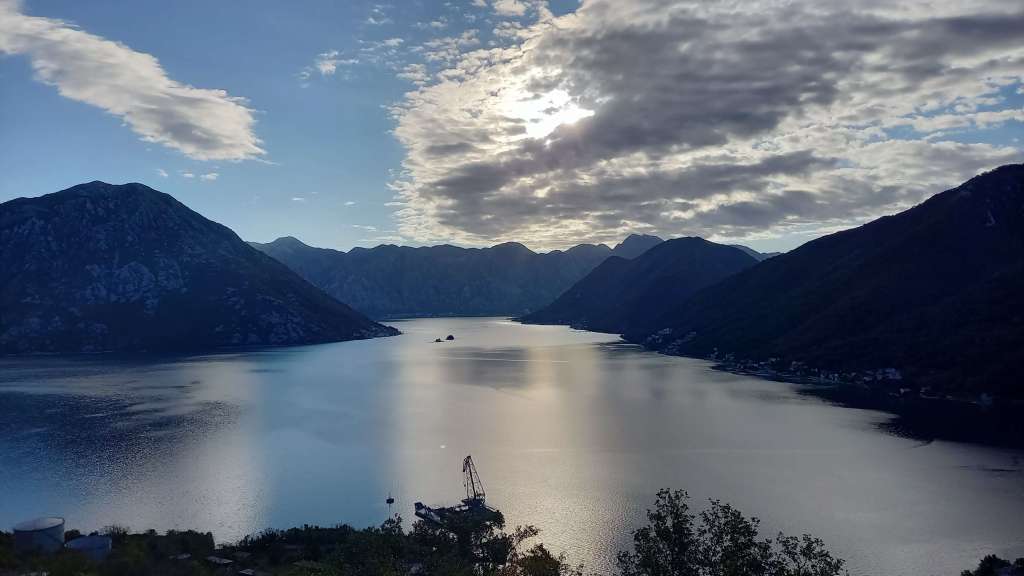
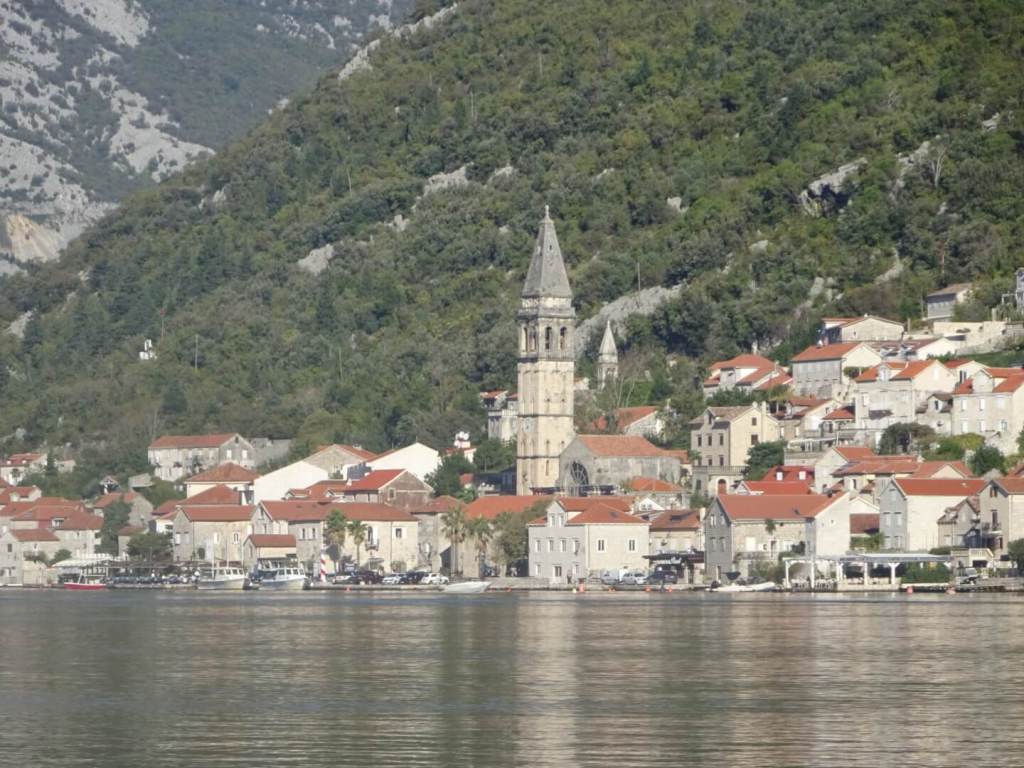
We first stopped off at a couple of places for views around the beautiful Bay of Kotor, which technically is not actually a fjord as it was created by the sea and not a glacier, though it sure looked like a fjord to me! Out of a national Montenegrin coastline of approximately 183 miles, 66 of those miles are around this beautiful “fjord” with two main bays and lots of little inlets. The first view was over the old 17th century Venetian village of Perast towards the artificial island of Our Lady of the Rocks, whose manmade construction dates way back to 1452 and whose original purpose was to protect sailors from the rocks below with its lighthouse and intercessions from the Virgin Mary to whom the island and small church on it is dedicated – more on that below. We then headed up to a stunning, far-reaching viewpoint high up over the gorgeous bay as we climbed out of the fjord and up its steep-sided slopes via a few switchback roads – the glistening blue water was particularly memorable up there.
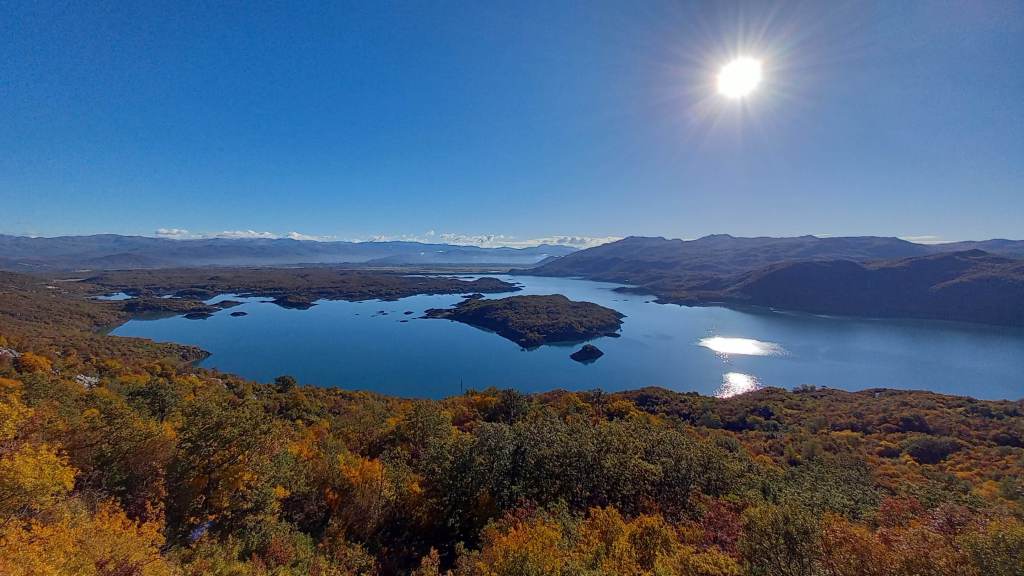
Next up, we stopped at Nikšić, Montenegro’s second city and home to around 70,000 people as well as its national beer Nikšićko of which I had tasted quite a bit thus far! Our stop there was just outside the city, with another beautiful view over its three surrounding lakes which I imagine make it a nice place to live.
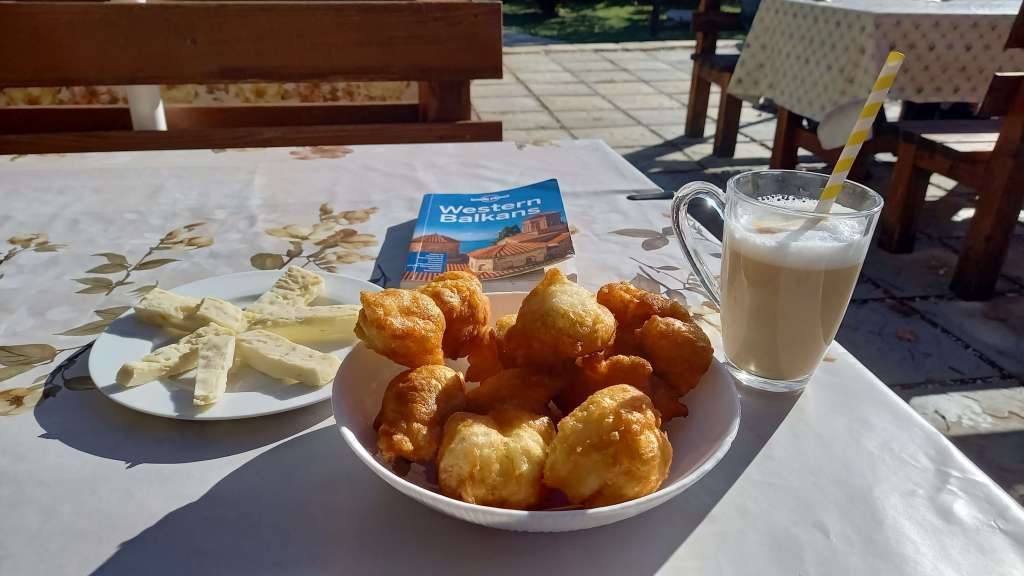
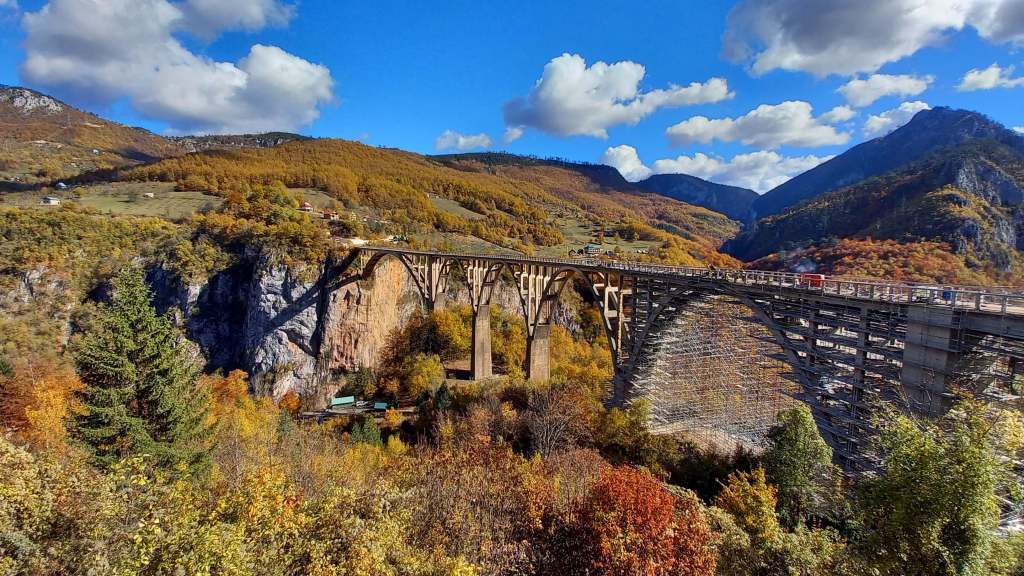
After breakfast of a delicious local delicacy of deep-fried dough balls and homemade cheese in a nearby local eatery on the outskirts of town, we drove up to the country’s famous Durmitor National Park. There we stopped at the Tara Bridge spanning 365m, and standing 170m over the Tara River and Canyon below. This Canyon is in fact the deepest in Europe, reaching a maximum depth of 1,300m, and is locally known as the second deepest in the world after the Grand Canyon, although I’ve heard that one before in a few places including the Colca Canyon of Peru and the Blyde River Canyon of South Africa – maybe it depends on how you measure. I skipped the white water rafting and zip-lining, which appear to be the place’s main tourism drawcards, and opted instead for a simple walk there and back across the bridge itself, admiring the stunning views.
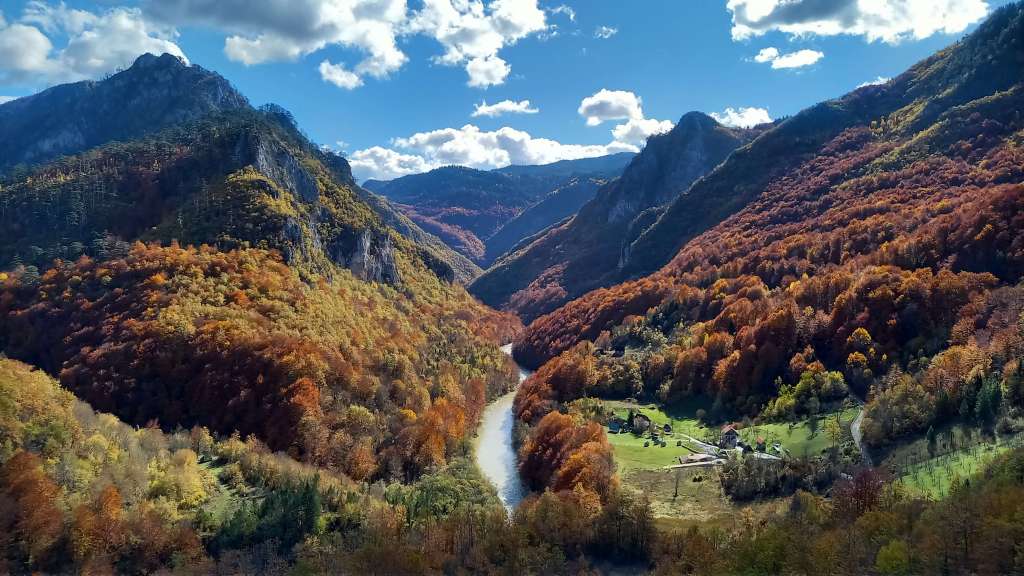
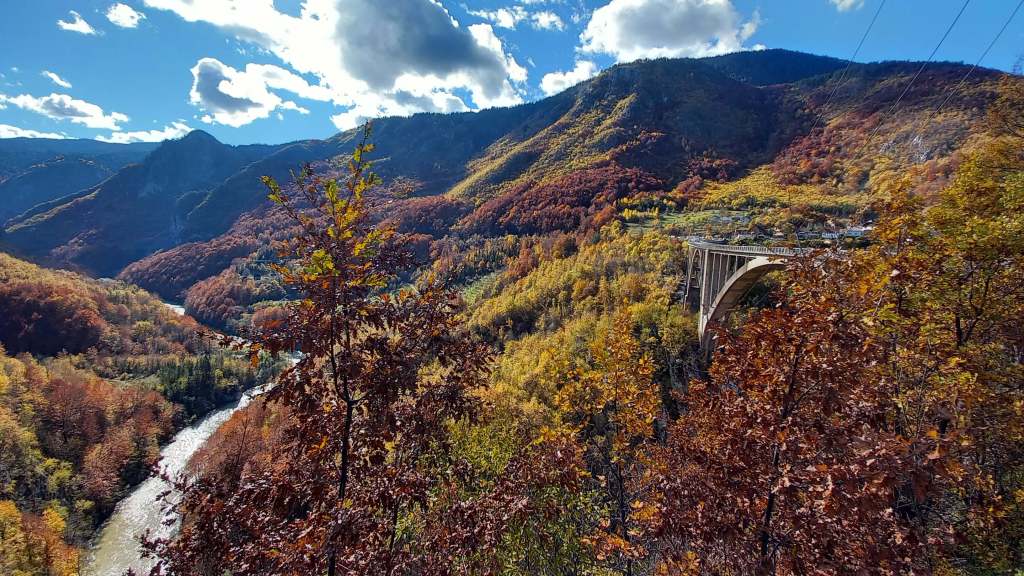
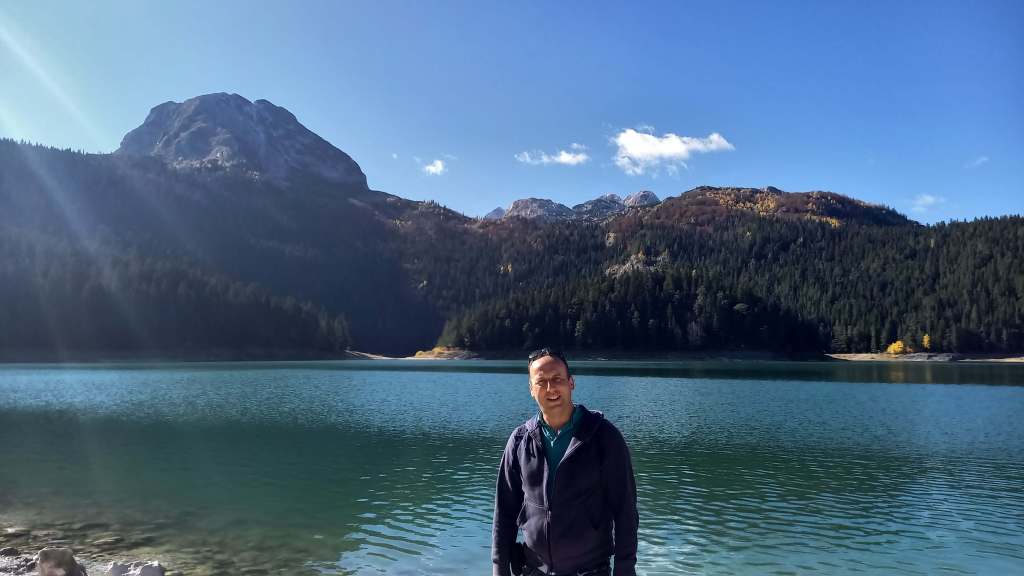
After this we headed to the beautiful Black Lake near the town of Žabljak, backed by the sheer and immense beauty of the Bobotov Kuk mountain. Enjoyed a walk around the lake, and bumped into a friendly English travelling couple and their dog who were also on my boat tour back on Lake Skadar, and who had been caravanning around Europe for the last year, vlogging as they go with a really interesting channel on YouTube which I’ve since been following.
Our group then headed to a local restaurant back in the National Park’s gateway town of Žabljak, where I enjoyed a delicious lunch of stuffed peppers washed down with a good-old Nikšićko beer.
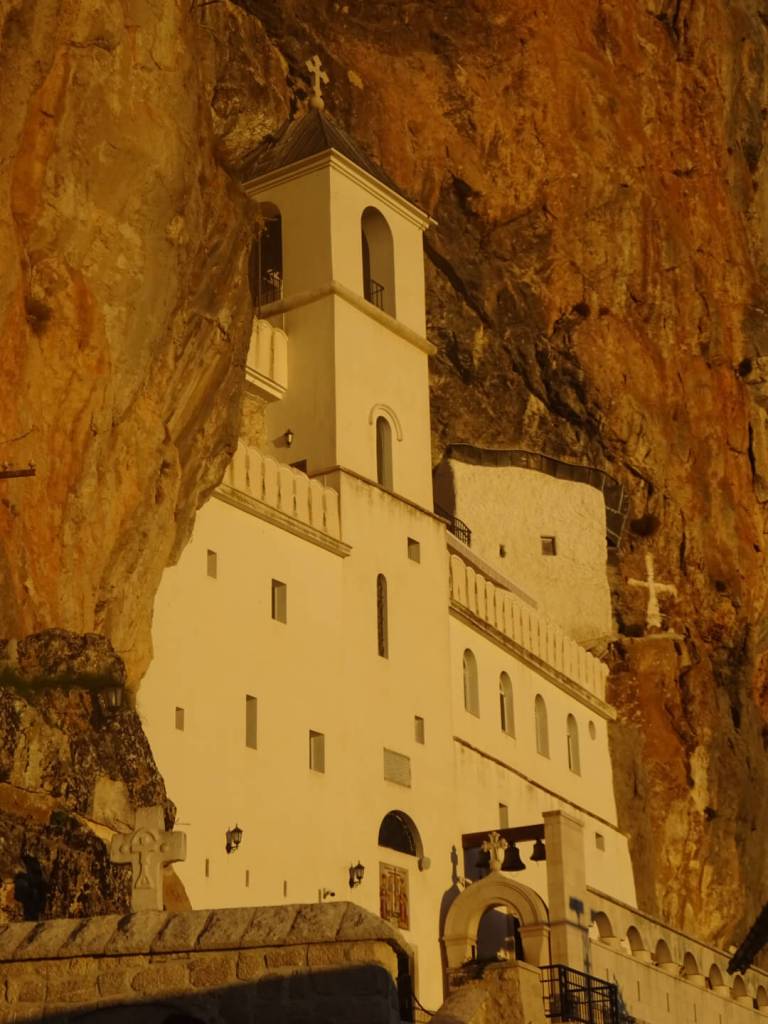
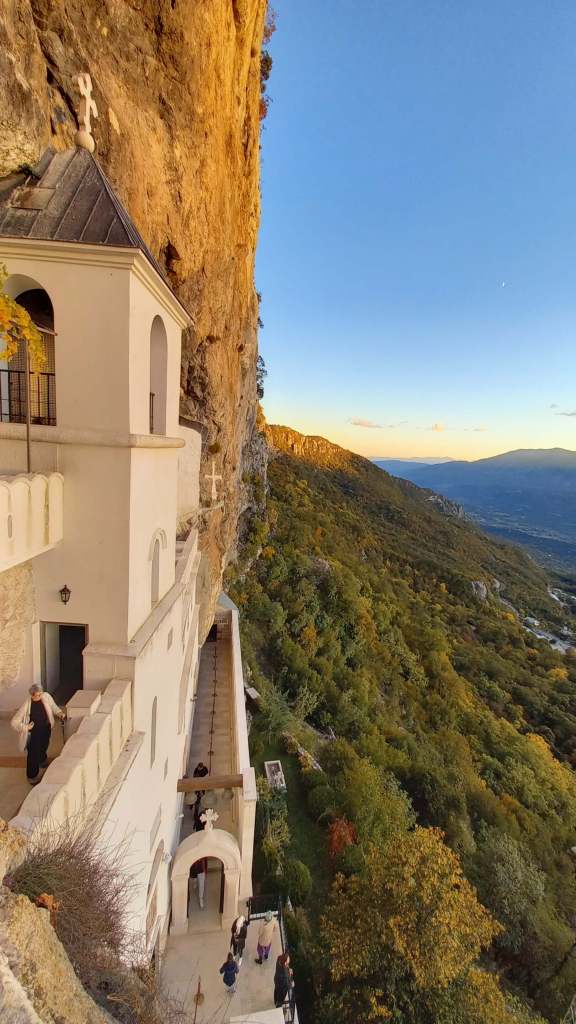
Finally, we headed to my favourite sight of the day, the stunning Ostrog Monastery, perched splendidly albeit precariously on the side of a sheer mountain cliff, 900m above the valley floor below – certainly not a place for those with vertigo! Built in 1610 by local legend St Basil, it is the spiritual centre of the country, and whenever there is an important religious gathering or celebration, thousands will visit the place and even stay overnight there. There are in fact several rooms full of blankets donated by pilgrims who have spent the night, often sleeping outside. The main place of reverence is an open cask covered by a veil in the tomb of the 400-year-old saint himself. Prayers were being read while I was there, and pilgrims were invited to kiss a cross and a relic attached to the cask which I did. I don’t think I’ve ever seen or done anything quite like that before.
It was certainly a busy day, and we had a late return to Kotor long after it had already gone dark. Despite this, it was so very worth it, and I was so pleased to have been able to see all these places which were very much on my tick list for the country. As mentioned though, I wasn’t too happy with the guide. His attitude was gruff, and he didn’t like answering questions. What irritated me the most though was on the way back, we made one of those stops you often get on tours in developing countries – this one involved taking us tourists to a smoke-filled dodgy-feeling local bar full of groups of men and saying it’s a toilet stop, but also making us feel we have to buy coffee and cake while the driver-guide sits there, chatting and smoking with his friends for half-an-hour. When I gave my feedback on this in the van in front of everyone, he became overly defensive, and I told him I was just offering him feedback which he had in fact requested, and that I didn’t need an explanation. He was very quiet after this and you could have cut the atmosphere in the van with a knife – I feel the rest of the group agreed with me, but they didn’t say anything. It would already be a late return to Kotor 12 hours later, and I don’t think anyone wanted that “toilet stop” either when there were even better toilets back at the Monastery 10 minutes earlier. I was glad I said this, and didn’t hold back in my tour review with reference to the guide – I wasn’t at all happy with his defensiveness when he himself had requested the feedback. He clearly doesn’t like constructive criticism.
I also just have to say here that I found the Australian lady on the tour really quite irritating as well. As with a similar lady on a tour back in Tahiti over the summer, whenever our tour guide explained something to us, she would often follow it up with a comparison and a long story about how things were back in Australia. Really irritating! Sorry love, but I came to Montenegro to find out about Montenegro, not Australia. She was also a right busybody, and I avoided her as much as I could.
Anyway, grumble over. Back in my accommodation I settled in for another lovely evening, after what had actually been an incredible day of explorations, despite the two irritating people.
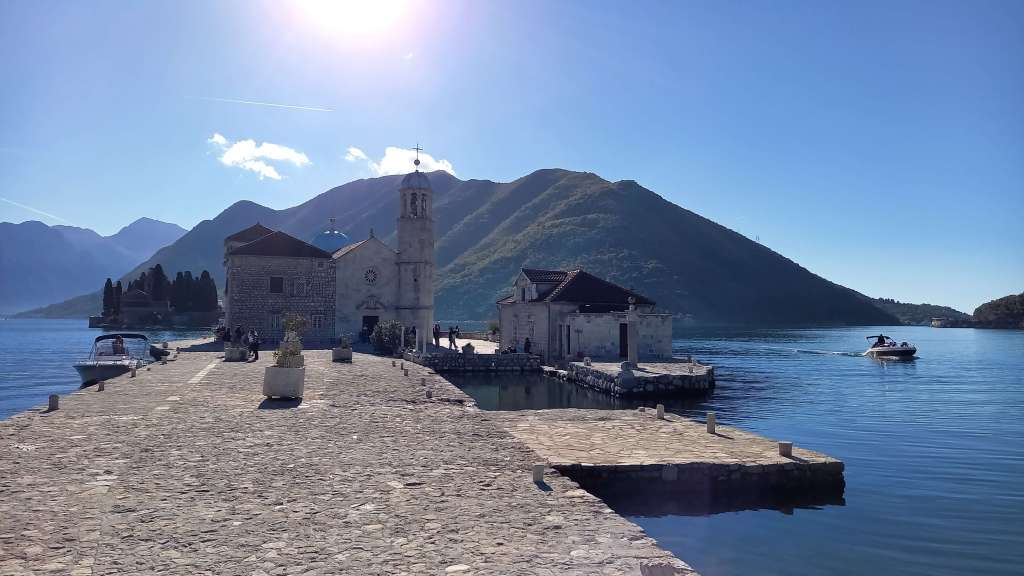
My last full day in Montenegro was another good ‘un! I think every day in this delightful little country was just fantastic to be honest! This one involved exploring the Bay of Kotor itself and its many truly beautiful Old Towns. First did a great speedboat tour on the waters of the Bay, actually stopping off this time on the church island of Our Lady of the Rocks, the one built on the artificial island seen yesterday at the beginning of my day tour. A lady tried to stop me entering the Church itself as there was a large group inside having a talk. Nah, sorry lady, that’s not gonna stop me from praying in a Catholic Church, especially as I’d also paid good money for this boat trip – I completely ignored her and carried on in. There were also good views from there of the small Venetian village of Perast a few hundred metres away on the mainland, with its tallest Venetian church tower on the Dalmatian Coast apparently – that of St Nicholas’ Church at 55m high.
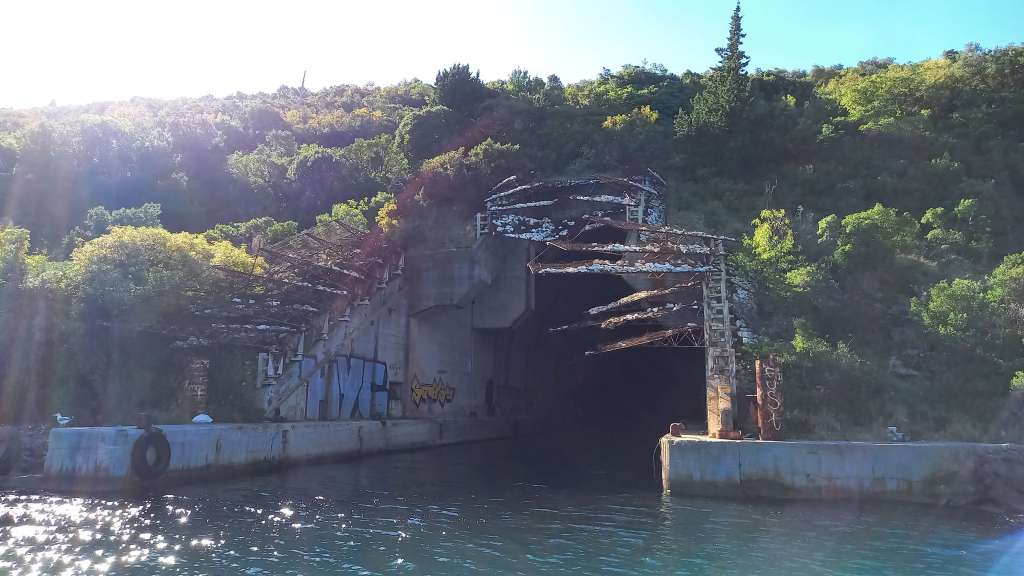
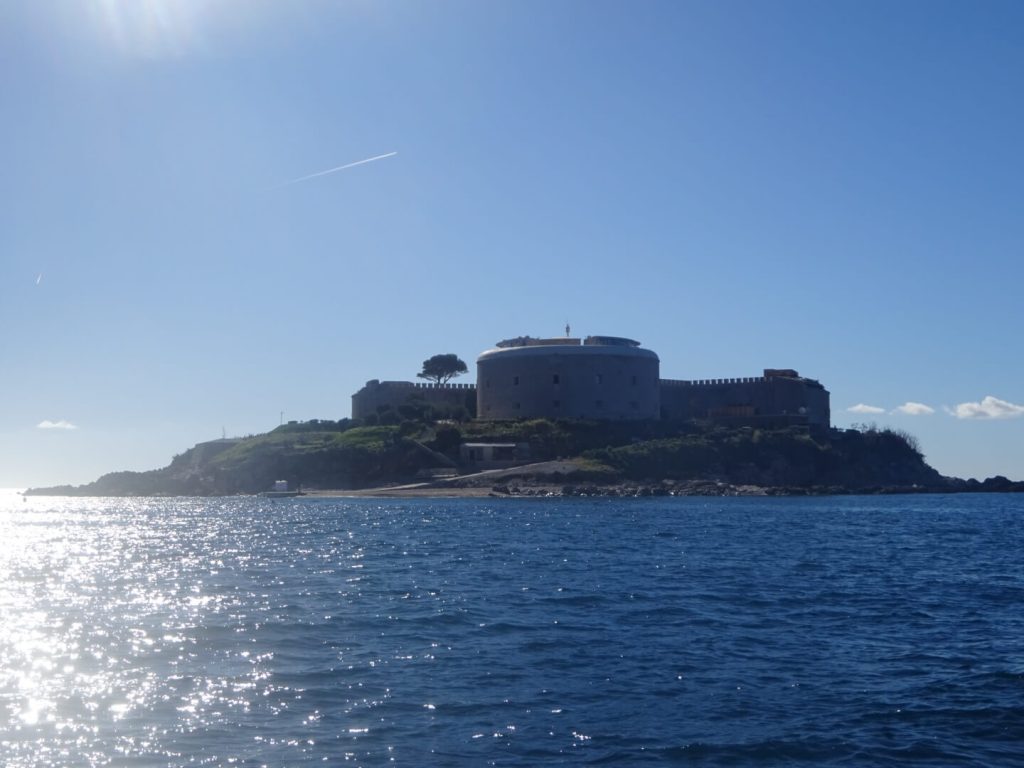
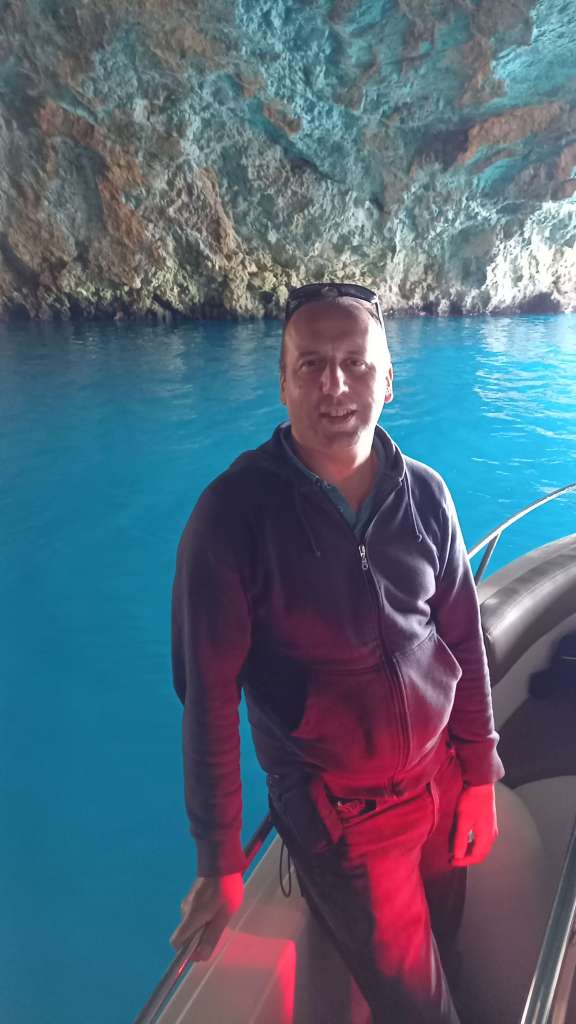
The boat tour then visited a fascinating Yugoslavia-era hidden underwater man-made cave which once harboured submarines back in the day, Mamula Island from afar which was once a military fort and now an £800-a-night luxury hotel, and the Blue Cave, where people often swim in the summer. It was a bit too chilly for that today! The boat then dropped me off at a fascinating place called Porto Novi which I’d been able to arrange before we set off, while the others headed back to Kotor.
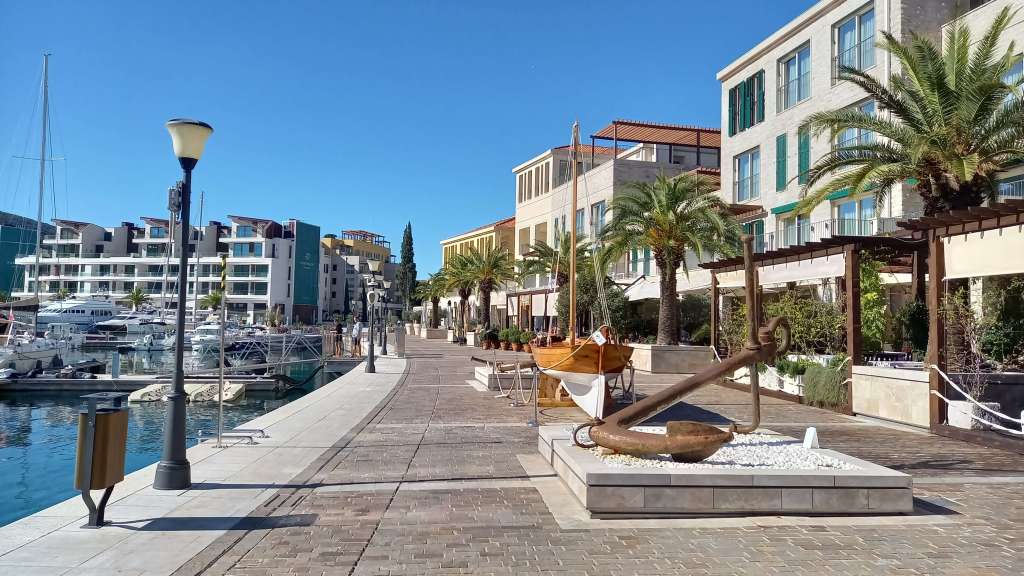
Porto Novi is an upmarket yet very friendly place, seemingly home to many expat, and very rich, Ukrainians and Russians, along with their luxury yachts. The former escaping the war, the latter escaping Putin. I got talking to a great Russian guy at the bus stop there who gave me a very interesting lowdown on the situation. The two people apparently get along really well there, which is lovely to hear as from my days living in Moscow I remember the common sentiment to be that the Russians and Ukrainians were “brothers”.
This bus took me to the absolutely delightful town of Herceg Novi, another Venetian masterpiece of a settlement along the Adriatic coast. I really enjoyed exploring its Stari Grad, starting with the Kanli Kula Fortress at the top with vast sweeping views over the Bay of Kotor, all the way through its shiny marble paving stones, beautiful little squares and old buildings, and down to the Forte Mare Fort at the bottom of town and on the shores of the Bay. It felt like a miniature Dubrovnik, but without the crowds. In fact, I must have seen about five other tourists while I was there, and I loved it!
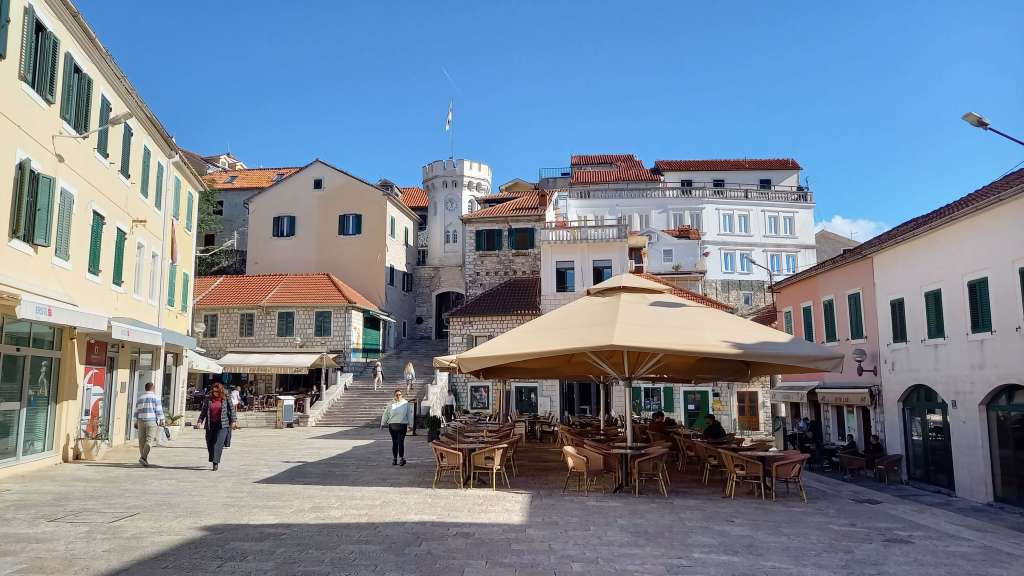
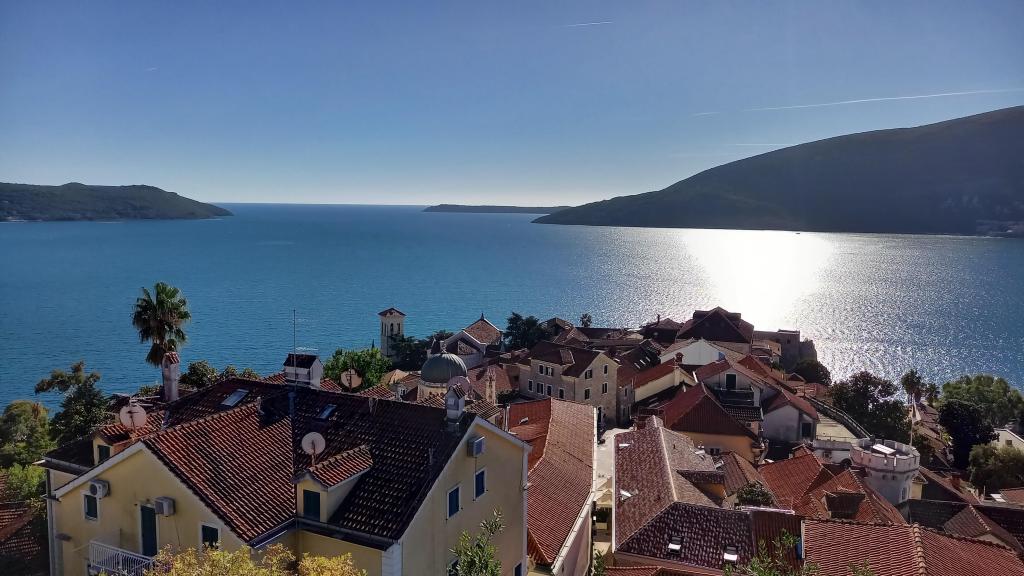
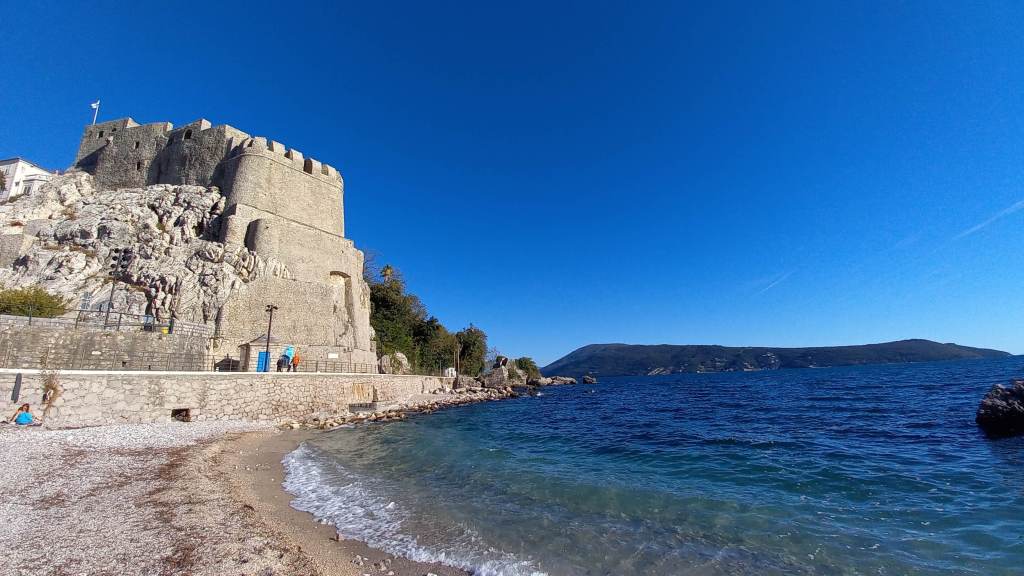
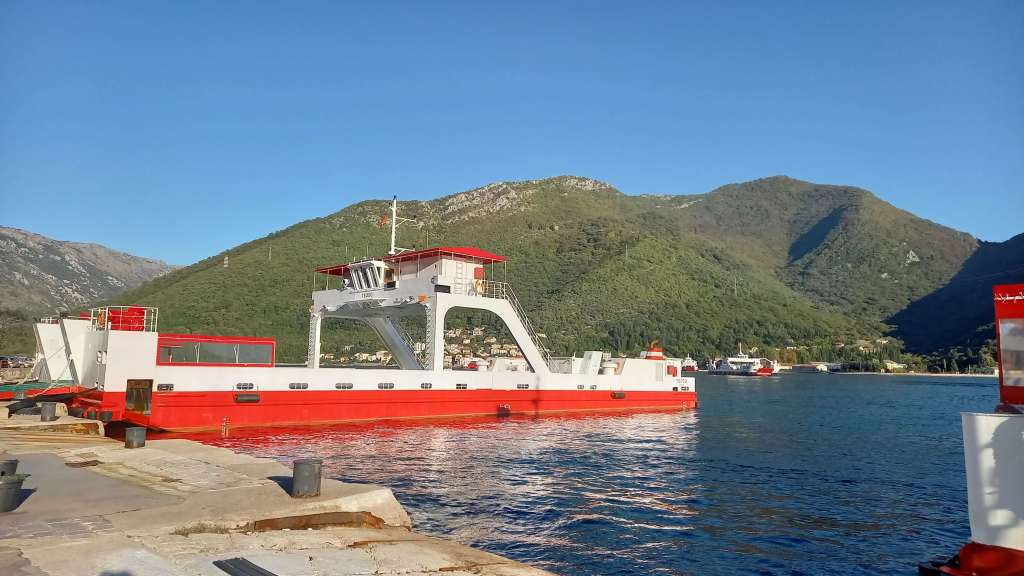
I then took a bus to a place called Kamenari to get the free ferry across a thin neck of the fjord to Lepetani on the opposite side, fortunately just in time for the hourly bus on to Tivat.
My goodness, Tivat! Spankingly, shiningly dripping with glitz and opulence, my Lonely Planet questioning whether it’s Montenegro or Monaco, yet still pretty affordable. Had another Nikšićko beer as a sundowner in the lovely Porto Montenegro marina area of town, watching the sunset (at 4.15pm here…!?!) over the calm waters of the fjord and lovely views of the glamour, mirrored perfectly in the still surface of the Bay. Lovely!
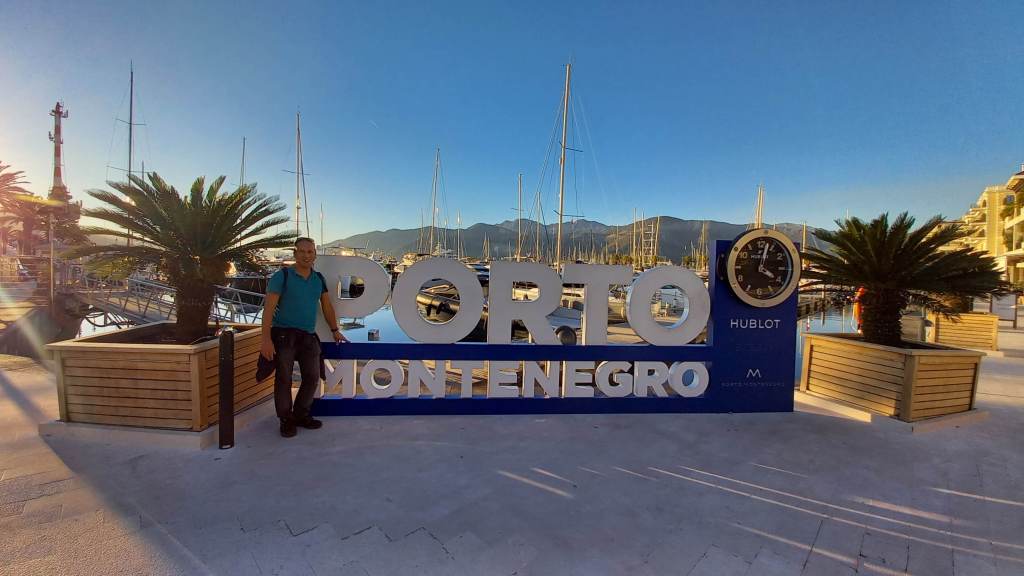
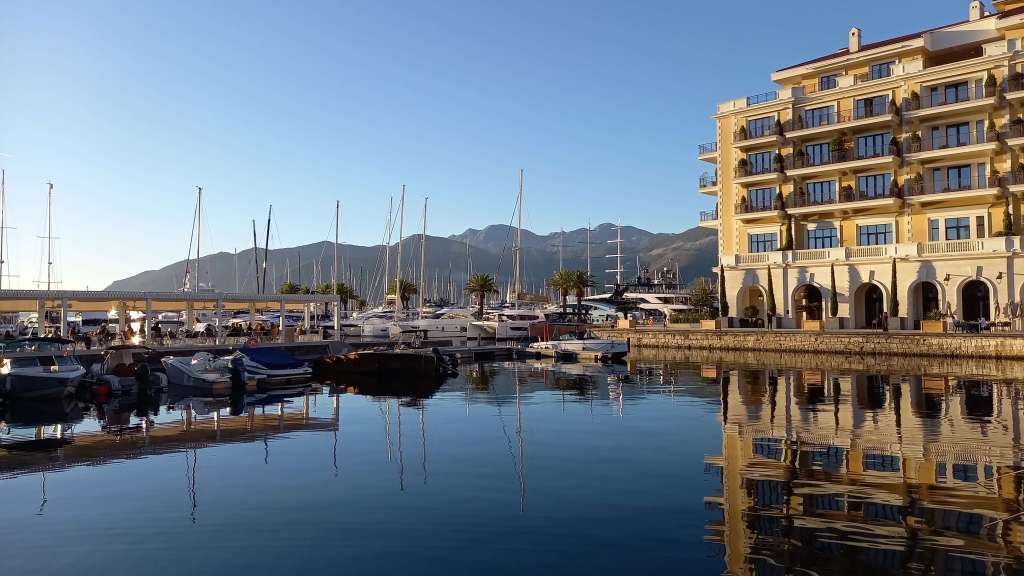
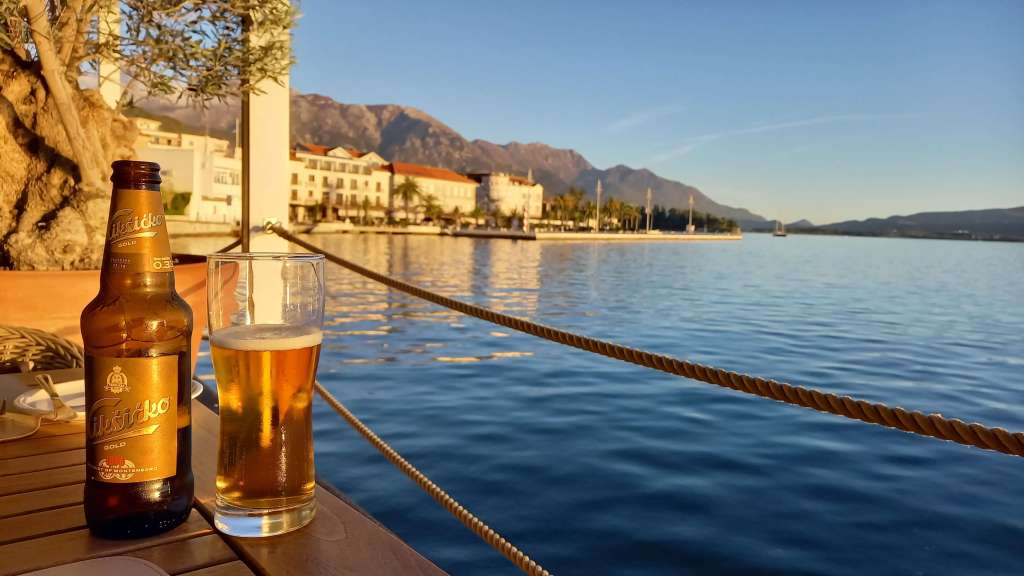
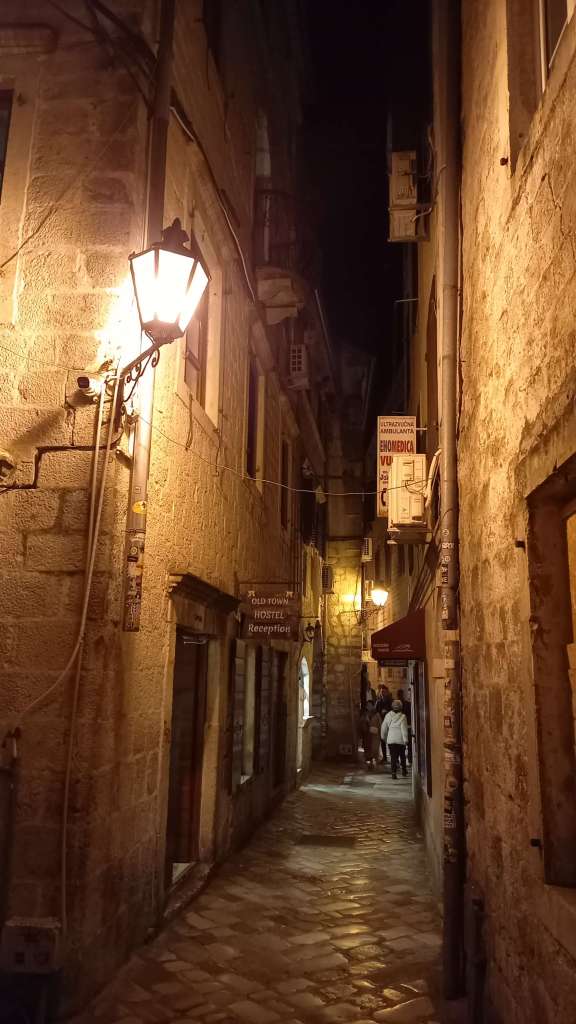
I then took a final bus back to Kotor taking the scenic route around the Vrmac Peninsula, rather than directly via the nearby airport. I had thus completed my independent circumnavigation of the Bay of Kotor by speedboat tour and public transport, with still an hour left before my accommodation called me to rest my weary travel legs, to wander around the Stari Grad, this time of Kotor itself. It was by this time dark, and with the tourists from the daily cruise ship having left already, the old lamp-lit squares and cobblestone alleyways were beautifully atmospheric and filled mostly with locals going for a walk or having an evening out.
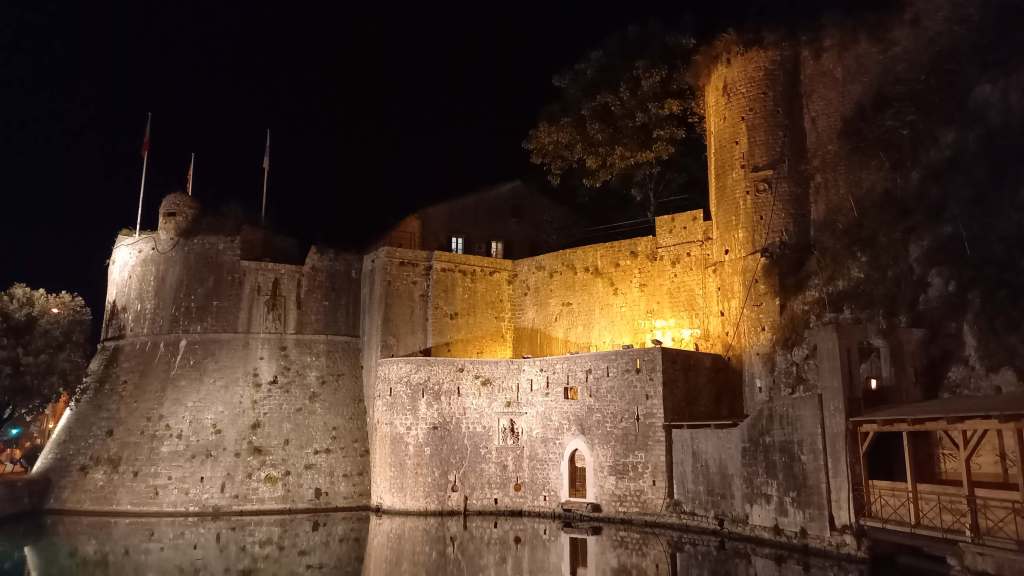
That evening I felt so content and satisfied with my travels this past week in this amazing little country, and if I’ve not said it by now, Montenegro is an off-the-beaten track explorer’s dream. It has stunning mountain and coastal beauty, attractions to rival inundated Croatia to the north, cheap prices, easy travel, short distances, great food, perfect weather, and friendly locals. Seriously, what’s not to like?
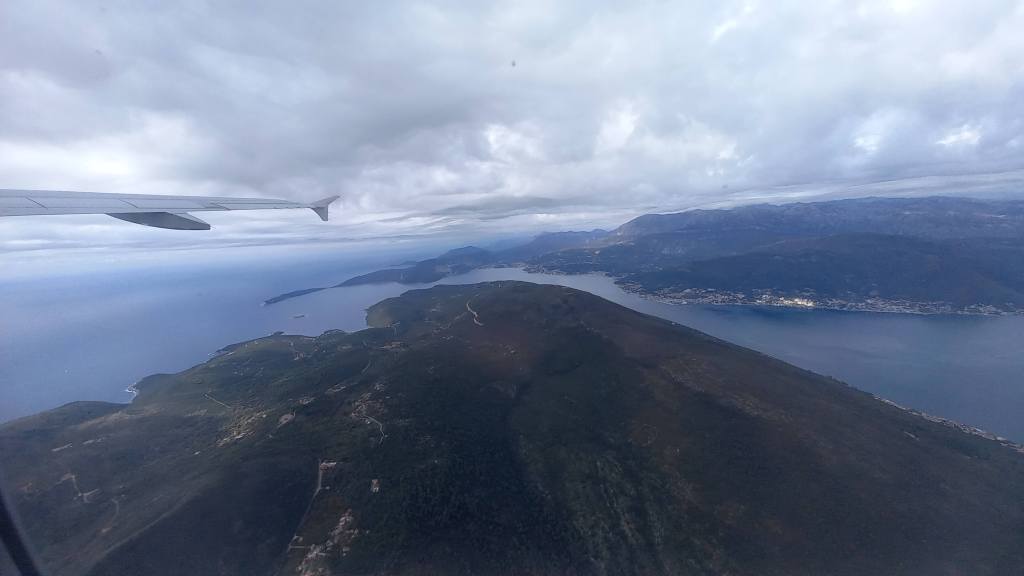
My flight home the next day was fine, from Tivat Airport to London Gatwick with EasyJet. Although Tivat Airport itself just has to be the worst airport I’ve ever been in, and that’s saying something for me, to include all my travels in the developing countries of the world. It was just so small! The departure lounge had only five functioning gates, with I’d say around 100 seats. With six international departures within the space of two hours that morning, the first two being delayed, it was just crammed to the gills with all seats filled, and all other space also filled with people sitting and standing. Fortunately I’d arrived early and bagsed myself a seat, but it was pretty shambolic considering Tivat’s glitzy destination reputation.
On the flight itself I encountered an entitled lady with her daughter already sitting in my seat, right at the back next to the window which I’d paid for. She didn’t even ask me politely if I’d like to swap seats with her so she could sit with her daughter, but instead just outright told me “I’m not being separated from my daughter”. She offered me to sit in her seat, which was a middle seat and not at the back. Not a fair swap I’d say. I spoke with the flight attendant rather than engage directly with the privileged princess, who was able to sit them together elsewhere. I’m sorry, but if I’ve paid for my seat and you haven’t, then this does not entitle you to expect me to give it to you. Either you should pay for your own seats so you can sit together, or the airline should ensure families sit together. This is not my responsibility, especially as I wasn’t even asked nicely, and I’m glad I stood up for myself despite clearly the flight attendant being grumpy with me. It turned out she wasn’t that bothered about being separated from her daughter in the end, as she spent a fair bit of the flight running up and down the aisle. A “Karen” if ever there was one.
Anyway, that aside, my trip to Montenegro was absolutely brilliant. I thoroughly enjoyed this lovely little country, which has so much to offer, in such a small area, with lovely people, weather and food. They say go to Albania while you can, before the rest of the world finds out about it, but I also say the same for Montenegro. But hey, if everyone did start to go there, it wouldn’t be the calm, peaceful and enchanting destination that it was for me. I’m glad I got in there before the news spreads.
So, only one more European country left for me to go now, until I can say “I’ve done Europe!” Do watch this space for an upcoming trip I have thus planned for February to tick this off, as well as a couple of other trips I have planned in the meantime.
World and the open road, here I come!

 Alex Waring's Travel Blog