17th December 2025
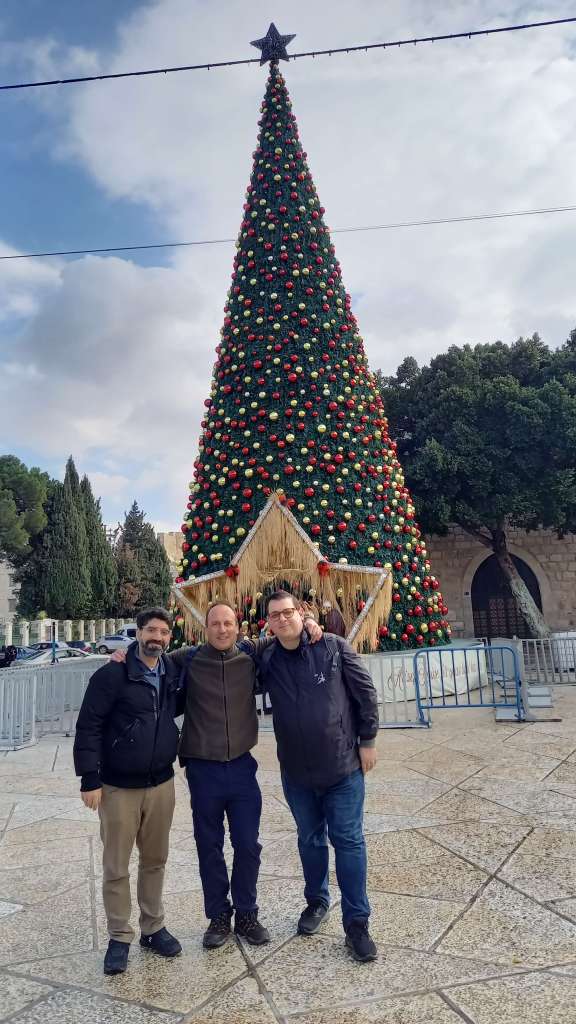
Oh my goodness, what another incredibly profound and deeply moving day. On my second full day in Jerusalem, I joined a group tour to the West Bank. This was with two great guys from the Netherlands and the USA, and we ended up calling ourselves the Three Wise Men, visiting Bethlehem, and beyond! As with everything else so far, the lack of other tourists was very notable, and on the one hand allowed us to visit all the sights virtually by ourselves, though on the other it made us stick out like a sore thumb in some really sketchy-feeling places, especially at this time.
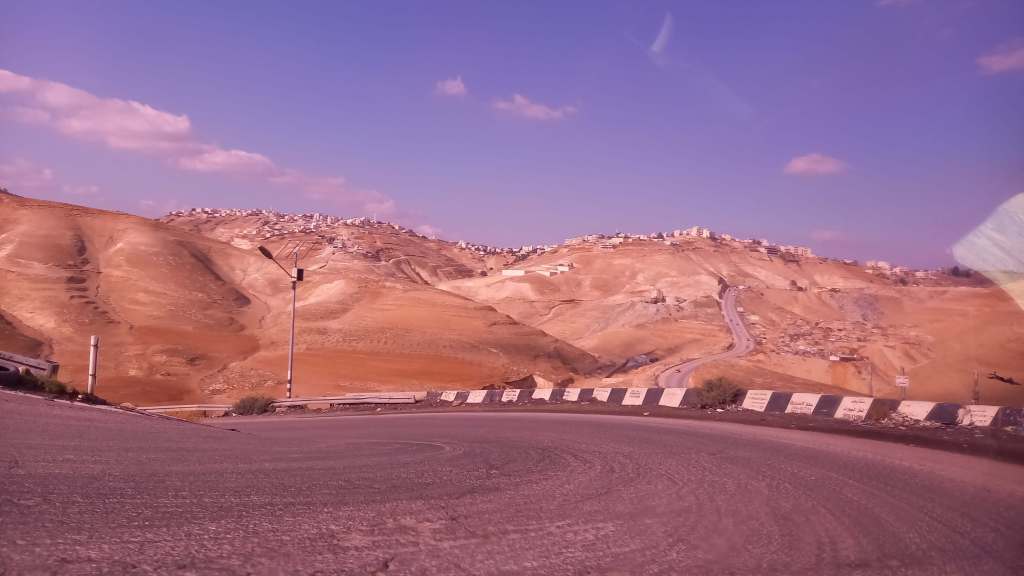
Security was understandably tight, and I was grateful for this. The West Bank of Palestine, different to the Gaza Strip, is divided into three “Areas”. Area C is Israeli controlled, with Israeli security and where the majority of Israeli settlements are located. Area A is Palestinian controlled, with Palestinian security. In Area B, security is joint Israeli-Palestinian controlled. Much of our travelling along the main routes of our journey and along the west side of the River Jordan was through Area C, while our time in Bethlehem and Jericho was in Zone A. We also drove through parts of Area B. Area C felt developed and safe, with good quality roads, much like Israel. Areas A and B felt more Third World, and driving through some of the streets was a bit unnerving. I have been in many Arab countries where I have felt completely safe, but the tension here felt palpable.
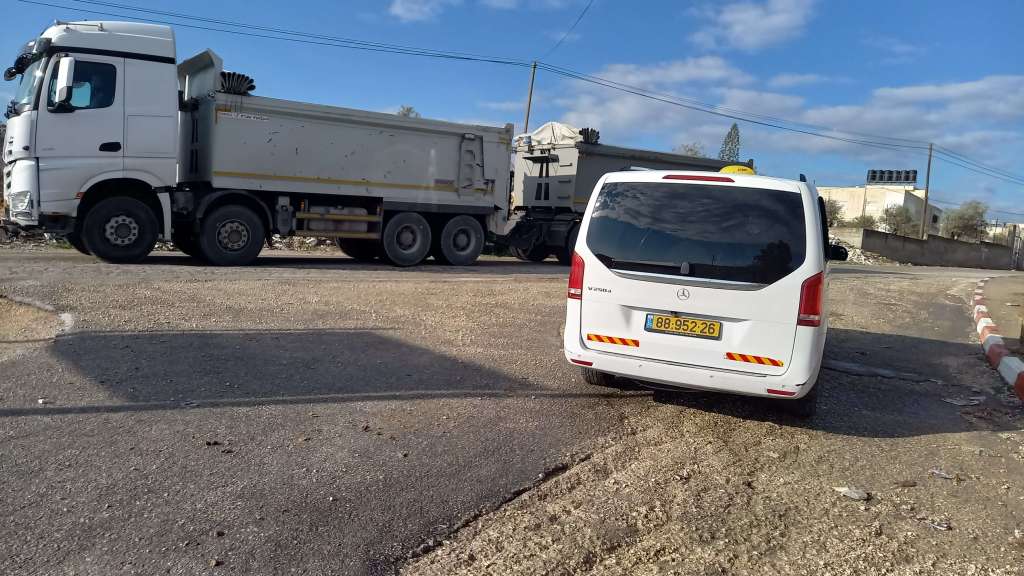
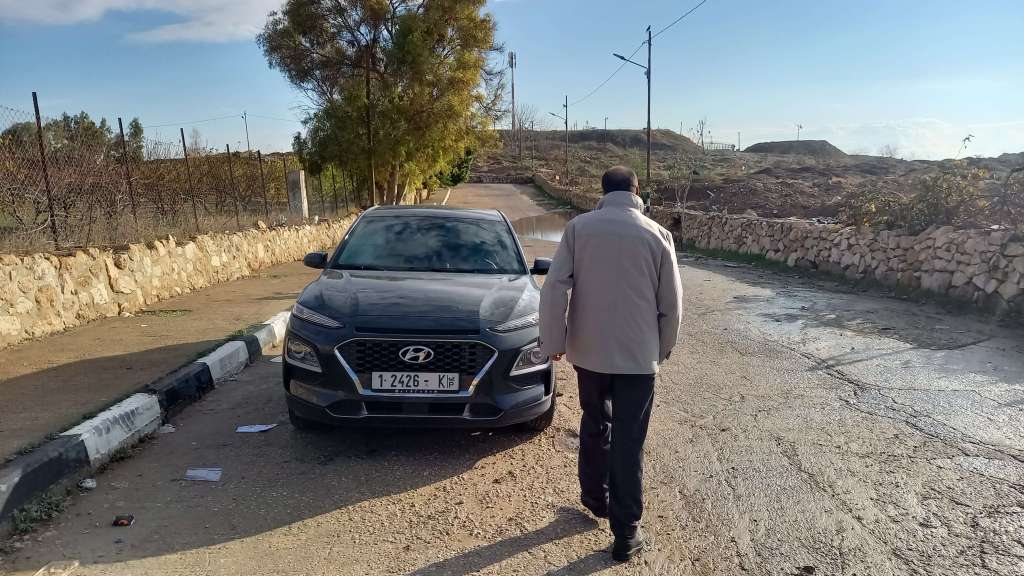
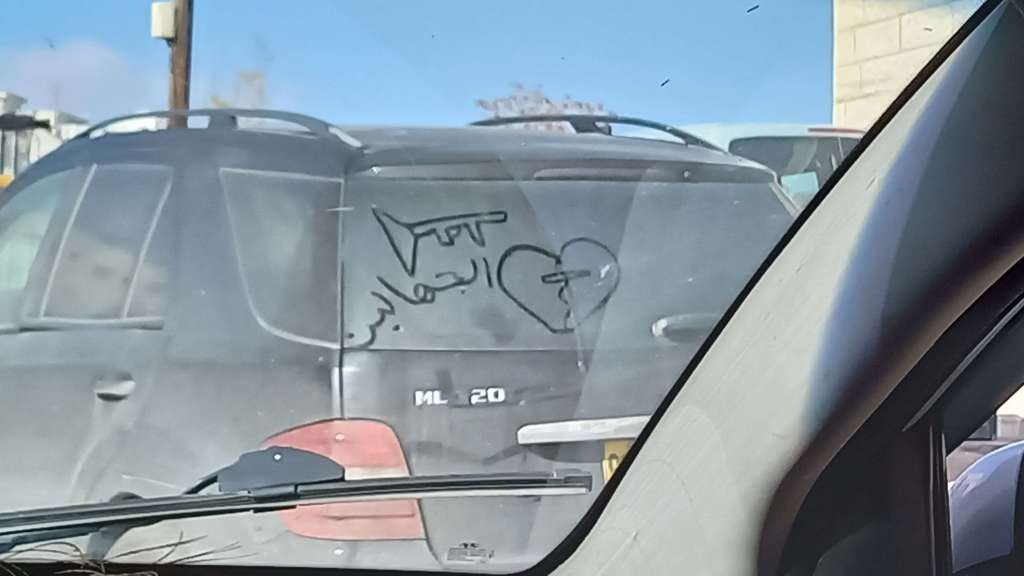
We were picked up at a hotel in Jerusalem in an Israeli car with a yellow number plate and an Israeli driver, and not long after driving through East Jerusalem we passed into Area A/B, where we were transferred into a Palestinian car with a white number plate and our Palestinian driver-guide. We then drove past one of the many signs strewn along the side of the main Israeli-controlled arterial route through Area C, warning that Israelis are not allowed into these areas, and that it is a risk to their lives. This didn’t make me feel much better. At one point we drove past a kid writing “Hamas” in Arabic and drawing a machine gun in the dust on a car window. In Bethlehem, one of the security officers outside the Church of the Nativity was clearly taking photos of us, and upon asking our guide why he was doing this, there was a big conversation between them when he said he wanted photos of us for tourism purposes – I was not convinced, and began to feel a little paranoid. When we were in Jericho, there was some very loud chanting from a clearly very large crowd of men in the far distance being carried on the air towards us, just after evening had settled in and it was getting dark. I asked, and it was apparently a local military group doing their training – this out of the whole day was probably the most unnerving moment for me. Not long after, while buying a few supplies from a local shop in Jericho, I felt disquieted by the number of eyes around us and clearly focused on us – more interested I think than hostile, but it was indeed unnerving.
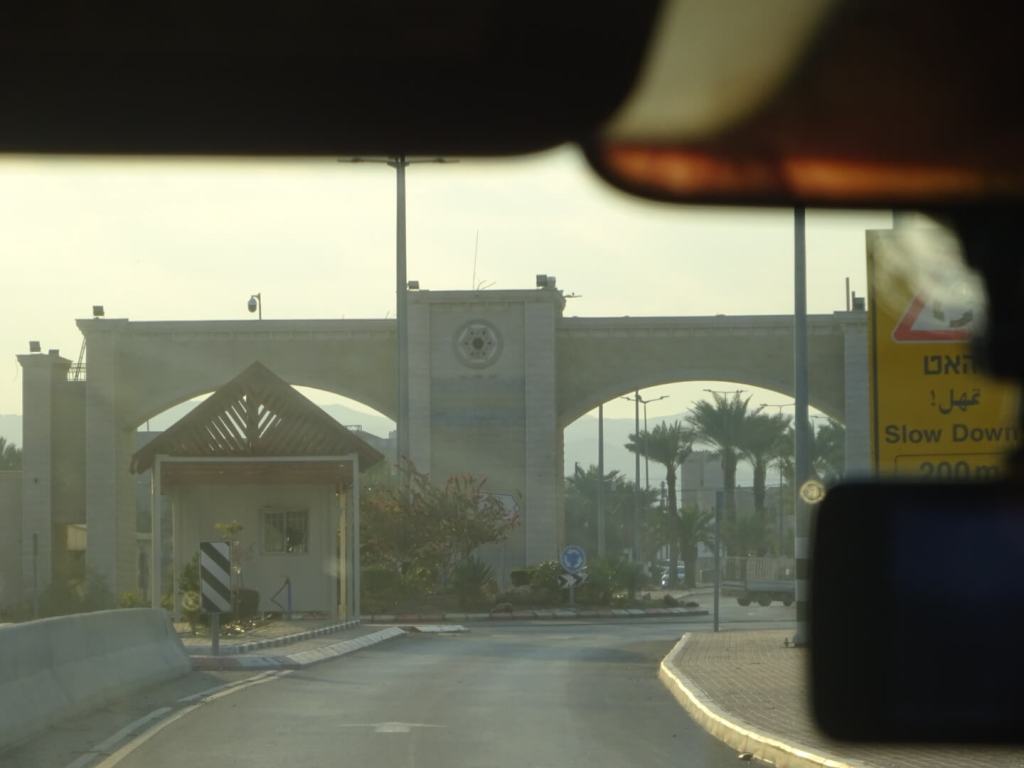
Throughout the day, we passed through numerous Israeli check points, many manned with both male and female Israeli armed soldiers, with one woman I saw pointing her machine gun at all the cars which were passing through, including ours. I had heard about these check points closing at apparently random times, with people and tourists sometimes waiting for hours to get through them. Fortunately it was only the last check point upon leaving Jericho which closed for us, and our driver was fortunately able to turn around and leave the city by another check point. And we only had our passports checked at the final check point before we re-entered Jerusalem, after having switched back to an Israeli car again.
In actual fact, the day felt generally very safe, with just these few moments of tension and unease which both me and my fellow traveller from the US also felt. I think he doubly felt it as he was Jewish, and I could sense the poor chap’s genuine unease at these moments.
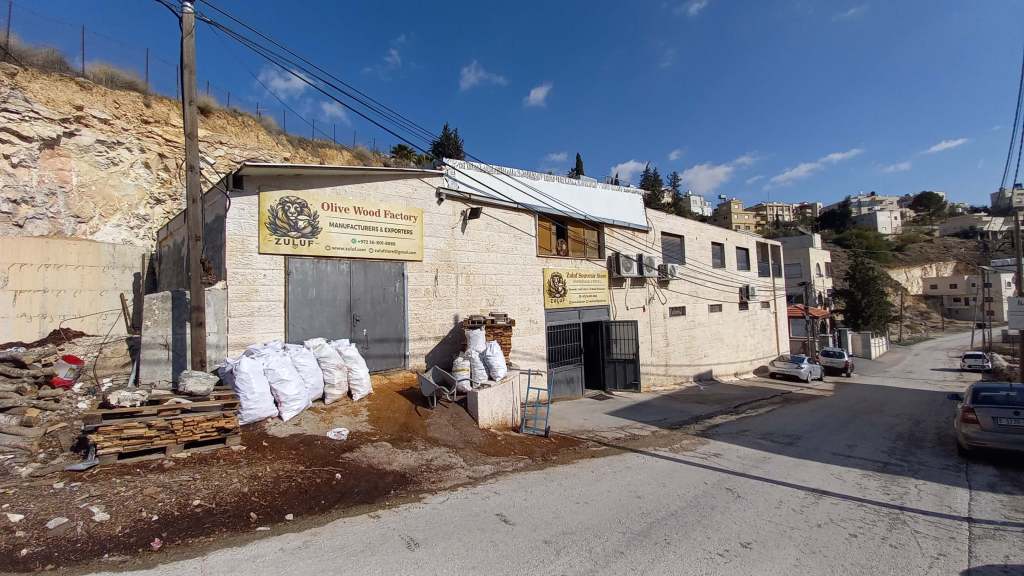
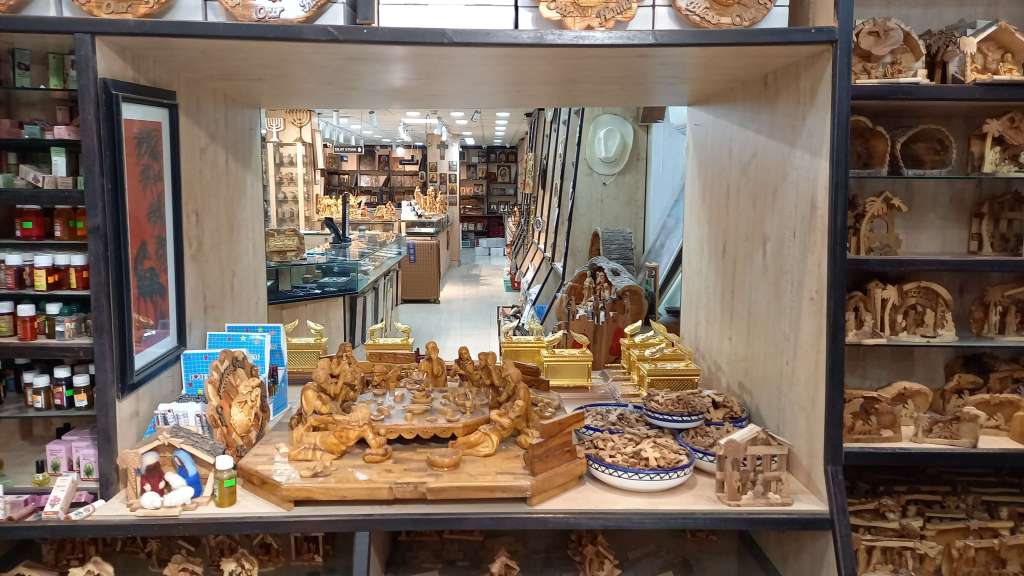
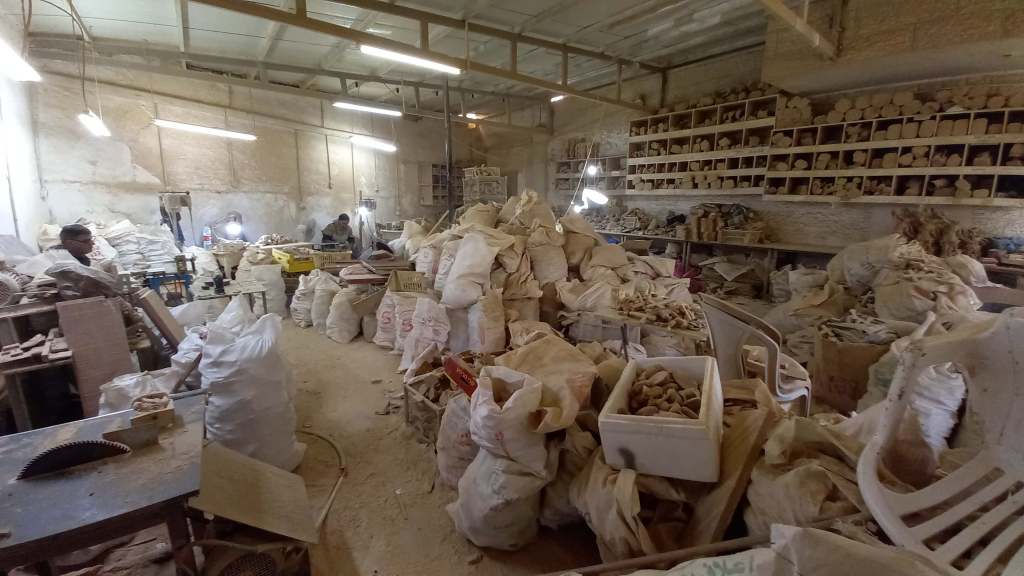
But boy was it so worth it! The day was split into two, with the morning spent in Bethlehem, and the afternoon in Jericho and the Jordan River. It included lunch at a great souvenir shop stop in the middle, which was just brilliant. It was run by a Christian family, very rare in these parts, and there was no hassle, with some really good prices. I bought myself a beautiful hand-carved Nativity scene made on site by the family-owned company.
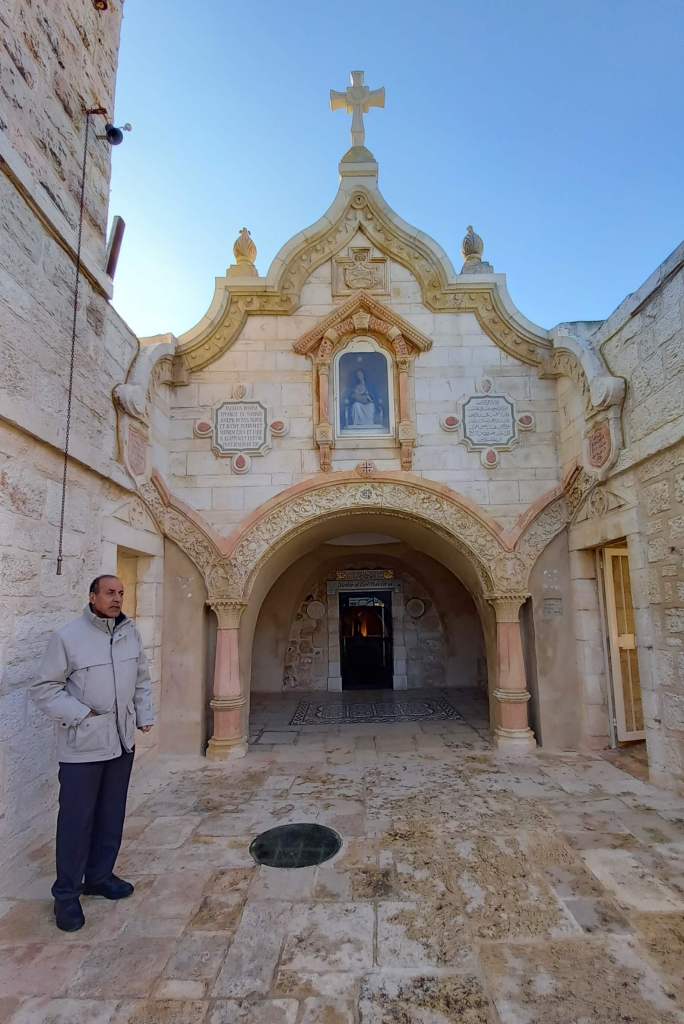
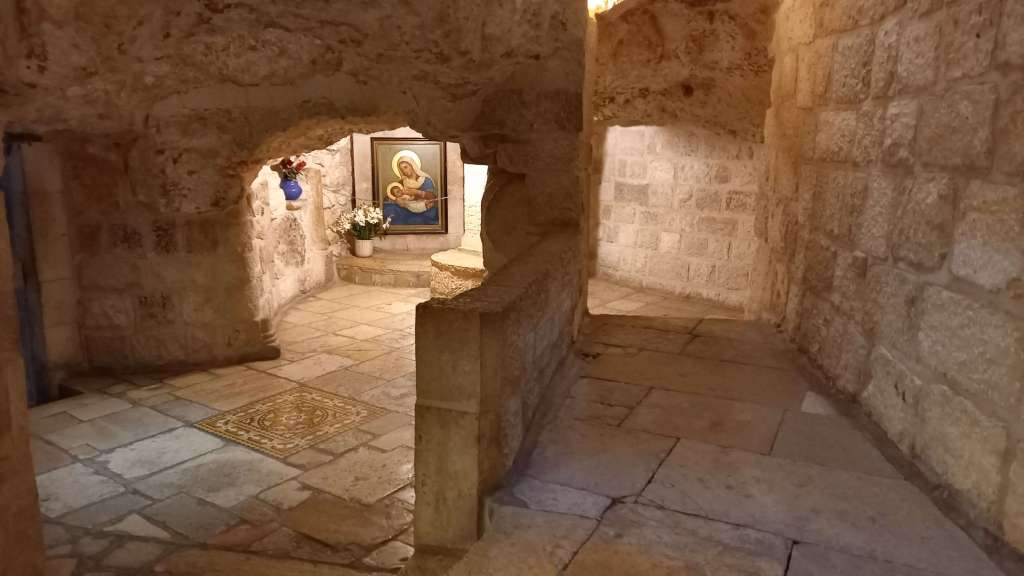
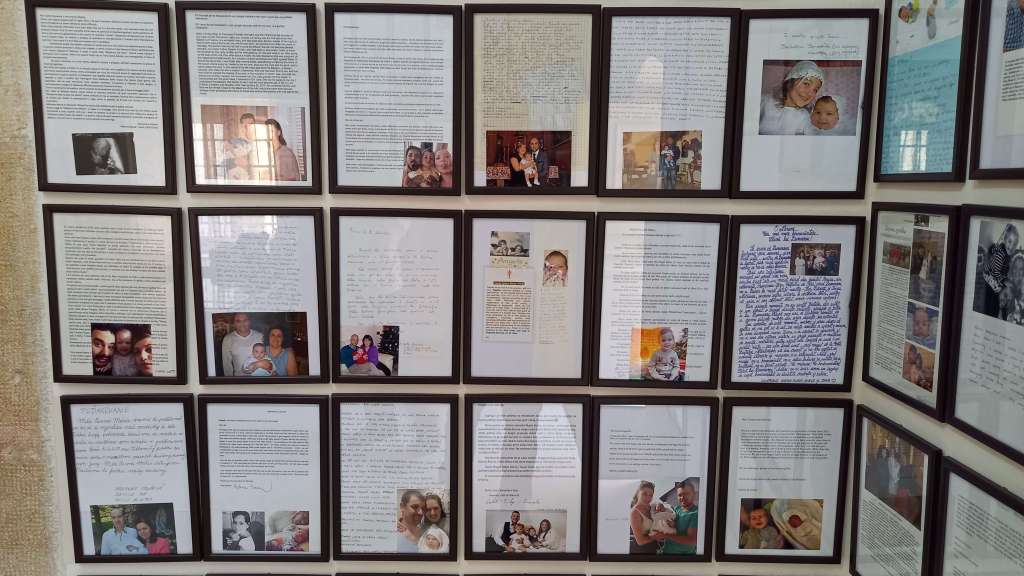
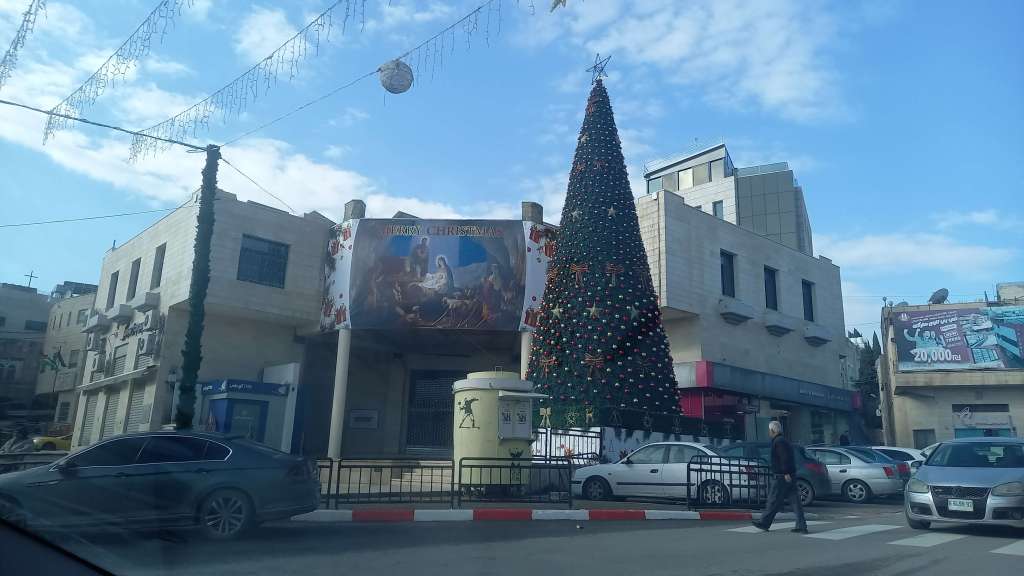
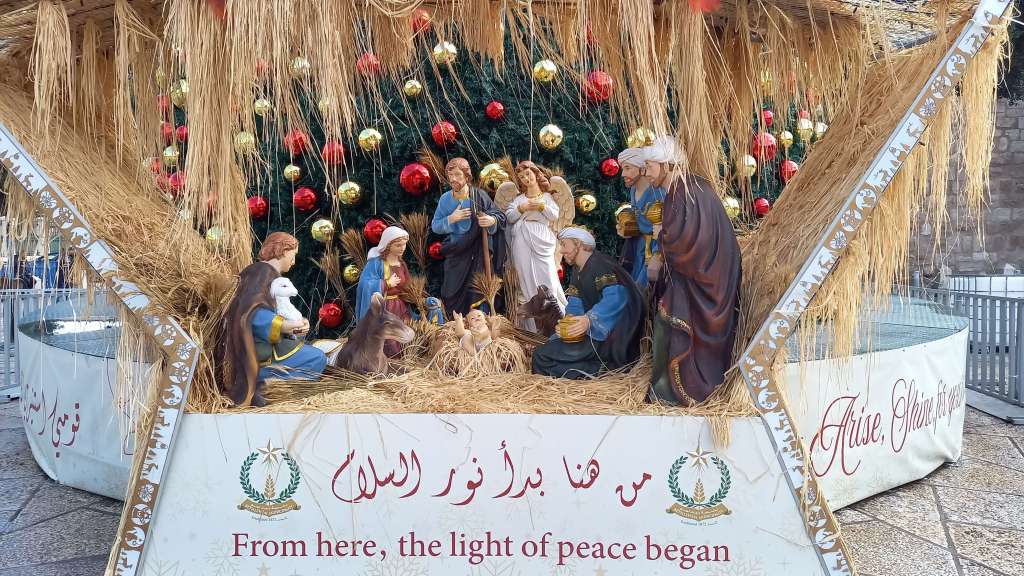
Our first stop of the day was at the Field of the Shepherds just outside Bethlehem, where I believe I could actually feel the angels in the sky looking down on us! We then headed to the Milk Grotto in the town of Bethlehem itself, where a drop of Mary’s milk is said to have spilled to the ground in the cave, turning all the walls white. It is said that the white powder collected from this cave can and has miraculously given children to infertile couple visitors, evidenced by a wall covered in their family photos. It was also where Joseph was warned in a dream not long after Jesus’ birth to leave Bethlehem for Egypt, before King Herod’s soldiers arrived and killed all the baby boys. We finally headed to Manger Square and its very famous Christmas tree and Nativity scene – of course, it was the Christmas season during our visit, and we were very fortunate that they were both out as the year before they were not due to the conflict. We then headed to the Church of the Nativity, I was beyond excited.
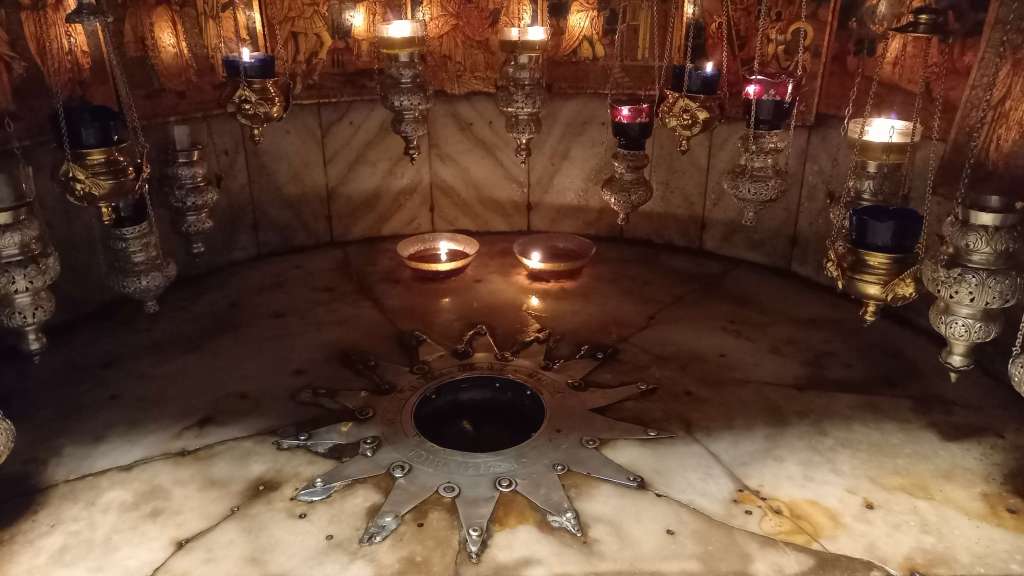
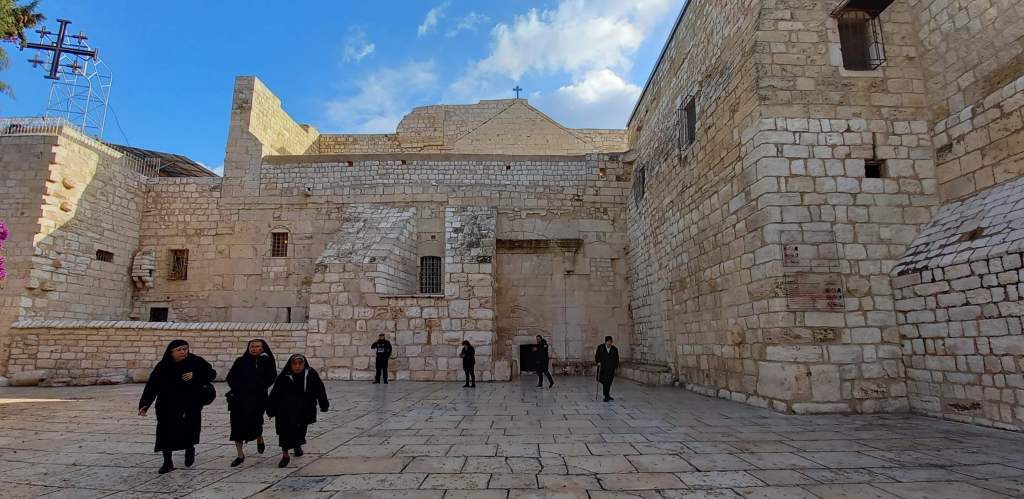
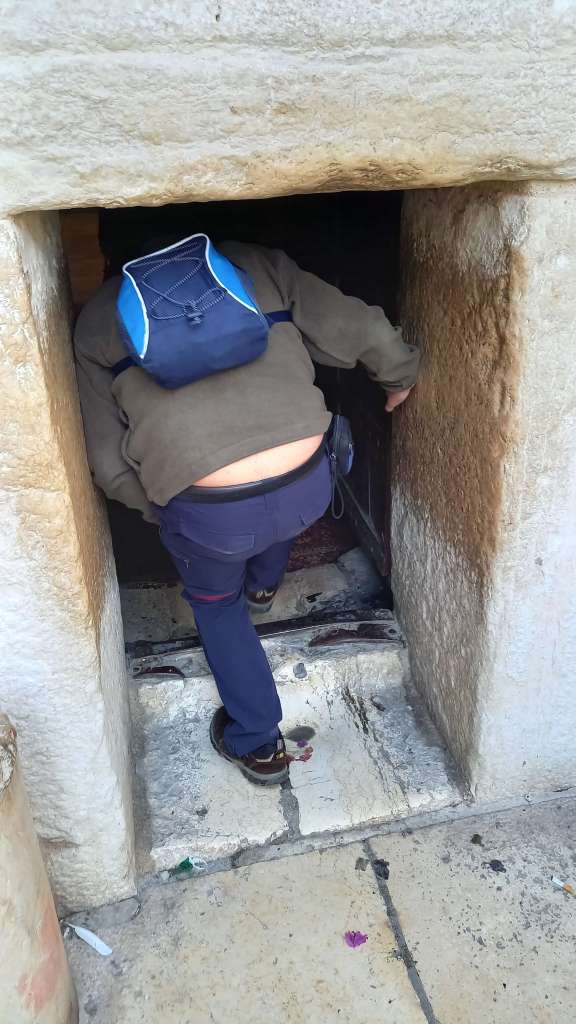
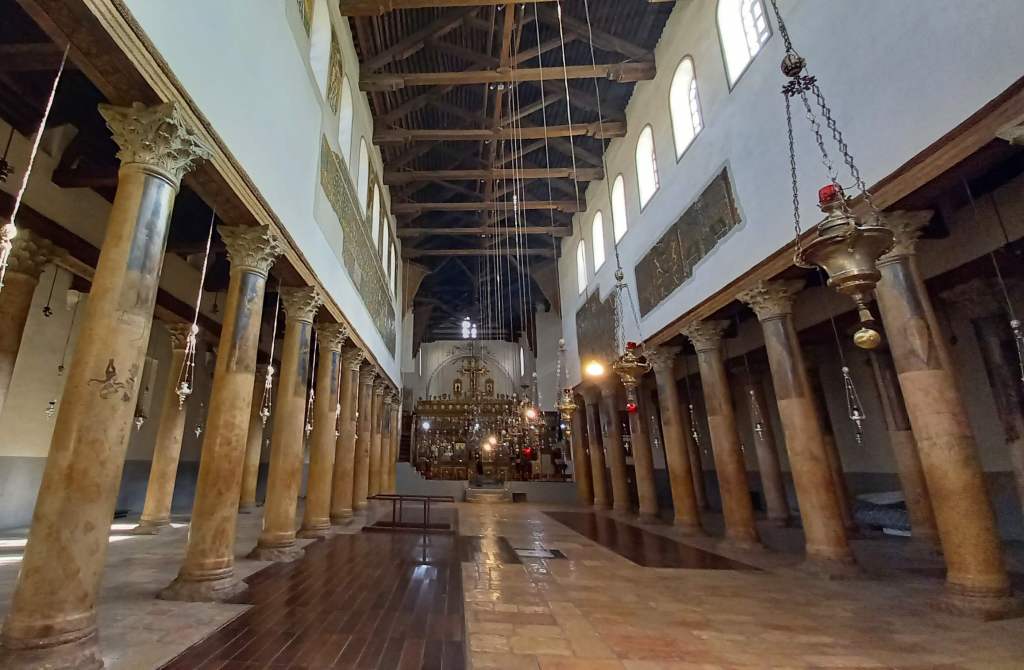
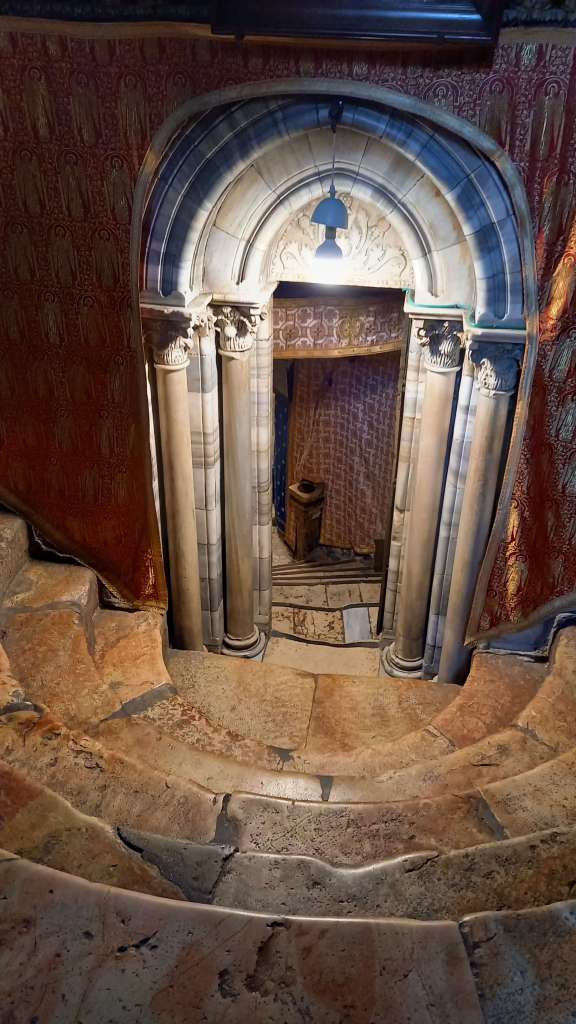
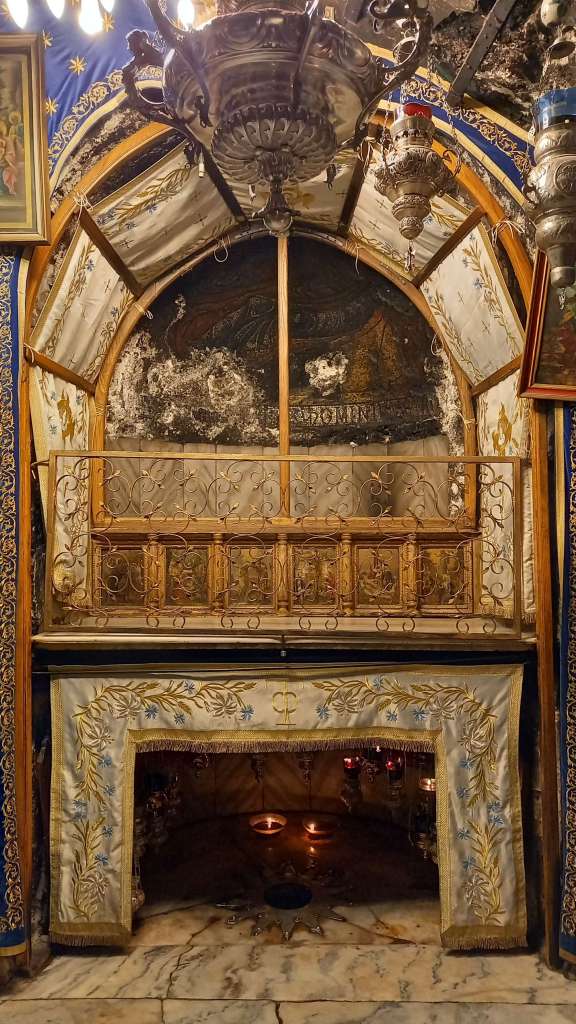
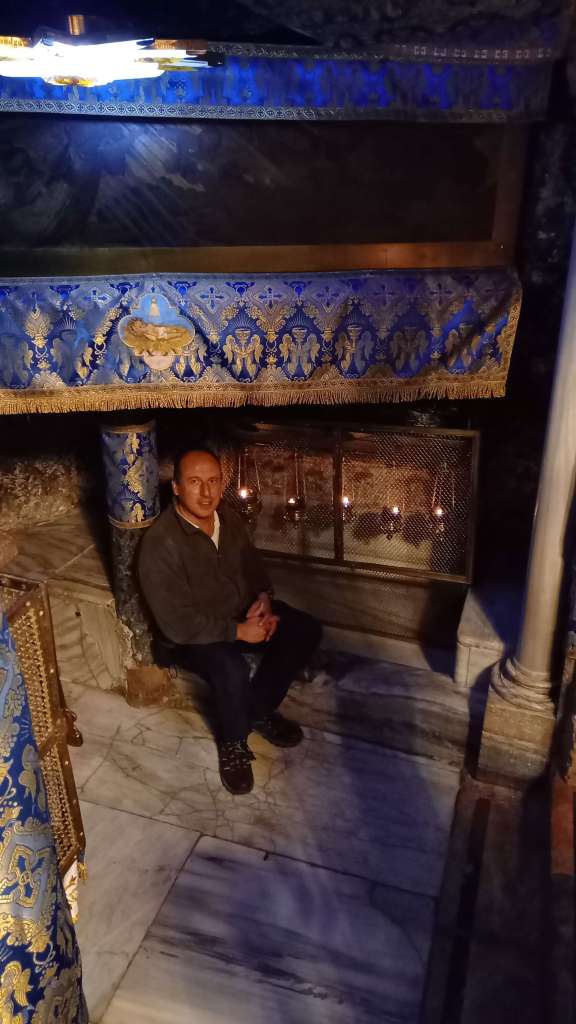
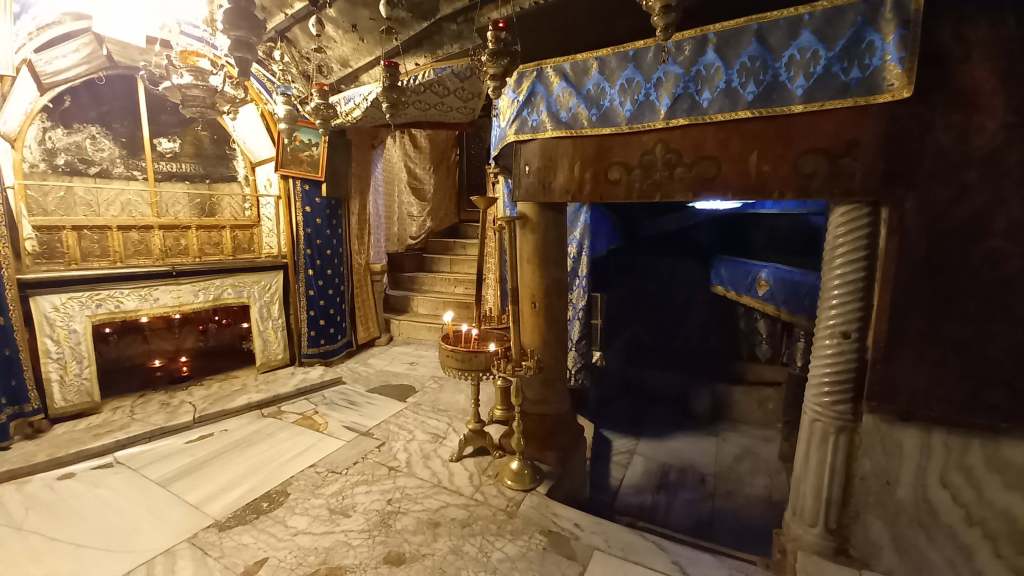
The Church of the Nativity is a really large complex built over the supposed site of Jesus’ birth, and is shared by the Greek Orthodox, Catholic and Armenian Churches, with separate buildings all interconnected. We were told that in the high season, it could take up to three hours to queue to see the place inside marking the location of the birth, with visitors ushered on after around a minute or so inside. We went straight into the place, and had all the time we wanted to sit in there, pray and contemplate just what was before us. The place where Jesus Christ entered into the world of men. Just profound. The birth location is marked in a grotto under the Greek Orthodox part of the Church by a 14-point star, symbolising the generations between Adam and Abraham, while in a small corner just opposite is said to be the place where he was laid in the manger. While myself and many others would expect to be visiting a stable, he was apparently born in a cave or grotto which was used to keep animals, rather than a wooden shack as I had imagined. It was beautiful being there, and I knelt in adoration before the 14-point star, as both the shepherds and wise men would have done 2000 years ago.
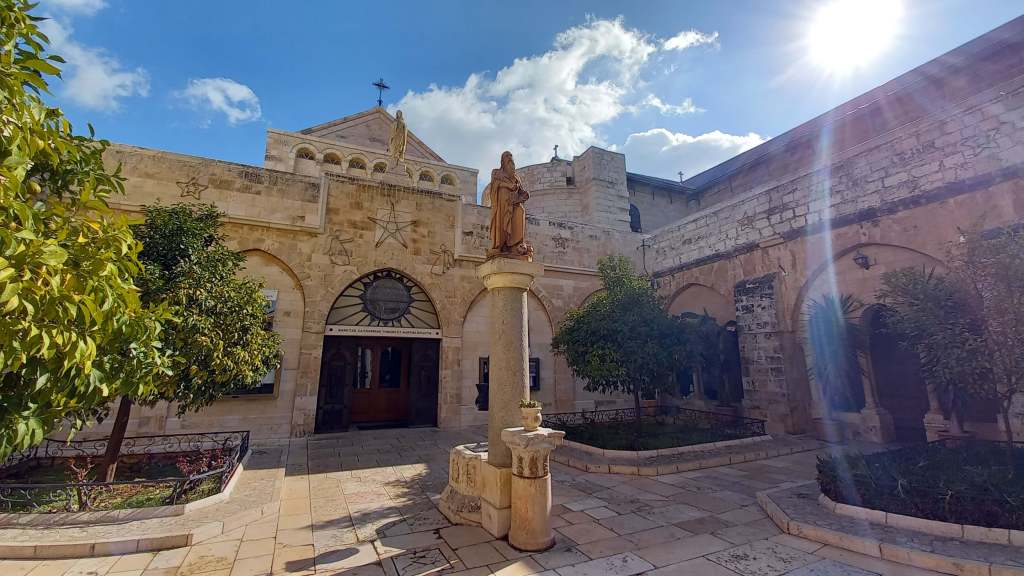
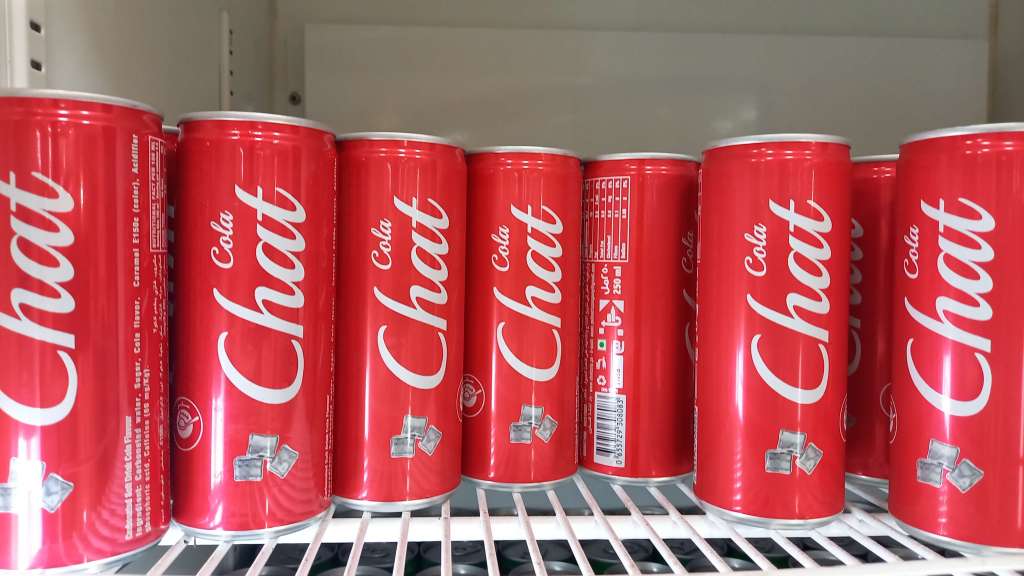
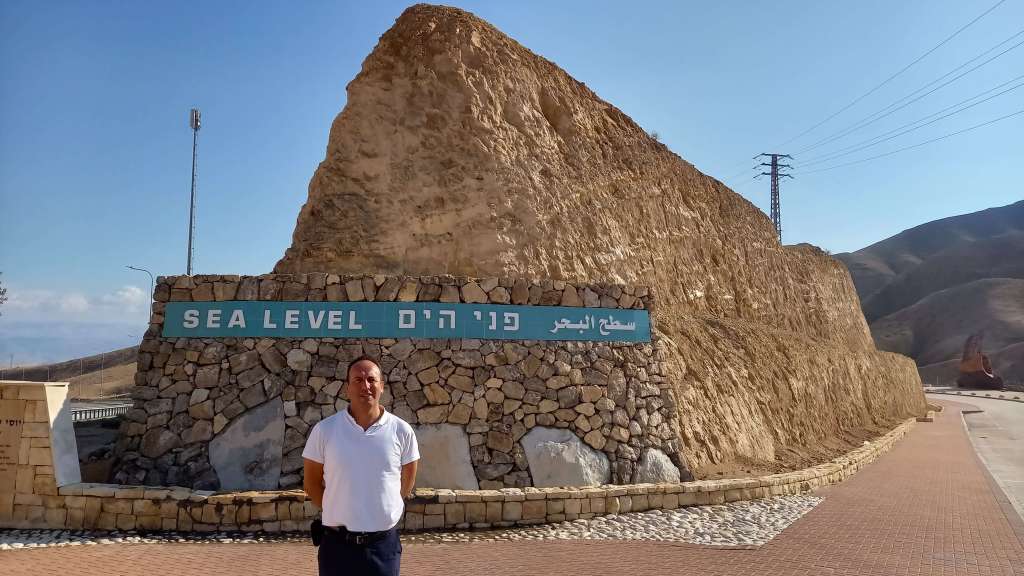
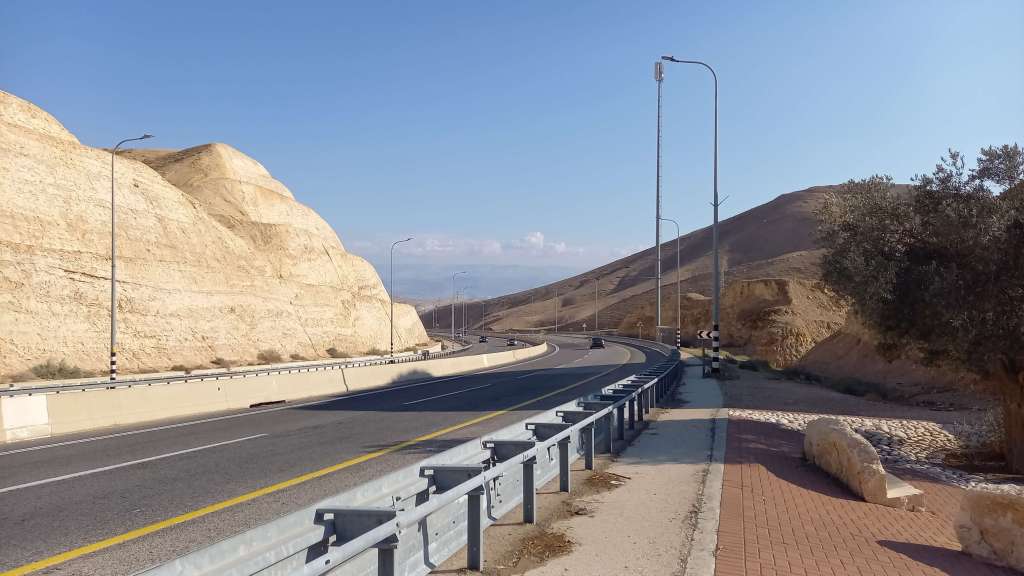
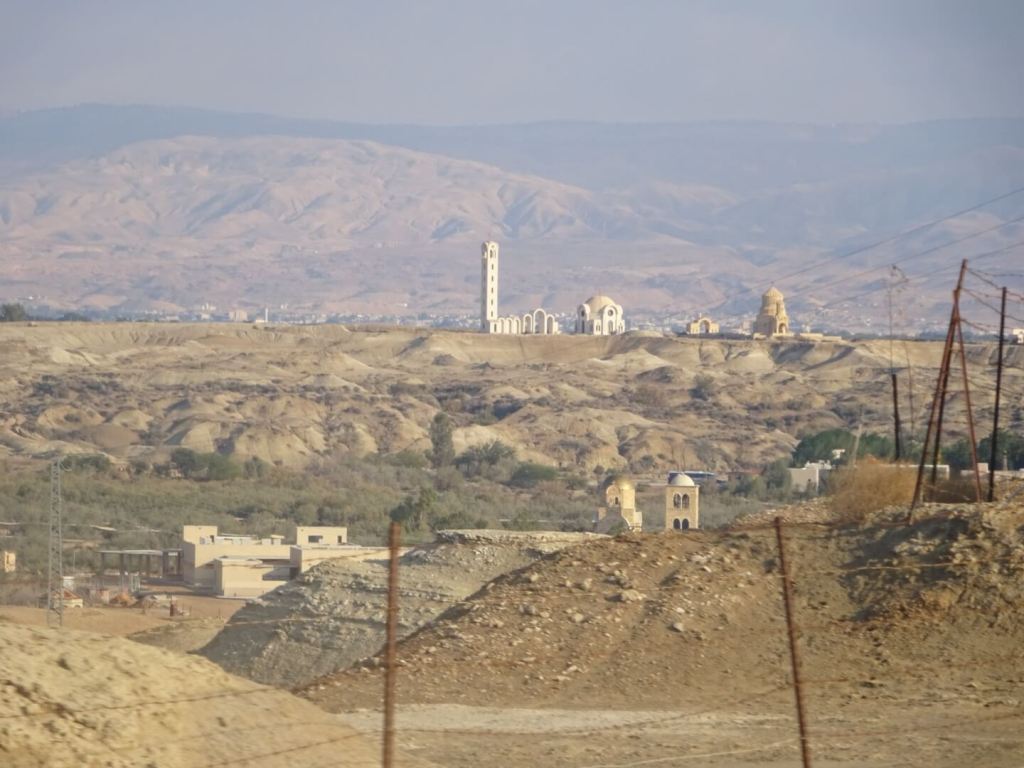
After said souvenir stop and a lovely lunch of a falafel sandwich and the Palestinian equivalent of coke called “Chat Cola”, another driver-guide picked us up to take us deep down into the valley of the River Jordan, north of the Dead Sea. We passed a sign noting the Inn of the Good Samaritan, and I realised we would have been driving down the very road from Jerusalem to Jericho that the injured man would have been walking along! We stopped for pictures at a pointer marking sea level, before continuing past the Dead Sea to our right and down into the flat-bottomed Jordan River Valley once more. Once more, as this time last year I was on the Jordanian side gazing towards Israel and hoping to visit soon. I had actually been on top of Mt Nebo where Moses, Joshua and the Israelites saw the Promised Land after their escape from Egypt and 200 years of slavery there. They would have spied Jericho as I had done back then, with Joshua ready to take the Ark of the Covenant around its walls and bring them down! This time I was now on the Israel side gazing towards Jordan, recalling my amazing travel memories from there this time last year, and ready to set foot myself now into Jericho!
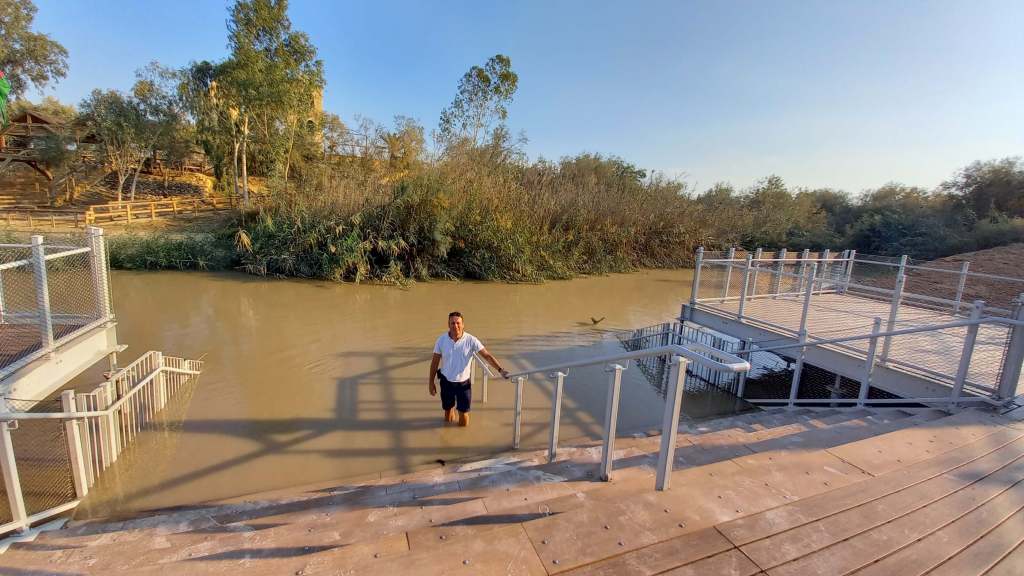
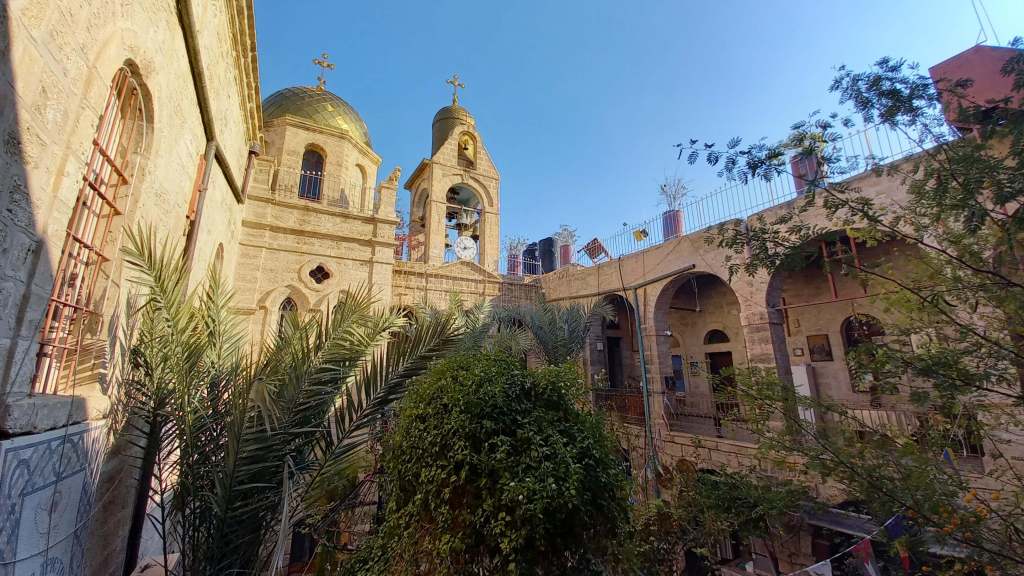
The oasis and palm tree plantations on the valley floor had the same feel to them as I had felt on the Jordanian side. We stopped at the Greek Orthodox Monastery of St Gerassimos to admire its beautiful mosaics and visit the place where the Holy Family are believed to have sheltered on their way to Egypt. Then on to the Baptism Site of Jesus in the River Jordan. This was exactly the same spot, albeit on the other side, as this time last year when I did my self-baptism in the waters complete with baptismal robe. This time I only waded in up to my knees, and the water was much deeper than last year, presumably due to the recent very heavy rains this region had been having. We were so fortunate to be able to visit actually, as it was only on this day that they had just reopened after it had been closed for at least a week for renovations!
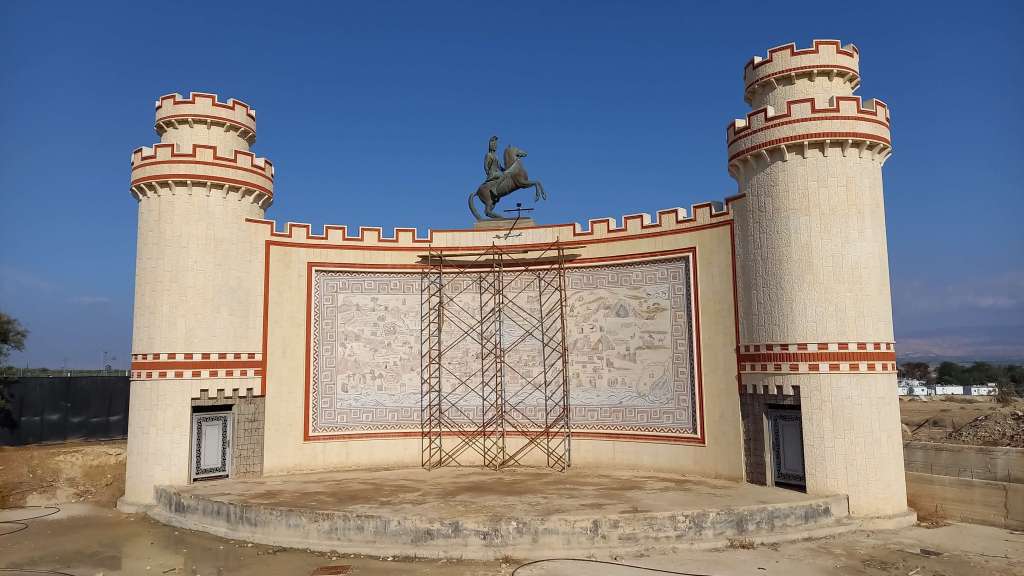
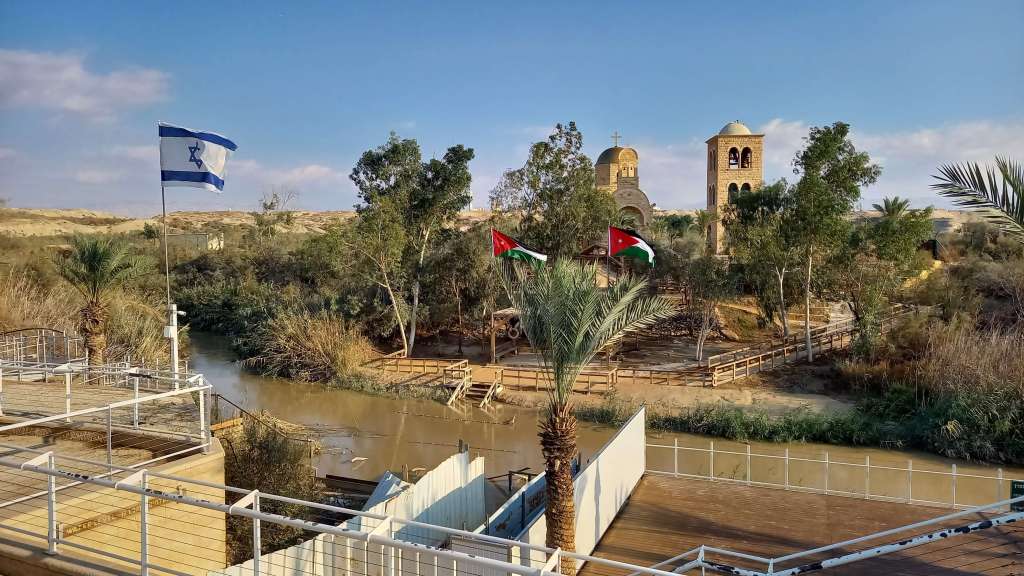
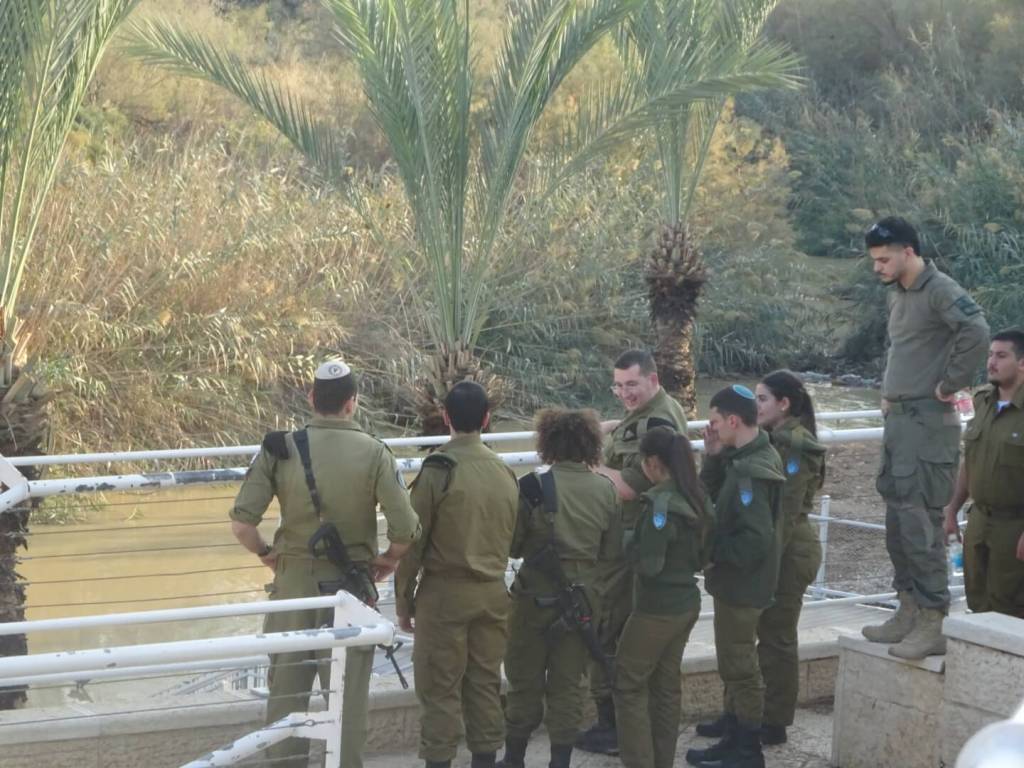
On the Jordan side there had been three very basic wooden huts to change in for baptismal purposes, while on the Israeli side there is a newly-built changing complex clearly ready for hundreds of visitors. They seem to be planning for big numbers once tourism resumes again, which I hope very much for the people and country it will. Many people we met were clearly dependent on tourism, especially here in the West Bank when there didn’t seem much else by way of industry – all had clearly suffered not only these last two years, but also before that with the c-word fiasco which had only recently ended by the time October 7th 2023 happened. There were only five other visitors here at the Baptism Site, along with at least ten armed IDF soldiers. The area is heavily mined due to the 1967 six-day war with Syria, Jordan and Egypt which resulted in lasting peace with at least the latter two countries. On the Jordan side there was a tour group of Indian people while we were there, and we exchanged waves and greetings!
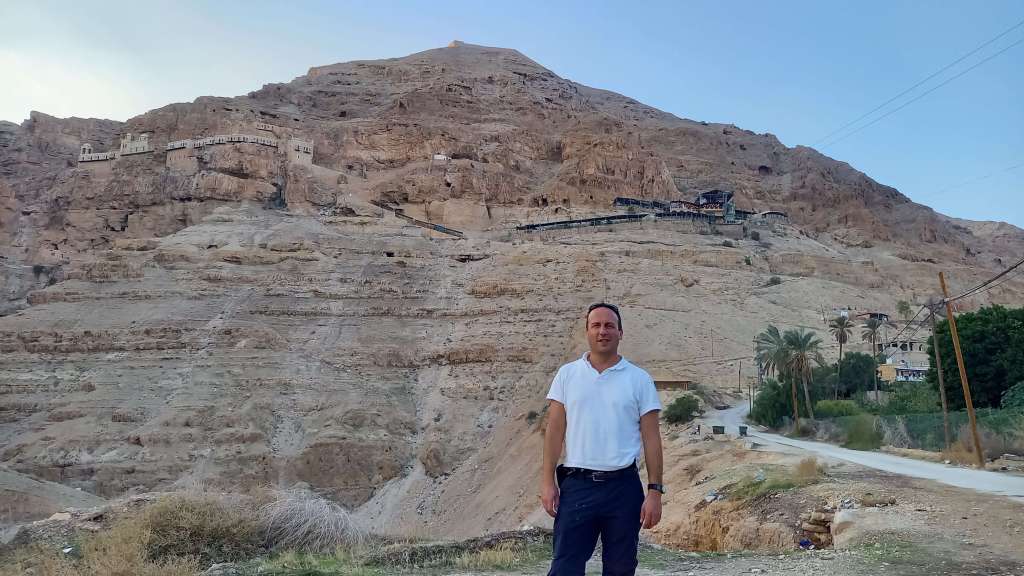
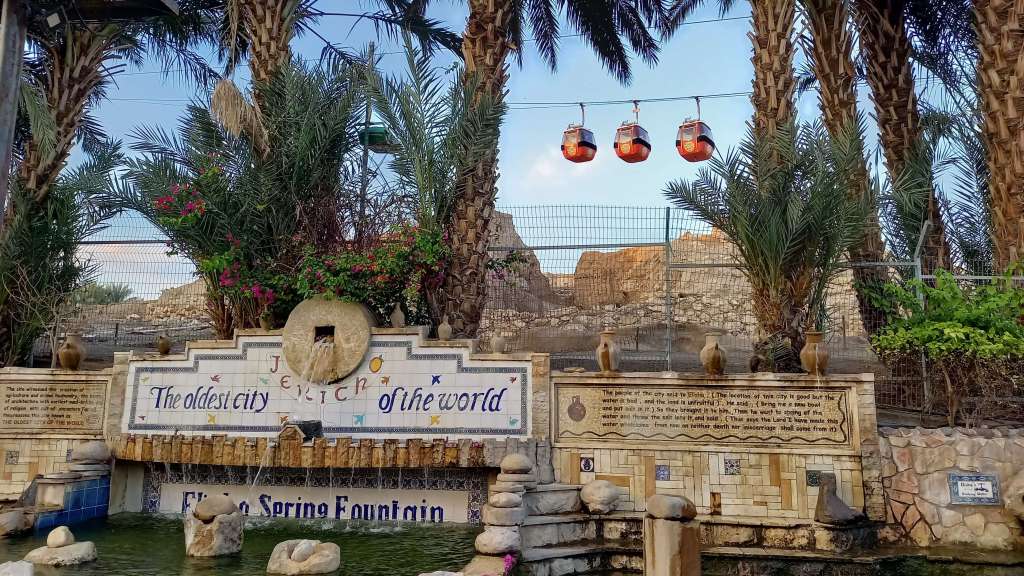
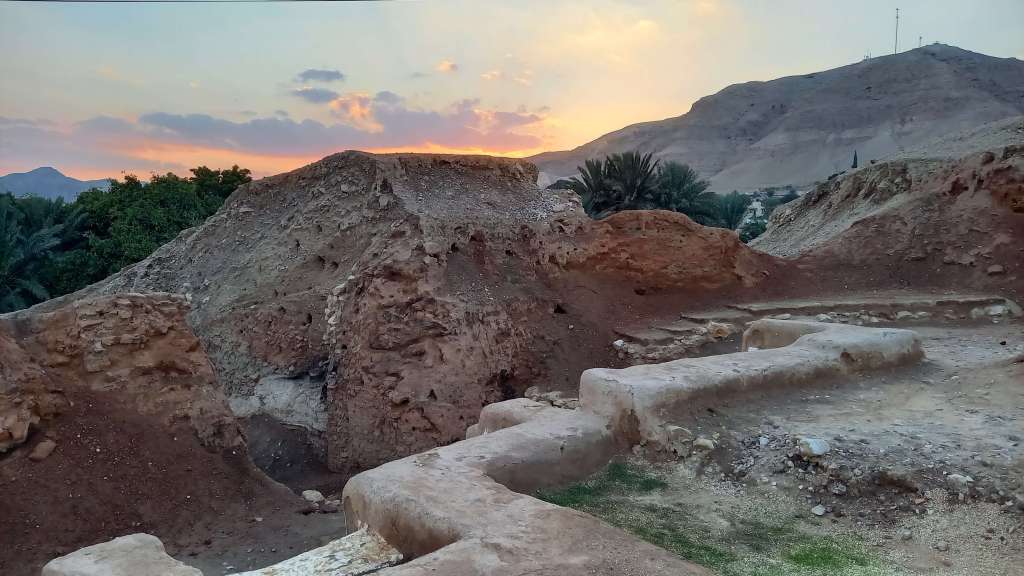
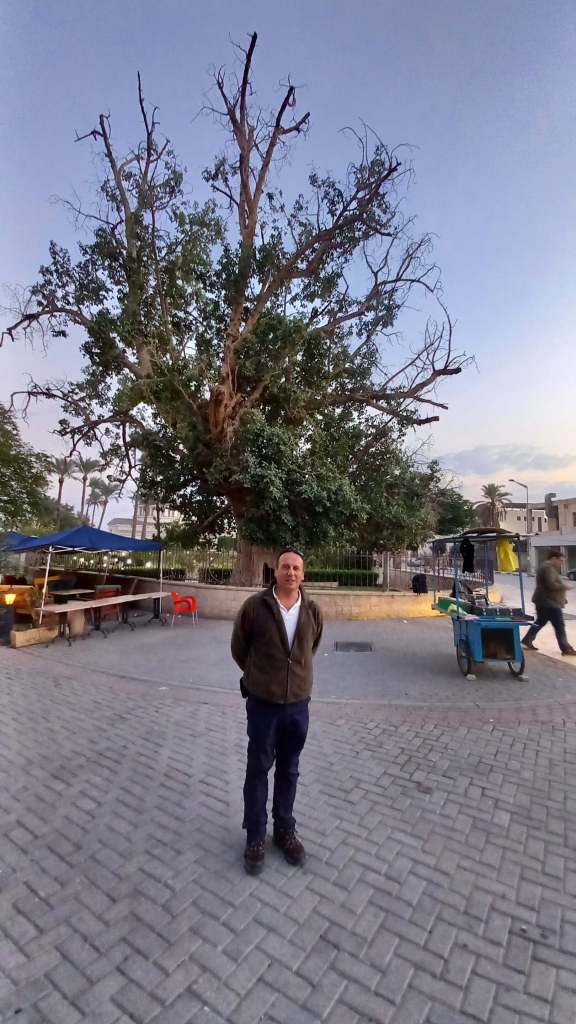
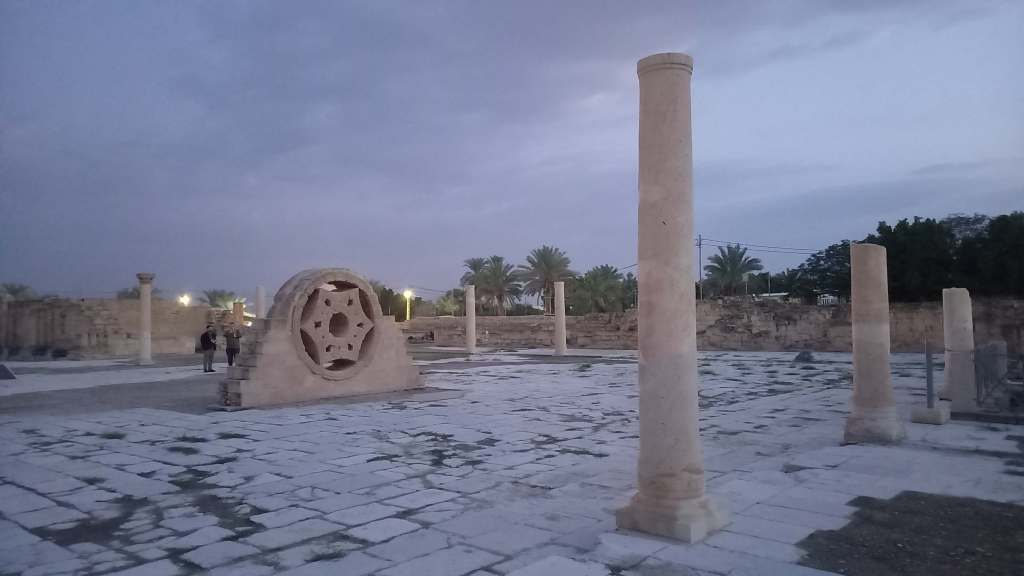
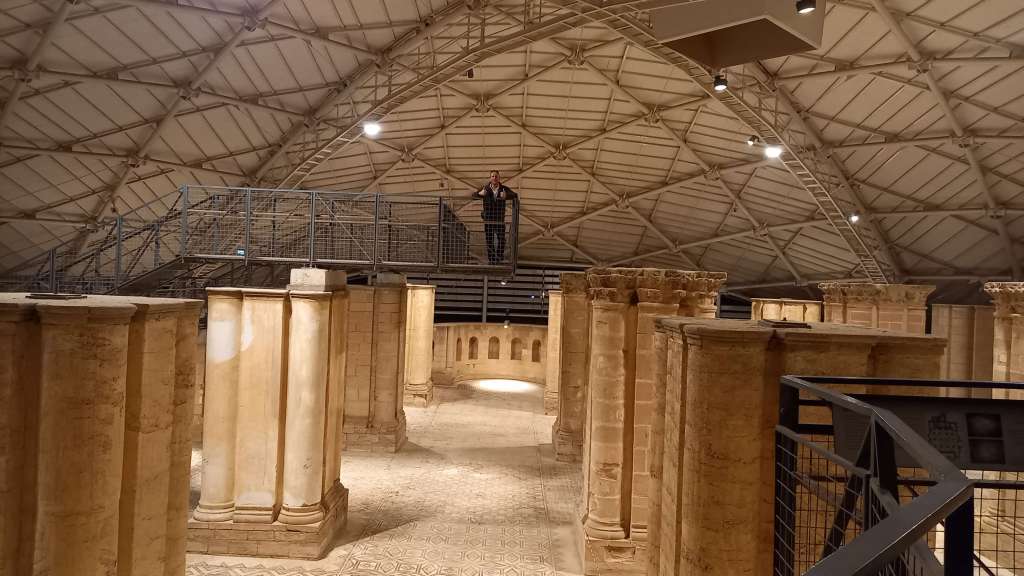
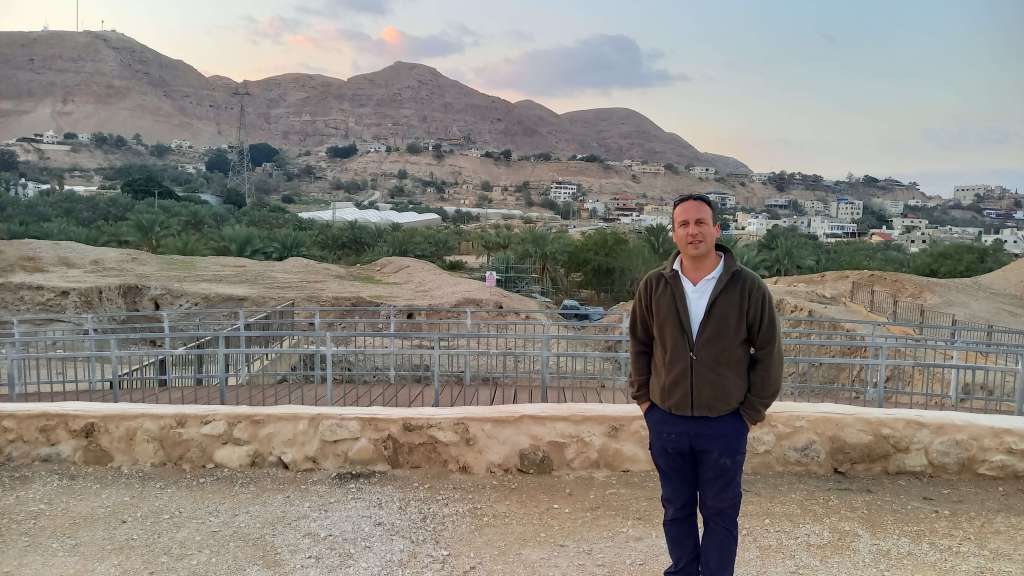
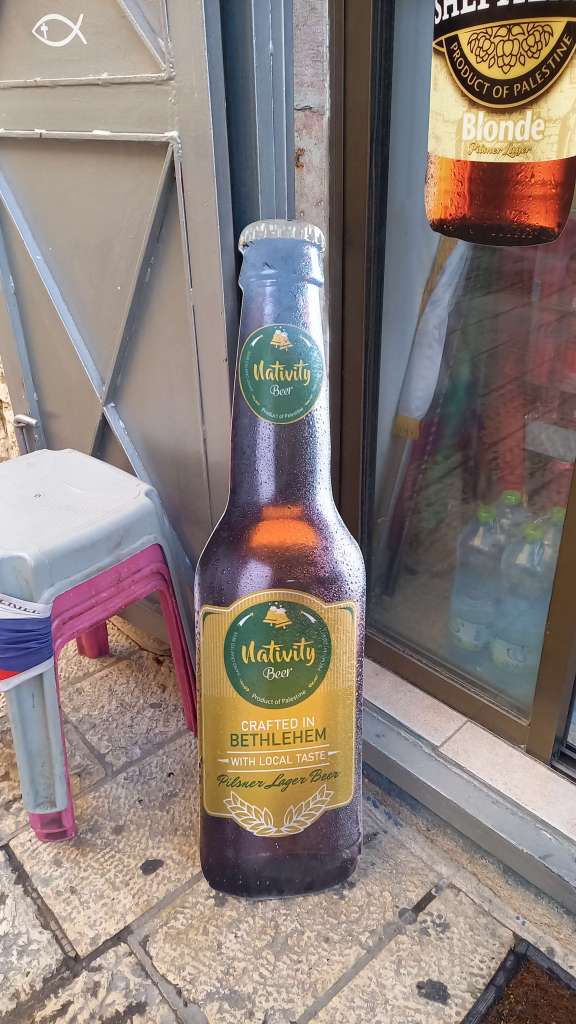
Finally for the afternoon, we moved on to Jericho, the oldest continually inhabited city in the world dating back 10,000 years! We first visited a viewpoint towards the Mount of Temptation, where Jesus is said to have spent 40 days and 40 nights fasting in the wilderness following his baptism, upon which he was tempted by and resisted three times the Devil’s attempts to divert him away from his mission to save mankind. We also visited Ancient Jericho and even some of its remaining city walls which Joshua had brought down 3400 years ago! Next was the Zacchaeus Tree, so-called after the chief tax collector who climbed a tree in order to see Jesus as he was passing through Jericho. This I was particularly excited by, as I had literally just taught this lesson to three of my classes the week before, and I promised my students to show them pictures of the Tree upon my return, which I did! While not the original, it is believed to be a descendant of the sycamore tree which the short chap had climbed. The last place on this whole tour day was a visit to the stunning 8th century AD Hisham’s Palace, with its huge mosaic, the largest in the Middle East at just over 800 square metres and over five million coloured stones. The complex was built by the Umayyad Caliphate based out of Damascus, as their winter resort – while Damascus can see snow in the winter, the Jordan River Valley indeed has a very pleasant temperature in the winter time. It is said to be like a furnace in the summer with temperatures sometimes exceeding 45˚- I’m glad we were there in December! After stopping for some Palestinian beer for the road called “Shepherds” in the centre of Jericho, we headed back to Jerusalem.
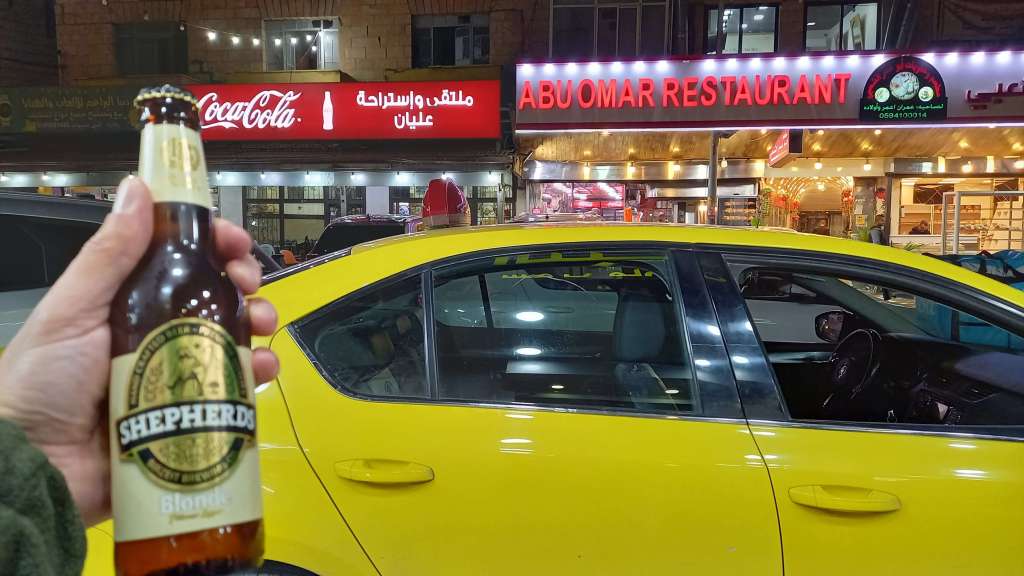
Back in town, I said a fond farewell to my fantastic fellow travel companions on this day, the two other Wise Men, and felt particularly grateful to be back in the comfort and security again of Jerusalem and Israel proper. The atmosphere was notably much less tense. What an amazing day it had been, definitely a learning experience of the Israel-Palestine situation for me, but mostly a profound, emotional and deeply moving day visiting so many sights so connected with my Christian faith and background. Thank you Lord!
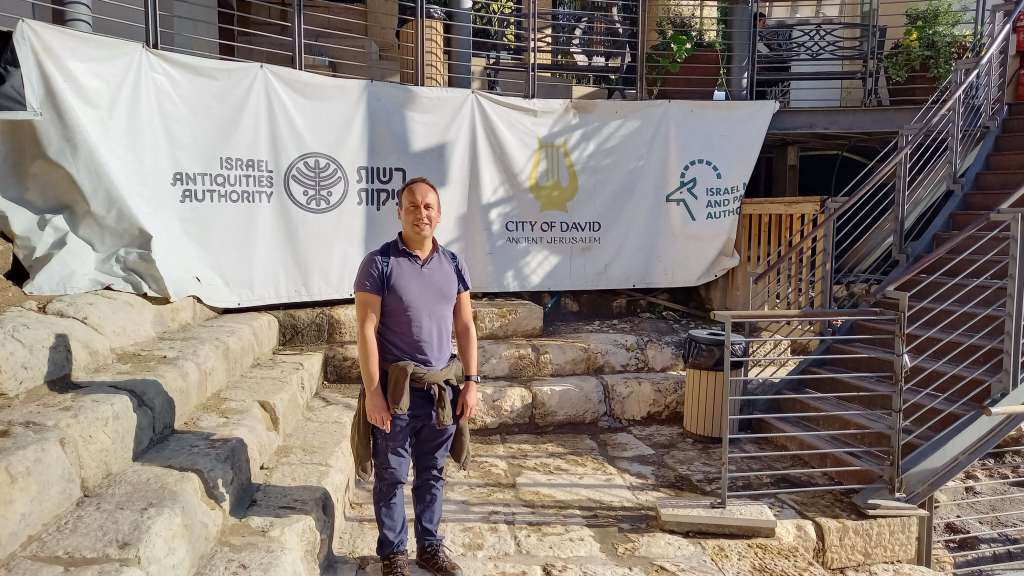
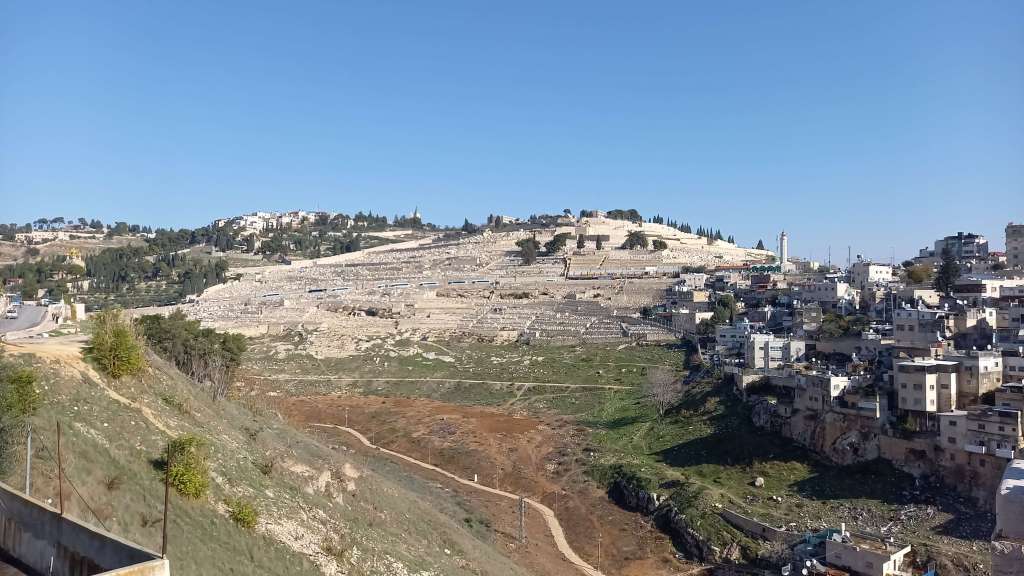
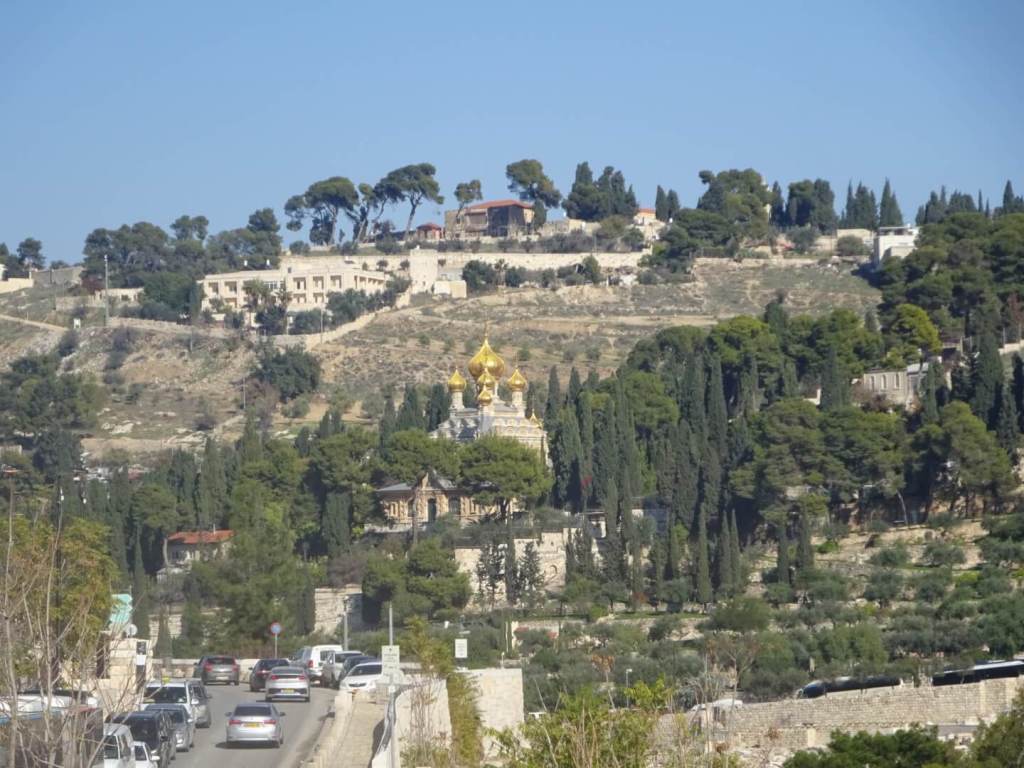
The next morning, there was one final visit left in store for me to mark the end of my incredible time in Jerusalem. I had arranged to meet up with a former form tutee and his family at the amazing City of David complex just to the south of the Temple Mount and the Old City of Jerusalem. Discovered only in the late 19th century by British engineer Charles Warren, its most famous feature is Warren’s Shaft, believed to be the water channel which King David and his soldiers used to enter Jerusalem to conquer the city and take it from the Ammonites around 1000 BC. Excavations are still being made on the site, with King David’s palace itself only having been discovered in 2005. We had a brilliant and very enthusiastic guide, who linked Bible references with the findings there, confirming that it was indeed King David’s Palace itself. Gazing from the stone ruins over the Kidron Valley below, I felt in awe that this may have been the exact same viewpoint which David was looking out over when he spied most fatefully the beautiful Bathsheba taking a bath.
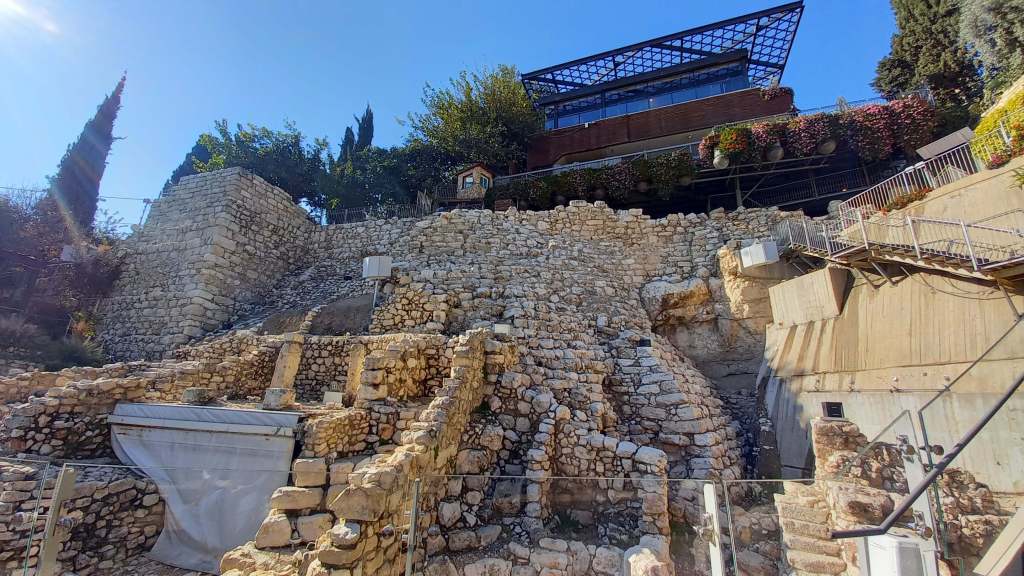
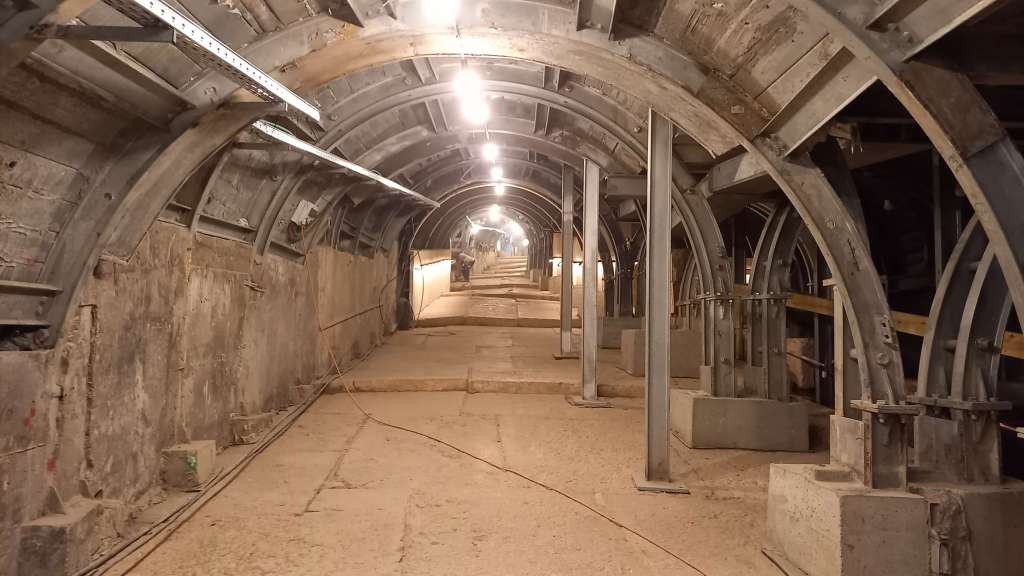
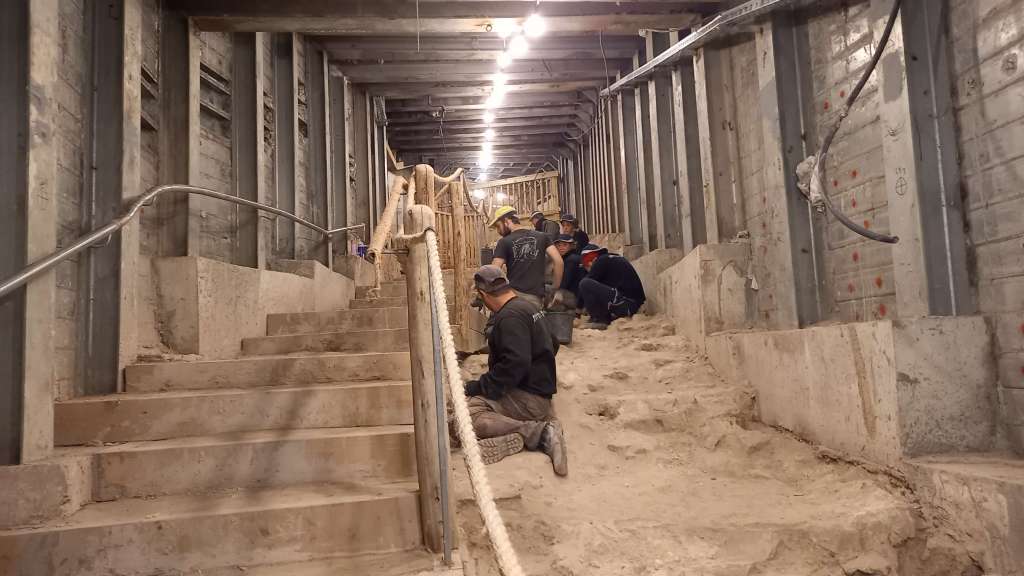
We were really fortunate to get a sneak private preview of a section of the archaeological site still being excavated, and not yet even open to the general public. This is a very long and wide staircase called Pilgrimage Road, leading from the Pool of Shiloh on the valley floor, all the way up to the Temple Mount itself. It is believed that pilgrims in ancient biblical times would have climbed these steps upon their arrival at this glorious holy city. It felt absolutely incredible to be some of the first modern-day visitors to walk upon this very staircase, past archaeologists and excavators who were still uncovering it there and then!
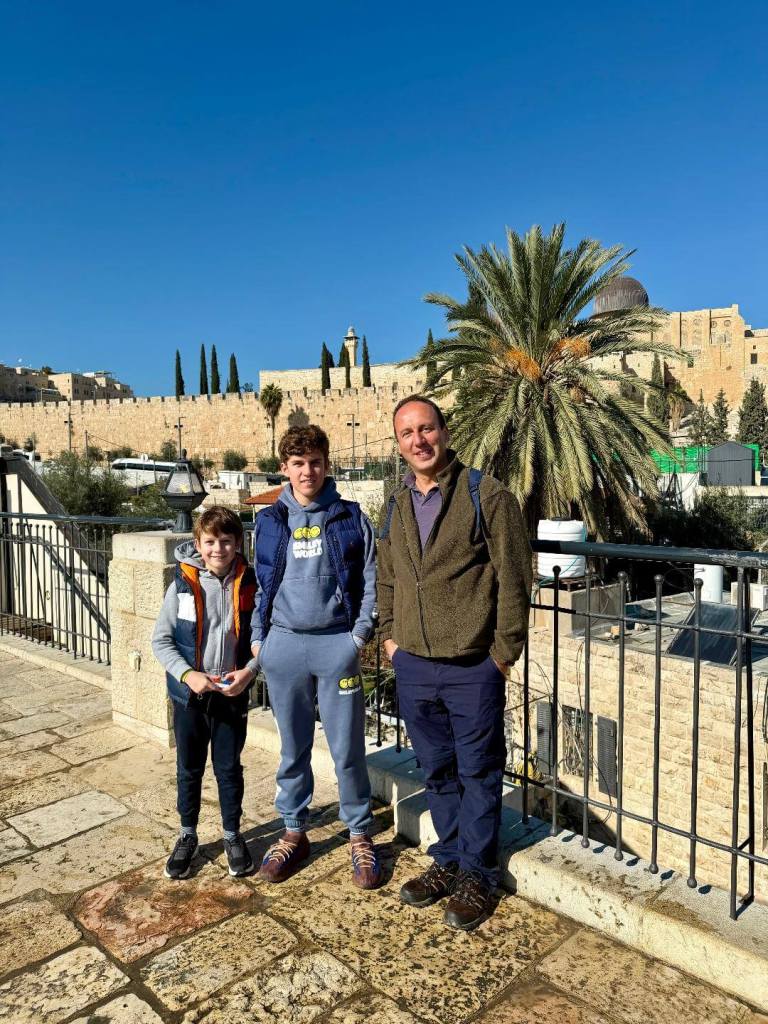
Jewish people are rightly very proud of the City of David, it confirms the historical and archaeological accuracy of connecting their modern-day selves to this glorious and ancient holy city of theirs. It was also lovely to see the family again, and an absolute privilege to visit this place.
After saying farewell to the family, and to Jerusalem, I set off in my rental car again to my next destination on this incredible journey, this time towards the north of the country – Nazareth and Galilee! More on that in my next.

 Alex Waring's Travel Blog