21st December 2025
After such an incredible journey through Israel so far, I was heading into my final few days of this amazing adventure in the Holy Land. Before I was due to fly home though, I still had quite a bit more sightseeing planned, which I will relate in this my final blog entry on my time in this amazing country.
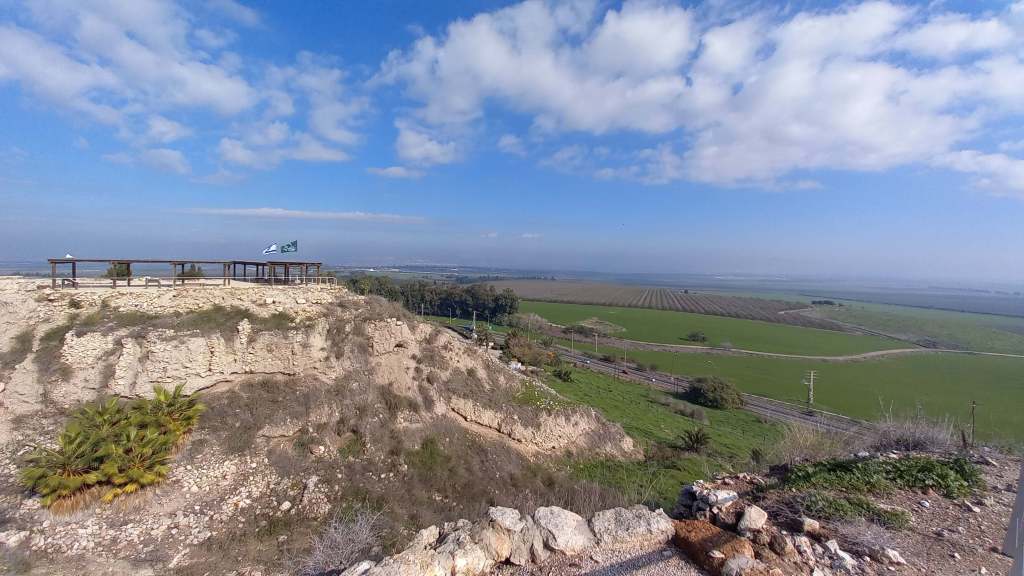
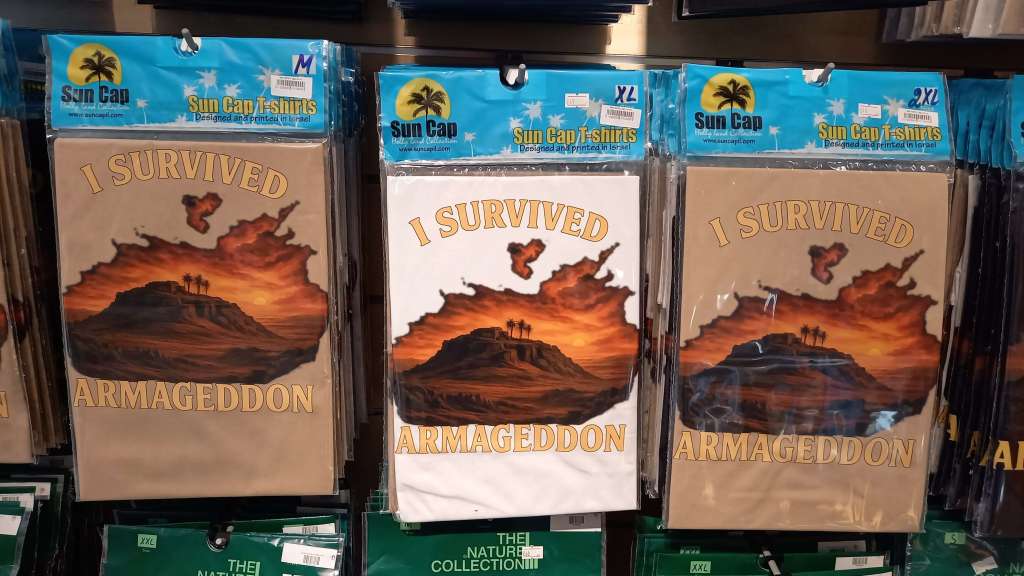
After saying goodbye to the nuns and leaving Nazareth, I drove down and out of the city which is in fact built up the side of a hill, and across quite a legendary place called the Jezreel Valley or Plain. Legendary in terms of both its surprisingly lush and fertile flat-bottomed nature surrounded by hills on all sides, but also in terms of its mentioning in the final book of the Bible, that of Revelation, sometimes referred to more dramatically as the Book of the Apocalypse. I was heading to a remarkable citadel built on top of one of the surrounding hills of the plain, called Megiddo, also known by its far more dramatic and impressive name, Armageddon. Yes, this is in fact the biblical location where the end of the world is believed by Christians to take place, where the forces of good will fight with the forces of evil and ultimately win, drawing in a new era of everlasting peace and heaven on earth with the second coming of Jesus. The battle is known as Armageddon, after the citadel, and will take place in the flat-bottomed Jezreel Valley below which I had just driven through to get there. It is not every day that one can stop off in such a surreal place while driving from one place to another, and so I just had to make that stop!
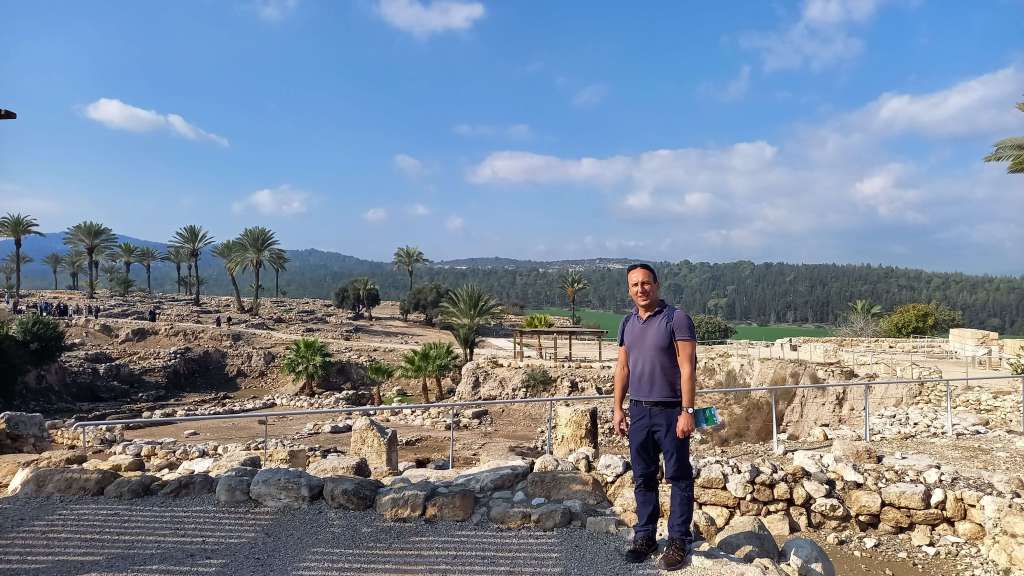
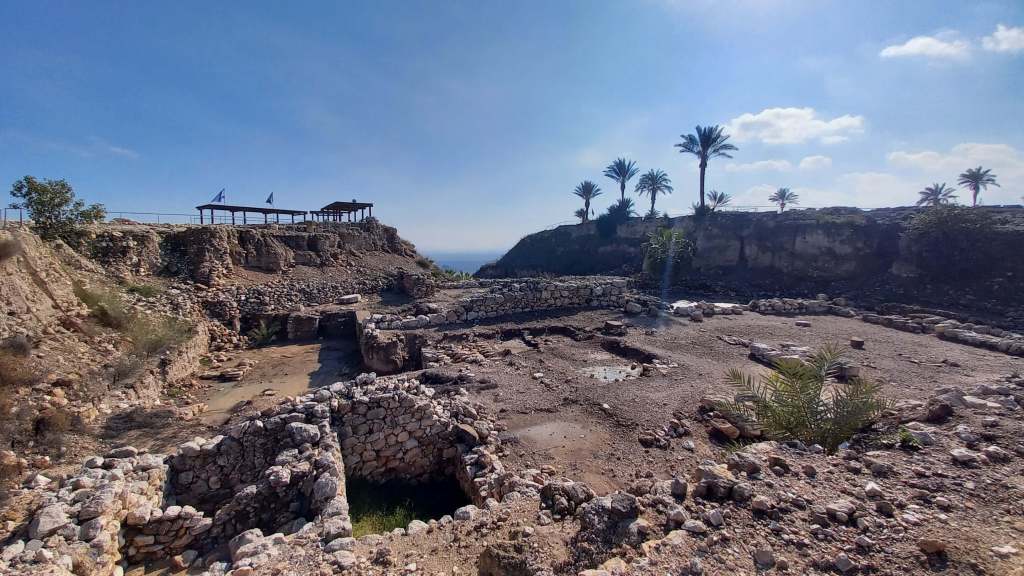
Aside from its biblical importance, Megiddo is also a remarkable site as an archaeological wonder in itself, where 30 different settlements have been found to be constructed on top of one another beginning around 9,000 years ago. The result is that the current remains of the citadel are now on top of this man-made hill, having been created by such layer upon layer of human settlement over thousands of years. The views from up there were incredible, over the green Jezreel Valley below and even on to Nazareth rising up a hillside in the very far distance.
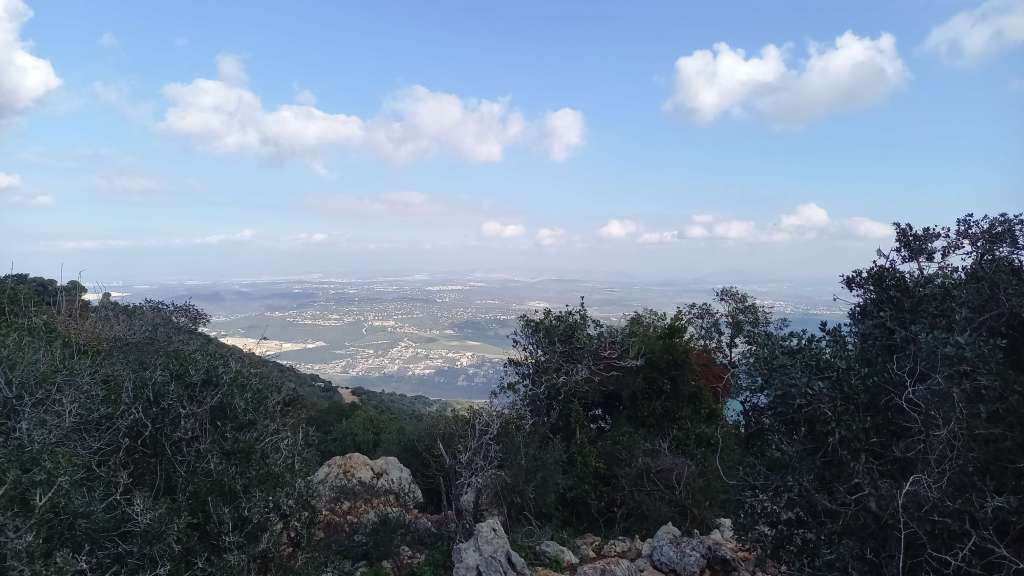
From here I drove on to yet another place of biblical significance, after having visited so many already in this land where so many places named in the Bible are right next door to each other. I was heading this time to Mt Carmel, specifically to the Deir Al Mukhraqa Carmelite Monastery, or “The Place of the Burning”. Although the Monastery was unfortunately and inexplicably closed on this day, I did do a little walk up there through the forest to a far-reaching viewpoint, feeling very satisfied that I had just explored the place where the contest between the Old Testament prophet Elijah and the Prophets of Baal is supposed to have taken place.
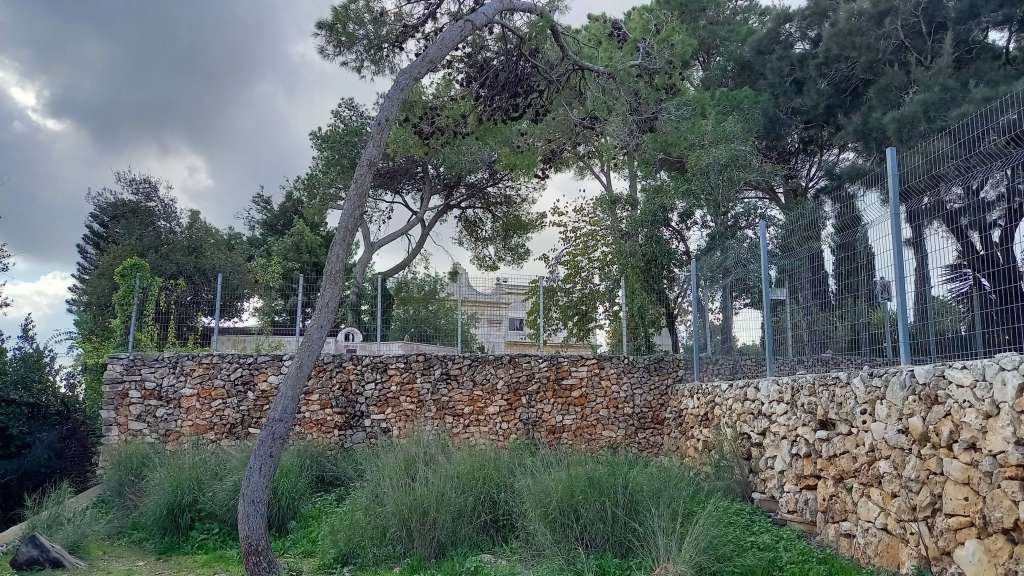
This story dates back to the 9th century BC, when the glory days of King David and King Solomon were over, Israel had split in two with Israel in the north and Judah in the south, and the northern kingdom of Israel was now ruled by the weak King Ahab and his wicked wife Queen Jezebel. Origin of a Shakespearean insult, Jezebel hailed from Phoenicia to the north and brought the worship of Baal to Israel, forcing the Israelites to worship this false god and even offer child sacrifices to him. Having none of it, brave old Elijah challenged the 450 prophets of this false god to a duel on the top of Mt Carmel so that all of Israel could see. Both parties offered sacrifices, and whoever’s sacrifice was accepted would prove whose god was the real god. When Elijah’s sacrifice was met with a burning flame from above, after the Prophets of Baal had miserably failed, the Israelites once more saw that God was the true god, and Elijah subsequently had the prophets killed down in the valley of the Kishon River below. Jezebel also met with an equally gruesome end a bit later. Mt Carmel has since become a special place, original home of the 12th century Carmelite order of friars and nuns, and while unfortunately not being able to visit the Monastery itself on this day, I loved just being in the location of this most powerful story from the Old Testament.
As if my religious experiences in this country were not enough thus far, the rest of my day brought me further encounters with two other religions which hitherto I had known pretty much nothing about.
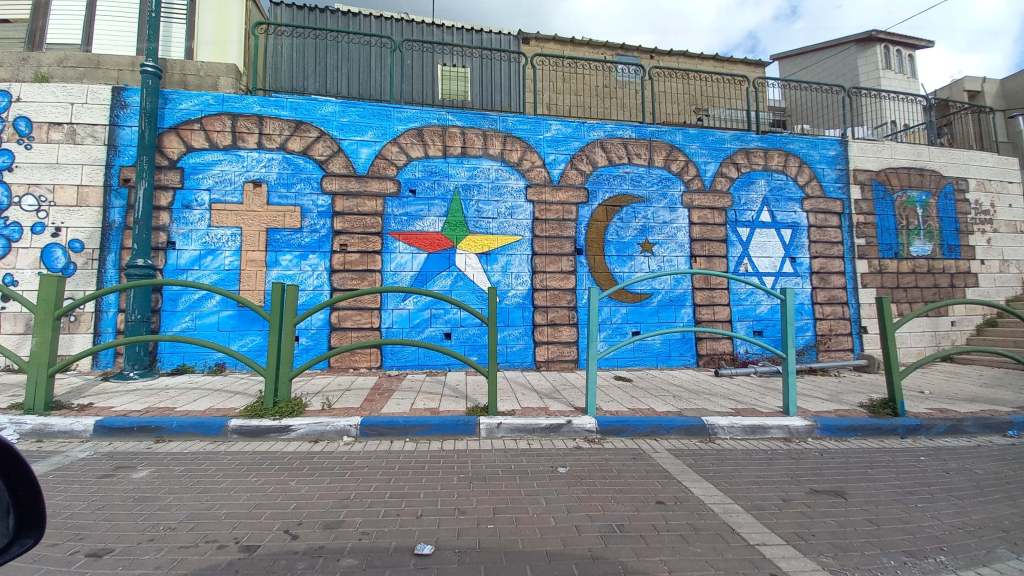
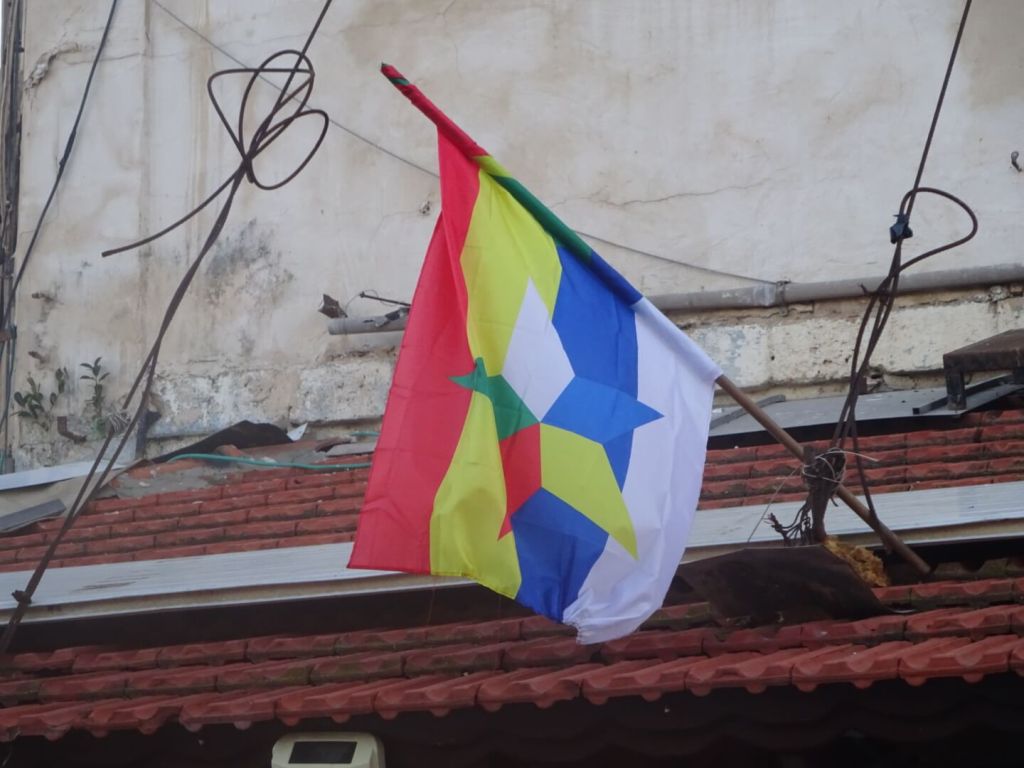
Firstly, on my way from Mt Carmel to my next destination, Israel’s third city of Haifa, I drove along the ridge of the mountain and through a fascinating little town called Daliyat, home to a significant proportion of the country’s population of around 130,000 Druze. This is a small religious offshoot of Islam, not considered to be part of the mainstream of this religion, and they believe really quite fascinating things. While they believe that God is one, as with the Jews, Christians and Muslims, they also believe in reincarnation; and while they look to Abraham, Moses, Jesus and Mohammed as prophets, their ultimate prophet is fascinatingly Jethro, the father-in-law of Moses and the chief of the Midianite tribe originating under Mt Sinai. Their symbol is a five-coloured star, with the colours green, red, yellow, blue and white, representing the mind, the soul, the word, the cause and the effect. Both men and women wear head coverings, and as a friendly Muslim lady explained to me in a petrol station up there, these are white, as opposed to the usual black for at least Muslim women, and based on this I passed by many Druze people as I drove through Daliyat on my way to Haifa.
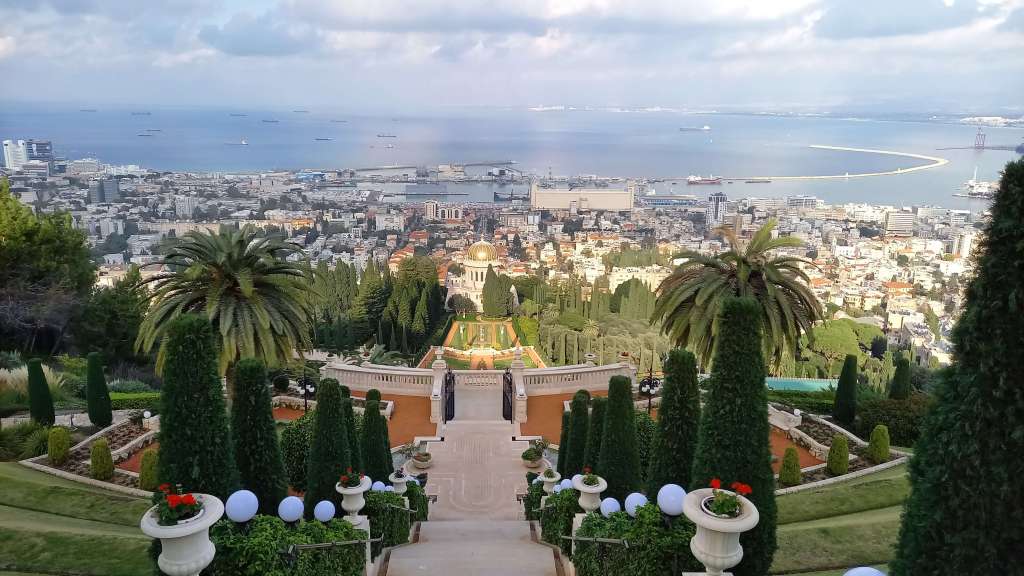
Leaving Daliyat, I was greeted with absolutely extraordinary views from atop Mt Carmel, down towards the expansive city of Haifa below, and the blue shimmering waters of the Mediterranean beyond. I have rarely approached a city in this way before from above, and even while still up in the mountain slopes I began to drive through the suburbs of this populous city of 300,000 people.
And thus came the second of my fascinating encounters of new religions in this really quite perplexing global epicentre of a country of different faiths and beliefs, that of the Baha’is.
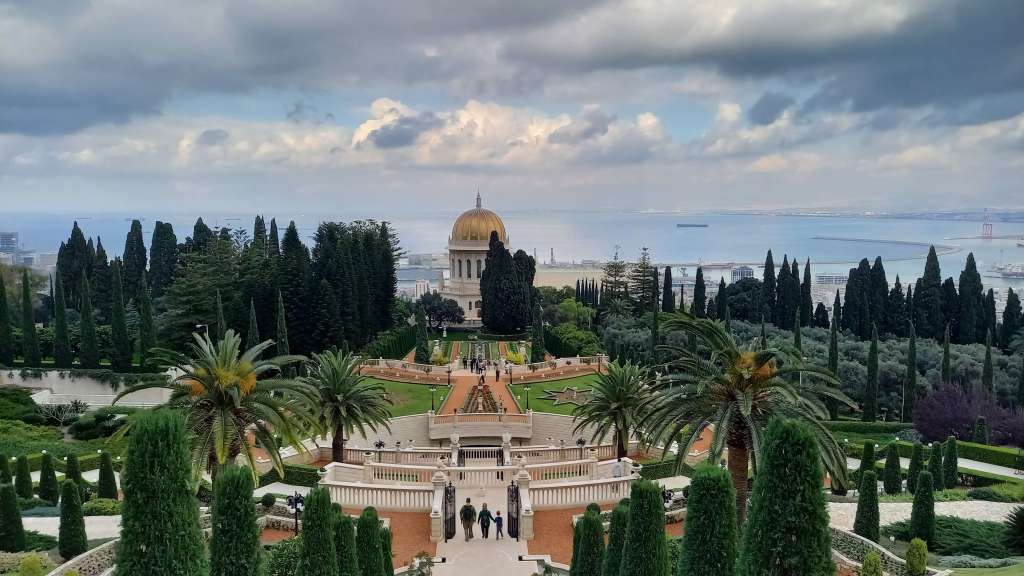
And thus came the second of my fascinating encounters of new religions in this really quite perplexing global epicentre of a country of different faiths and beliefs, that of the Baha’is. Baha’ism was founded in 1863, and despite being so young and having only eight million adherents, it is still classed as a ‘World Religion’ due to its widespread nature, and is in fact the seventh largest in the world. It was originally founded in Iran and Iraq, but after its founder Bahaullah was sent into exile by the Ottomans to northern Israel, it developed mostly in and around the northern Israeli cities of Acre and Haifa. What I particularly like about Baha’ism is its belief that all founders of major world religions carry truth from God, sent at various times to pass this on as revelation to humans throughout history, by key figures including Abraham, Moses, the Buddha, Jesus and Mohammed. It seems to me to be a very unifying religion in a world of oftentimes religious conflict.
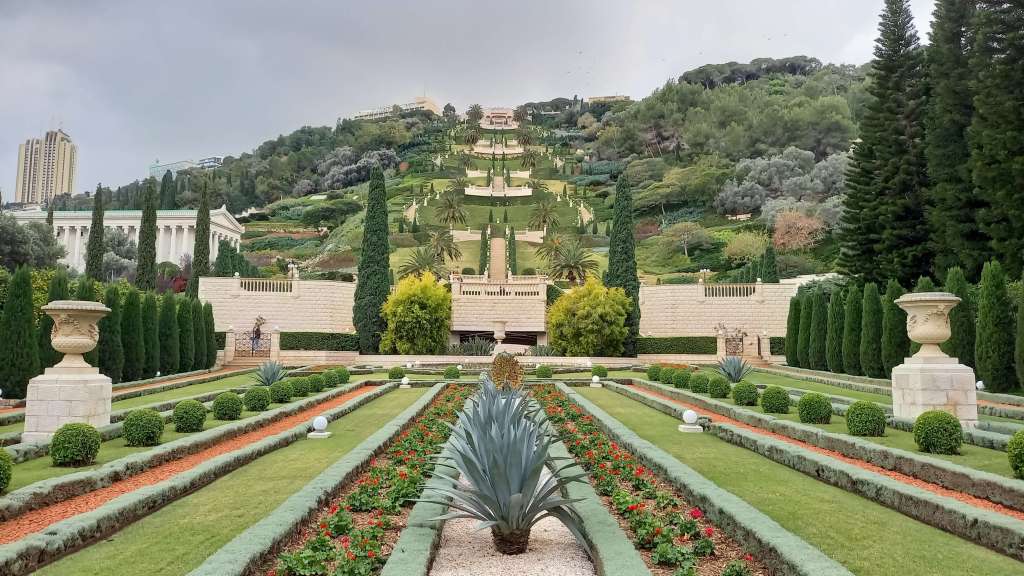
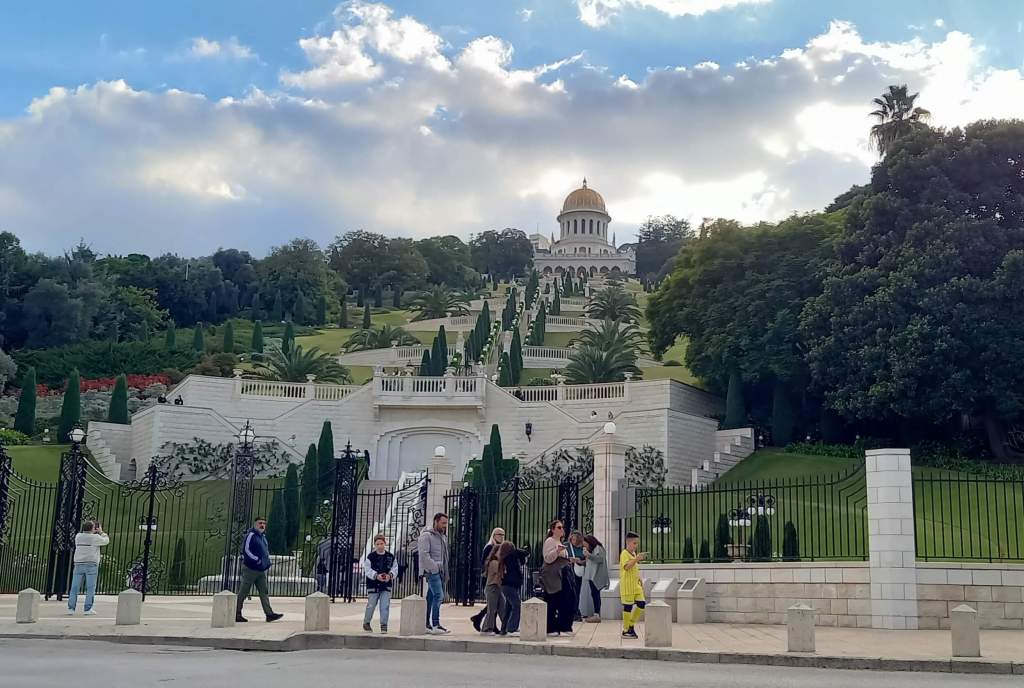
While Bahaullah is buried near Acre to the north of Haifa, whose Shrine is the holiest place in the world for adherents of the religion, here in Haifa the remains of a man called “The Bab” are found. The Bab is believed to be the forerunner of the religion who prepared the way for the coming of Bahaullah, “The Promised One”. This sounds a bit like the relationship between John the Baptist and Jesus to me. And here in Haifa, the most stunning and breathtakingly beautiful gardens I have ever seen are built around this tomb, the Shrine of The Bab: the Baha’i Gardens, or the Hanging Gardens, of Haifa. These are beautiful manicured, layered gardens rising a kilometre up the hillside of Mt Carmel from the centre of town, and can be visited only through a pre-arranged tour. I had booked my tour online a couple of days before, a Hebrew tour as the only English one is conducted first thing in the morning. I didn’t mind that I didn’t manage to understand much of what was said, it was just the sheer beauty of being in the place and walking down the 750 stairs from the top to the beautiful domed structure of the Shrine of the Bab in the middle, that was really special to me. Only “Pilgrims”, the name given to Baha’i visitors, can visit the actual Shrine though. The views were stunning, and the gardens absolutely exquisite. It was a real and unique experience for me to visit this place.
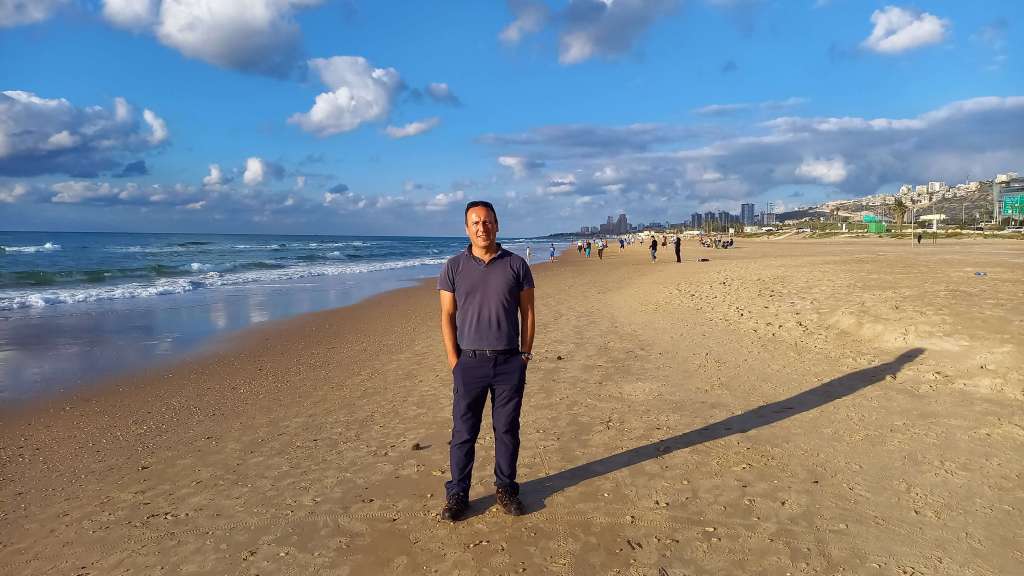
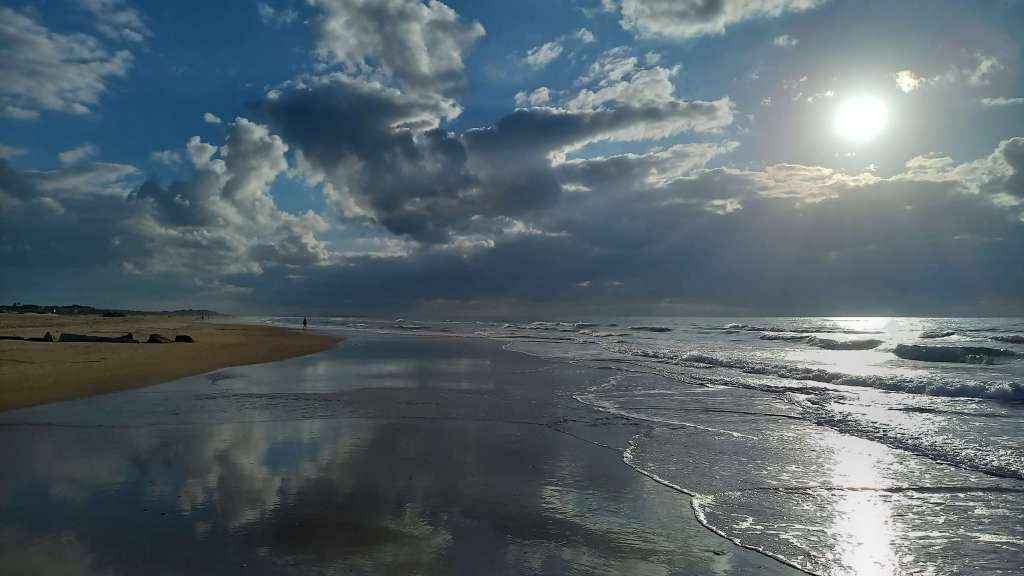
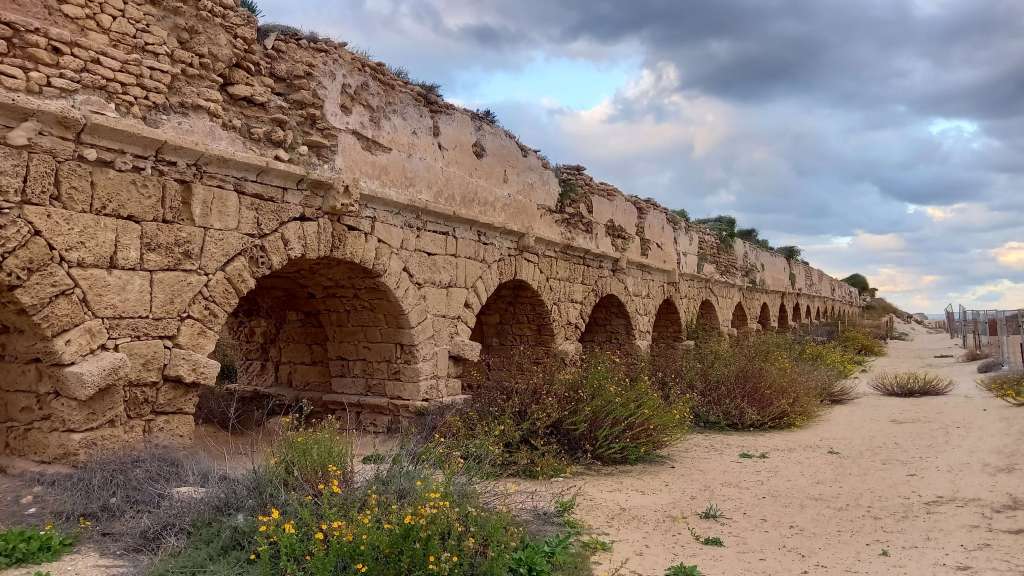
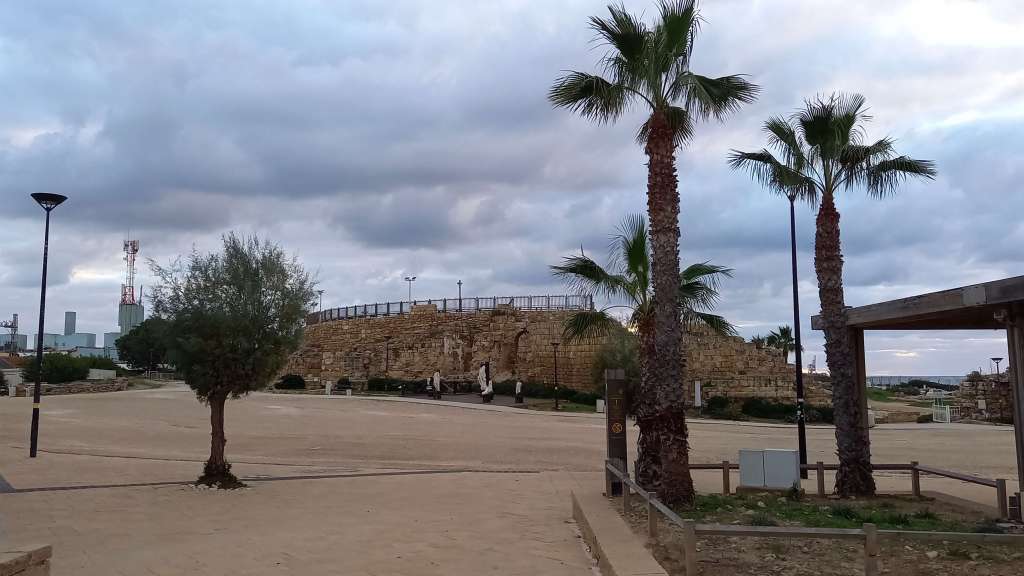
I then stopped off at Haifa’s beach for a bit, where I got talking to some friendly locals, before heading on for a longer stop at Israel’s most famous Roman at Caesarea, on the Mediterranean coast 30 miles to the south. Despite having arrived after closing time, I was still able to get a really good view of its most famous aqueduct at the aptly-named Aqueduct Beach, along with the back of its also-famous Roman Theatre, before driving my final leg back to Tel Aviv a further 30 miles south, and Ben Gurion International Airport to drop off my car.
After 800-miles driving round this absolutely incredible country, I was ready to give her back and go for public transport again. Except there was a slight problem – it was a Friday evening, and Shabbat had come around once more. In a previous blog I noted the difficulties in travelling in Israel during Shabbat, and also noted that the first time round it wasn’t quite so bad as the second time. This actually became one of my most stressful travel experiences ever, though still not so stressful as my border crossing from Harbin in China to Vladivostok in Russia back in 2022. I will now relate.
It first began with a shockingly expensive taxi ride to my next accommodation only eight miles into town from the airport. Shabbat meant that there were no trains or buses into town, and thus taxis with a 25% added Shabbat surcharge were the only option.
This was followed by three hours of trying to keep as cool and as calm as possible, from 7pm to 10pm, as upon arrival at my accommodation, the door to the apartment building where I was staying was locked. While my host had sent me detailed instructions of getting into her flat and my room, there was no mention of how to get past the main door into the block of flats itself. I didn’t have roaming on my phone and thus no Internet connection, and tried calling her several times and texted her, but no answer. I spoke with one of her neighbours out walking her dog, who also tried calling and texting her – nothing.
I waited an hour until around 8pm, and what followed next felt like walking through an RPG game, trying to find clues and solving puzzles. It was this idea in my mind that kept me from panicking, as I knew there was a solution and an end goal eventually, I just had to follow through the game.
Around 8pm I spoke with three guys who were out with one of their babies. Since it was Shabbat, not many locals were using their phones as religious Jews prohibit use of any electrical item. One of them, seemingly not so religious, kindly offered to lend me use of his WiFi hotspot a short walk away in his car, so I could find the details I needed on my phone to call booking dot com. Their Hebrew number was not working due to Shabbat, so I couldn’t use the local chap’s phone to call them. Instead, I used my own £3-a-minute UK number for my first eight minute call to them that evening. They cancelled my booking for a full refund, plus 50% for the hassle, which I appreciated, and said they’d email me alternative accommodations within 45 minutes. I said goodbye to the three guys, and started walking towards Tel Aviv city centre around three miles away, as I was thick in the middle of the city’s residential suburbs with no bus transport or taxi-hailing app to access on my WiFi-less phone. I was hoping to find a WiFi place that was open along the way, and figure my next steps out from there. The area felt dodgy, and the first two local café-bars that I came across had no WiFi.
Just outside the second café-bar, a friendly taxi driver lent me use of his mobile phone WiFi hotspot and let me sit in his taxi for free for a short while as I checked my email. Nothing, so I paid him a small fortune (Shabbat surcharge fares again) to take me into the centre of town, to Rothschild Street, the heart of Tel Aviv nightlife, planning on this being the best bet to find somewhere with WiFi. I found a bar which let me sit down without buying anything and connect, and the email that booking had sent had arrived by then. They said they couldn’t find me alternative accommodation, and instead simply advised me to look for one myself – this wasn’t the most helpful this company has ever been with me to be honest, and I was disappointed.
Within a short while online, I found a place near the Tel Aviv Port two miles to the north and booked it rather quickly. Took another expensive taxi to get there, and I was of course travelling with my two small backpacks and an extra bag full of my self-catering supplies. The place turned out to be a serious dump, and some people inside shouted “Shabbat Shabbat Shabbat!!!” at me when I entered. As I could not see these people, I could only assume they were some obsessively Orthodox Jews who would benefit to my mind from listening to Jesus’ teachings on love ahead of the Commandments. I left straight away, but just outside found I was still able to use the place’s WiFi connection, through which I found a nearby hostel a short walk away, and headed there. I was preparing myself at this stage to even go for a dorm bed, as it was approaching 10pm, and at least it would be a roof over my head for the night.
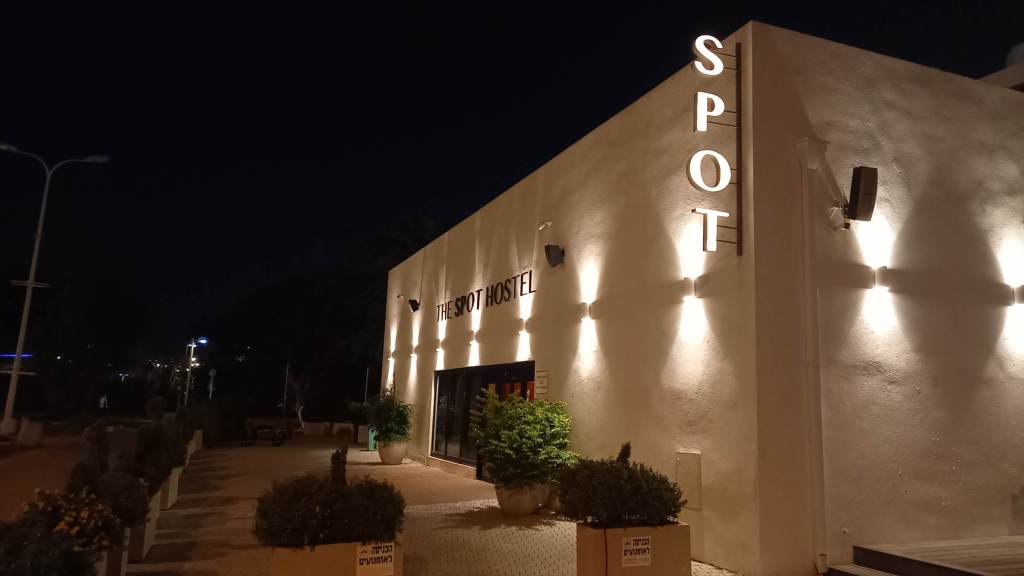
I arrived, and while there was a seriously loud party going on in the eating area, I managed to check myself into a very quiet and soundproofed private room with bathroom for close to the same price as my original accommodation. I called booking again to request a refund on the second booking I’d made at the serious dive, which I got, after another seven minute call. After the original £60 taxi fare from the airport, I had spent an additional £35 on the two further taxi rides (pretty much all the cash I had on me), £45 on the two booking dot come phone calls (I later managed to have booking dot com compensate me for this, which I was pleased about), and both my phones were by now on low charge, which all further added to the stress.
I guess in many other places I’ve travelled in, you can simply walk into a hotel to book upon arrival, which is probably what I would have done elsewhere. This wasn’t an option for me here, as most of the available rooms in the centre of Tel Aviv that I saw online at this late hour were seriously posh and out of my price range (£150 per night and upwards), and thus the only way I could find affordable accommodation without rocking up to each and every accommodation was online.
With my refunds and compensation, I worked out that in the end I wasn’t actually too much out of pocket. My room felt like heaven to be in, and after a cigarette outside and a couple of whiskies, my nerves were calm again, and all felt well that ended well. I actually had several recurring dreams of this place I ended up in prior to my arrival, which I find absolutely fascinating!
The original accommodation owner rang me on WhatsApp shortly after arriving in my new accommodation to profusely apologise, which I accepted, saying she had been at a Shabbat dinner where phones were not allowed, and had simply forgotten to send me the door code. She offered me a free night’s stay there if I ever visit Tel Aviv again.
It was certainly an experience, and I learnt much from it. It helped me to empathise a bit more with what Mary and Joseph must have experienced arriving in Bethlehem, to not overlook private rooms in hostels in future as this room was really quite nice, and to understand what a slippery slope homelessness must be. It also helped me appreciate the kindness of strangers, and to hopefully encourage me to help those I encounter in need too. The song “Another Day in Paradise” played in my head the next day, it was one of the songs my first taxi driver from the airport had played on the way to my first, doomed accommodation – rather prophetic!
While I slept well that night, I did wake up a few times feeling quite anxious again. I think it was a healthy reminder to be wary of letting my guard down when I travel – travelling, particularly solo travelling, has its hard times as well as its amazing times. It’s good to be reminded once in a while to be aware of this I think and avoid complacency, in our whitewashed and padded world of WiFi and online booking.
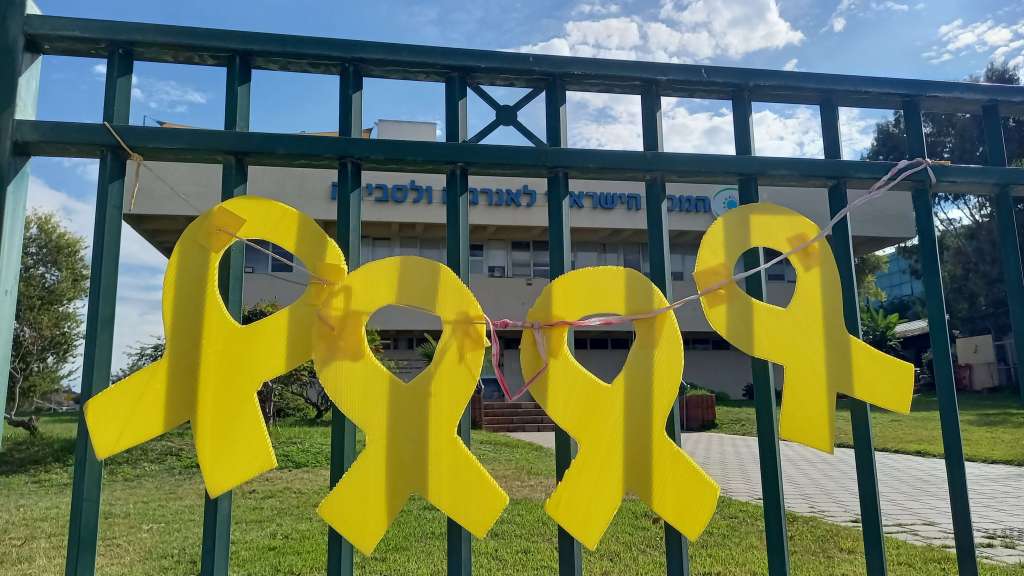
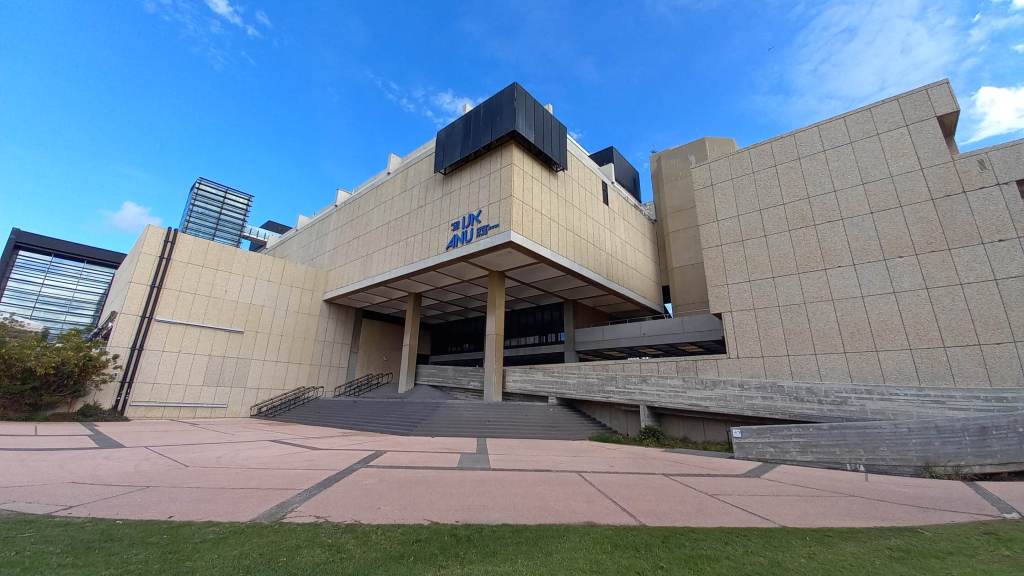
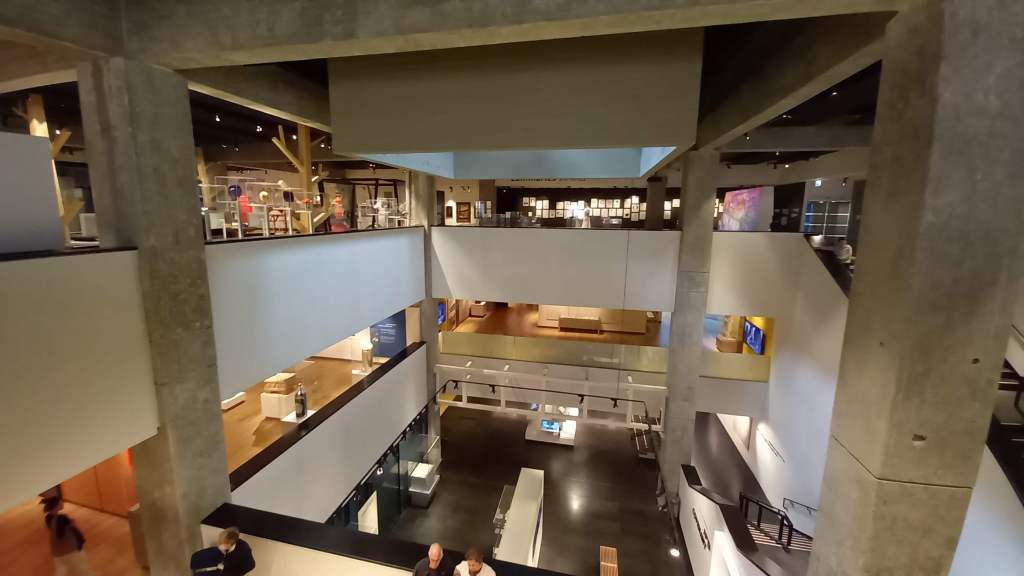
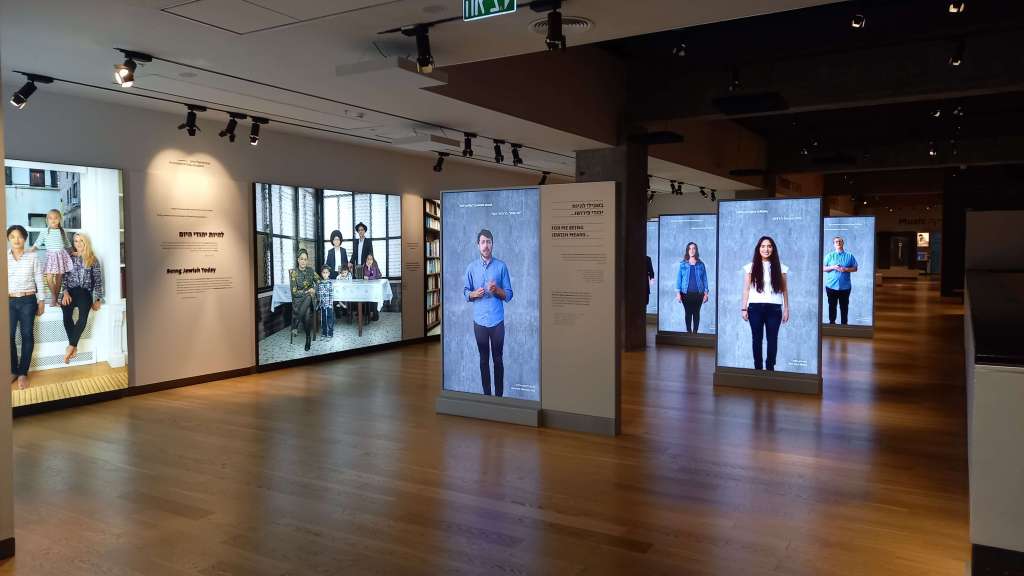
The next day was my full day in Tel Aviv, and compared to the evening before it was comparatively chill. After a well-needed late start, as I didn’t turn out my light until after midnight the night before, I walked two miles to the Museum of the Jewish People, recommended by a former school colleague and Facebook friend (thank you Jacquie if you’re reading this!) I walked there, as on this Shabbat day I may have mentioned that there were no public buses, and experience had recently taught me that taxis were an expensive option. The walk was nice, and it took me through the lovely grounds of Tel Aviv University, whereupon a bag search was necessary in order to enter. It was a brilliant museum, and my journey through it took me on a rollercoaster of emotions, learning so much more about what it means to be Jewish. Their story was told from the biblical origins of the Sons of Abraham, through the Jewish diaspora following the Roman crushing of the 1st century AD Great Jewish Revolt, subsequent success stories and persecutions seemingly everywhere they went over the following two millennia, and finally to their return back home again last century. One phrase I picked up during my visit that really stuck in my mind was “Jewish people have learned over the years to pack quickly”. I shed many a tear in there. As mentioned in a previous blog, Israel is the first and probably only place I have been where Jews unashamedly and laudably show and celebrate the Jewish Jewishness, particularly at this time. I am more convinced than ever of the absolute vitalness for these people to have their own country and land, free from harassment, abuse, persecution, torture and death.
I then aimed to walk around half-a-mile from there down to a bus stop where buses were actually running – while there are no payable public transport buses during Shabbat in Tel Aviv, there are in fact free “Shabbat buses” that ply a number of routes throughout the city on this day. This turned out to be really quite handy on this day, as I needed to go to the completely opposite side of the city centre, around four miles to the south, and I had just about done with paying for taxis. It turned out, however, that I still needed to take a taxi just to get to the bus stop. Yup, Shabbat even got to close one of the pedestrian tunnels I had planned to use to get to the other side of a busy highway and railway to get to the bus stop I needed, and there were no alternative public footways or pavements I could have taken. This was because the pedestrian tunnel was attached to the adjoining train station, itself of course being closed. I was not kidding when I mentioned that the traveller has to bear Shabbat, and all other Jewish holy days, in mind when travelling in this country!
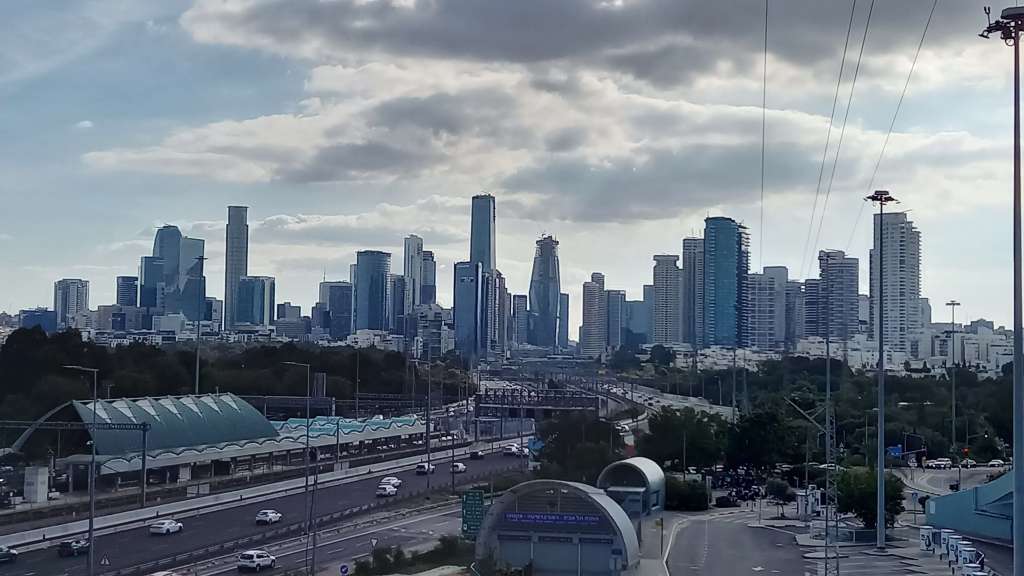
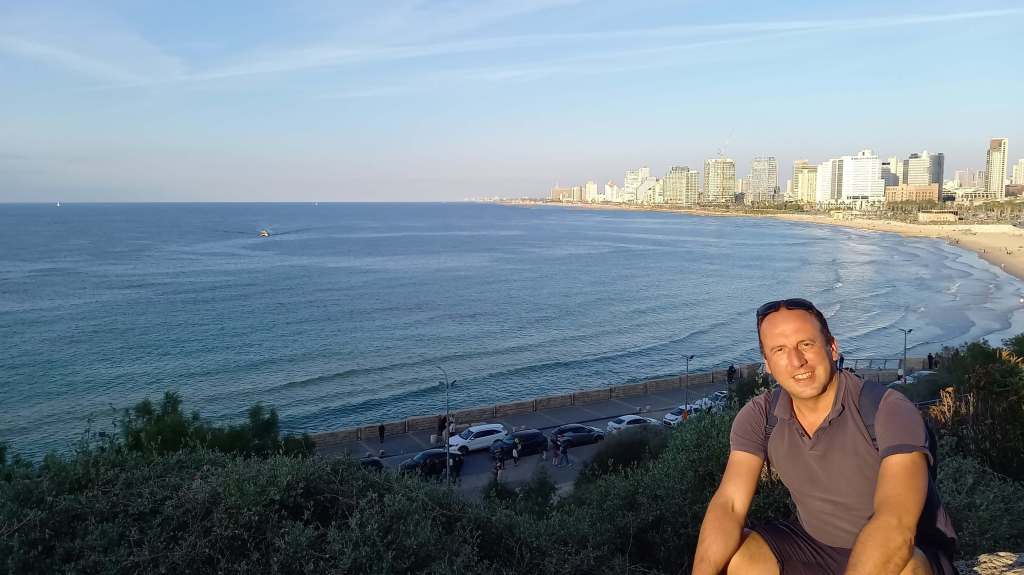
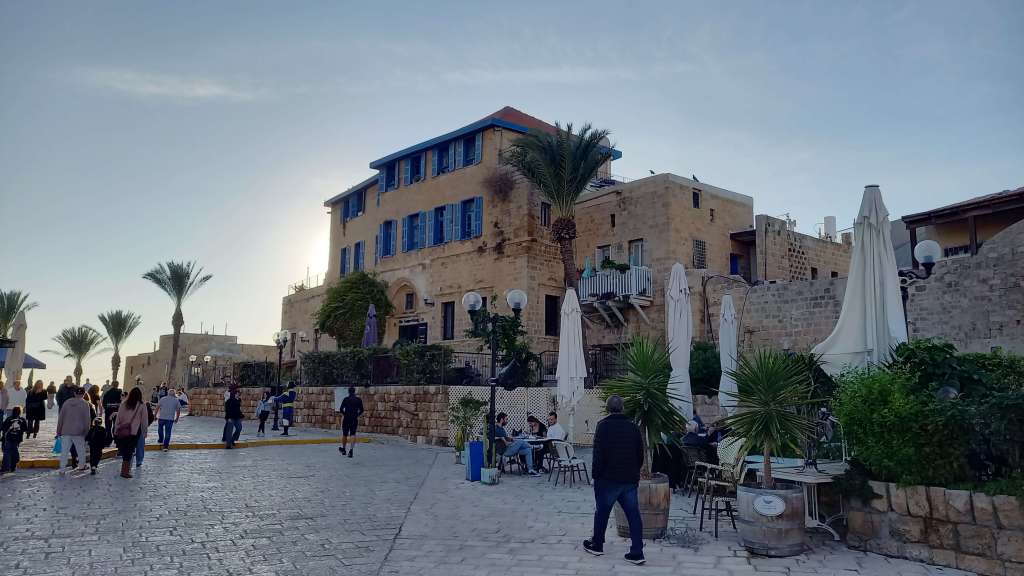
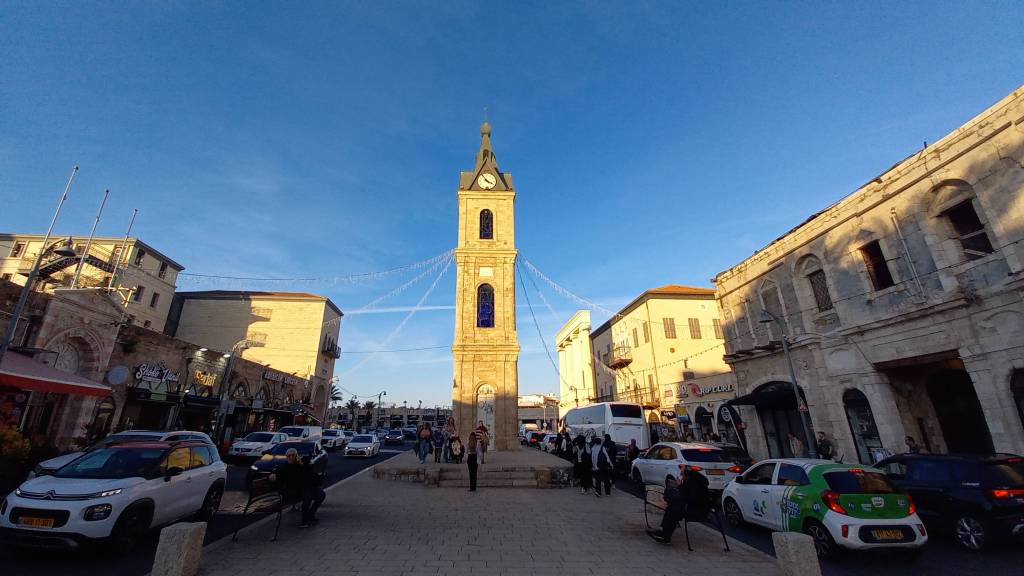
I was heading to Tel Aviv’s twin city of Jaffa, also known as Yafo, and together the urban conurbation is officially known as Tel Aviv-Yafo. Tel Aviv itself is a comparatively new city, founded as recently as 1909, on a barren and windswept area of land and sand dunes purchased from the local Bedouin people at the time. It was founded just north of the existing Arabic settlement of Jaffa or Yafo, which itself is a comparatively older 5000 years old! While Tel Aviv is home to the metropolitan glitz and glamour of the country, Jaffa is its historical heart, and served as the base for many international missions and consulates during the 19th century. It thus has a really attractive Old Town and adjoining Port, which were both fascinating to walk around, with cafes, bars and dining places filled to the brim with locals out on this glorious afternoon for a Shabbat stroll and a bite to eat. I also took in its famous Clock Tower, along with its awesome sweeping views over Tel Aviv city and beach below.
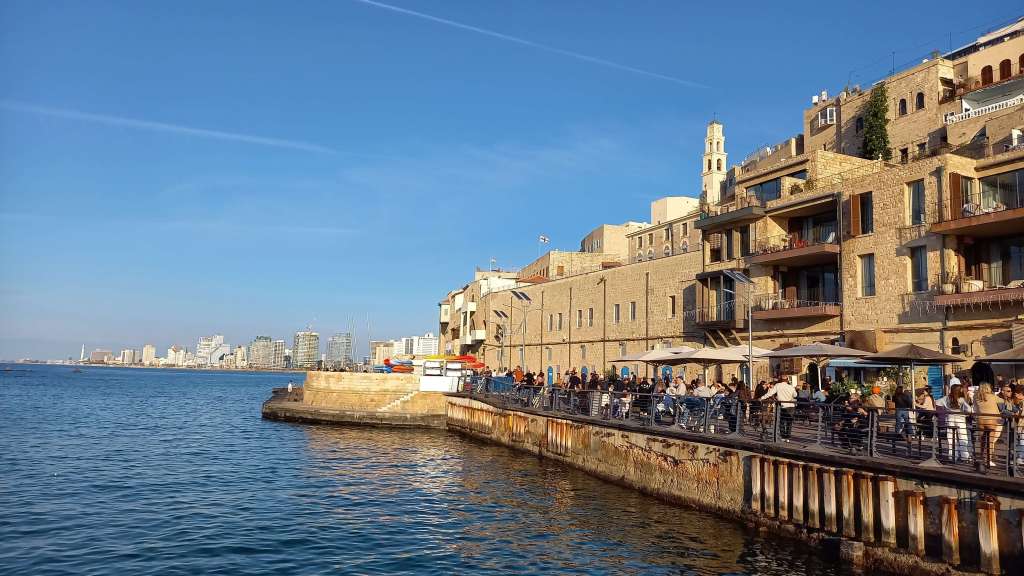
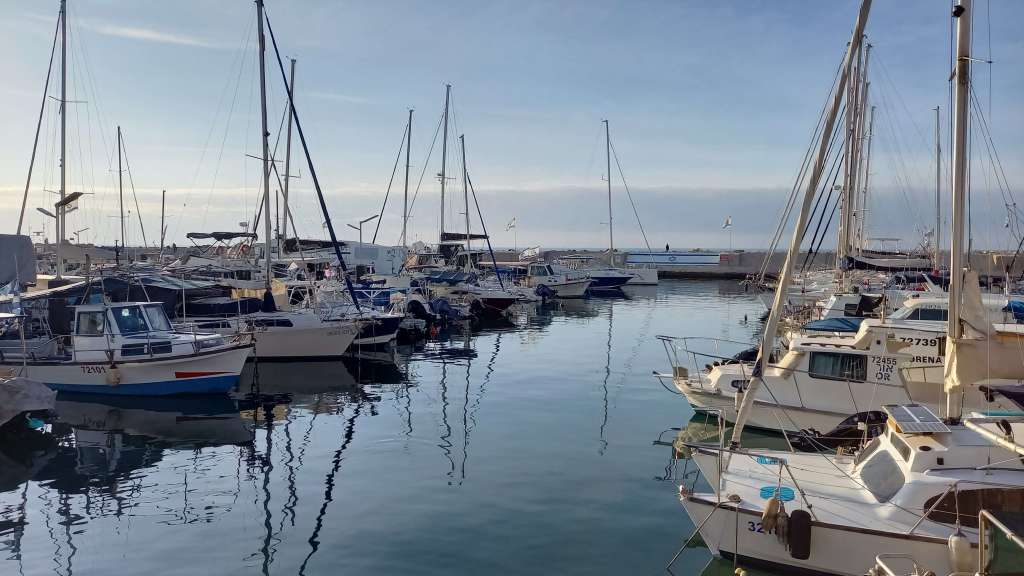
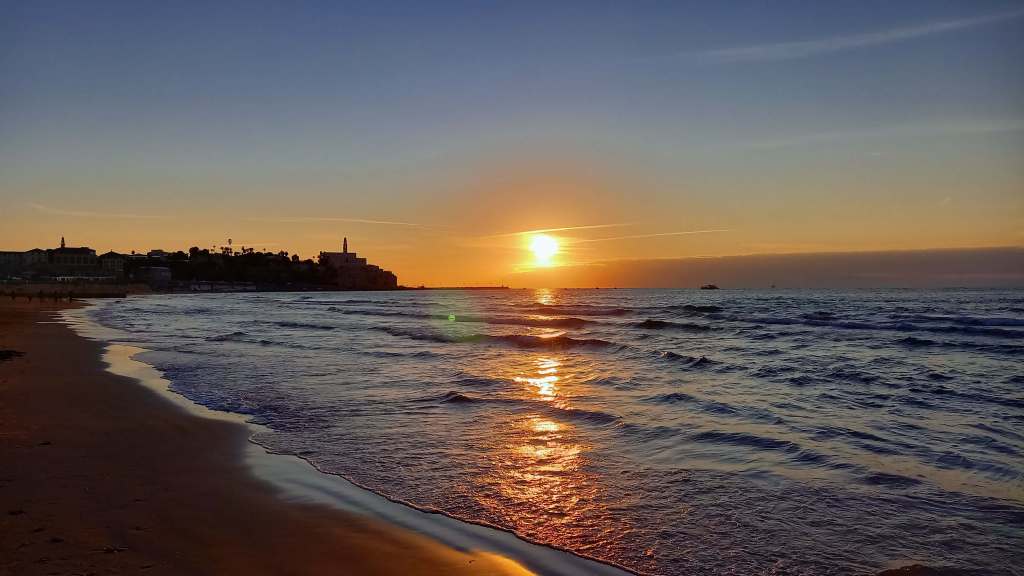
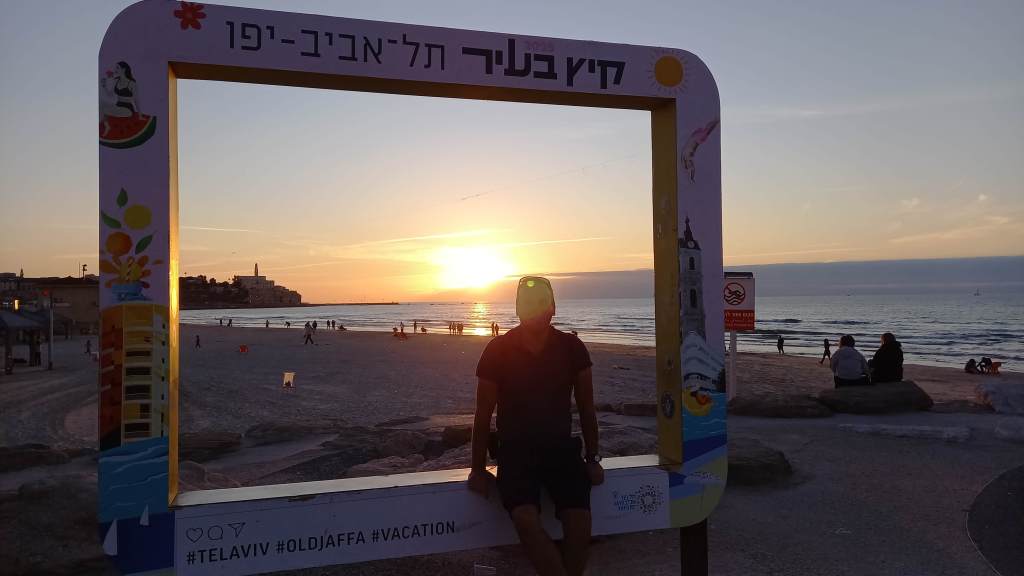
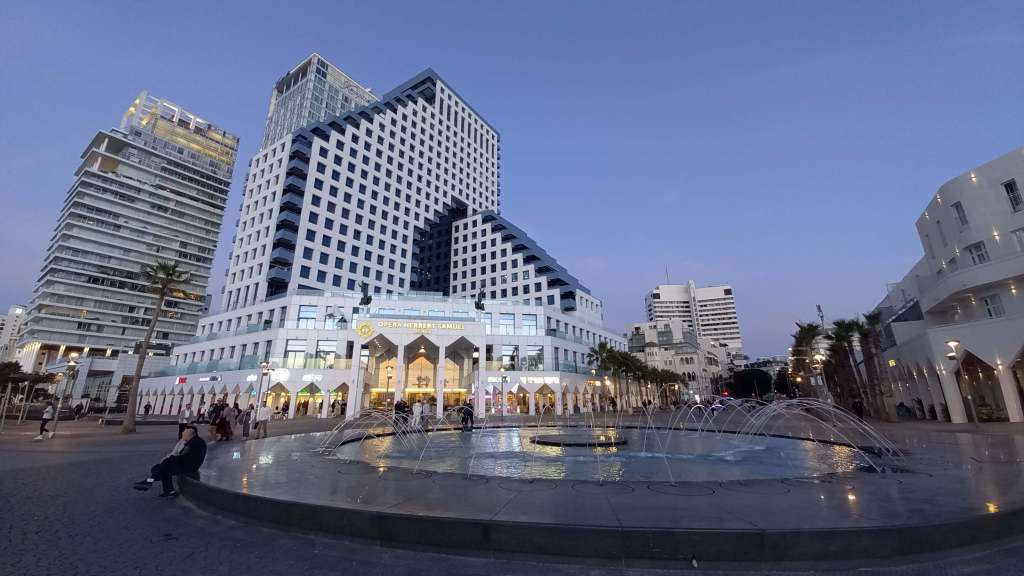
I then headed for a wonderful three-mile walk along the central stretch of Tel Aviv beach, from south to north, Jaffa to Tel Aviv Port where my accommodation was. It was an extraordinary place, with beautiful views enhanced by the setting sun, and a surprising amount of gleaming, shiny skyscrapers. The place was buzzing and busy with many good-looking people, lots of families, groups playing music, dog-walkers and shirtless joggers. I made eye contact with some friendly faces and had a few pleasant exchanges, although the place certainly had more than its fair share of some really quite rude, self-centered types. I thought this was a combination of the typical brashness one finds in big cities, mixed with the really interesting “sabra” character of the Israeli people. Sabra is the Hebrew word for prickly pear, and is often used to describe the nature of Israeli people, especially those born there as opposed to those who have migrated – sharp and prickly on the outside, but soft in the middle. I came to understand that this must come from the nature of living in such a country, surrounded on many sides by animosity, anger and at times outright evil. Growing up in such a place, one must have to develop a thick skin that may find it hard to trust strangers, but deep down there is the Mediterranean passion and red bloodedness, along with the Jewish joie-de-vivre, that is probably more often revealed once one has got past the hard exterior and moved into the trusting type of relationship one may have with them.
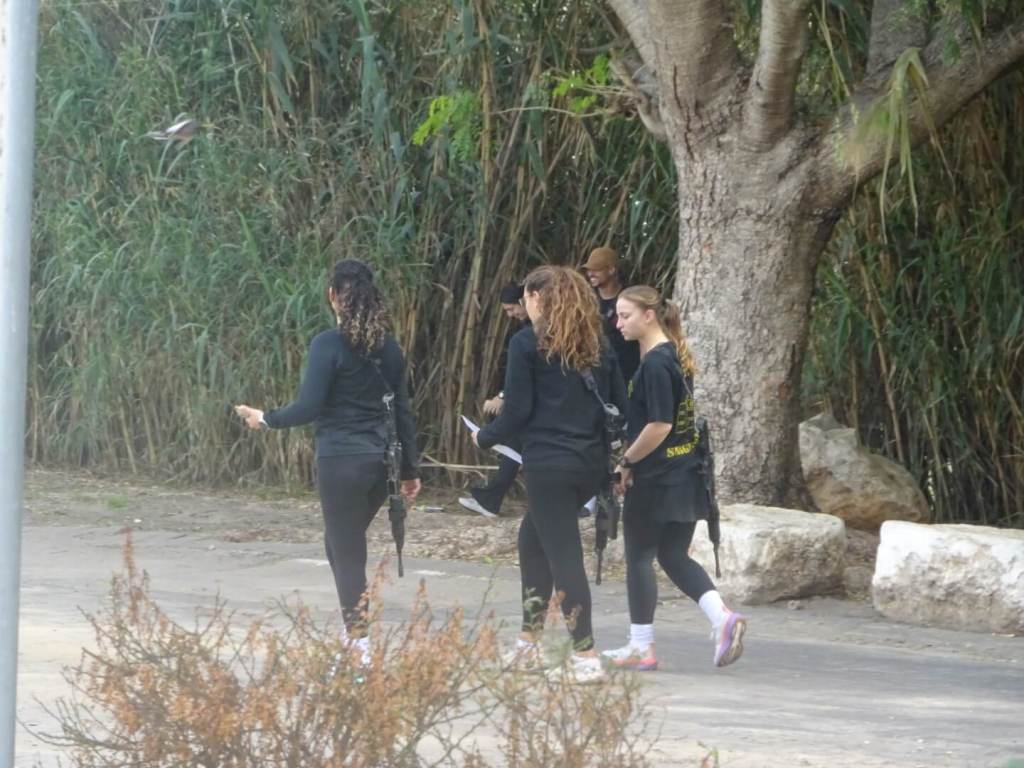
Back to my accommodation that evening, I was glad to have had a really positive experience of the Israeli big smoke after the stresses of the evening before. I had a chilled evening in my room, followed by a chilled day and flight home the next day. Coffee on my hostel terrace at breakfast time was enjoyed while observing dozens of young Israeli soldiers out training in the surrounding area, both men and women, all carrying machine guns…! I had come to realise that this is quite a common sight in Israel, and no-one bats an eyelid. While many people, both in Israel and back home, wondered why I had chosen to visit the country at this time, I had heard it said once and came to truly believe it, that the times following any kind of crisis the country experiences are most likely the safest. It is when security is on its highest level of alert, and when safety is of the most paramount importance in the country. It is during the times of peace and long-lasting lack of disturbance that one should be weary, when people and security may have let their guard down. This is a sad fact of the existence of the Israeli people and country, that they always need to be on alert and to my mind may never be able to relax, but I came to see that the people there seem used to it, and just get on with life as pretty much we all aim to do wherever we come from.
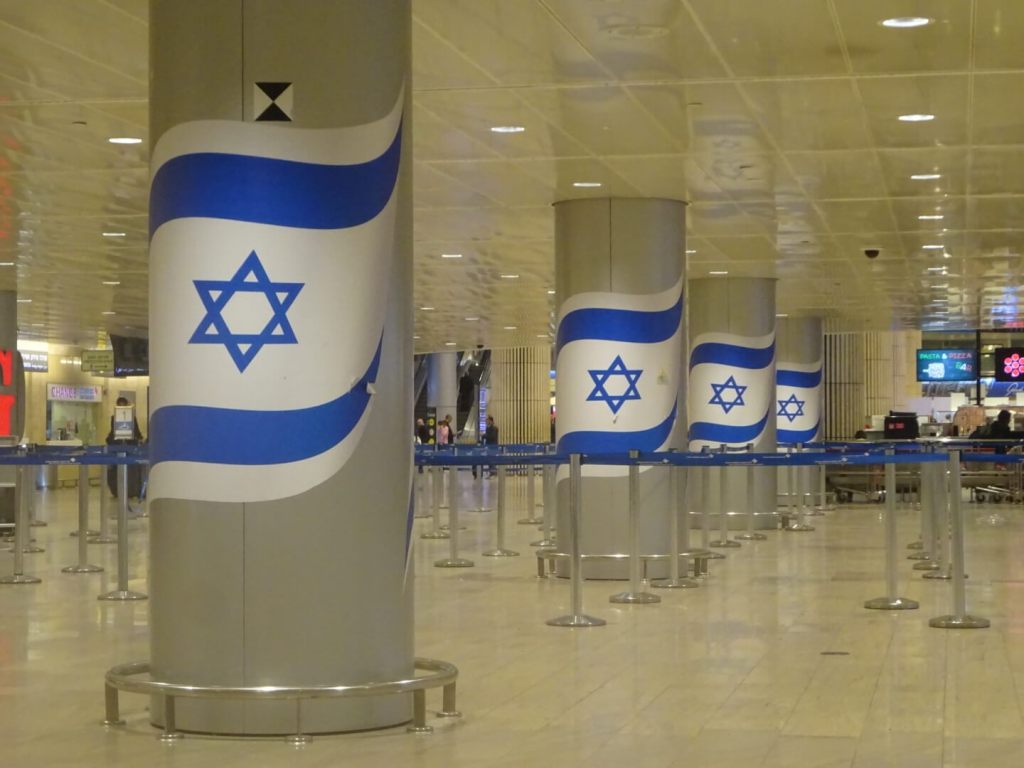
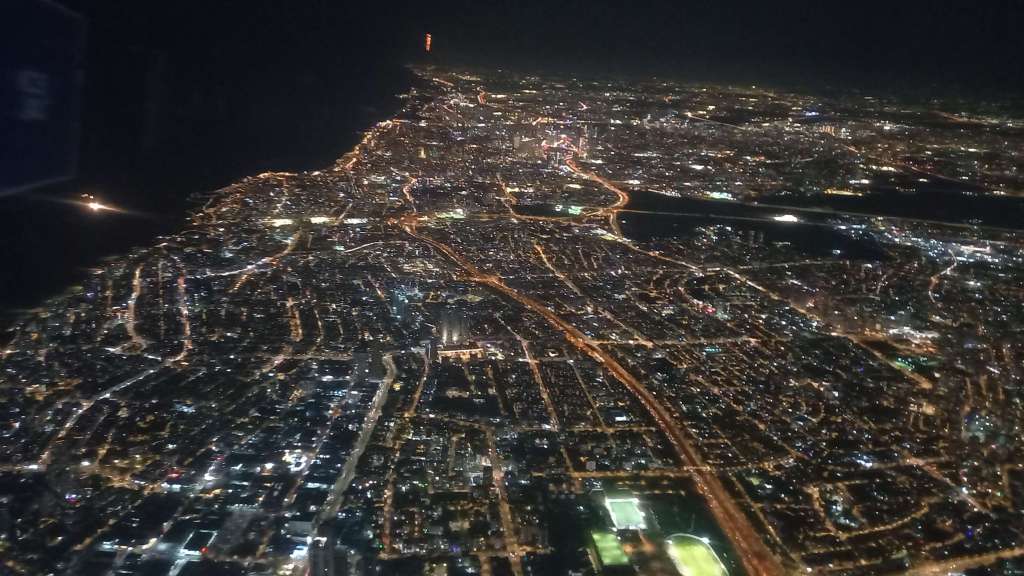
I took a bus to the airport, and then passed through lots of security and checks, which I really appreciated. It was another really good El Al flight home. I watched the second half of “Lord of the Rings: The Return of the King” which I’d started on my flight from Los Angeles to London back at the end of August, and had a lovely hummus, salad, couscous and chicken meal. I also had a duo seat right at the back all to myself, which is my absolute favourite on any flight! The flight went quickly, and I had the chance to lie down and snooze a bit. I also played Rummicub for the first time on the in-flight entertainment system – along with cherry tomatoes, Soda Stream, and a whole host of other things, Rummicub is famously an Israeli invention, and I found it really quite addictive. From Heathrow I took the bus back to Croydon, which was quite fast due to it being late on a Sunday evening, and I made it from plane door to home door within two hours – I think a record for me from Heathrow!
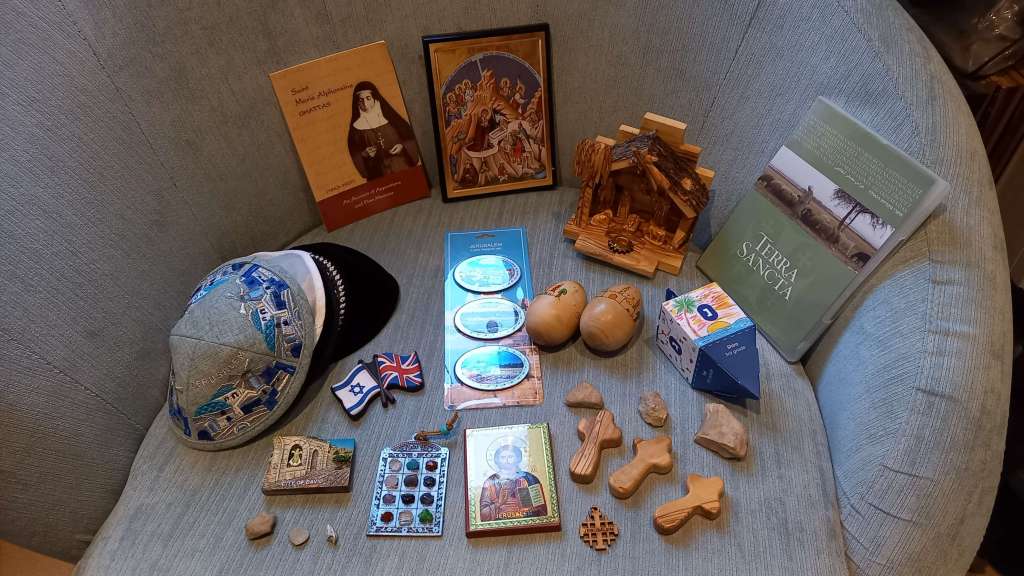
Wow, what an incredible journey! Probably one of my best ones ever. It is now time to contemplate what an emotional and spiritual rollercoaster of a ride I had been on, and what an incredible yet complex country Israel is. It may take me a while to process everything!
And at last, I have been to Israel! A trip I’ve wanted to do most of my travelling life, and I was glad I waited until this time to fully appreciate just everything, now that I’m older, more mature I hope, and more willing to be open to everything the country has to offer, which is a considerable lot! Awesome sights, friendly people, great food, fascinating and legendary religious roots, deep spiritual energy, and a serious microcosm of humanity all packed into one pint-sized little country on the crossroads where Europe, Asia and Africa all meet. Thank you Israel for having me, you have been truly incredible!

 Alex Waring's Travel Blog