17th February 2026
Well, actually, not too deep – but during my two-day exploration of the north of Moldova, I encountered not a single other tourist and really felt like I was exploring new and untrodden territory for the traveller. After a wonderful two days based out of Moldova’s capital city of Chișinău, I was heading up into the northern hinterland of this undiscovered country for two nights.
While the day before it had been raining pretty much all day, the temperature dropped below zero overnight with quite a significant snowfall to boot – about two inches deep. I thus awoke the next day with the city of Chișinău all pristine-white before me. Due to the rain and overnight freeze though, the snow fell on top of pretty much black ice everywhere. It was a bit tricky to walk on if you didn’t actually walk on the snow, but so refreshing to see how quickly the city coped with it. I was reminded of my time in Moscow once more, when for months at a time the city was under snow, and it just carried on as normal. On this morning, the pavements had already been cleared for a walking path through the snow, and the cars and buses were just going about their daily business. The main roads around and out of town were also pretty clear of snow, and the weather had no effect on my travels that day. Coming from a country which grinds to a halt at the slightest dusting of the white stuff, this was all very refreshing – well done Moldova!
After checking out of my old-school Soviet-central hotel for a couple of days, I walked one-and-a-half miles through the city to its Autogara de Nord, the bus station to the north of the city centre. I had still not explored the city of Chișinău yet, and was planning to do this in a couple of days’ time upon my return to the Big Smoke. The bus ticket was fairly easy to get, on a scheduled “marshrutka” minibus service that runs around two per hour up to the northern city of Soroca, population 20,000. All intercity transport in the country seems to be of this “marshrutka” variety, common in this part of Eastern Europe. Timetabled minibuses with scheduled stops, they consist of a driver and around 14 passengers with their luggage, all crammed into one very small van. I had a single seat, with hardly any space to move whatsoever – just jammed in there! Fortunately it was only a two-and-a-half hour journey, and I managed to squeeze in a loo-break when we stopped halfway for petrol.
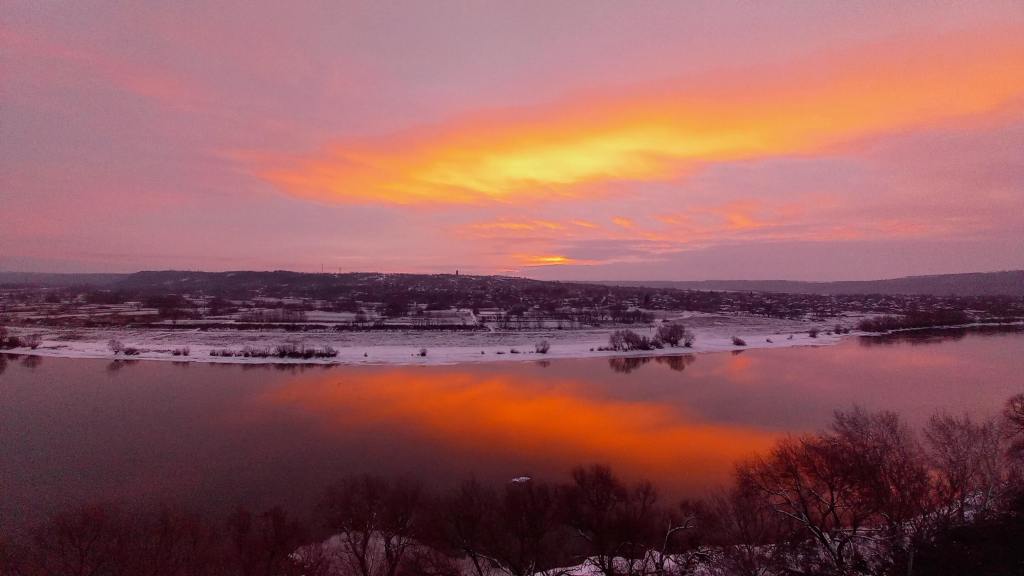
Soroca is a really spectacularly-located pint-sized city, and while one night there was sufficient, it was worth the visit – a cute little place with attractive sights and fairly friendly people. It is located on the outside edge of a very curvy meander in the Dniester River, which to the south separates Moldova from Transnistria, but here just 10km away from the latter’s northern border, it in fact forms the border between Moldova and Ukraine!
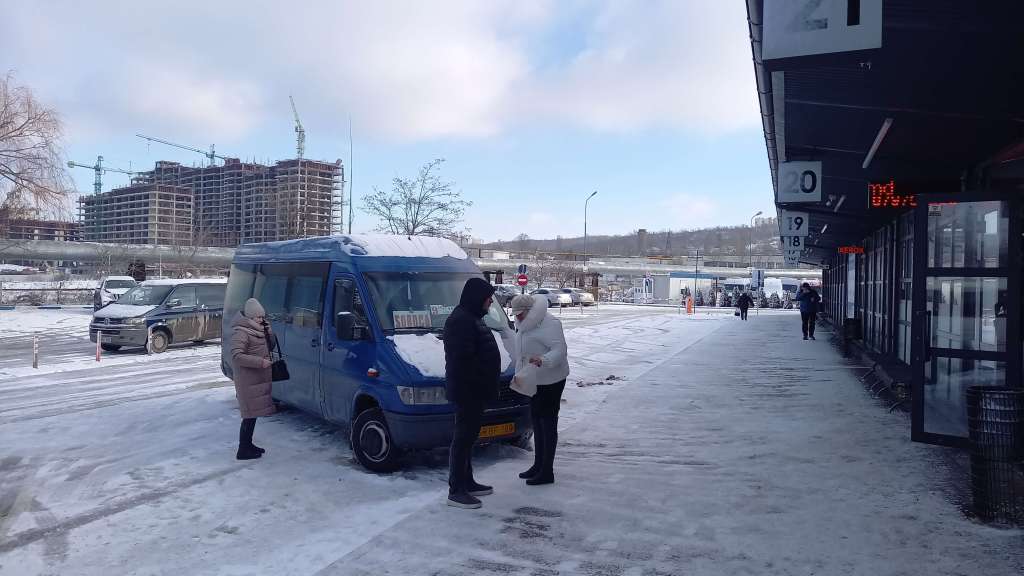
My accommodation host very kindly, and unexpectedly, met me off the minibus at the Autogara de Soroca, and drove me the half-mile or so to my amazing accommodation. I was in a small flat on the eighth floor of a newly-built block of flats, slap bang in the middle of town, right on the banks of this mighty river, with the most wonderful sweeping view over it and over into Ukraine on the other side! Yes, I was actually looking into a country currently at war, which felt surprising as of course the small village on the opposite bank called Tsekynivka looked so very peaceful from there. However, I do know that the east-side of Ukraine is far more affected than the west, and the chances of a bomb going astray on this side I’d say were minimal. But what a view! And the plentiful birdlife honking and quacking all around just added to the awe.
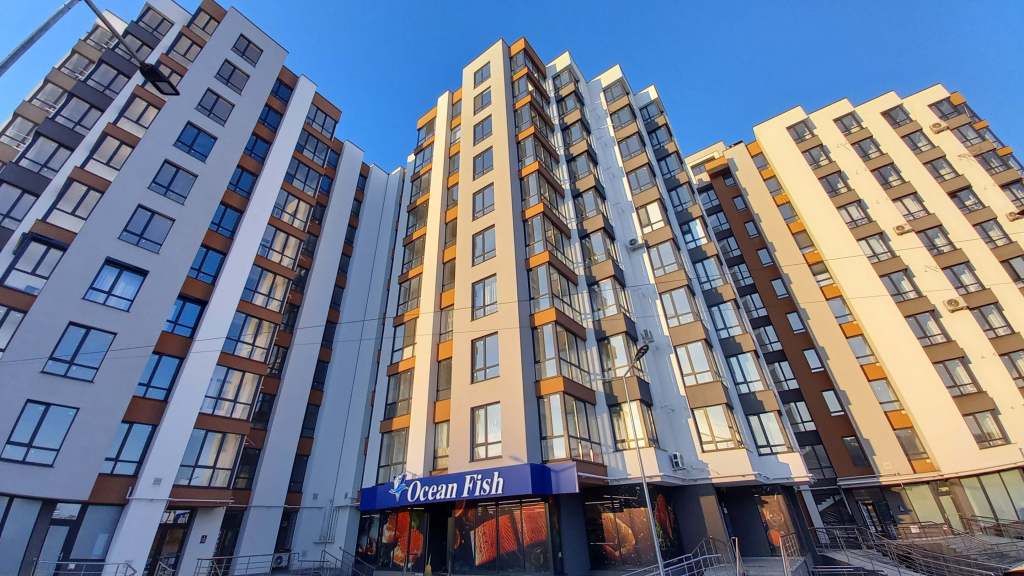
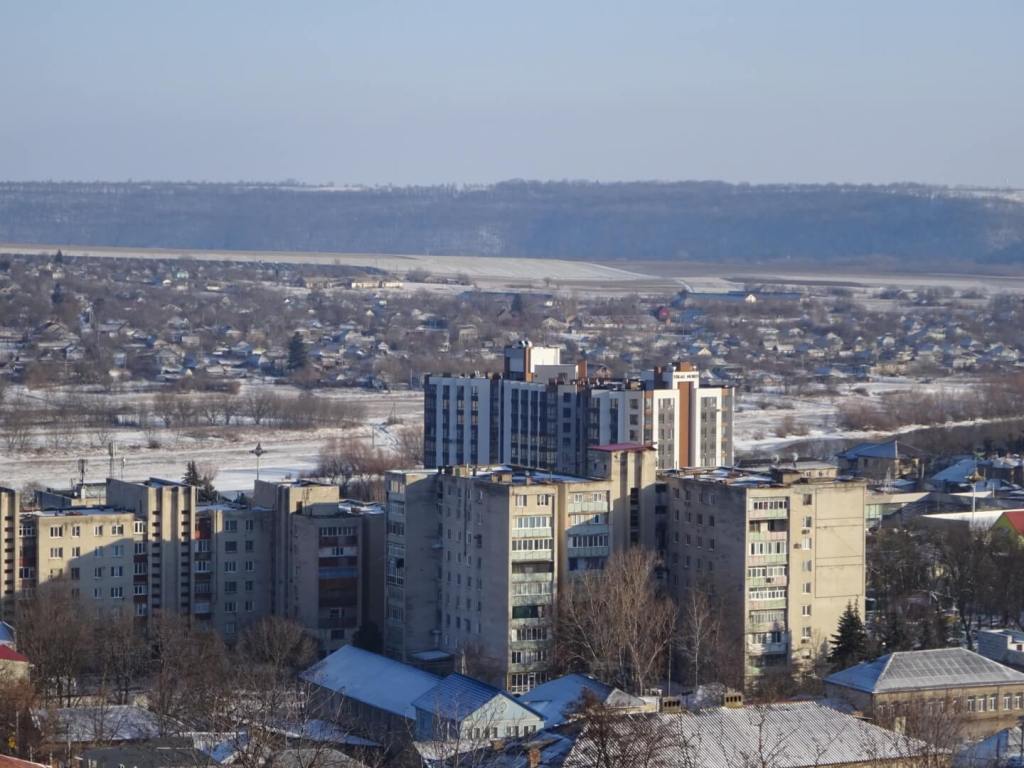
The accommodation was a delight too, and while I just loved the old-school communist-era hotel back in Chișinău, I enjoyed a little luxury and comfort here with a cloud of a bed with fluffy pillows and duvet, my own kitchen, flatscreen TV that actually worked, and on-demand hot water in the spacious bathroom. It’s the simple things in life, right?!
After lunch and coffee on the flat’s indoor “balcony” with the serious view, and a short rest, I was ready to explore. Just three hours were enough to cover it all, and I really did enjoy it.
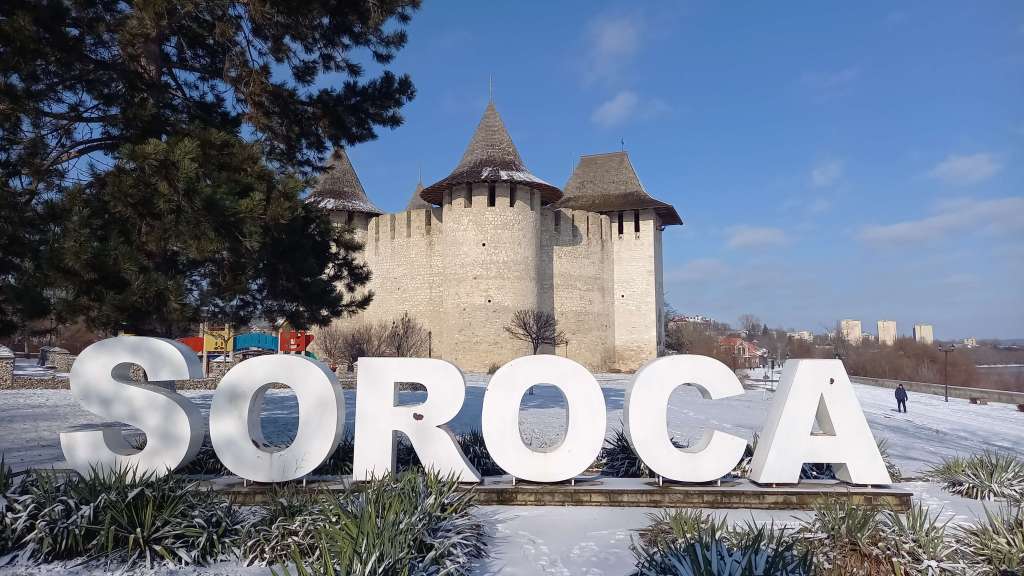
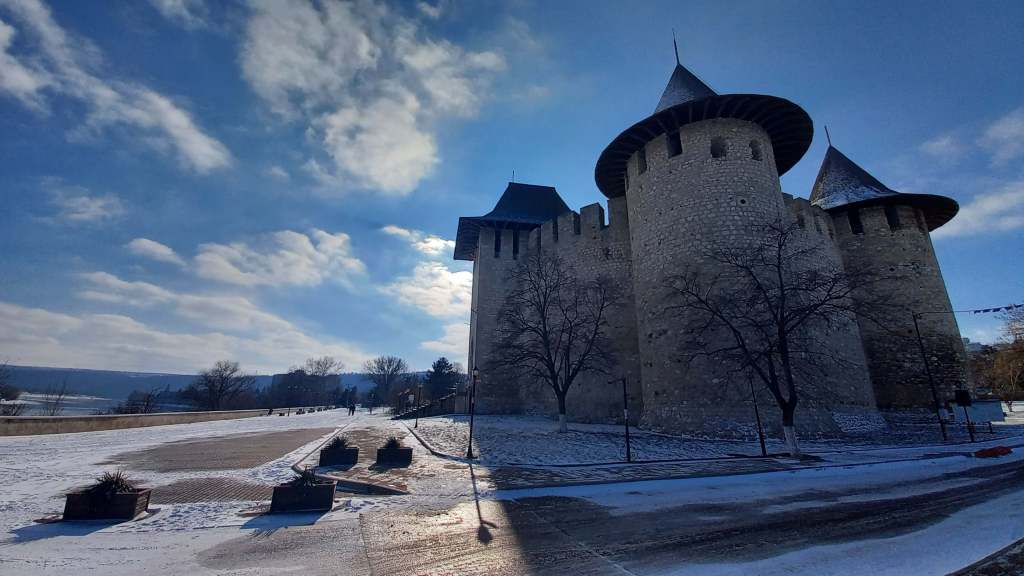
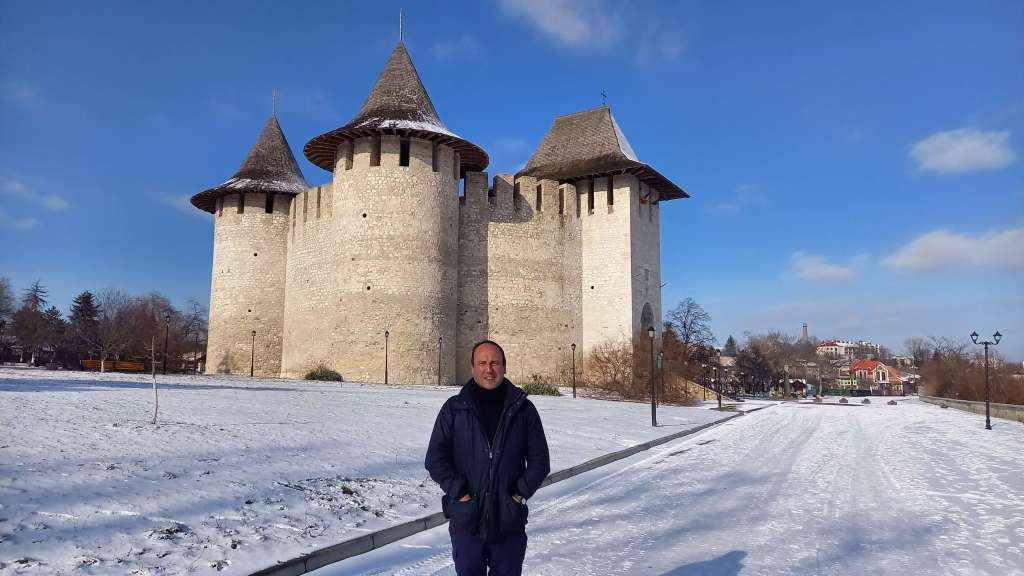
First up was the delightful Soroca Fortress, one of the prettiest little castles I’ve ever seen. It was built in the 15th century by none other than, you guessed it (if you’ve read my previous blog), the omnipresent Stefan cel Mare, medieval Moldovan hero, in defense against advancing Tartars and Ottomans. It’s a small, squat, chunky-style castle, built in a perfect circle with 37.5m diameter walls symetrically interspersed by five bastions. I just loved the turret-tops to the bastions, shaped just like witches’ hats, and quite reminiscent to my mind of the gothic spookiness of nearby Transylvania. It was very unique. While closed for the winter and thus unexplorable on the inside, it was still a delight to see from the outside, especially in the newly-fallen layer of magical white snow.
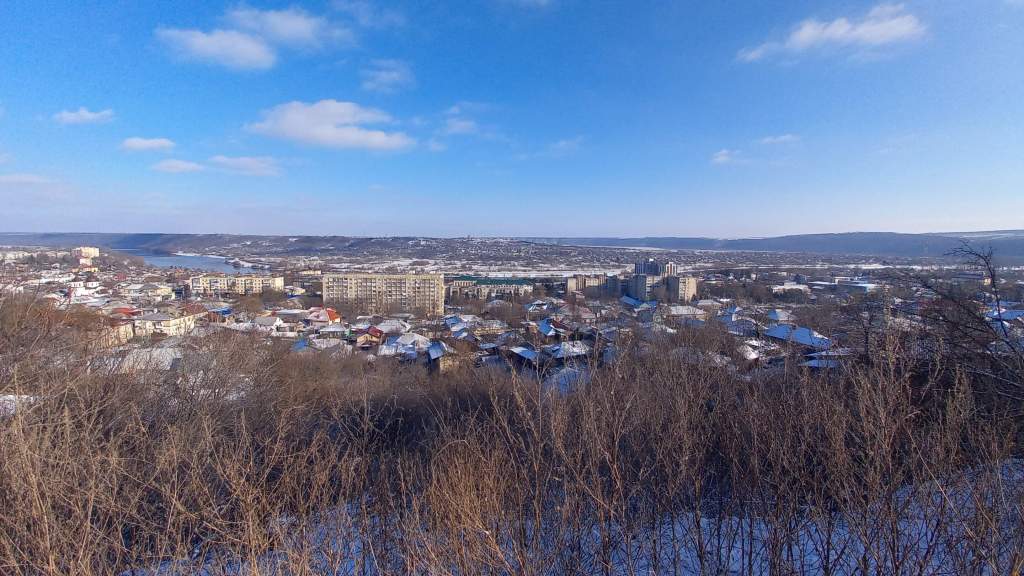
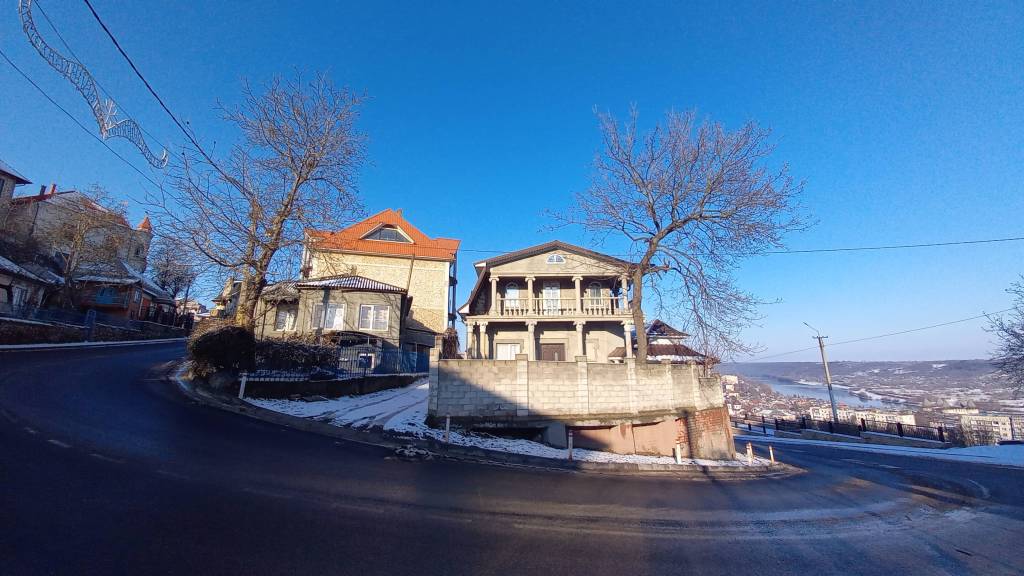
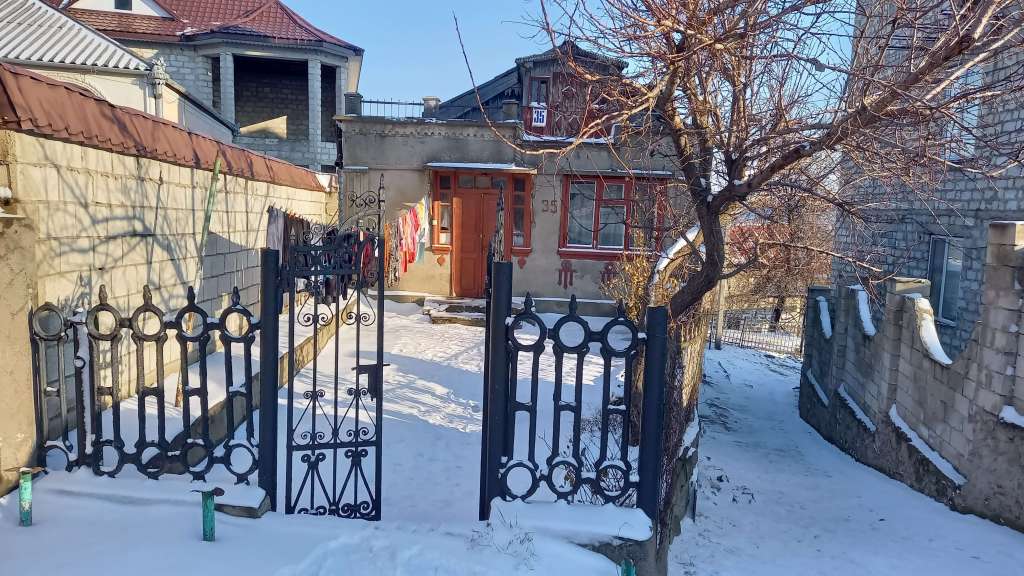
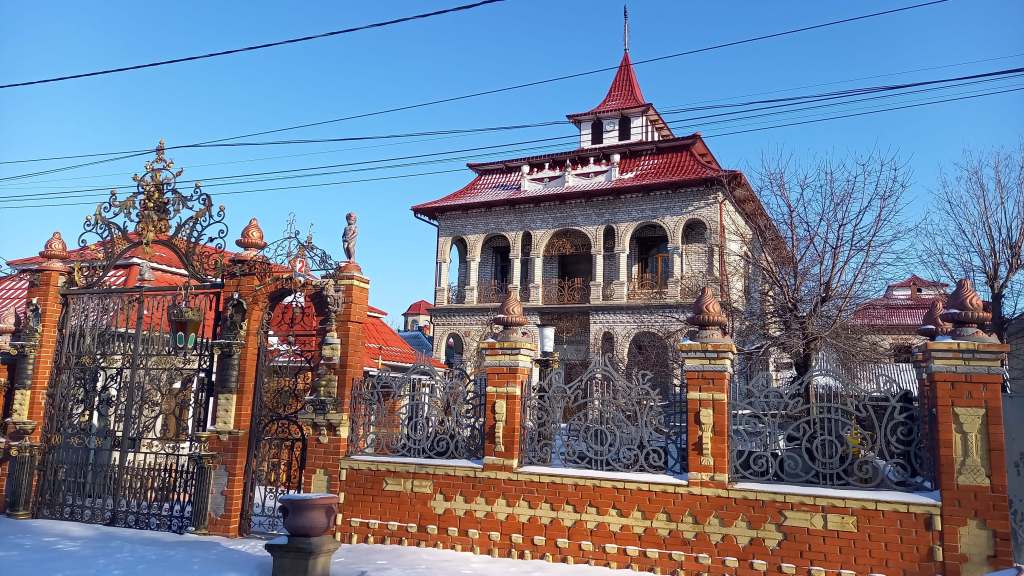
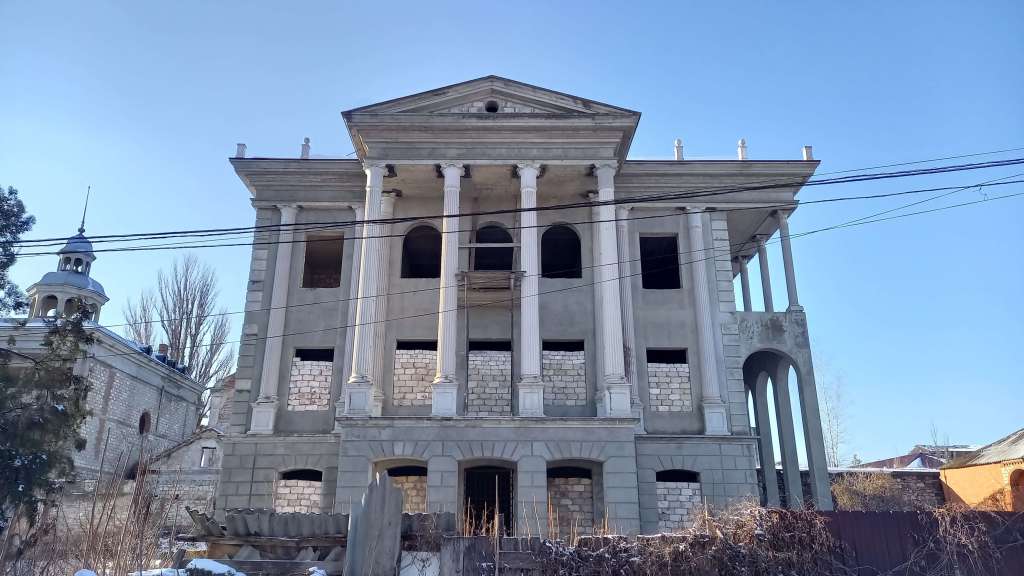
Then I headed for a walk up nearby Gypsy Hill. Soroca is known as the “Gypsy Capital” of Moldova – while gypsies form just 0.3% of the total population of the country, they make up around 4% here in Soroca. Many of them live up on this prominent hill with fantastic views over the city, Dniester River, and Ukraine below. The hill is famous for its wild, wonderful and fantastical houses built by the city’s Romany population, and wandering around I observed an eclectic mix of abodes – from one or two room shacks with frozen washing hanging up on lines, to grand palatial mansions with turrets, golden domes, elaborate gates, statues of lions and the like. What seemed particularly bizarre to me was the fact that most of them had not been completed, looking in various states of completion, despite also looking lived in. Windows were often boarded up, yet signs of life were around, visible on this day by the footprints in the snow which could be seen going in and out of most of the residences. I wonder if they just do their houses up as they go along, whilst living in them in the meantime. There were still a fair few completely abandoned ones knocking around, in various states of disrepair and ruin. It was a bizarre and fascinating place. As mentioned, the place is up on a hill, meaning the walk up there and back down again was a little precarious and slippery in places to the snow and black ice.
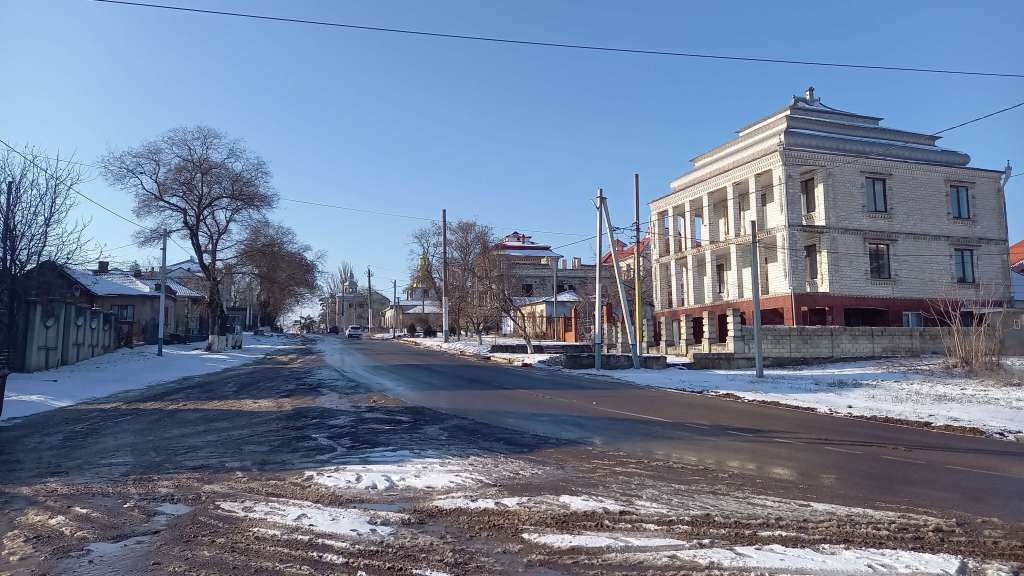
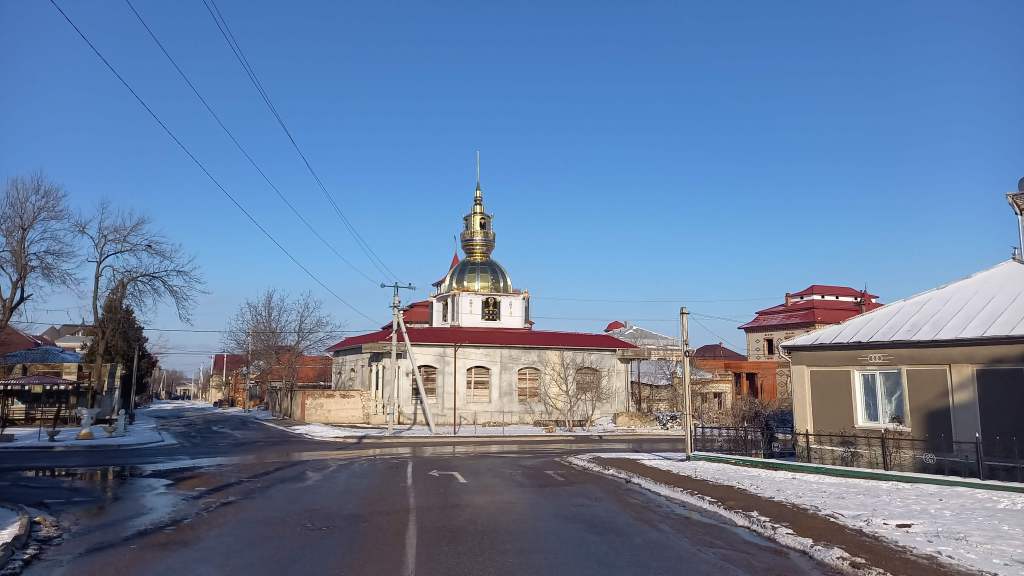
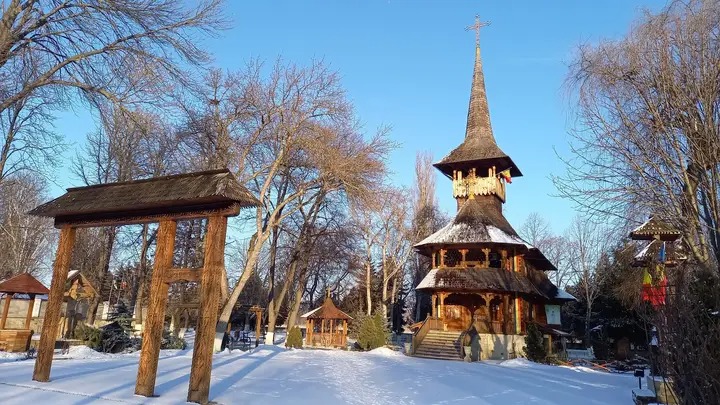
Finally, back in town again, I walked down the delightful tree- and cottage-lined central Stradă Independenței to the equally delightful Holy Martyrs of Brancova Church a few blocks south of Grigore Vieru Central Park. This is an absolutely exquisite wooden church, built only in 2012, but destined I think, along with Soroca Fortress and Gypsy Hill, to be one of the town’s highlights should it ever mark itself on the Moldovan tourist trail, if one ever were to exist. Dedicated to Prince Wallachia, four of his sons, and his friend and treasurer, who were all martyred in Istanbul in 1714 by the Ottomans for refusing to renounce their faith, the martyrs are considered saints by both the Romanian and Russian Orthodox Churches. Unfortunately the wooden church was not open to be able to visit inside, but just like the Fortress, it was still a delight to see it from the outside. Along with the surrounding wooded park and gorgeously sunny day, it was made infinitely more beautiful again by the white winter wonderland that had just arrived that morning.
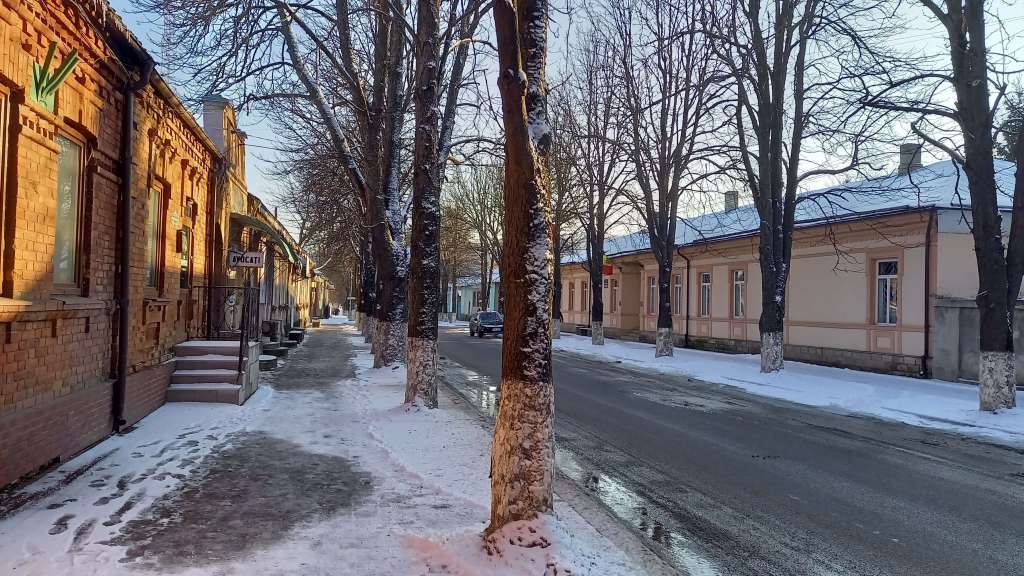
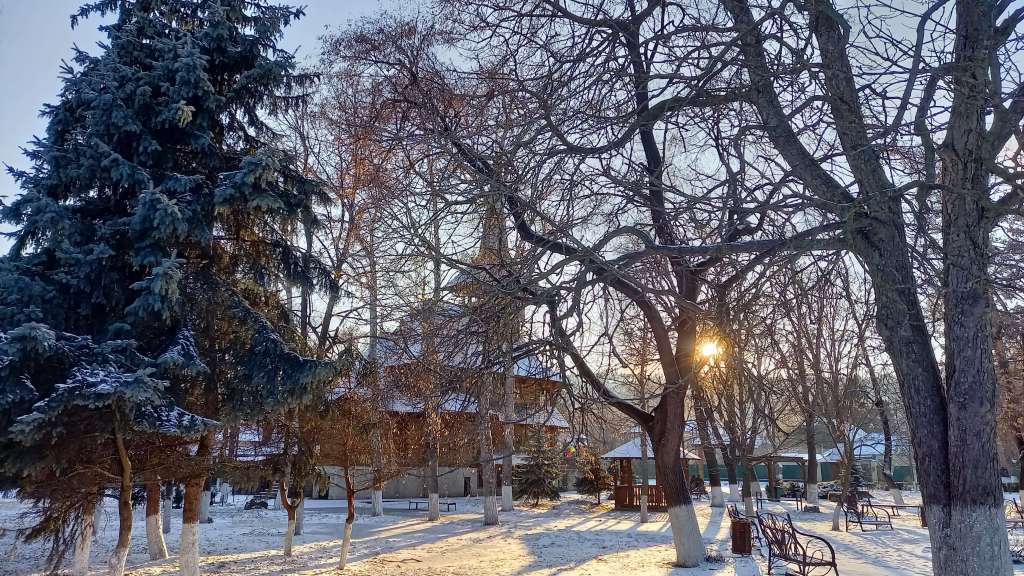
A short walk along the city’s lovely riverside path, and a stop-off at the local supermarket in town for my self-catering supplies for my stay, brought me back to my accommodation for a lovely evening in. While walking a fair bit around town, my legs were aching more than usual, I think due to the more cautious steps I’d been taking on the snow and ice, using muscles I didn’t even know existed! It was a lovely end to a lovely first day exploring the northern hinterland of this rather unknown and thus quite mysterious country.
The next morning I awoke to an absolutely gorgeous sunrise over Ukraine and the Dniester River, viewed though the floor-to-ceiling windows of my modern eighth floor apartment. I noticed in the middle of the night, that while the lights were numerous and shining brightly in Soroca on the Moldovan side of the river, I counted only around 14 house lights and no street lights whatsoever in the village of Tsekynivka on the Ukrainian side. The amount of dogs barking there throughout the night was also notable. I was glad to be on the Moldovan side.
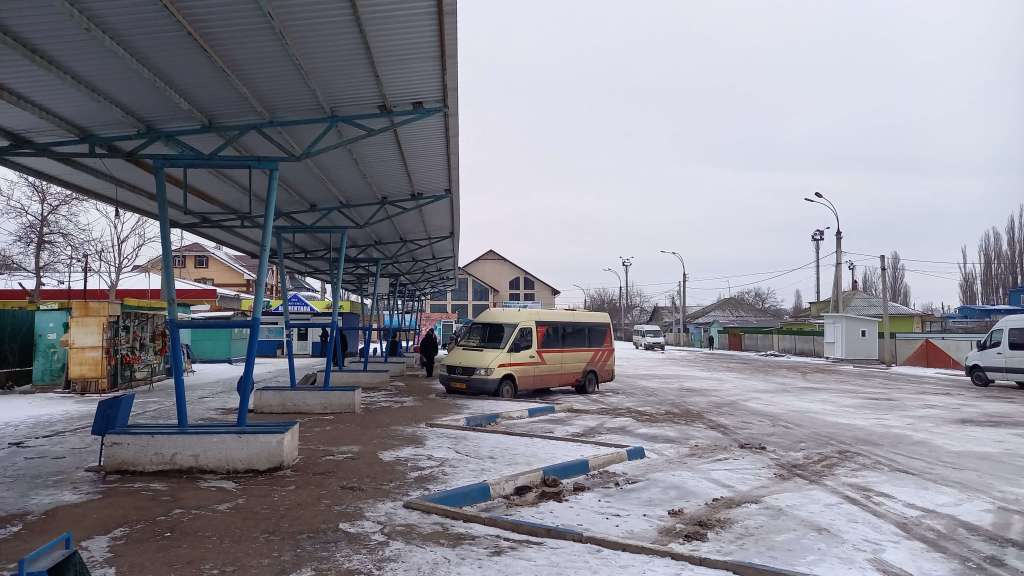
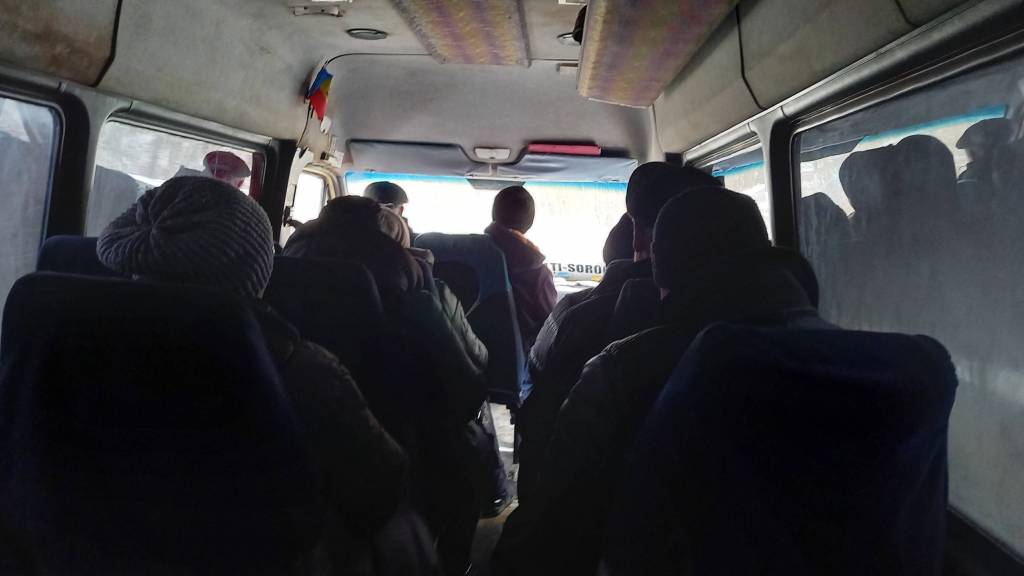
After a lovely lie-in, I headed for an 11.10am marshrutka heading 40 miles to the south-west to my next destination in northern Moldova, its second city of Bălți, population 100,000, and also my favourite type of curry! It was a very basic bus station in Soroca, and black ice was everywhere – one poor chap slipped over with all of his luggage. The journey was again cramped but good, and I once more got a single seat to myself – better than sharing a double seat with a babushka and all her luggage, I can tell you that! Though after stopping in the town of Florești, the road was substantially potholed, and we bounced for most of the rest of the way.
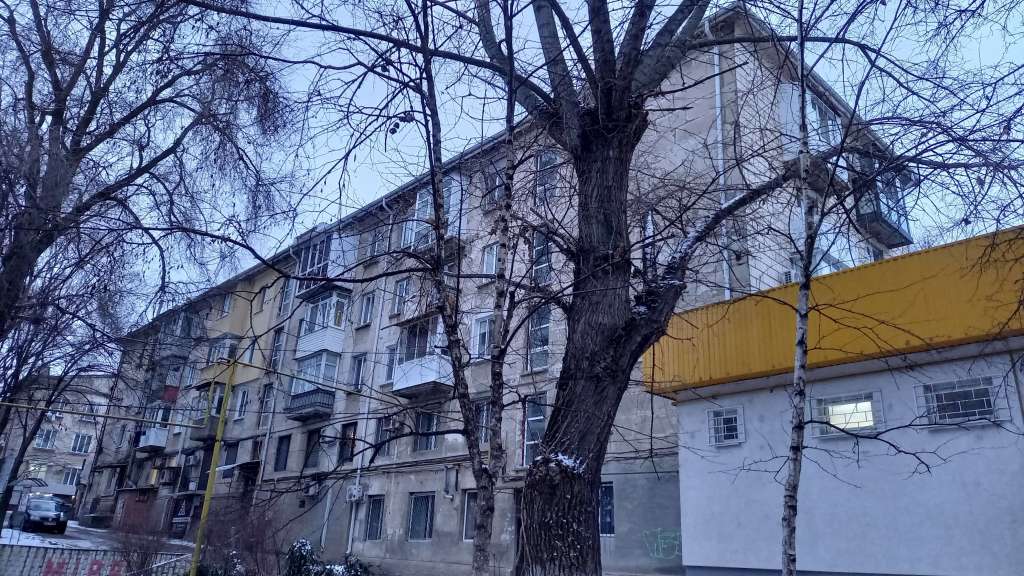
It was a short walk from Bălți’s slightly more developed bus station to my accommodation there, a lovely, renovated third floor apartment in a seriously old-school Soviet block of flats right in the middle of town. In front of me was the city’s main thoroughfare, and behind me its main pedestrian shopping area, with a good little supermarket down below. It was perfectly located. My host met me briefly to check me in, and after a short rest, I set out to explore Moldova’s second city.
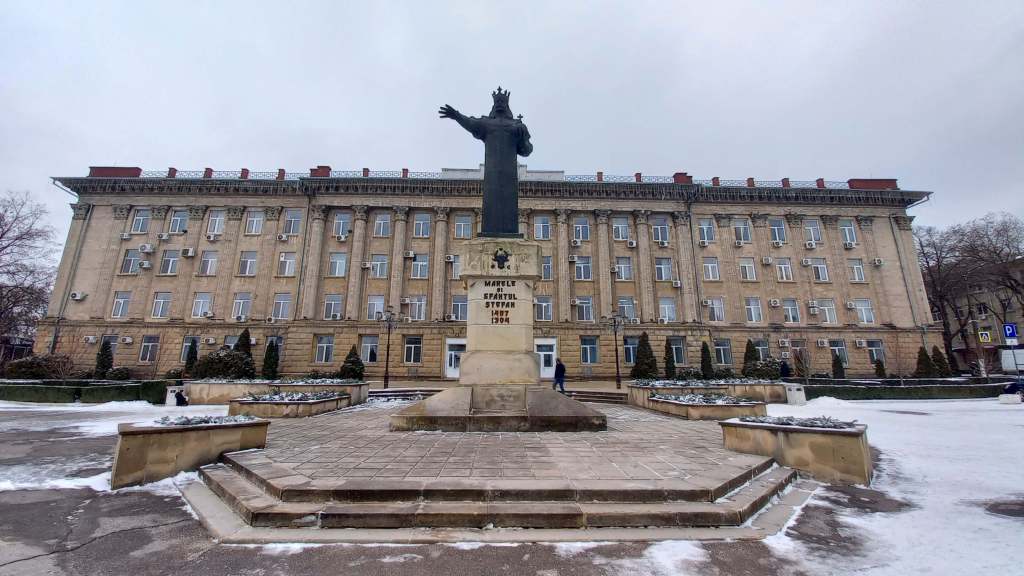
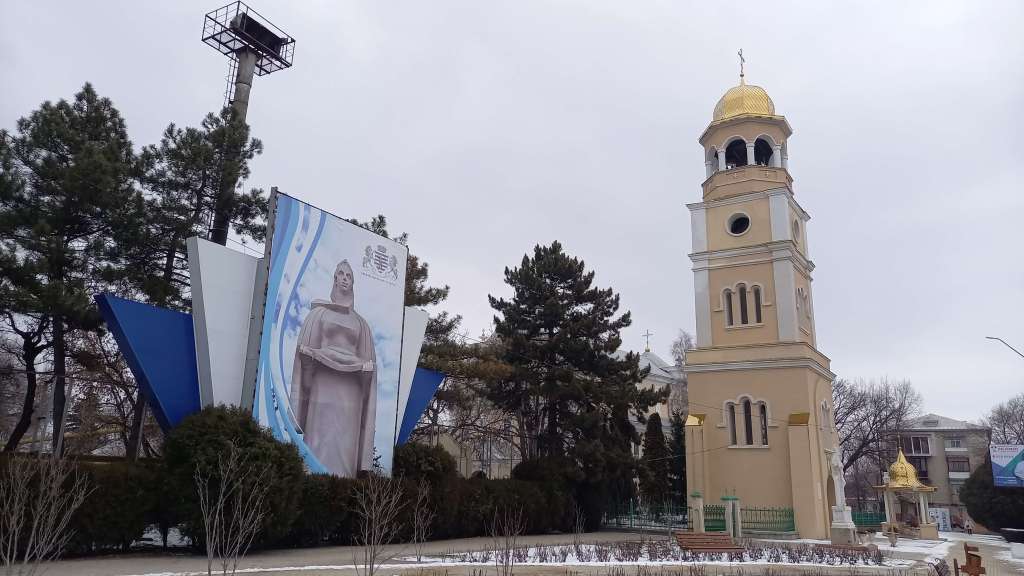
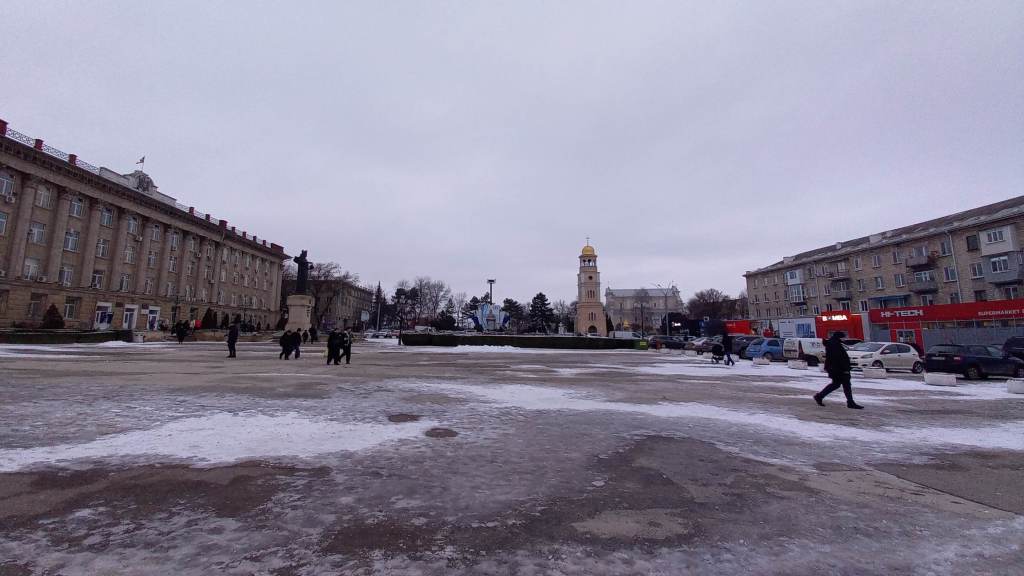
After fairly provincial Soroca, Bălți was much more urban and industrial, with five times the population – it felt good to be in a place of substance again, though again very much off-the-beaten track in an already off-the-beaten track country. I really enjoyed my explorations – not only did I feel like the only traveller in town, it also felt like I’d been the only traveller there in quite some time. It felt I was treading new traveller ground, and the city had a really local, authentic and lived-in feel to it. The people were generally friendly, though there were a fair few East European surly types, and Russian was much more dominant with signs all in Cyrillic, and not a sign of Moldovan (aka Romanian) to be seen.
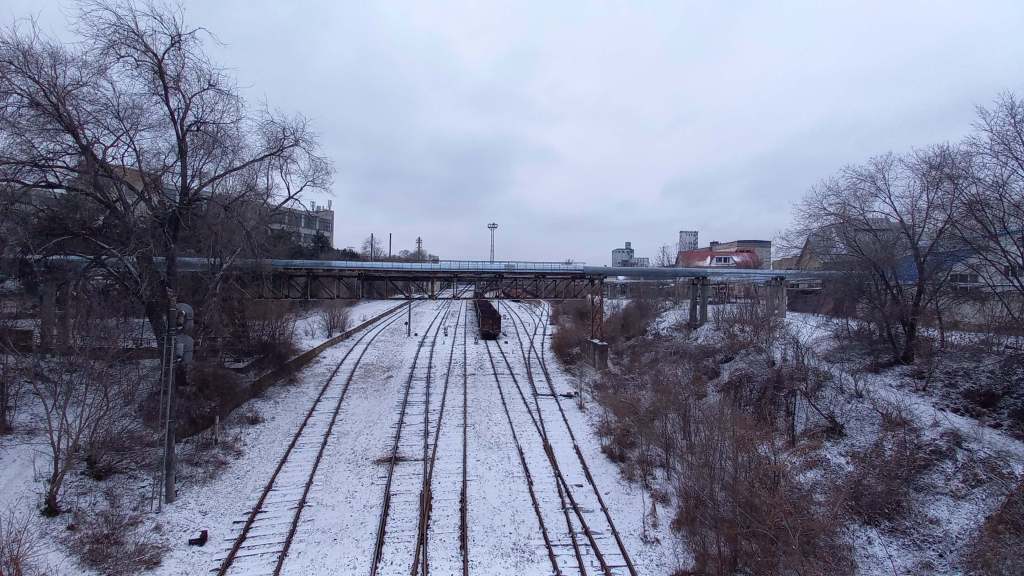
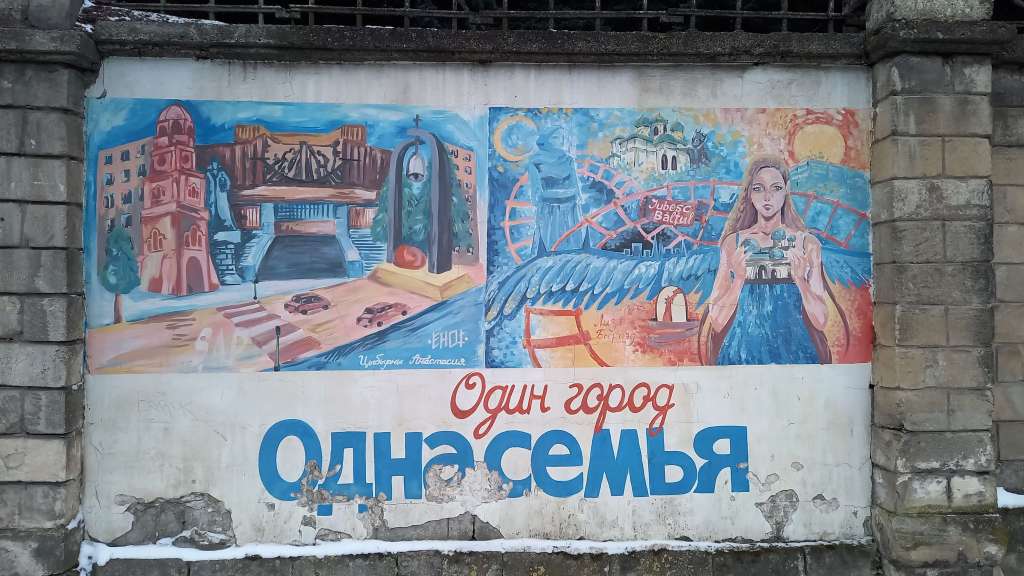
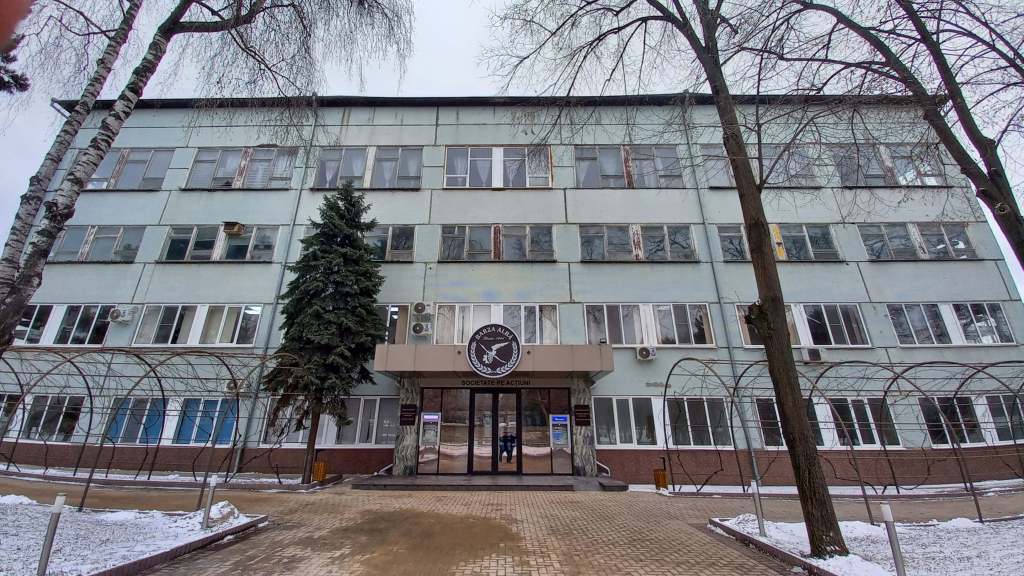
I was heading to explore two places of interest, but neither of them turned out to be. The Museum of History and Ethnography I failed to locate, though chances are it was probably closed anyway as the one back in Soroca was both times I tried to visit. Then the Barza Albă brandy factory a mile’s walk out of town was not doing tours, despite their website saying they were. While I was looking forward to seeing a factory dedicated to my favourite drink, I wasn’t too disappointed as it allowed me to explore a suburb of the town, which only a mile out of the centre was made up of dirt roads as opposed to tarmac. This was quite surprising given the size of the city.
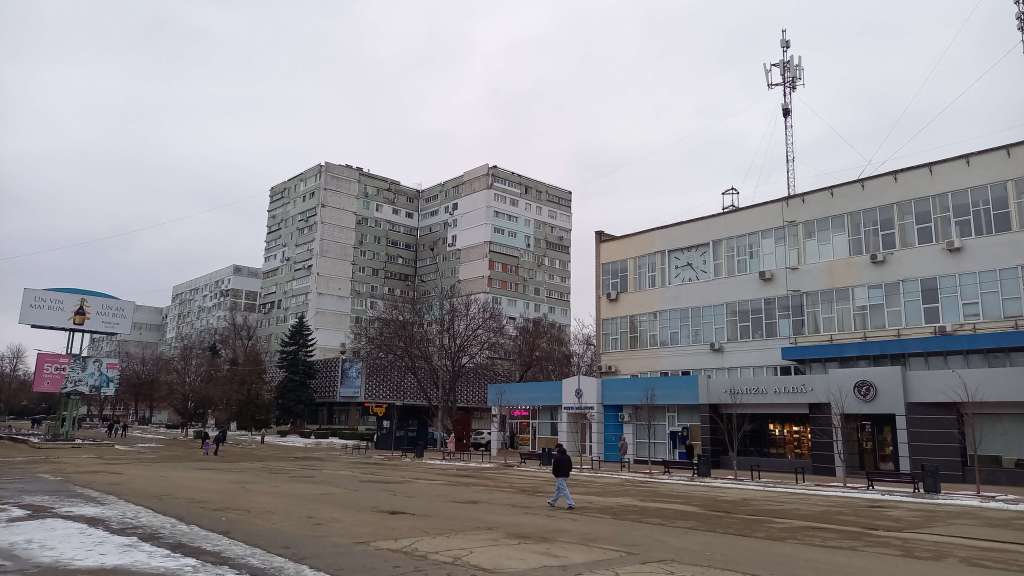
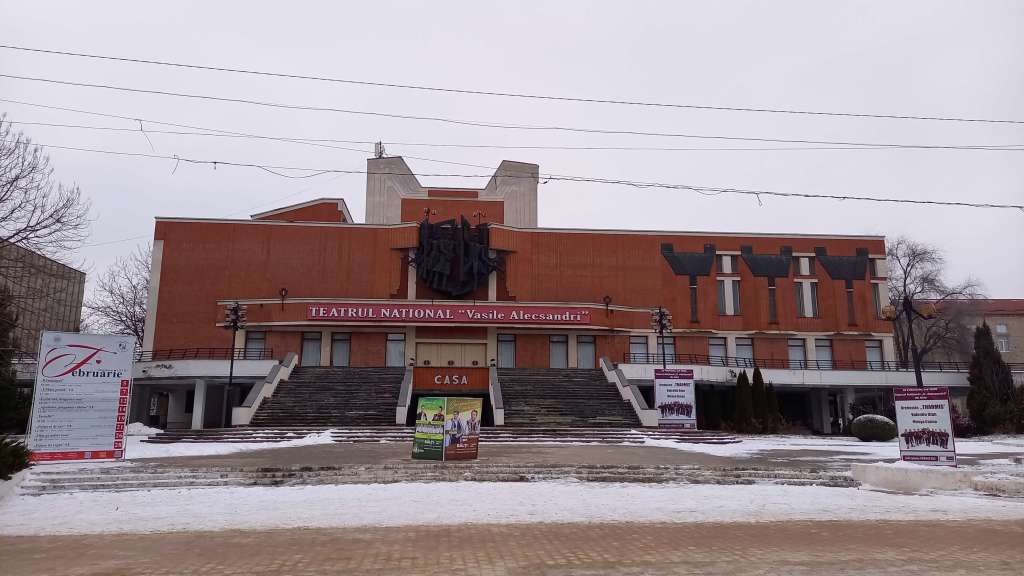
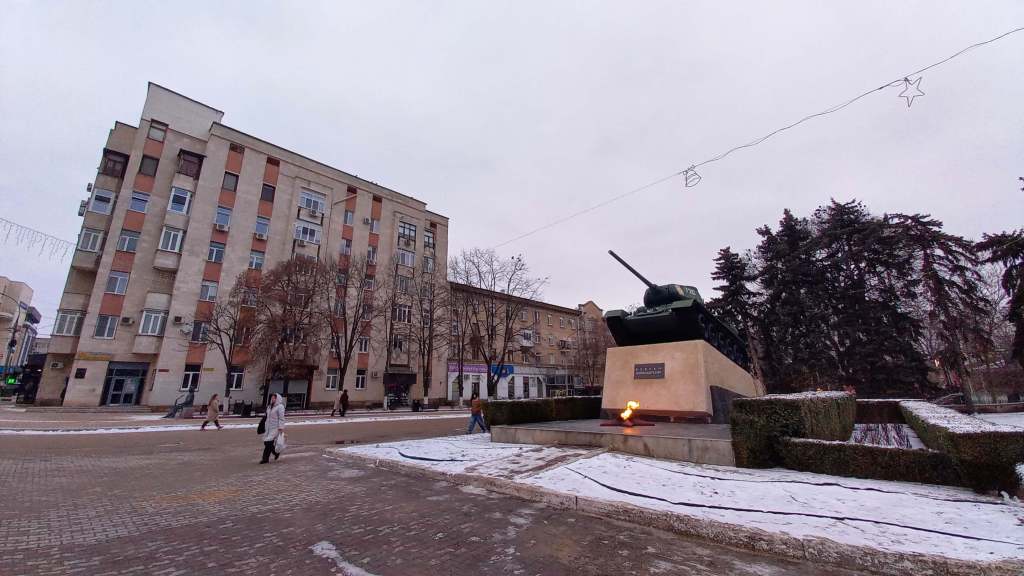
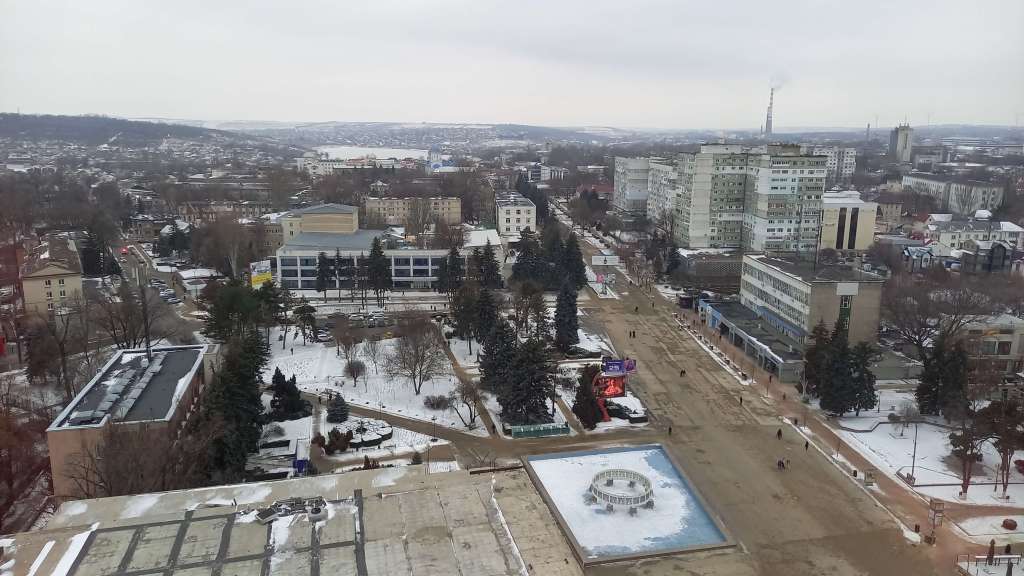
I then took a bus back to the city centre, which I found to be really charming, in a post-Soviet kind of way. The main pedestrian route through town was vast and concreted, surrounded by stark and imposing brutalist Soviet architecture. I managed to get an awesome view over the city from the 15th floor of a shiny new tower block above a shopping centre, and also stopped by a variety of churches – two Orthodox, one Armenian, and one Catholic.
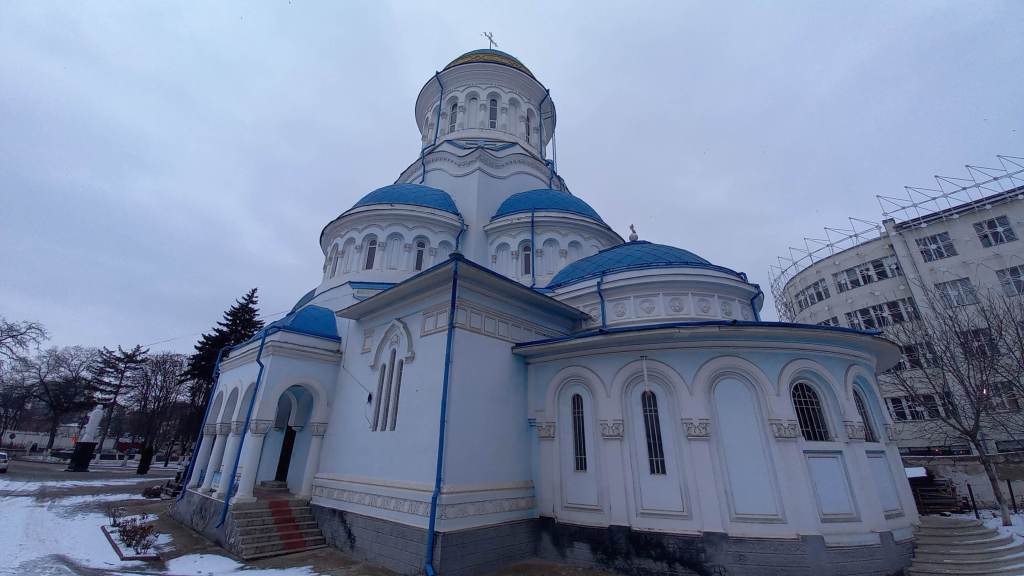
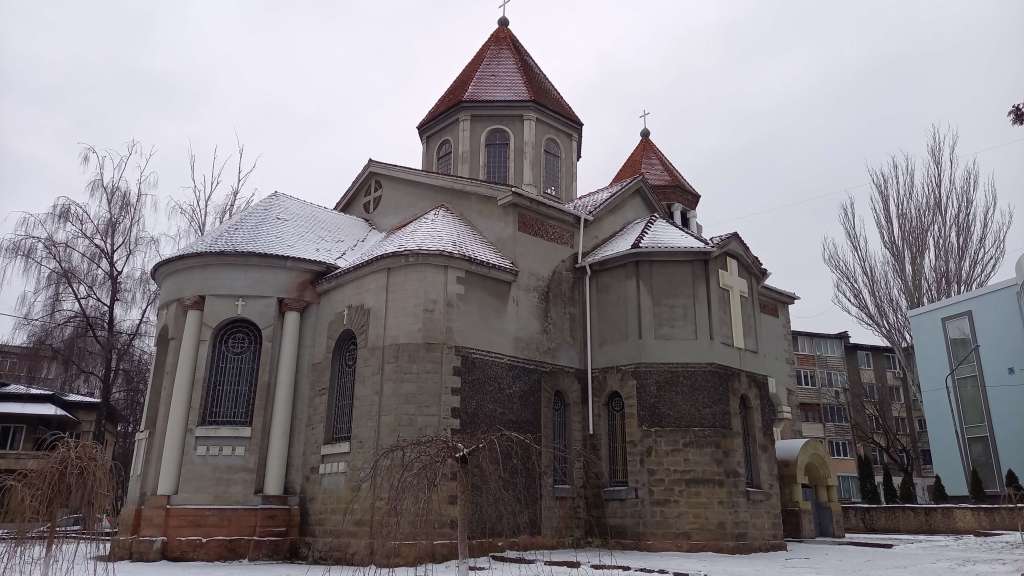
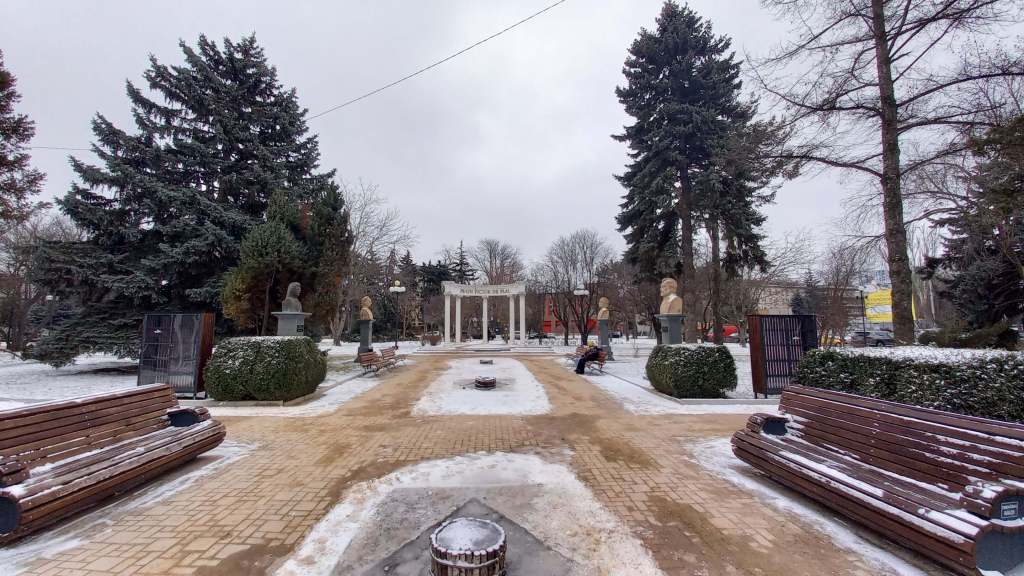
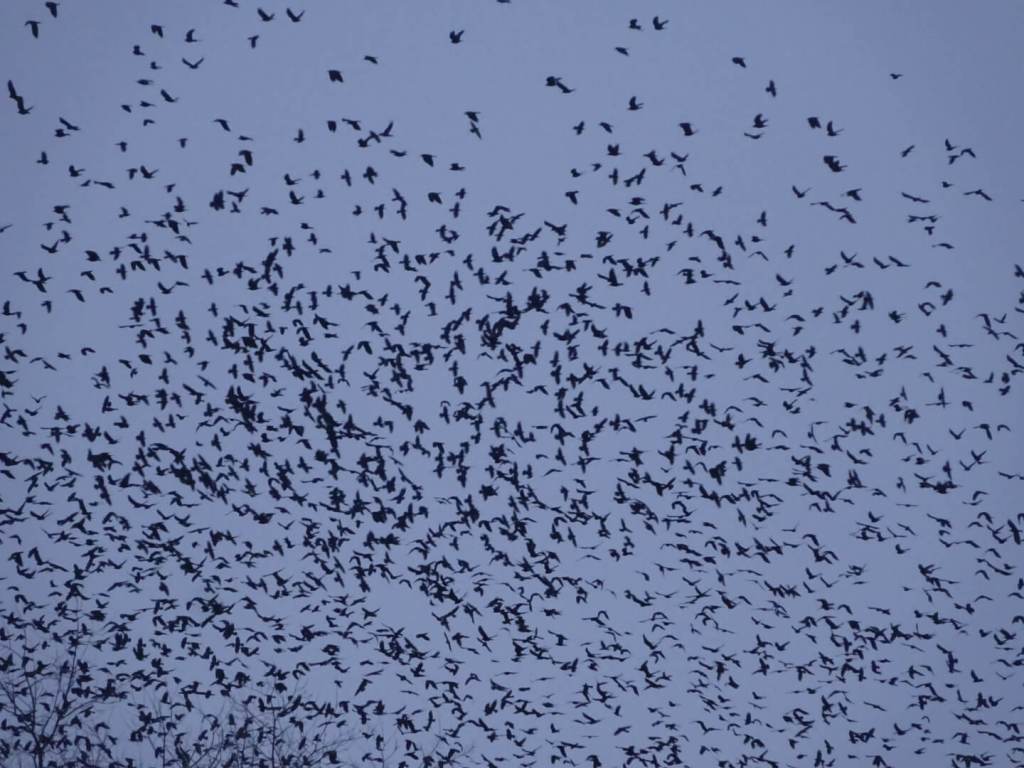
What struck me the most on my wanderings happened around dusk, when thousands upon thousands of crows flocked noisily overhead before settling for a time in the trees of the city’s Central Park. After a short while, they crowed almightily together, before flying in their massive number in circles overhead for a few minutes, and then away to the south. I was in awe as I’d never seen so many crows together before, and as I gazed upwards mouth wide open, nobody else batted an eyelid. It seems this must be a regular, probably nightly, occurrence in town. For me, I had just witnessed what the English language poignantly calls “a murder of crows” – I just love our collective noun naming system, and with the sheer number of these rather intimidating creatures and the noise that they made, this name seems rather apt.
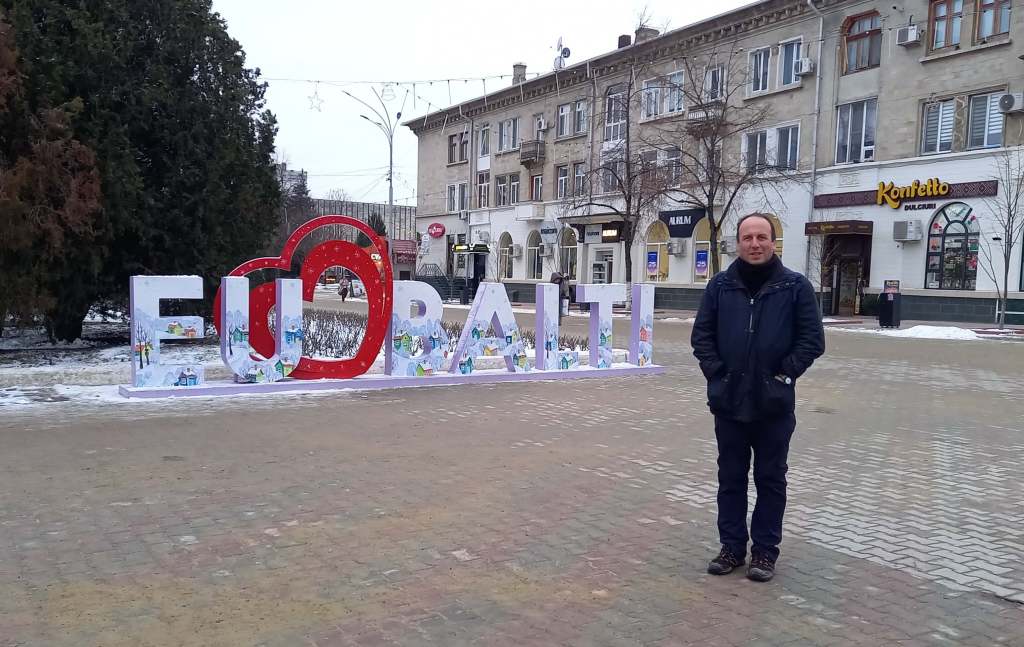
Heading back to my cosy central apartment building, I settled in for the night, feeling very much like I’d done the sights of Bălți. I was looking forward to returning once more to the Big Smoke the next day.
More on that in my next.

 Alex Waring's Travel Blog