20th February 2026
After a fascinating little jaunt up to the little-visited north of this little-known country, I took my final one of three “marshrutki” minibuses from Bălți back to the capital city of Chişinău. This was one belonging to the more modern-looking “TransLux” company. While still a minibus transporting around 14 passengers and their luggage, this one had slightly larger seats and leg space, and felt more of an express service rather than stopping at lots of little bus stops in the middle of nowhere. I guess it was nothing but the best to link the two main cities of the country, and it was a comparative treat after three days in a row of this rather cramped up form of transport.
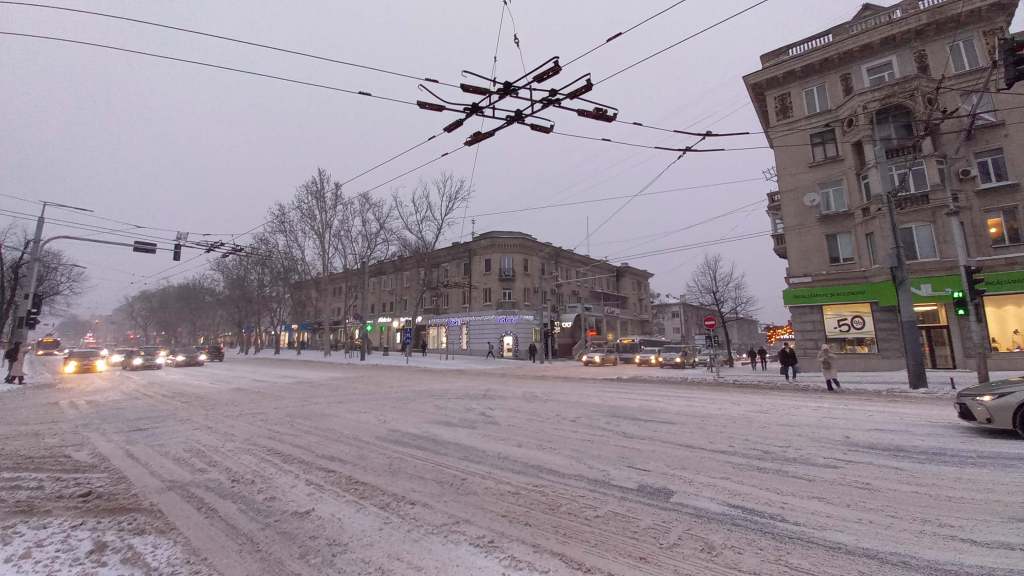
Back in the capital, I arrived just in time for a snowstorm, which lasted from my arrival around 12pm until around 8pm that evening. What snow had fallen a couple of nights ago was fading into insignificance, until this fresh batch arrived adding another four inches or so to the layer. Accompanied by a biting breeze whose wind chill must have brought it down to at least -10°C, it certainly made for a very fresh afternoon of sightseeing to say the least.
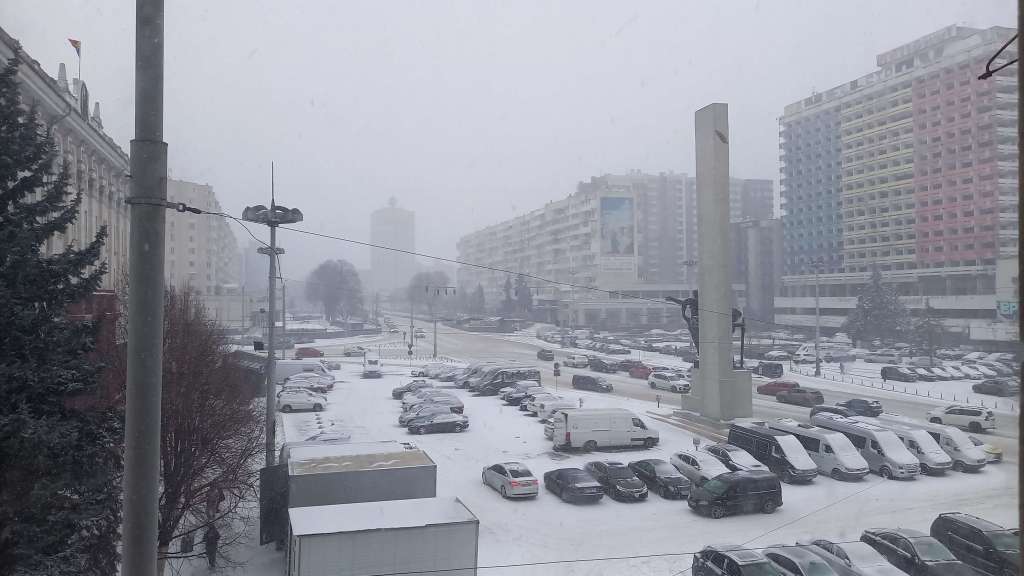
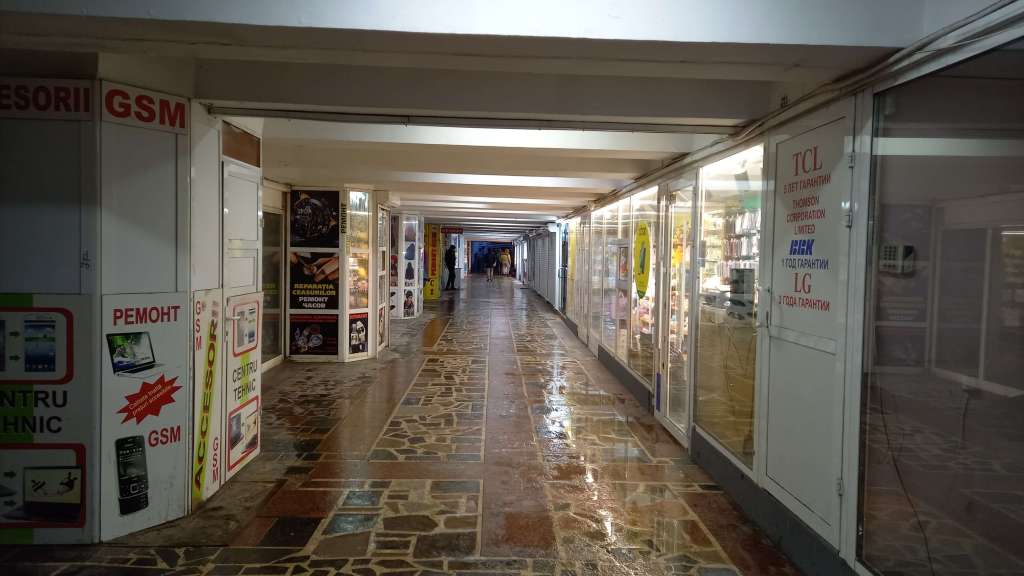
I checked into the fantastic Chişinău Hotel once more. Although I did slip right over on the black ice on its front step just as I was arriving, it felt like I was coming home again! The part-friendly part-surly lady on reception even said it was nice to see me again! It was nice to be back. Unfortunately I didn’t get the same room as last time, which I’d requested when I left and was assured I would. I had a room at the front this time, overlooking the busy square and central road below. While this was quite cool as I had a great view, it was also a little noisier as the window insolation wasn’t all that grand, and there was a large street light right outside my room, as well as a less efficient heater. Ah well, it was still Soviet-era bliss, so I mustn’t grumble!
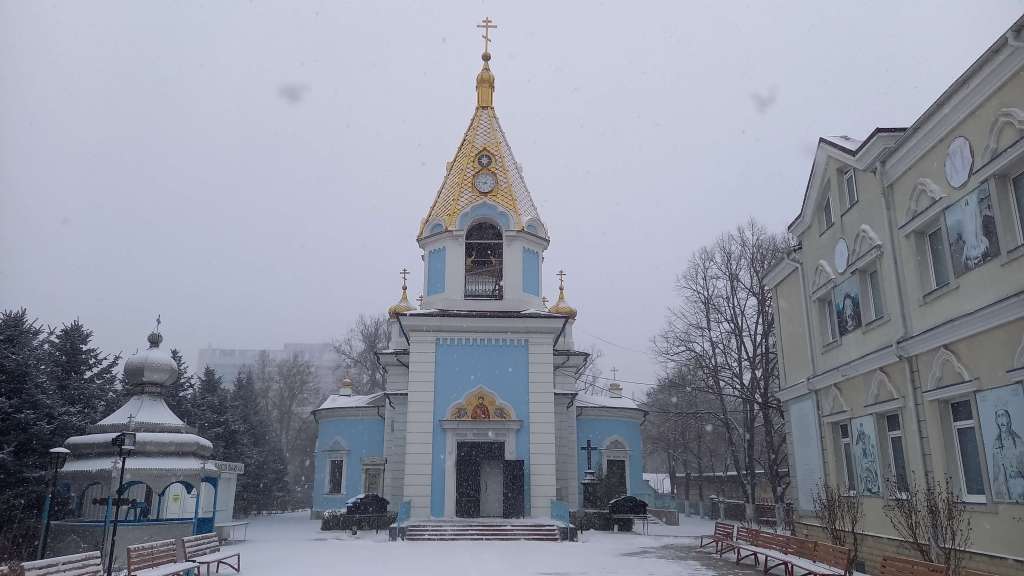
And so began my wintry explorations of the city, which I hadn’t had chance to explore until now. First up was the delightful 19th century Ciuflea Monastery right next door to my hotel, the only Orthodox monastery that stayed open during communist times apparently, when communist party members were not allowed to go to church and it is said that there were spies checking for whether this was happening or not.
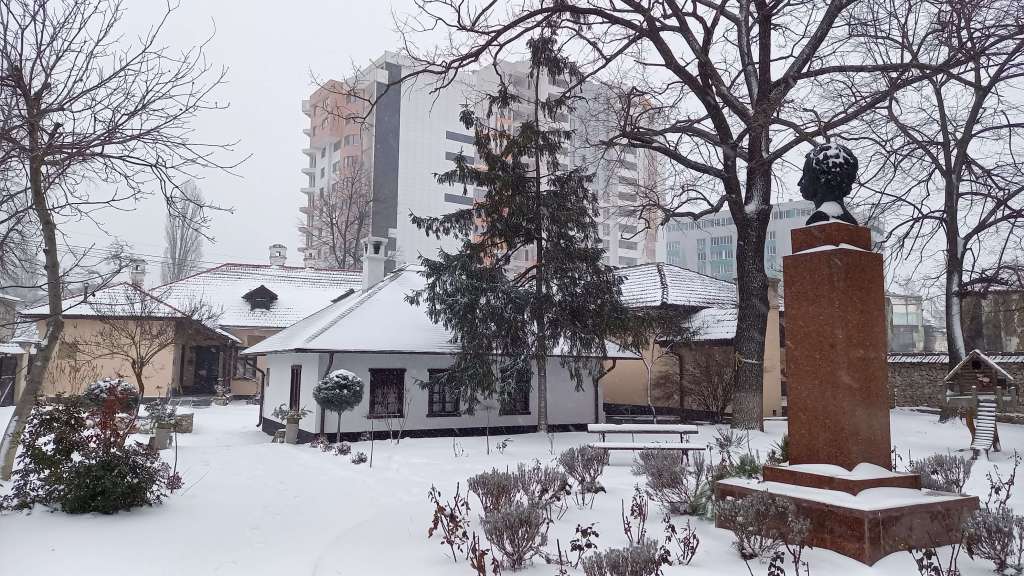
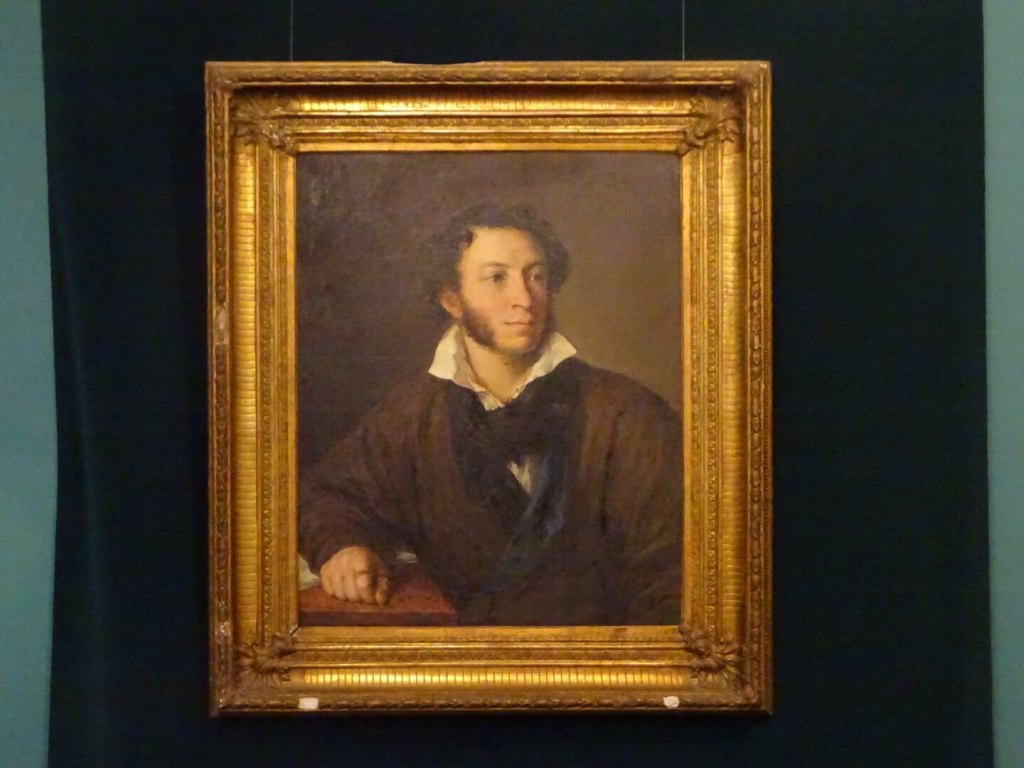
I then took a seriously crowded bus to the other side of the city centre, for that bargain 25p again, to visit Russian poet and author Alexander Pushkin’s House. He had lived there for three years after being exiled by Russian Emperor Alexander I in 1820, for writing “outrageous” anti-tsarist and freedom-loving poetry. He loved it there apparently, I imagine the wine may have helped, and wrote the beginnings of his most famous book “Evgeny Onegin” while resident.
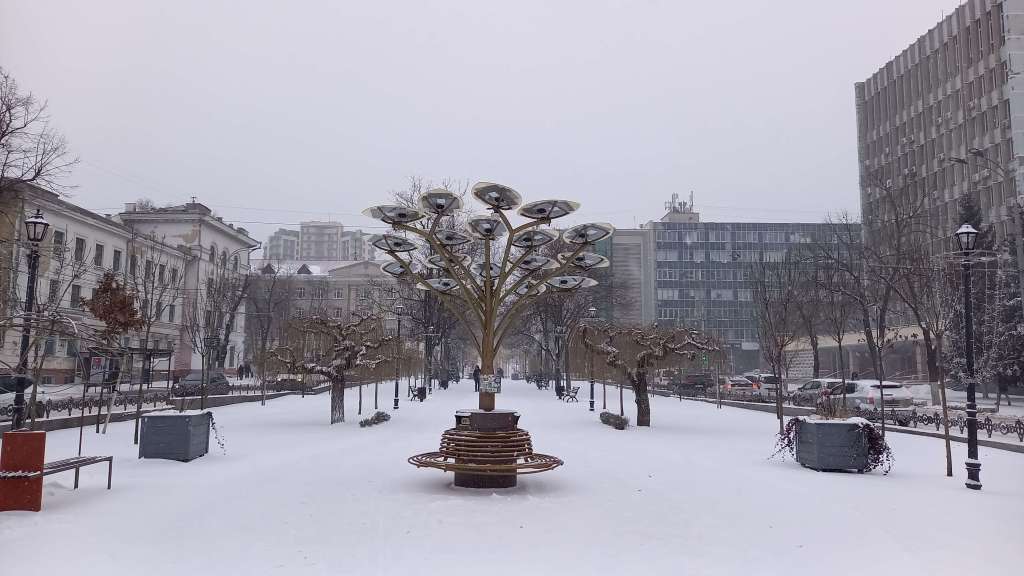
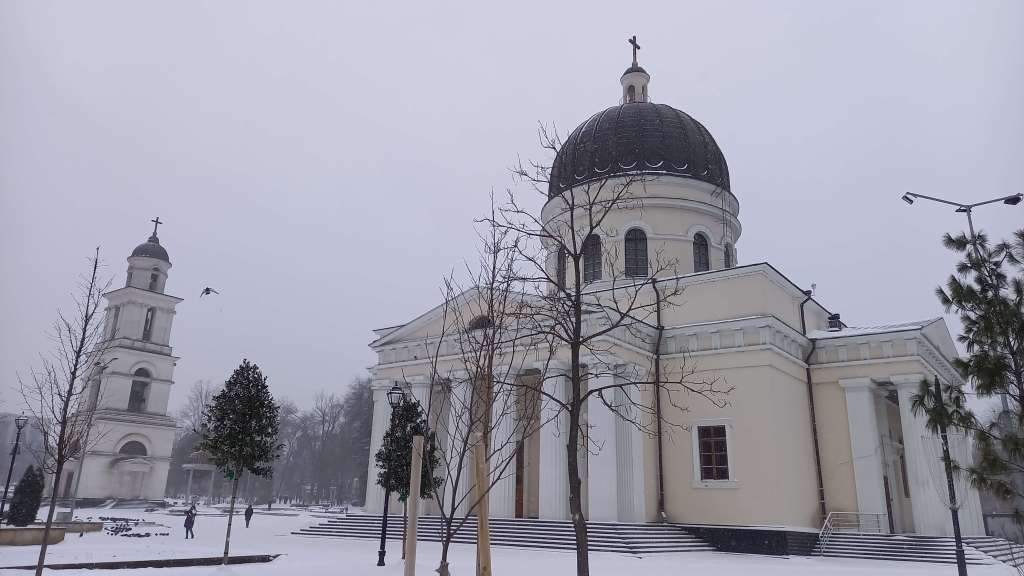
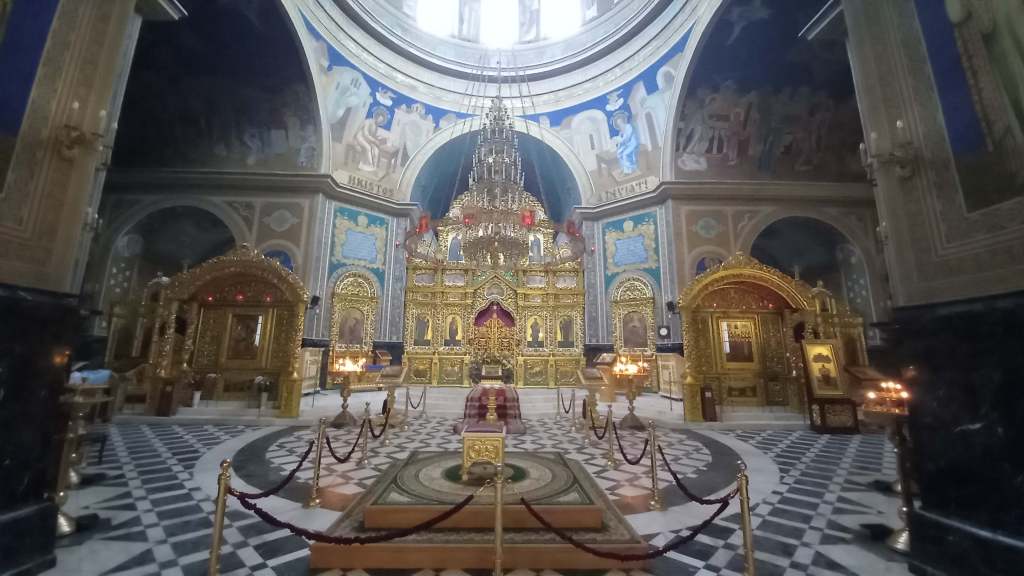
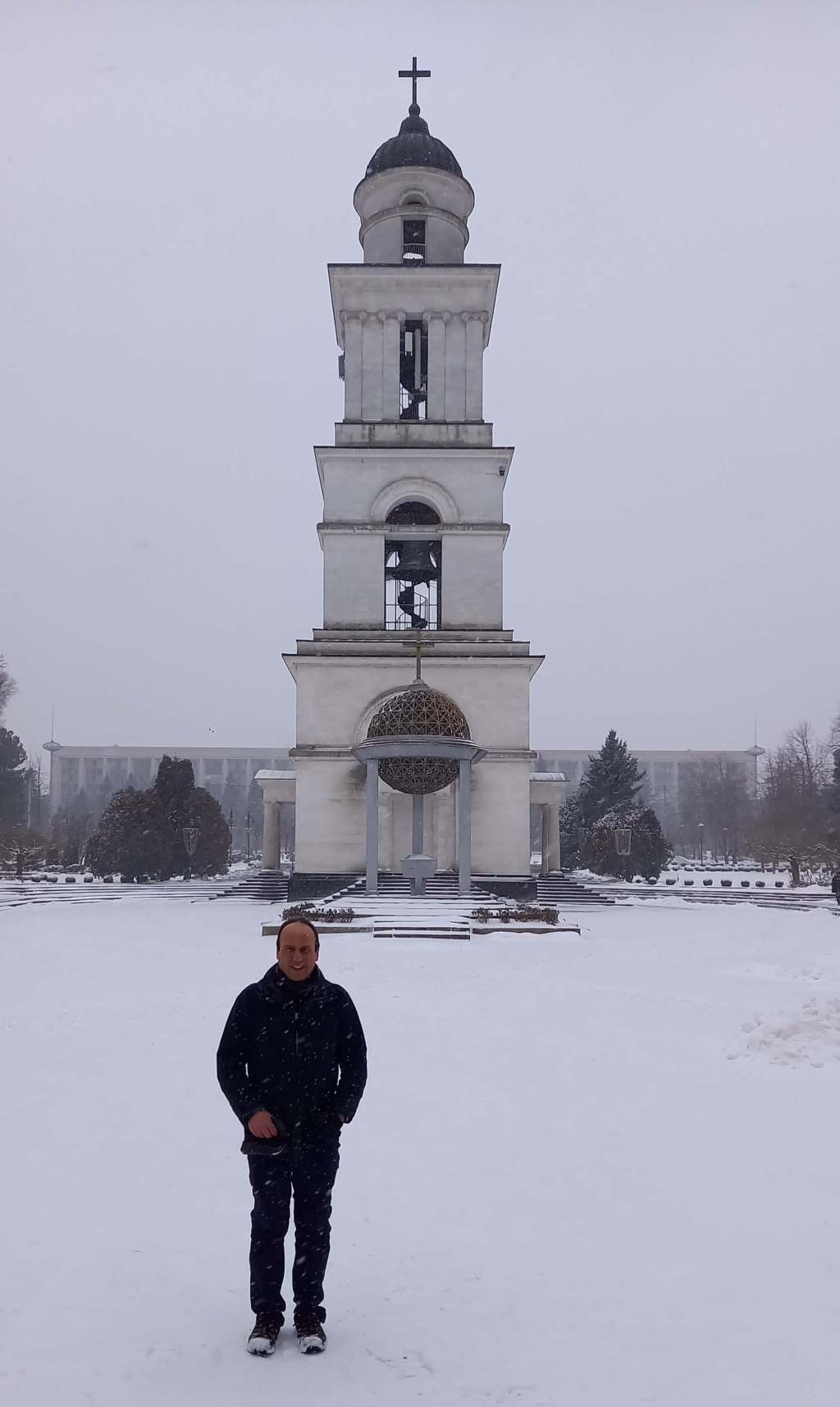
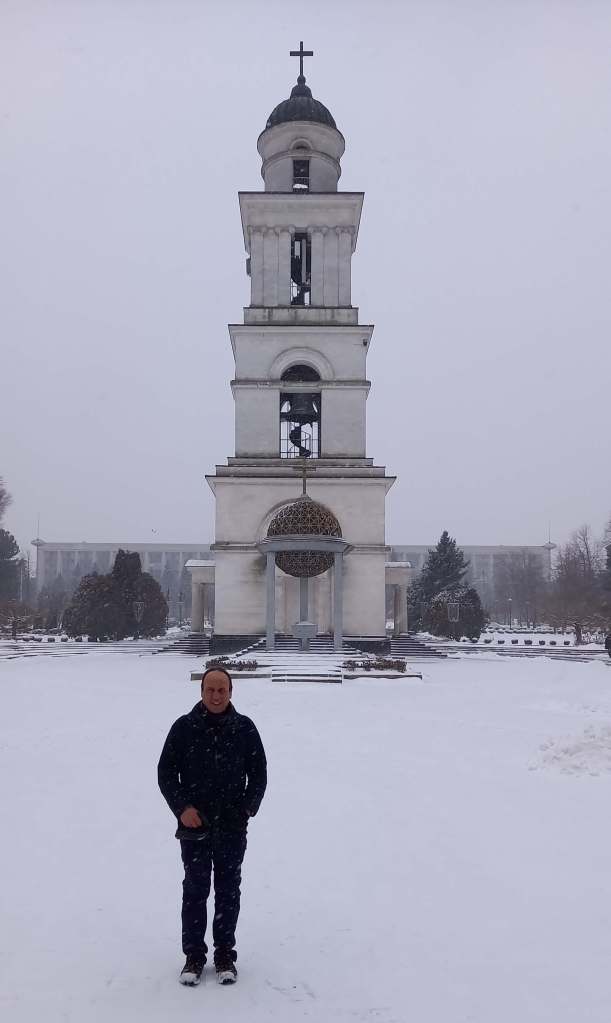
From there I took a walk through blizzard-like conditions to the large central Cathedral Park, home to the 19th century Metropolitan Cathedral of Christ’s Nativity, and its attached and oft-photographed Bell Tower, which seems to have become the city’s landmark. Nearby was the Triumphal Arch, built in 1846 to commemorate the victory of Russia over the Ottoman Empire in the 1820s, and the city’s famous row of 24-hour flower stalls which were doing a roaring trade when my tour group had driven by them a few days earlier on Valentine’s Day evening. Moldovans love both wine and flowers, and seem to be a rather romantic people – perhaps the Spanish-Italian types of the former Soviet Union.
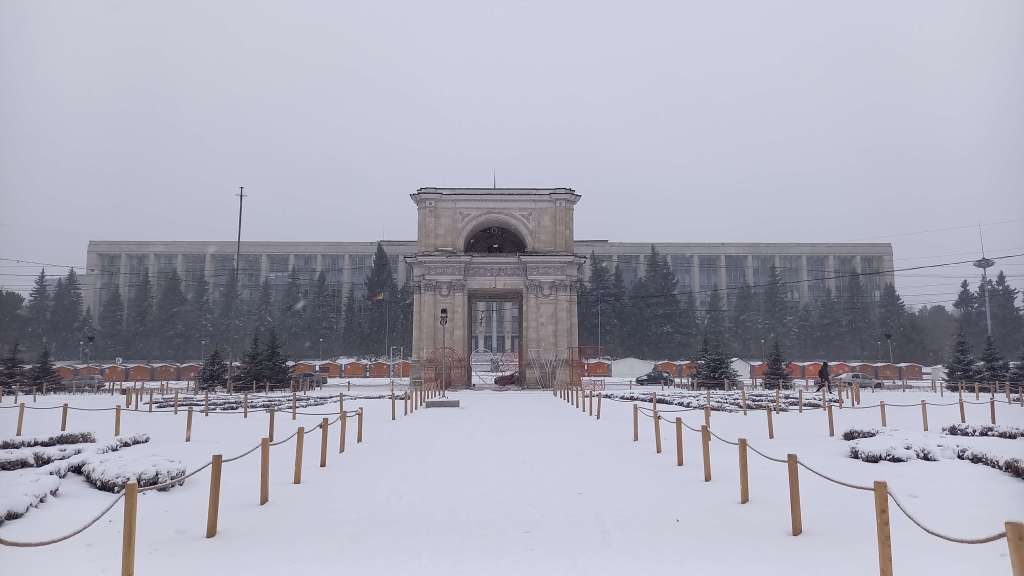
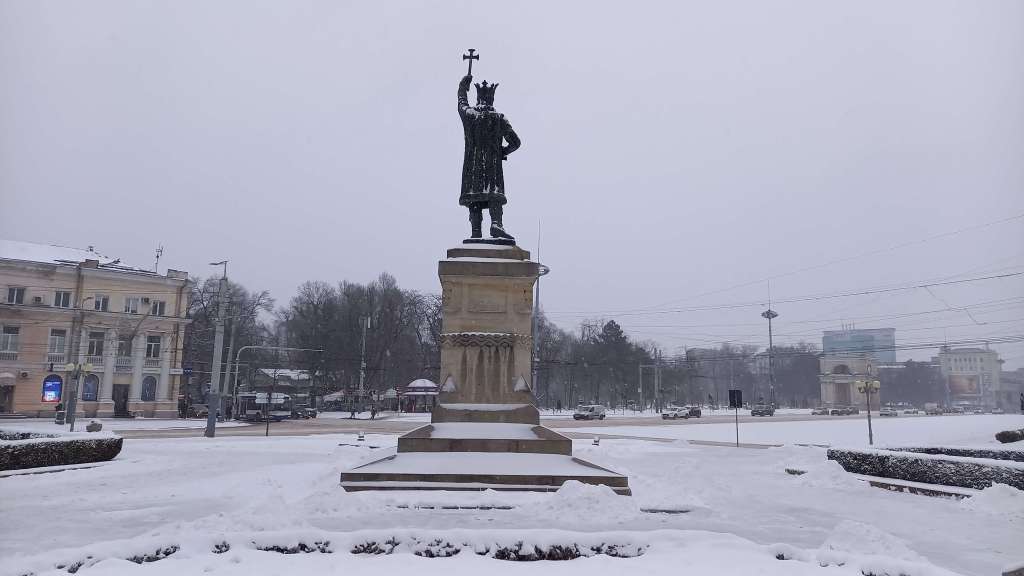
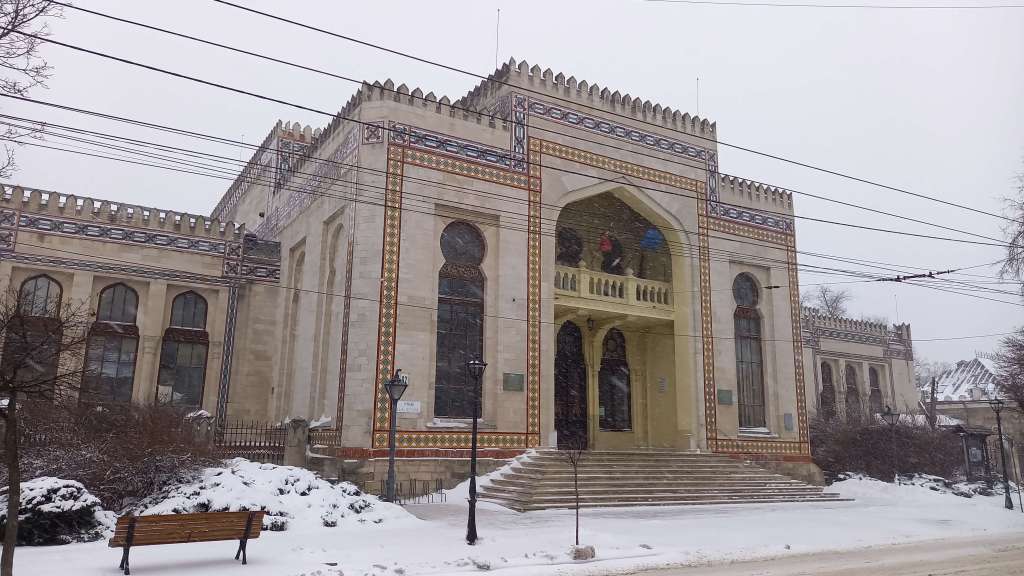
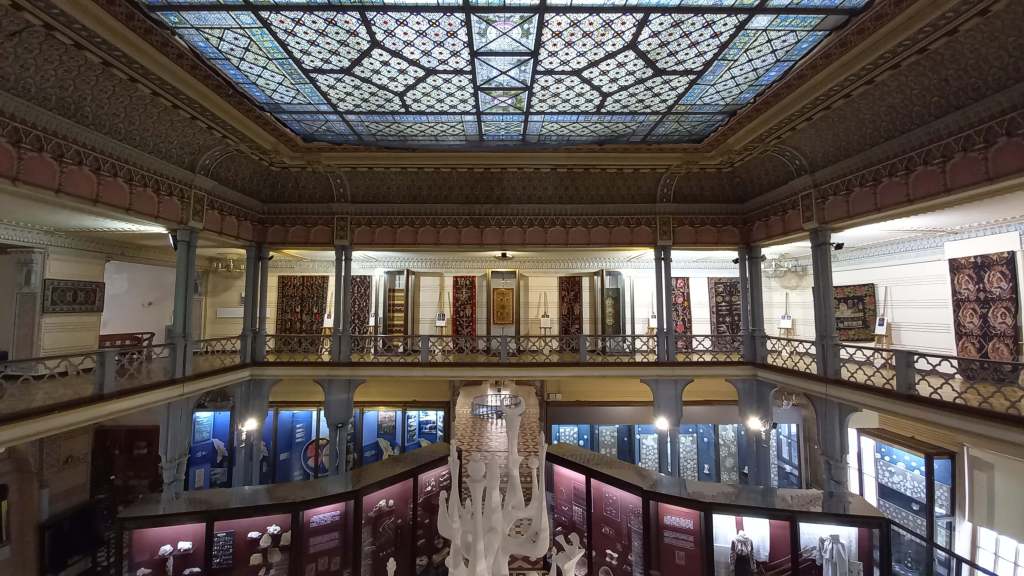
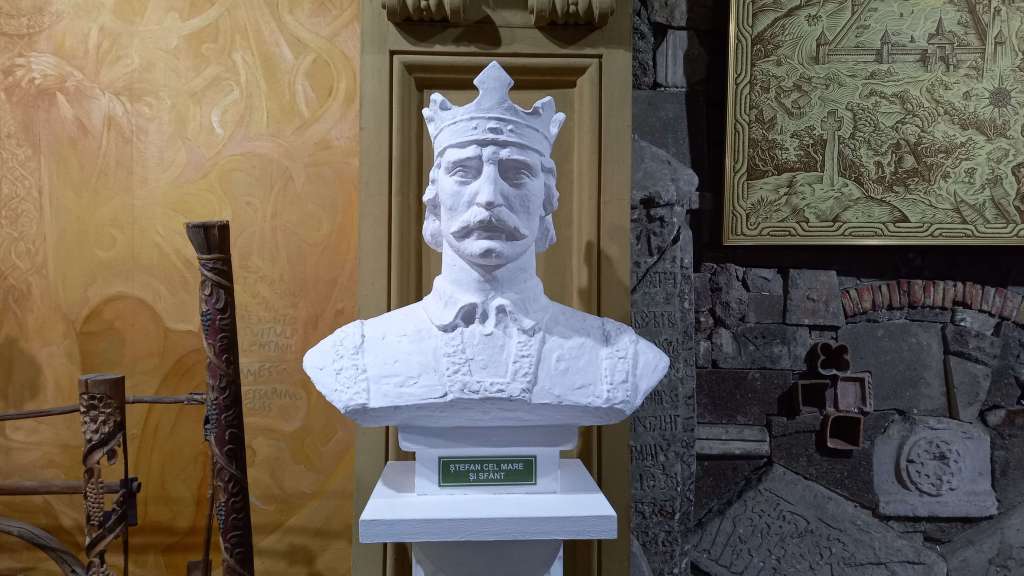
I then headed through Stefan cel Mare Central Park past his statue proudly holding up a cross and facing towards the vast expanse of Cathedral Park which I had just walked through, to warm up a bit on the other side in the city’s National Museum of Ethnography and Natural History. This museum’s highlight to my mind was its seriously beautiful architecture, and its grand and ornately-decorated rooms.
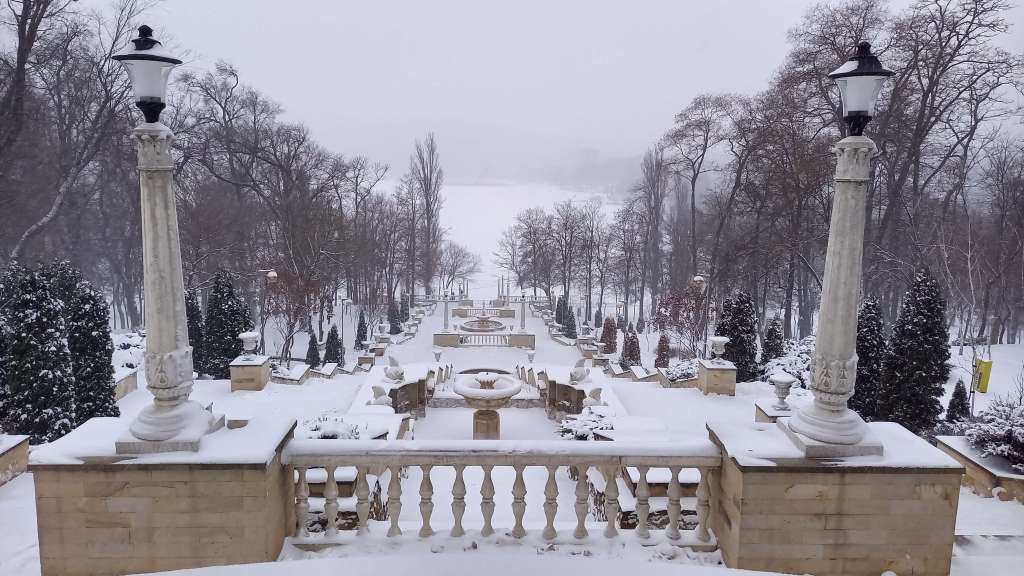
Braving the weather once more, I visited the nearby 1950s Soviet-built Cascade Stairs in the Valea Morilor Park, designed as both a scenic attraction as well as a functional way of connecting the city centre up on a hill to this park down below, and made even more beautiful on this day by the freshly fallen deep layer of snow.
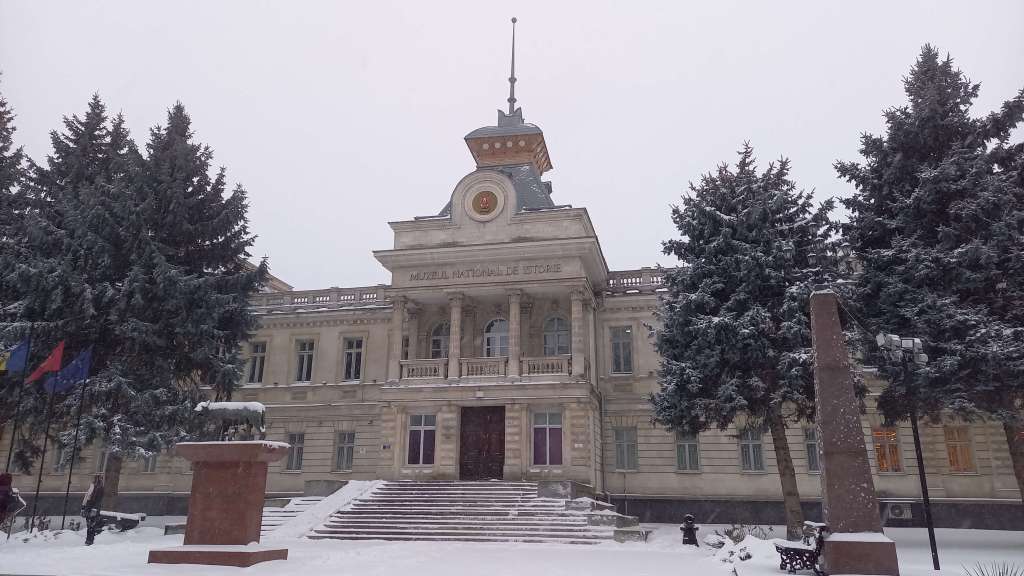
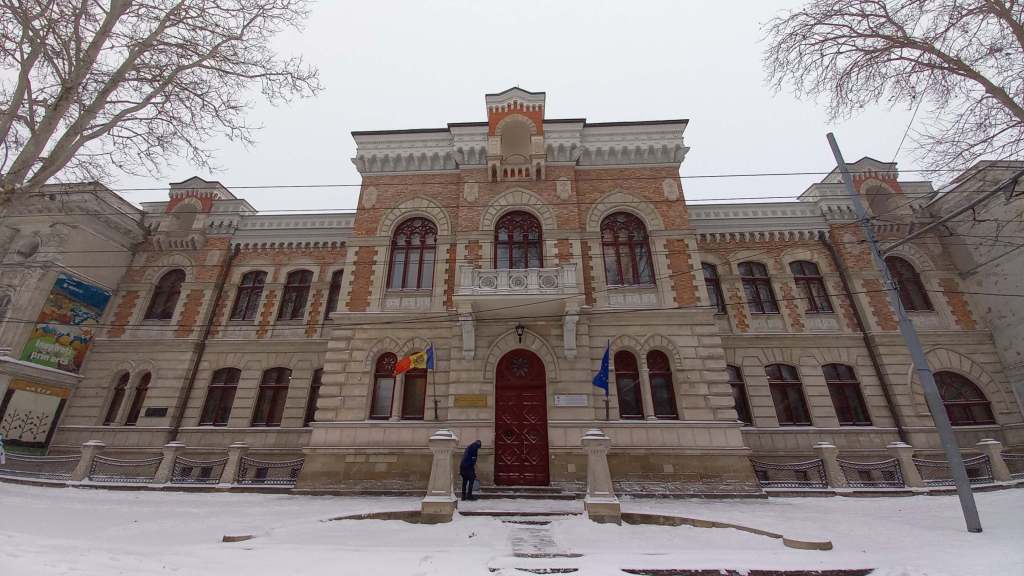
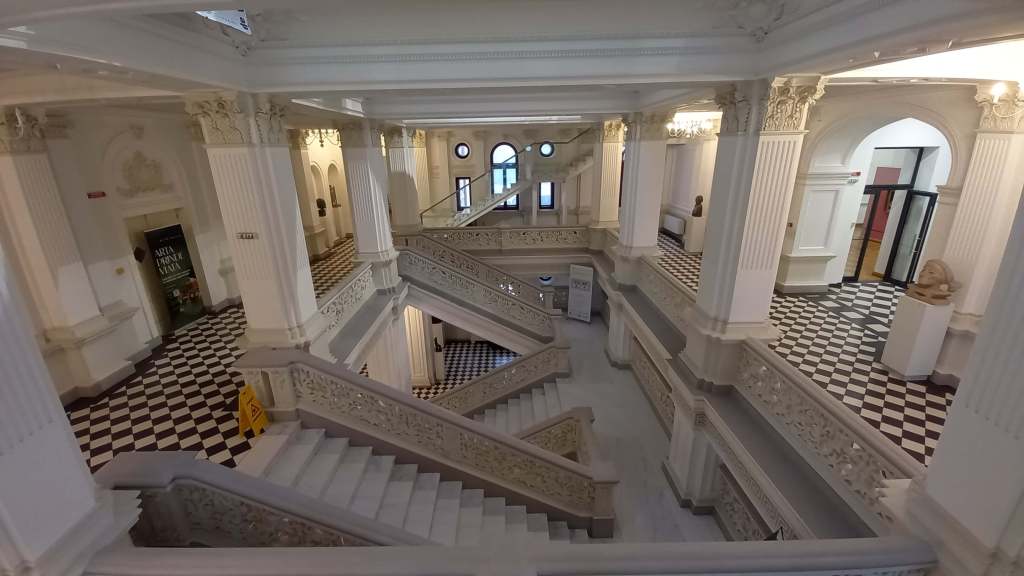
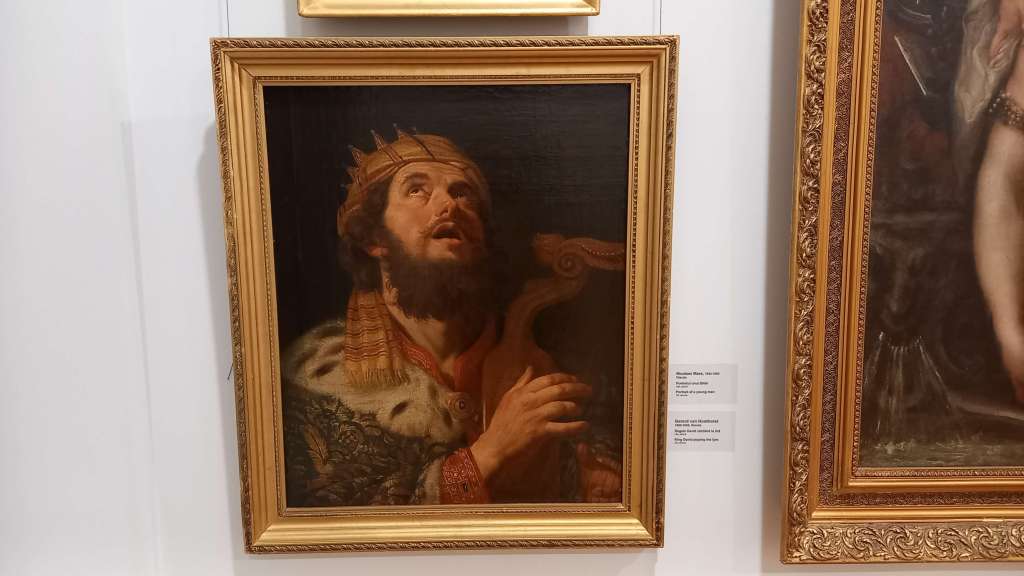
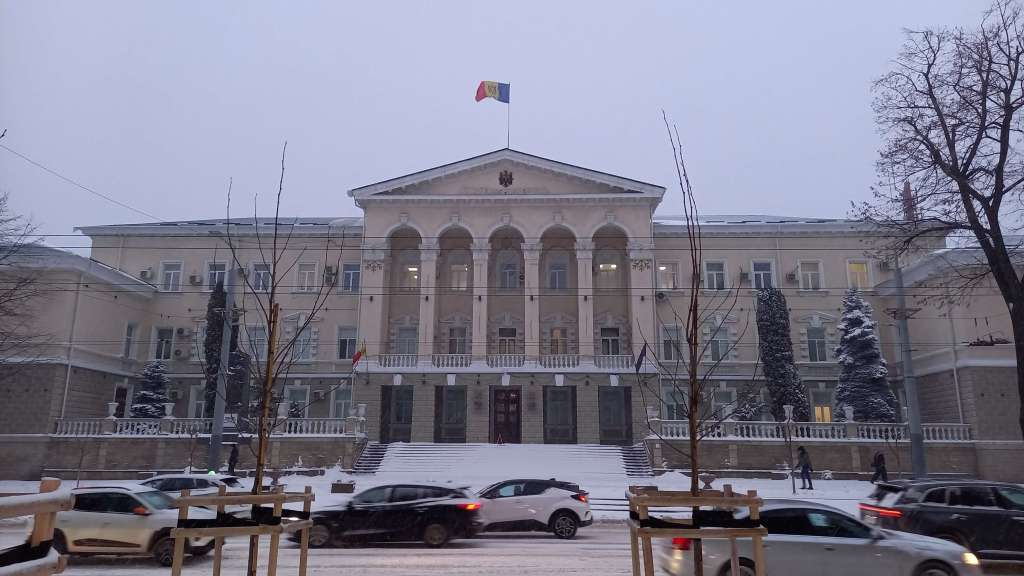
I then headed past the US and British Embassies through the city’s ambassadorial district, to warm up a bit more in the National Museum of Fine Arts of Moldova, with some more incredible architecture, before braving the blizzard once more to walk back to my hotel along the city’s main drag of Stefan cel Mare Boulevard. I was satisfied that after five days of already being in Moldova, I had now done the sights of its capital city Chişinău. I was not disappointed, and enjoyed it very much.
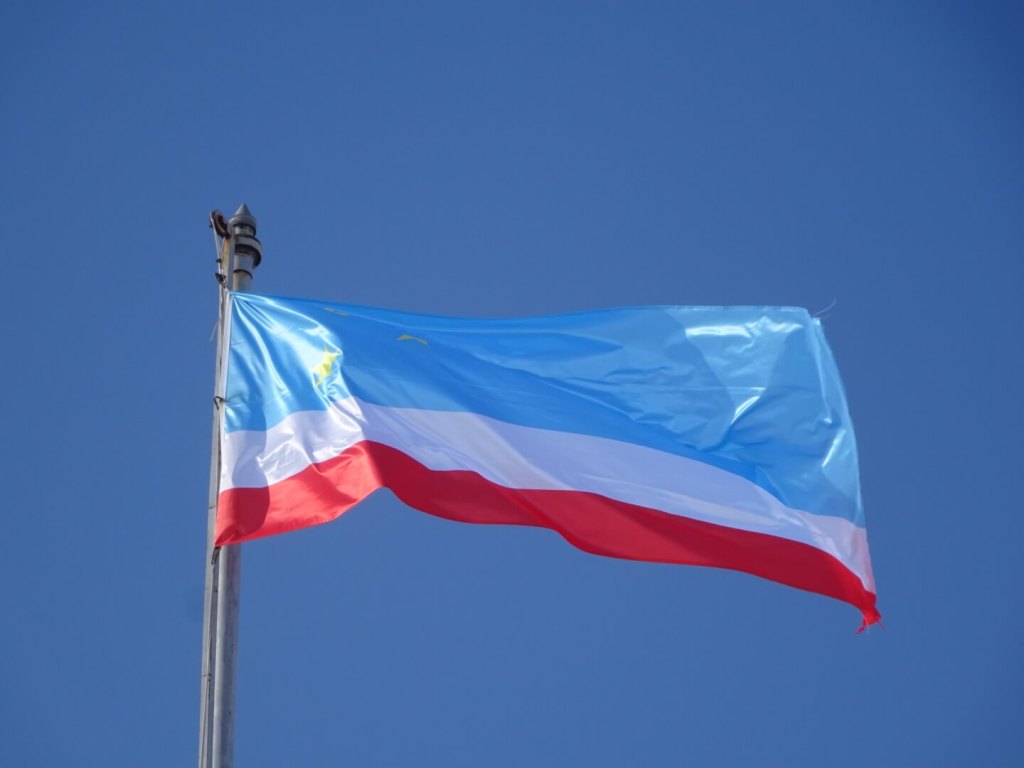
As with every other day on this fascinating trip to Moldova, my final full day was also a good ‘un. I had booked my third and final full day tour out of Chişinău, and this time to the fascinating and very little-visited and little-known autonomous region in the south called Gagauzia. The place is truly intriguing, and I had never heard of it before. While Gagauzia is autonomous and has its own parliament called the People’s Assembly of Gagauzia, and while it shares in common with Transnistria its pro-Russian and anti-EU vibes, it is not considered a breakaway state nor has it ever declared its own independence. And the people themselves are also fascinating, being Turkic in origin and language, but Orthodox Christian rather than Muslim. They moved to the region during the Ottoman Empire and settled, and welcomed the Russians when they took the country in 1812. As with the Transnistrians, they also like their Lenin statues, with a prominent one up in the main street in the main town of Comrat, called Lenin Street. The place seems a real anomaly in the deep south of Moldova, and I was looking forward very much to exploring and learning more.
The trip nearly didn’t go ahead though, due to the continuous and heavy snowfall on the previous afternoon. I was overjoyed when I got the final confirmation message in the evening that it was indeed going ahead, as they had managed to also arrange a separate driver to negotiate the snowy roads while the guide could concentrate on guiding us. I did the tour with a German chap, a teacher like me, and also like me he had made Moldova his final country in Europe. Perhaps there is a theme here! The guide was a local Moldovan lady, with her Tunisian boyfriend as driver – they made a good team, and both spoke good English.
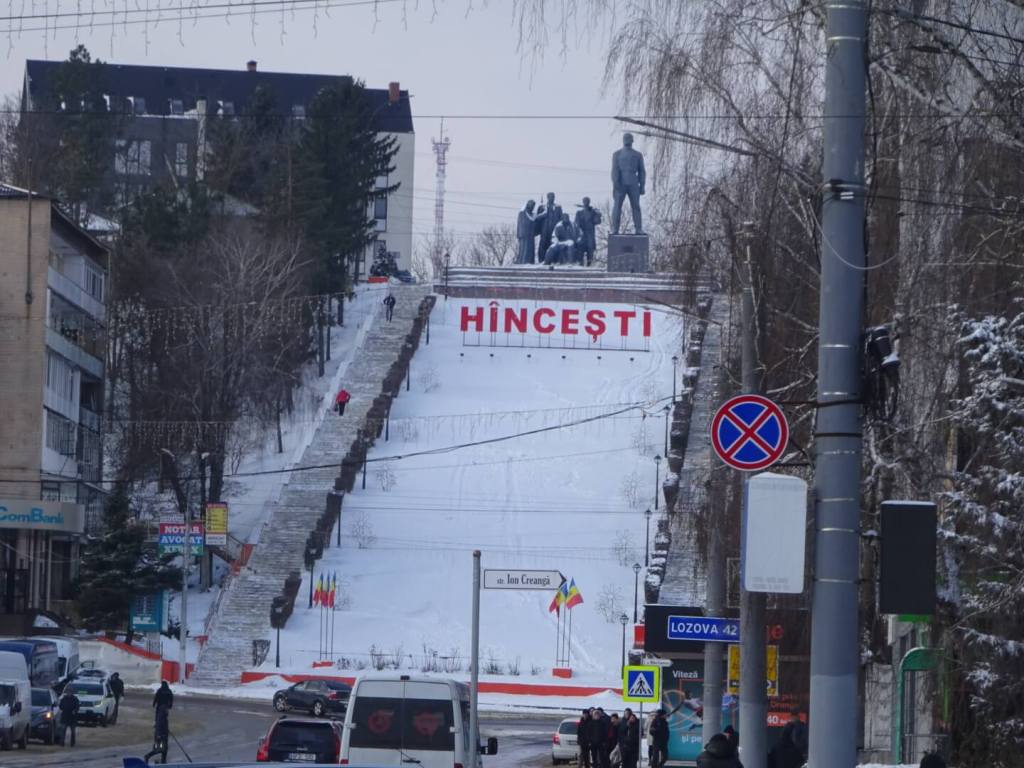
We first made a stop in a city called Hîncești, population 11,000, to visit its very grand mid-19th century Manuc Bey castle. It was built by an Armenian chap resident in Romania called Manuc Mârzayan, “Bey” being a Turkish honorific title similar to “Sir” in English, as a luxury residence for him and his family, and was recently renovated from a ruined state with funding from the EU.
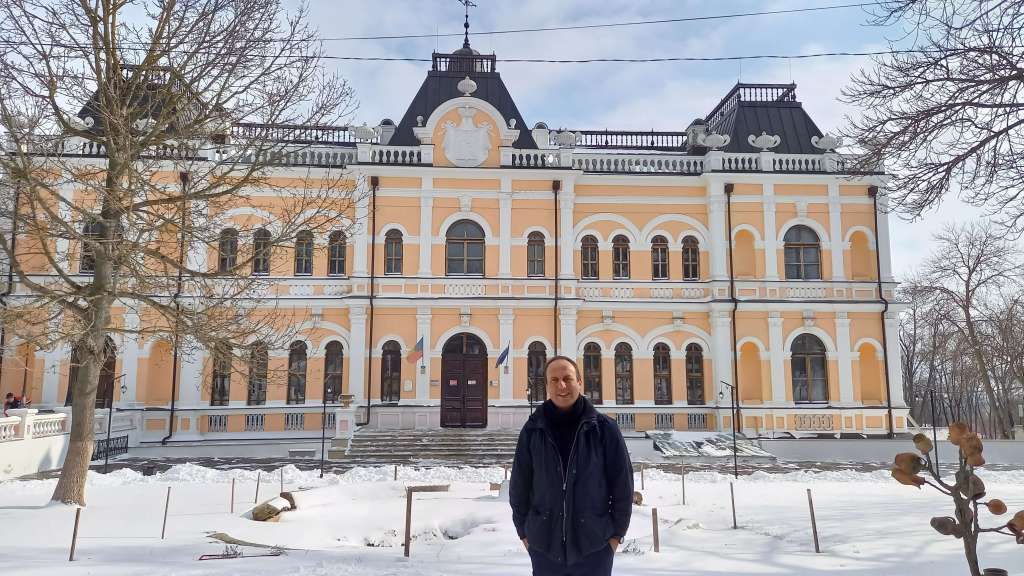
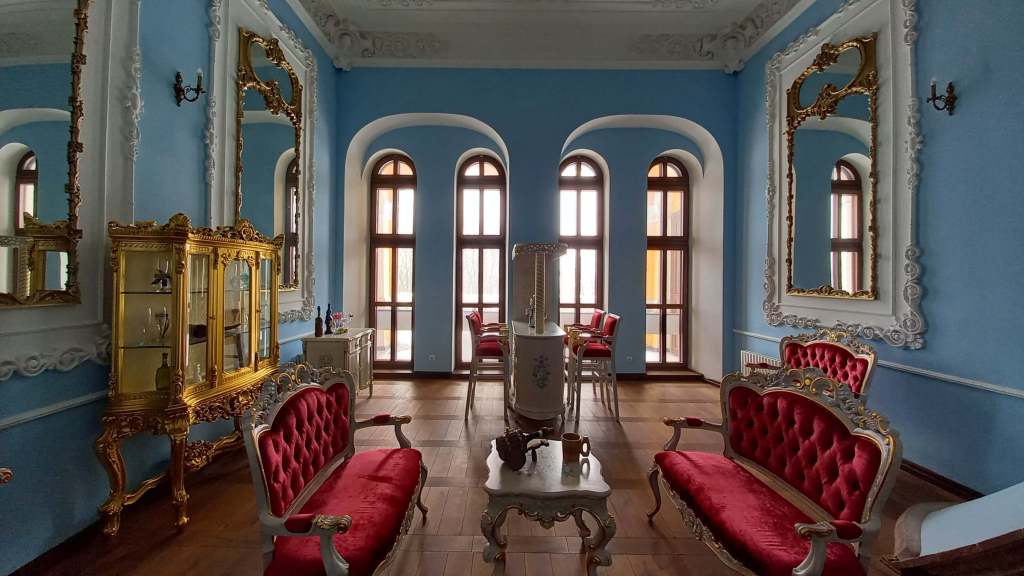
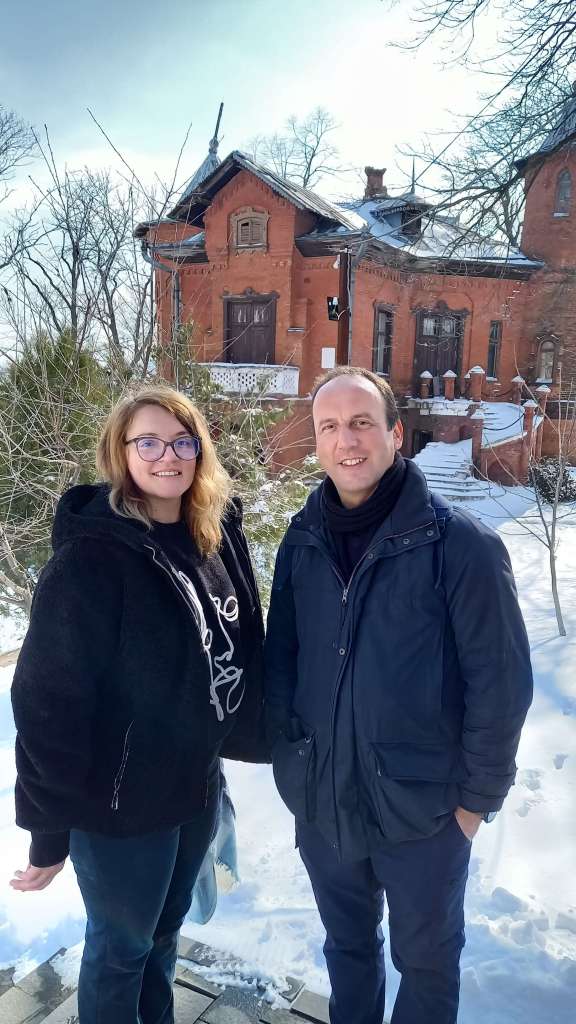
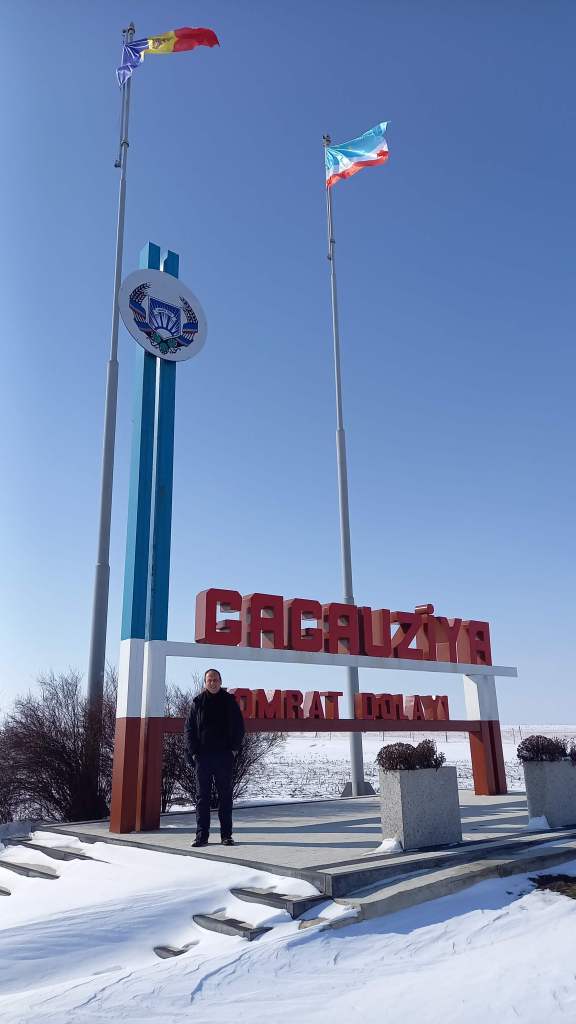
Shortly after, we crossed the “border” into Gagauzia itself, stopping at a large and striking “Welcome to Gagauzia” sign. We had to be careful negotiating the drifting snow that had accumulated there, reaching knee-deep in places! There were evidently not too many other visitors on this trip, as there were no other footsteps in the snow but ours.
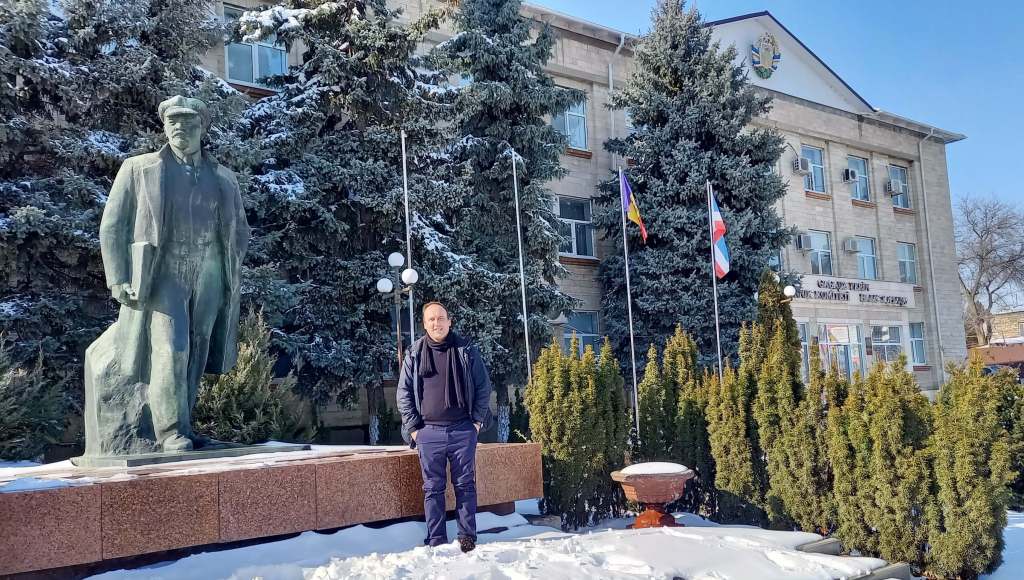
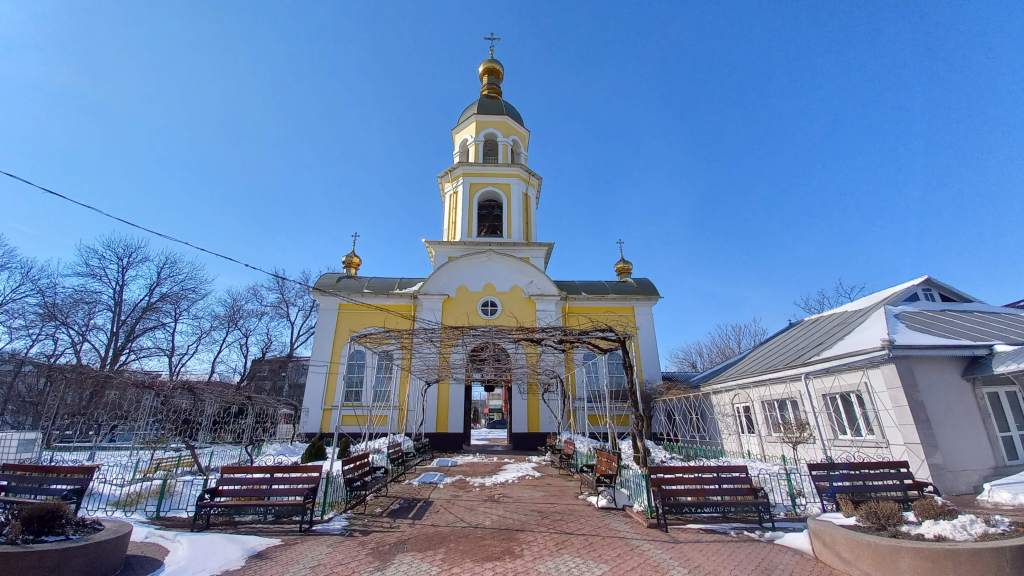
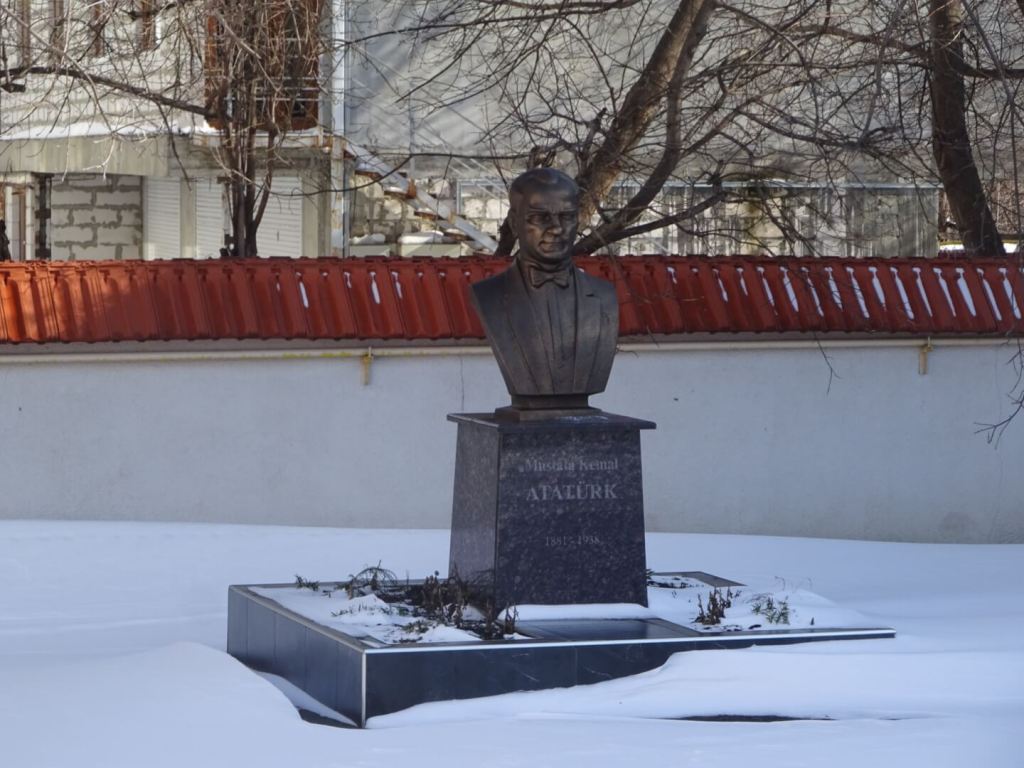
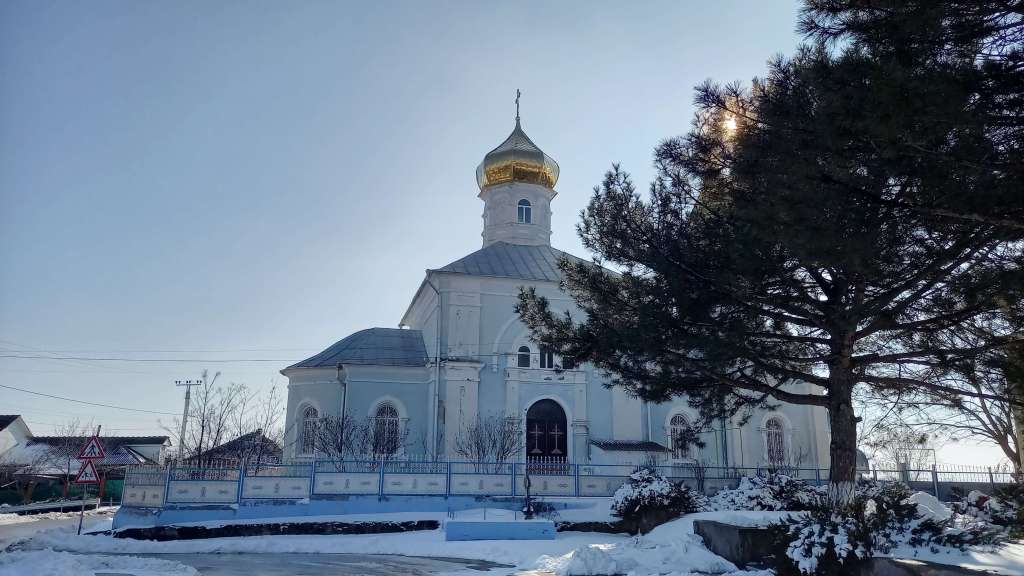
Thence on to the Gagauzian “capital” itself, the city of Comrat, population 19,000. We visited the Lenin statue on Lenin Street running through the middle of town, and the nearby St John the Baptist Orthodox Church. On the streets we heard and saw the language of Gagauzian both spoken and written, and indeed it did sound very similar to Turkish. There was even a statue of Atatürk, founding father of modern Turkey, in town, not far from the statue of Lenin – I am quite sure there are not too many places in the world were such statues are in such close proximity, it was just fascinating!
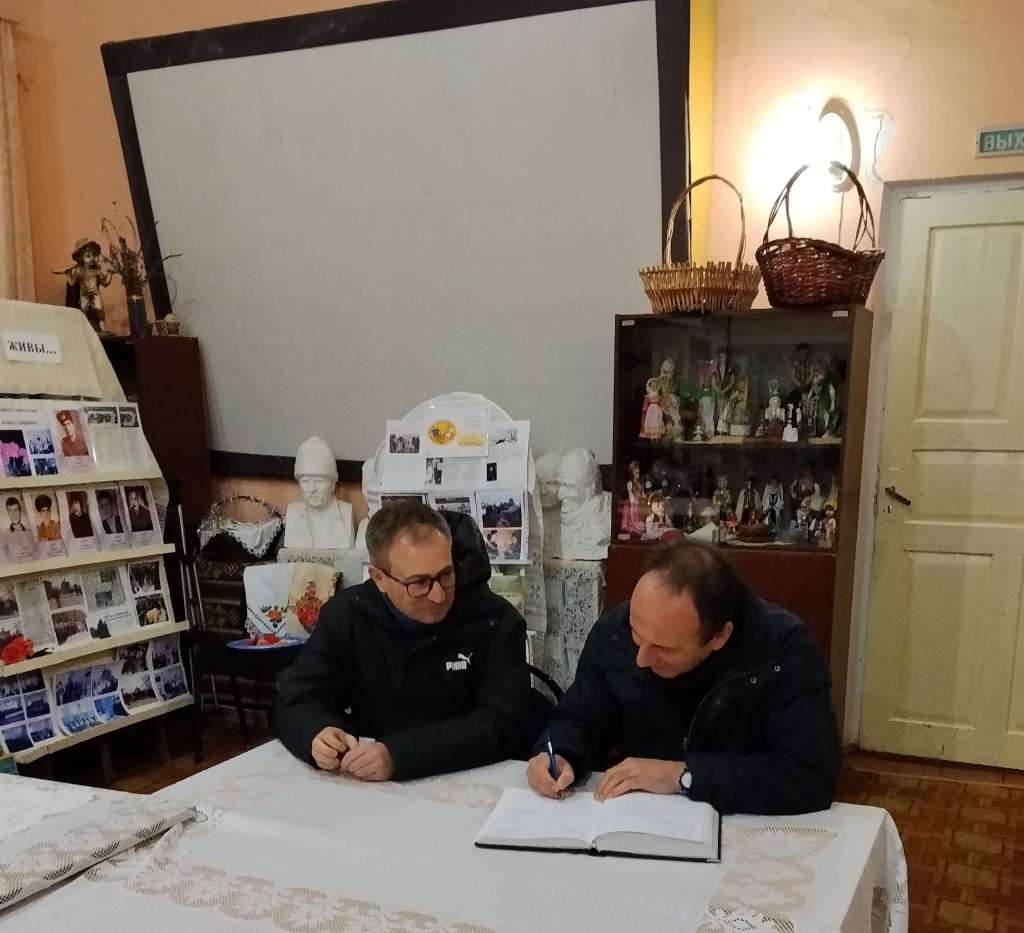
Next up was a visit to the National Gagauz History and Ethnographic Museum in the village of Beșalma, population 4,000, passing a welcome to the town sign saying “Hoş Geldiniz”, just like “welcome” is also said in Turkish! A very enthusiastic lady took us around the museum, speaking to me in Russian when I told her I spoke a little, but so quickly that I hardly understood a thing. I was glad our tour guide was able to translate for us. We spent one hour and forty minutes in that museum, looking around its mere six rooms – they seemed to just love showing off their exhibits to us, and were so adorably proud of it all. They also took several photos of us, including one of me and the German chap signing their Visitors’ Book – we joked about how we would appear in the local Gagauzian newspaper: “Two foreign, prestigious teachers visit Gagauzia!”
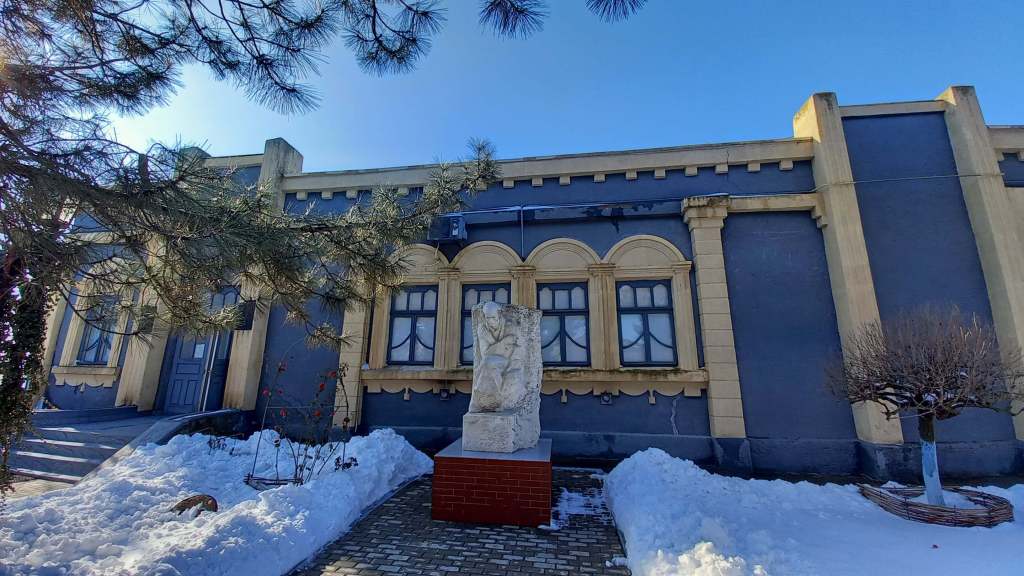
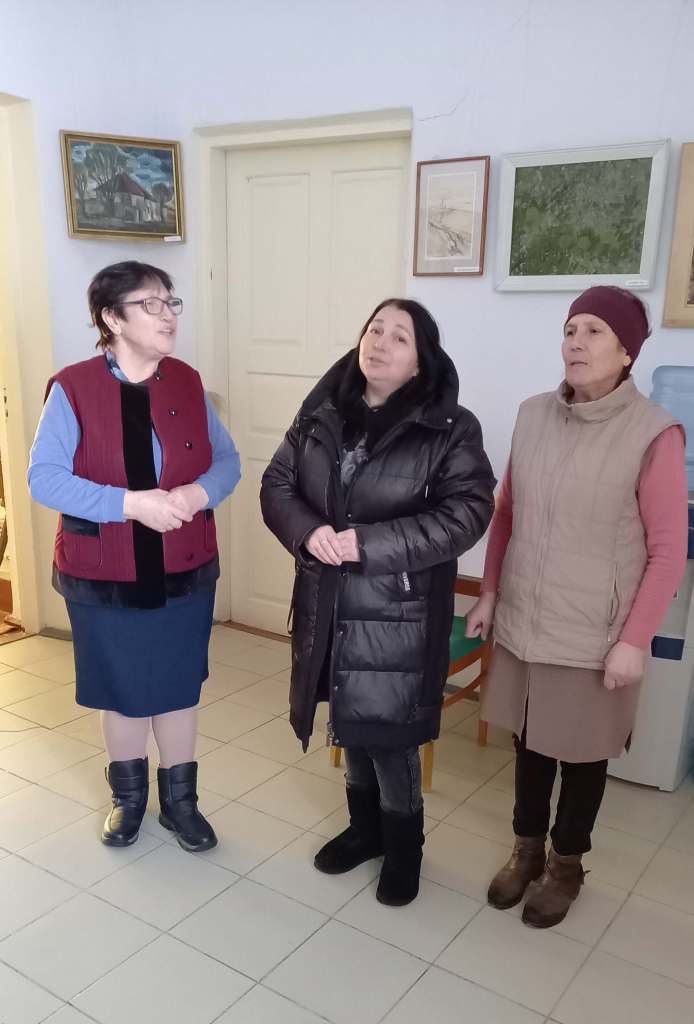
Towards the end, the daughter of the man who originally founded the museum, herself now the director of the place, also very warmly welcomed us. They even sang us a song in Gagauzian before we left, again sounding so similar to Turkish. It was an intriguing visit, and I felt so touched by their very warm welcome and huge pride in their history, culture and museum.
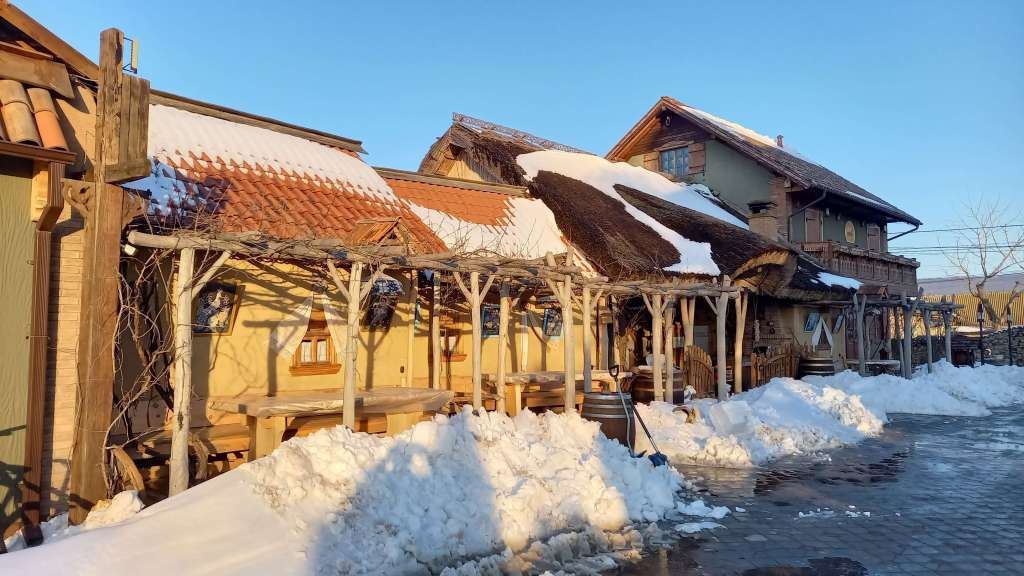
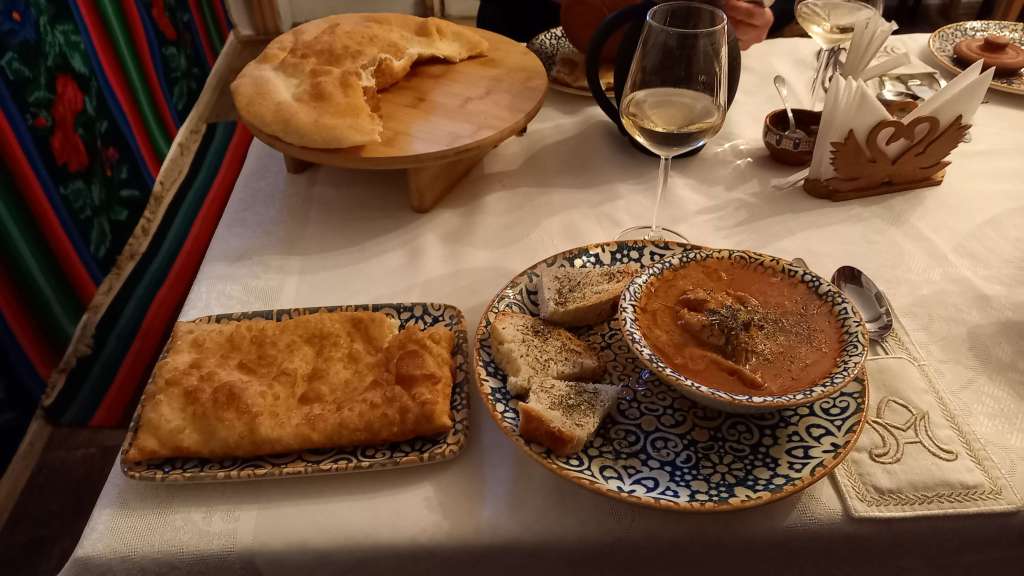
Finally for the day, we had a late lunch at a traditional Gagauzian restaurant in the village of Congaz, at 4.30pm…! We were running a bit behind schedule already, and as the afore-visited Museum closed at 4pm, we did that first and held onto our appetites for a while longer. It was so worth it! I had chicken in a very rich sauce with delicious local fried flat bread filled with sheep’s cheese. All washed down of course with plenty of local Gagauzian wine – yes, along with Transnistria and also the rest of Moldova, Gagauzia is also filled with vineyards and wineries. As mentioned in a previous blog, wine doesn’t even count as alcohol in the country, and they drink it like water – I wasn’t complaining. It made the dark journey back much easier, with loads of laughter as we watched stand-up comedy on YouTube most of the way. While we were due back for 5.30pm, it was actually 8.30pm when we rolled into town! I’m smiling as I write this, as we all clearly had a good time, and the wine and the company very much helped! I was spending my last night in this wonderful and highly unique country at the fantastic Chișinău Hotel again!
The flight home the next day was fine – friendly, and with some really nice conversations with different people along the way. I got the feeling that most Moldovans I spoke to were really interested and happy that someone was visiting their country.
The HiSky flight landed back in Stansted where I began my trip, so it was a three-hour journey to the opposite side of London once more to get home, but all was good. I had had a fantastic week in my final country in Europe, and feel really proud of my achievement to be honest. Moldova was a lovely country to make my last one. It was unique, friendly, and if you scratch beneath the surface, there are plenty of truly intriguing and fascinating places to see.
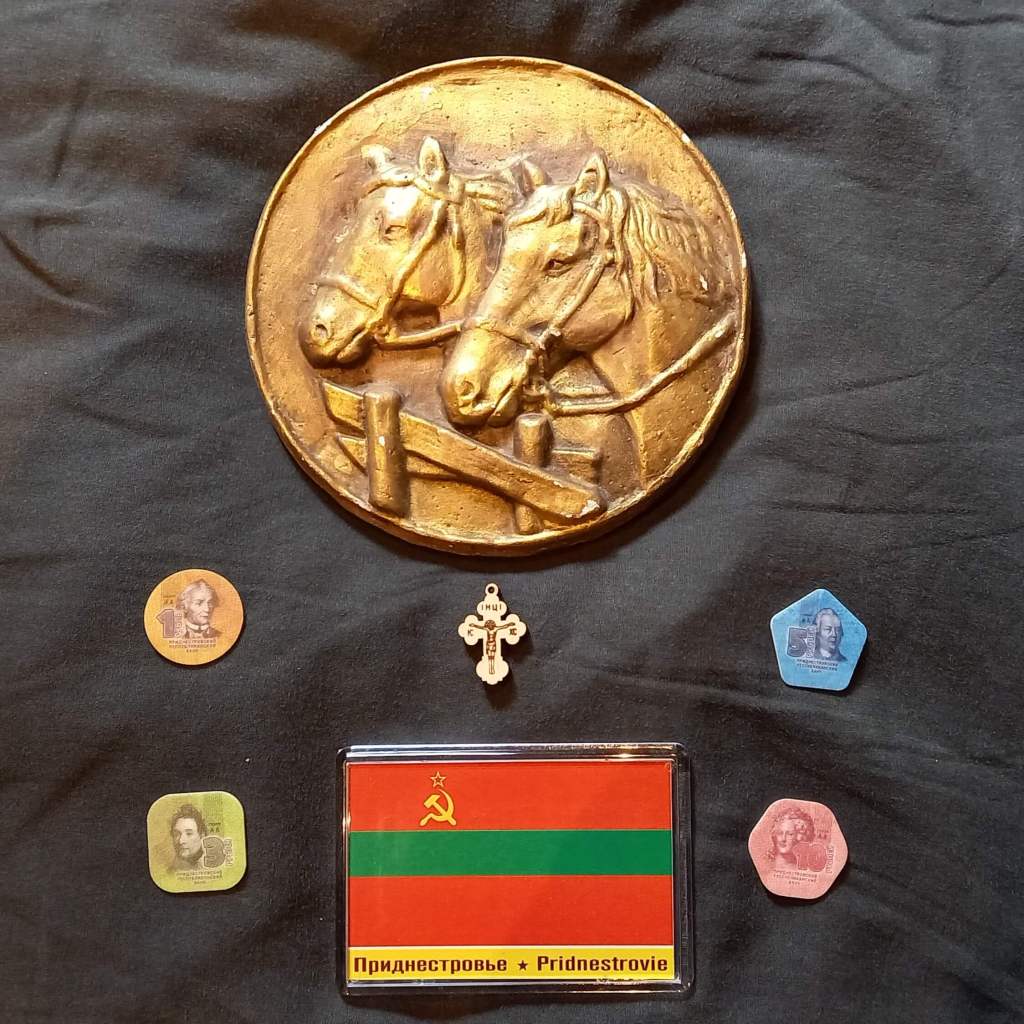
Thank you Moldova, you’ve been just lovely!
Until next time, which is planned to be another US trip over Easter, this time to the Deep South! I’m excited, and of course do watch this space!
(PS. As I publish this, I am now for the first time since July 2025, all up-to-date with my travel blog writing and my trips!)

 Alex Waring's Travel Blog