
2nd April 2026
After a wonderful start to my Deep South trip in Nashville, I was ready on a Thursday morning to begin the Road Trip part of my adventure. There was pretty much no way I could do what I was planning using public transport in this part of the country.
I checked out of my hotel and took a bus to the airport, to pick up my rental car which would be my travel companion for the next two weeks. It was a very comfortable, nearly-new white Nissan Kicks “Compact” SUV. It was certainly “Compact” compared to most other US vehicles on the road I mingled with, but was still a giant for me and my tiny English car standards. One of the things I love most about America is just how big everything is – the roads, the cities, the spaces, the car parking spaces, and thus even the cars themselves.
After getting used to the car for a bit in the rental car car park, I was ready to hit the American road again, and drove three hours east of Nashville, through Knoxville and into eastern Tennessee, to the small city of Morristown. This part of the state actually follows Eastern US Time, and thus I had to adjust my clocks forward by an hour crossing over from Central Time.
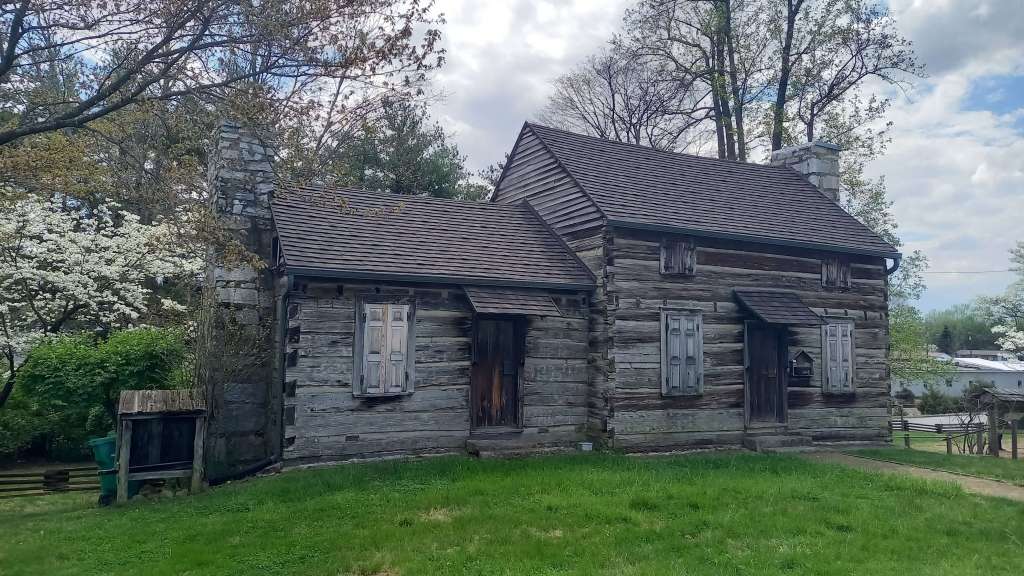
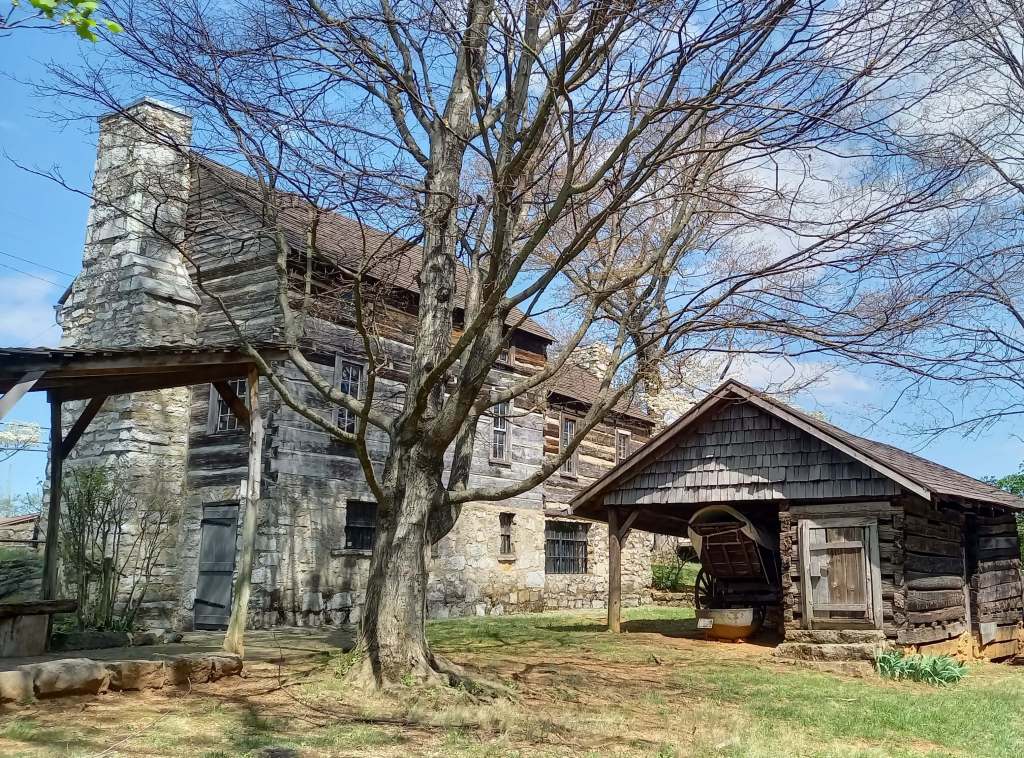
I was heading to a suburb of Morristown, home to the cute little Crockett’s Tavern Museum. While the building there today is actually a 1950s replica of the original 1790s tavern in which legendary American hero Davy Crockett spent the early formative years of his life, the grounds and location are still genuine. His parents ran the Tavern, and Davy helped out with the chores while sleeping upstairs and going to school nearby. The story goes that Davy ran away from home aged 13 as his father was abusive, and spent the next years of his life wandering and working throughout the settled eastern parts of the country at the time, before entering into Tennessean politics in 1821 at the age of 35, and then national US politics in 1827. He represented Tennessee in Congress until he lost his seat in 1835, as he famously broke with President Andrew Jackson in opposing the Indian Removal Act which led ultimately to the tragic “Trail of Tears” – more on that below. It was then that he made the fateful decision to move to Texas and the Alamo to make a fresh start, which was so tragically brought to an end a year later. I hope to learn more about Davy Crockett in a later US visit planned to Texas and the Alamo hopefully in the coming years, but at this time, while still a replica, it was awesome to be in the place where such a legend spent the early years of his life. Although the house itself wasn’t yet open for the season, I was still able to gather much from the information boards outside and walking around its humble grounds.
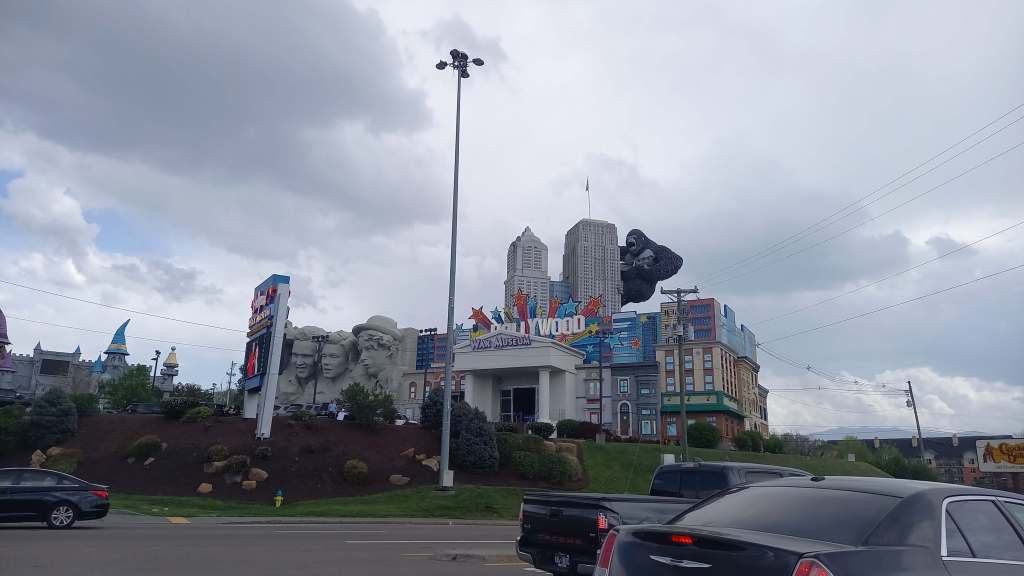
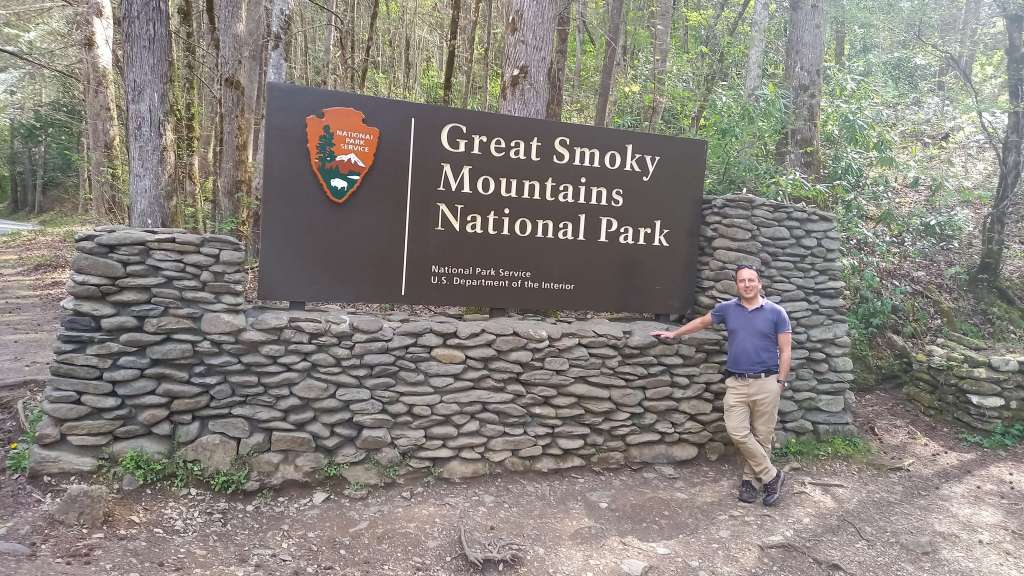
After my short visit to a bit of Davy Crockett history talking to a nice chap from Utah there who’d just moved to the area, I headed southwards, up and into the Great Smoky Mountains. Thinking it might be a bit cooler up there, I’d packed a jumper as well as a jacket for this trip, but neither were needed at all, and it continued to be a warm 28˚C up there as it was in the rest of Tennessee. I drove through theme-park-like Pigeon Forge, home to Dollywood (Dolly Parton of course being from this eastern side of Tennessee) and other gaudy attractions including a number of “mountain coasters”, on to a lovely lunch at Taco Bell, before heading towards Cades Cove in the heart of this most popular of America’s National Parks, which attracts around 12 million visitors per year. The Great Smokies in fact get as many visitors as the second, third and fourth most popular US National Parks put together, that is Zion, Yellowstone and Grand Canyon! Fortunately it didn’t feel too busy during my time there, I imagine it heaves in the summer time though.
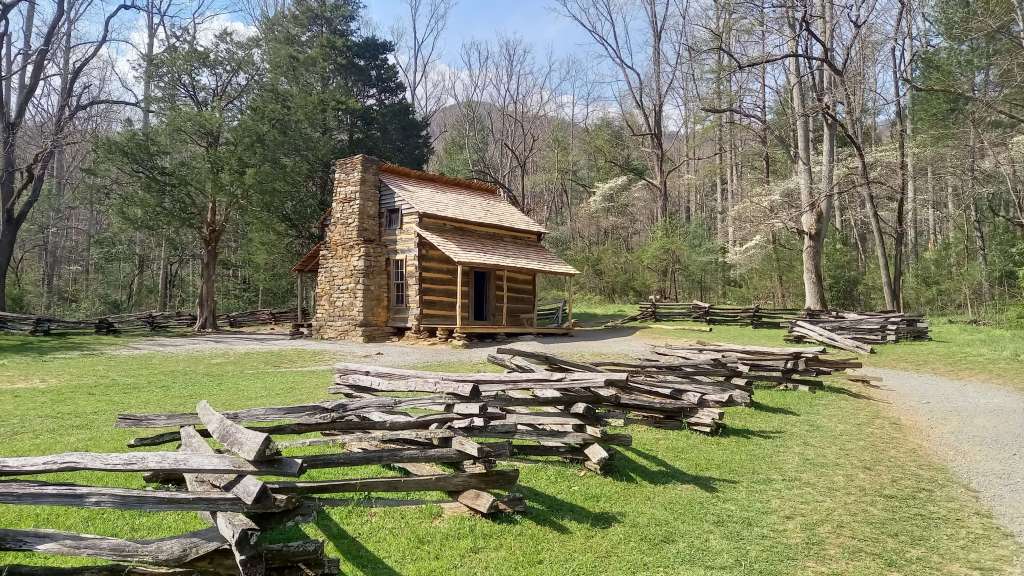
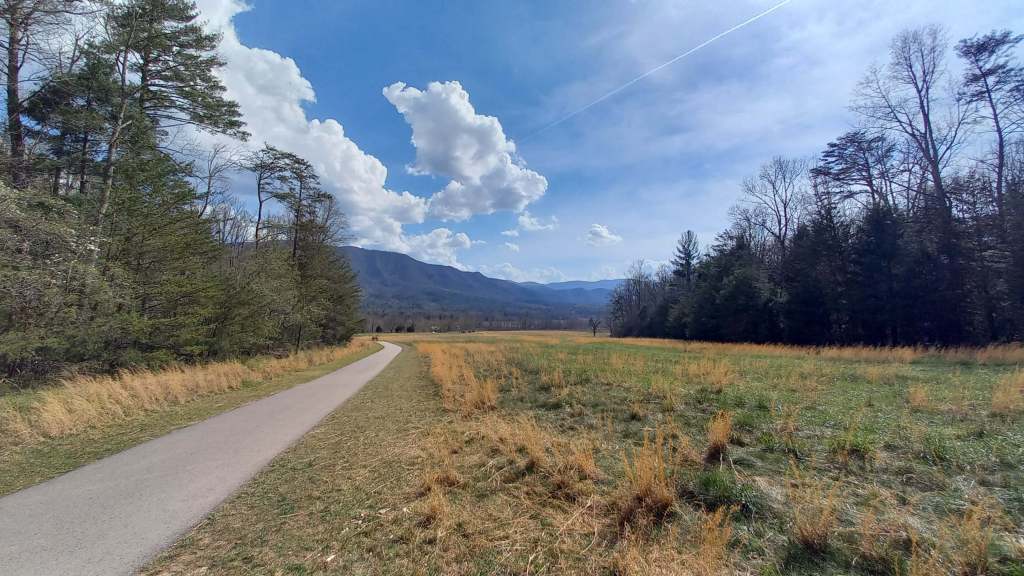
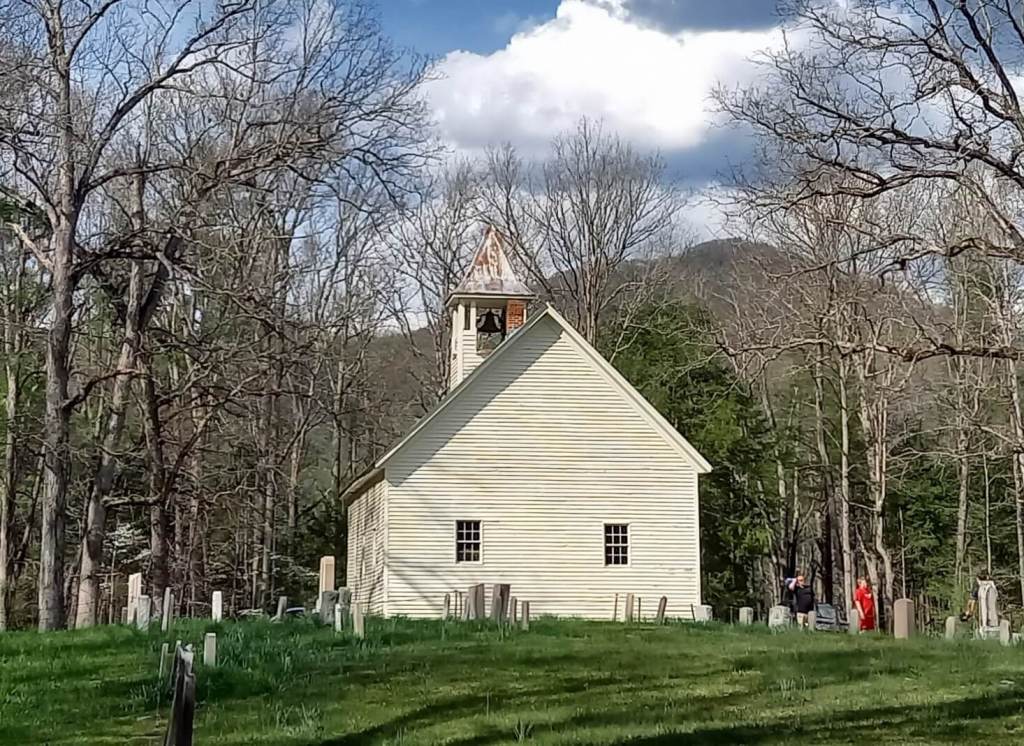
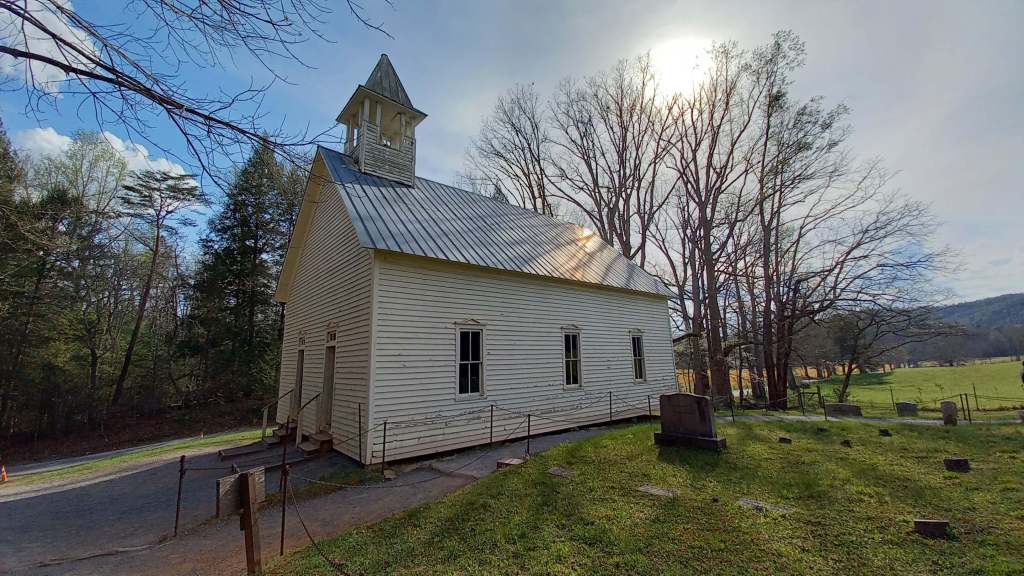
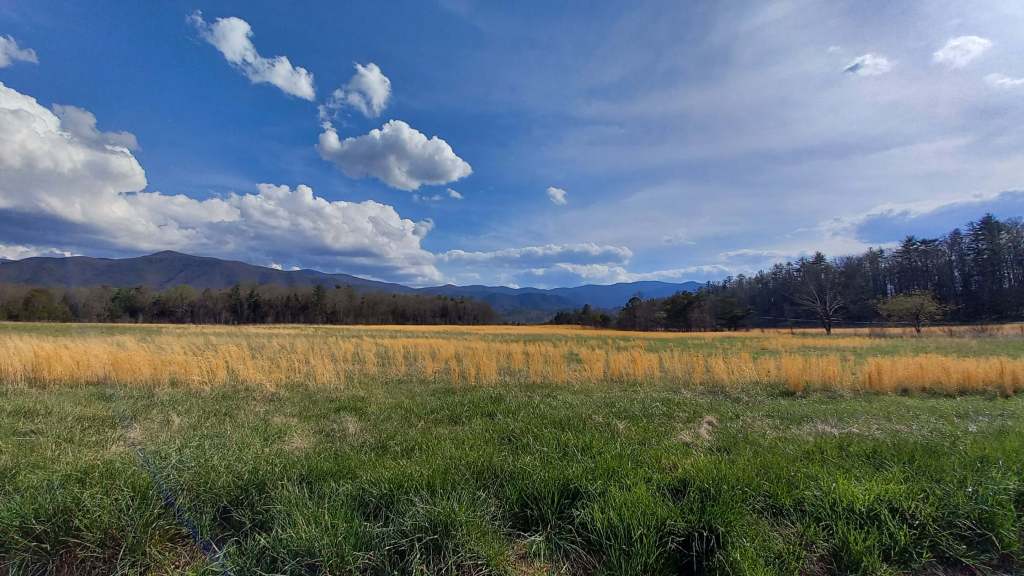
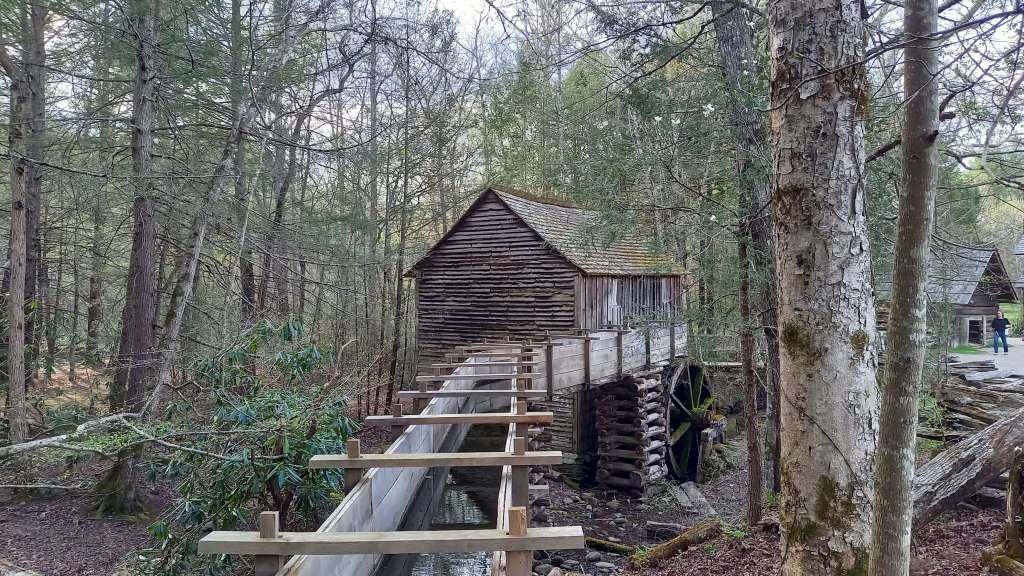
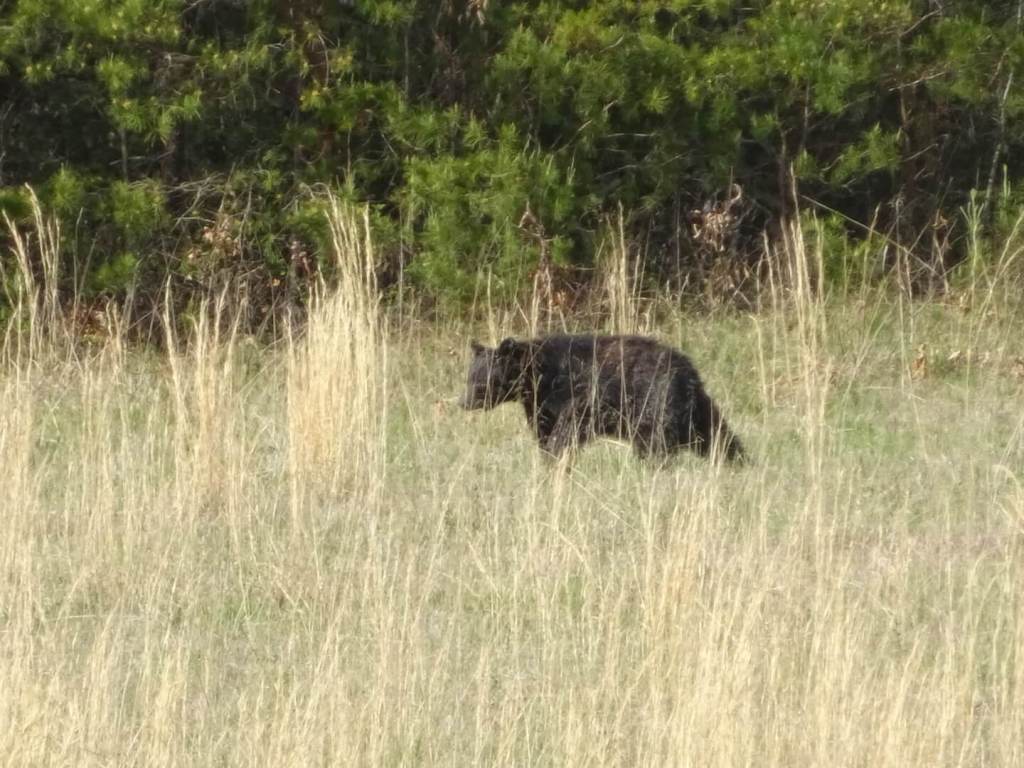
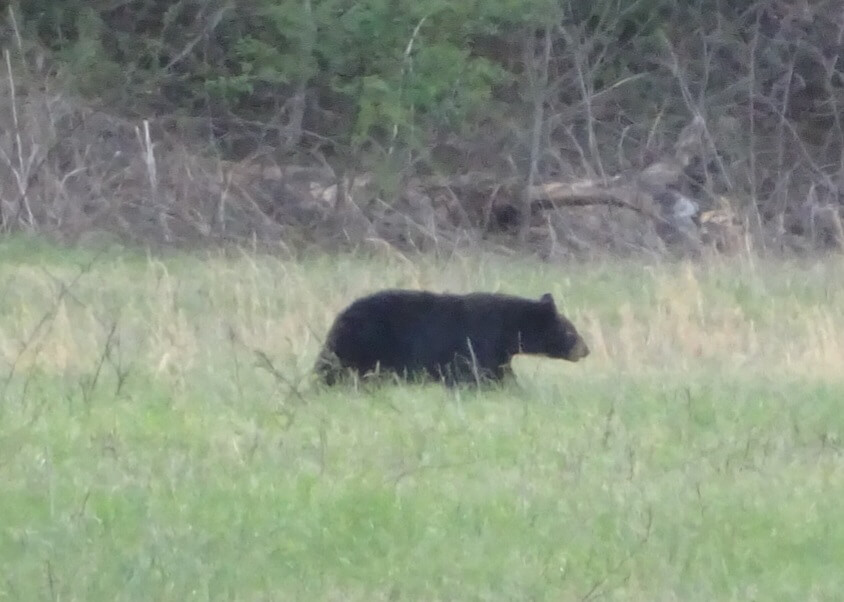
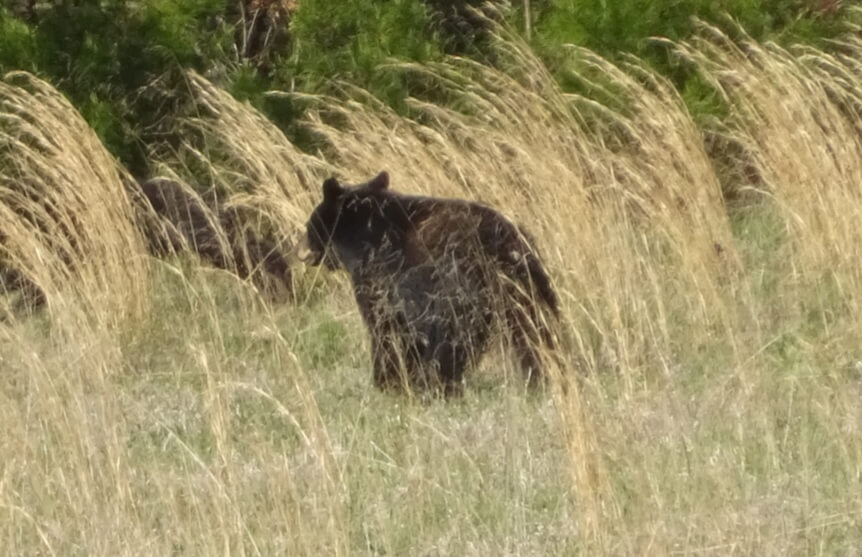
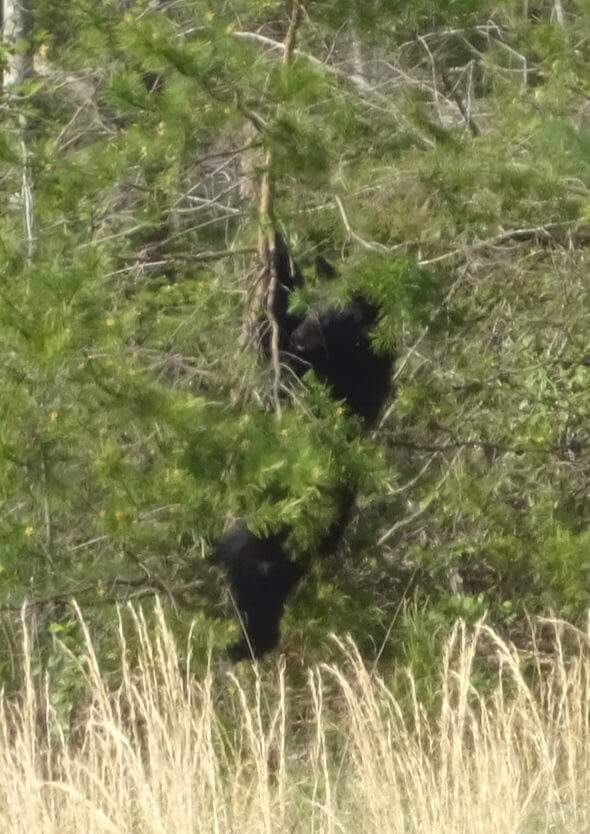
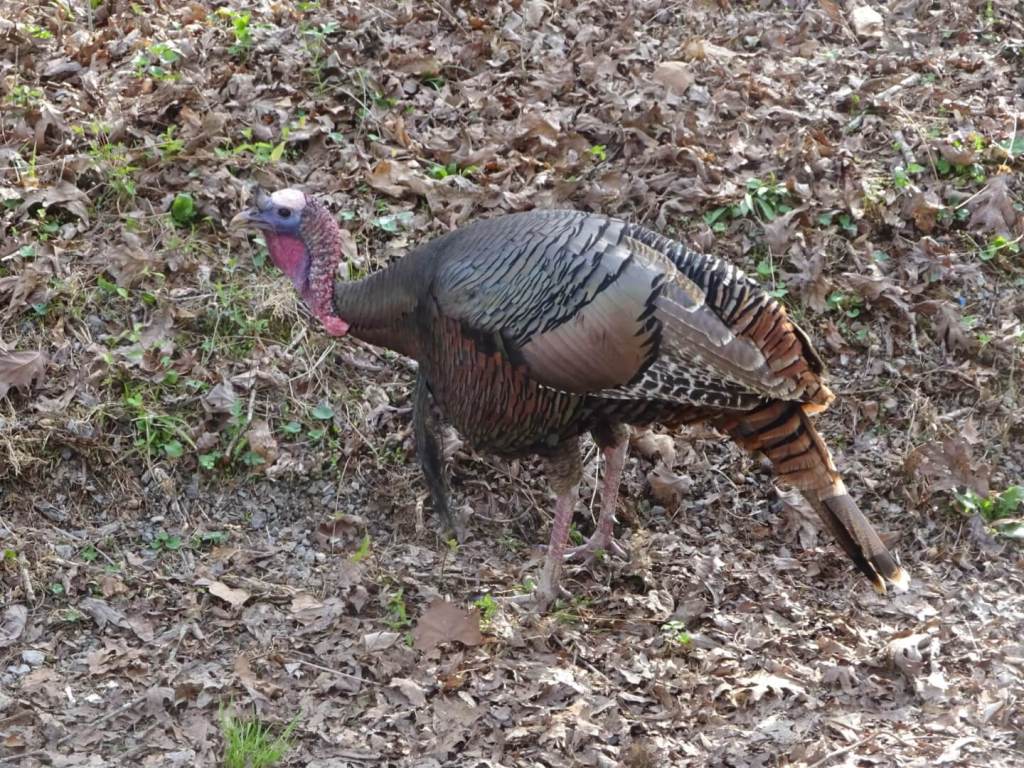
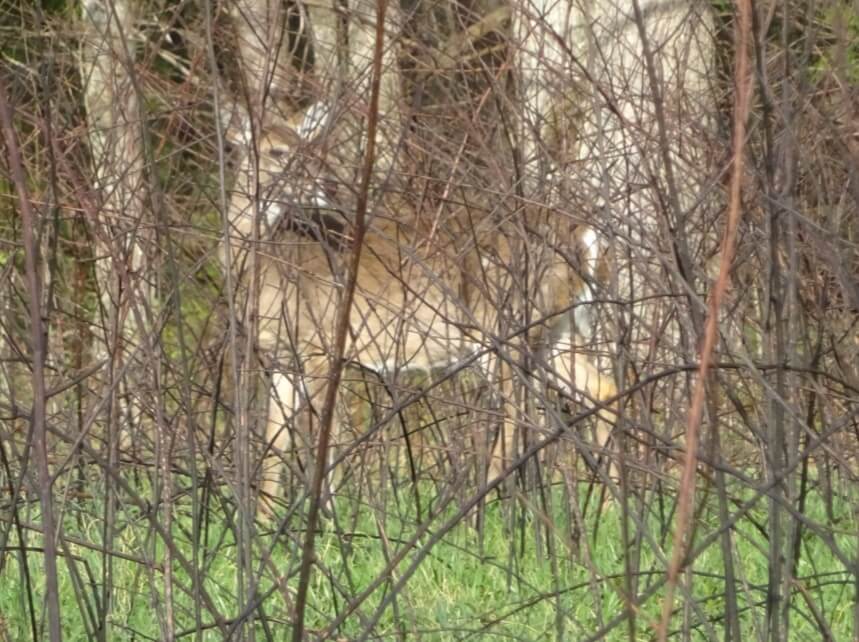
Cades Cove is famous for being an early settlement area of the eastern United States, dating back to 1796, and is a beautiful vale surrounded by the Appalachians on all sides. It is also famous for being able to spot wildlife, notably black bears, of which I made two sightings of a momma bear with little cubs each time – my second time spotting a bear in the wild after my first in India 11 years ago, and my first time being able to take a good picture of them. To visit Cades Cove, one takes a lovely 11-mile one-way circular driving route through the place, with lots of attractive and fascinating stop-offs along the way. I stopped off at a number of original 19th century log cabins built by the first settlers and still standing today, along with a water wheel attached to a log mill, and a Baptist and Methodist Church, both also dating back to the time. It was a beautiful visit, and I really felt the spirit of those old settlers and how life must have been for them. It also reminded me of the Clampett’s original homestead from the fantastic Beverly Hillbillies series! As well as the absolute highlight of spotting the two separate black bear families, I also saw quite a few wild turkey, along with a small group of three white-tailed deer.
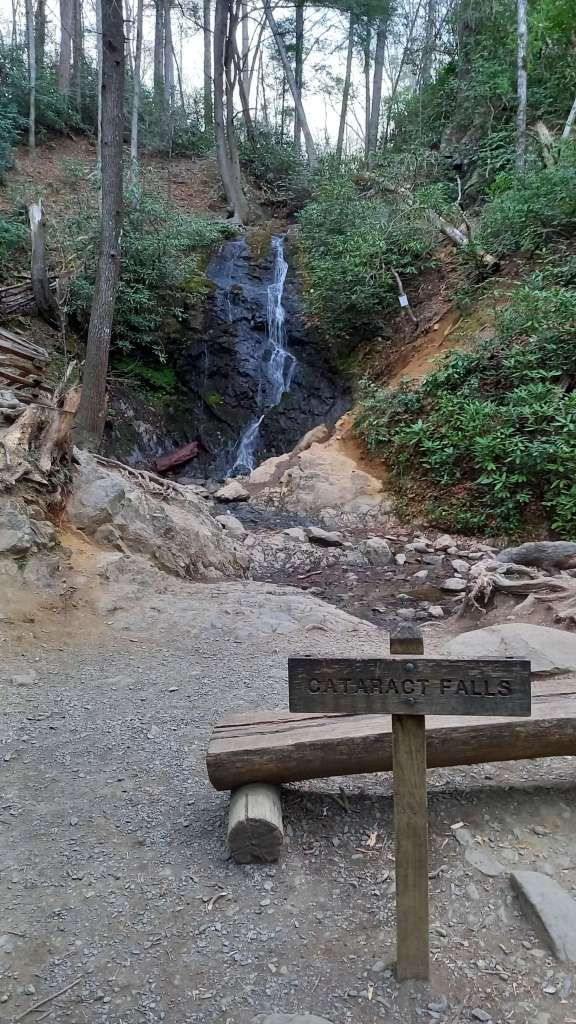
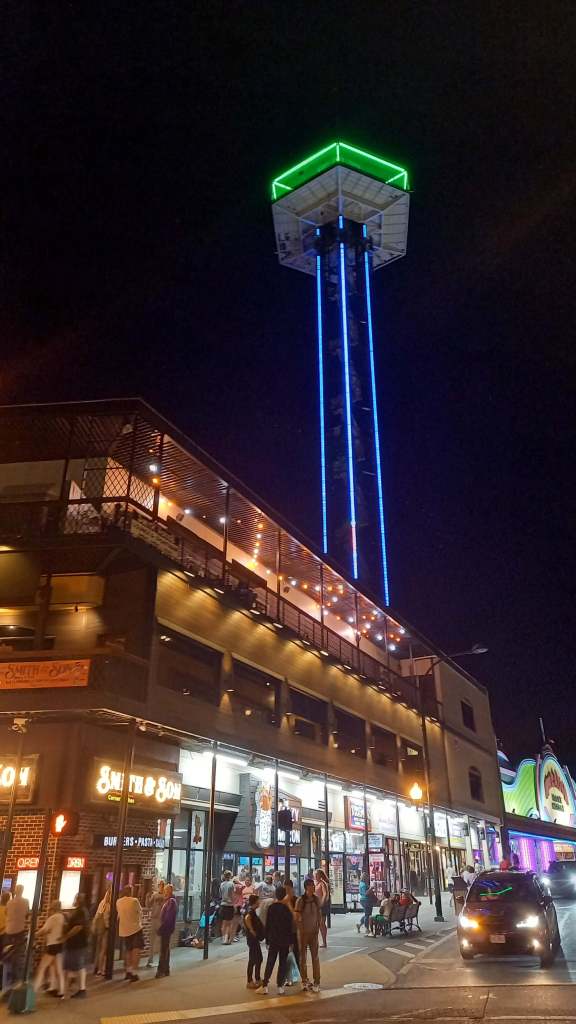
Finally for the day, I drove on to my accommodation in the touristy honeypot of Gatlinburg, stopping off at a place called Cataract Falls on its outskirts for a mile-long return walk there and back again along a lovely forested path by a stream. I felt fortunate to have had the insight to book my motel accommodation right on the outskirts of town in a really quiet little corner of the place, as the rest of Gatlinburg was not really my cup-of-tea at all. It was garish, touristy, and completely incongruous with the surrounding rural, mountainous landscape. It was also the tail-end of the American Spring Break season, so lots of loud groups of people and families with noisy children. I needed to walk into town to get something from the grocery shop there, and was glad to leave and return to my quiet corner motel again. One side of me did like the glitz and lights of the place to be honest, but the other felt it belonged more in places like Las Vegas. I slept well that night.
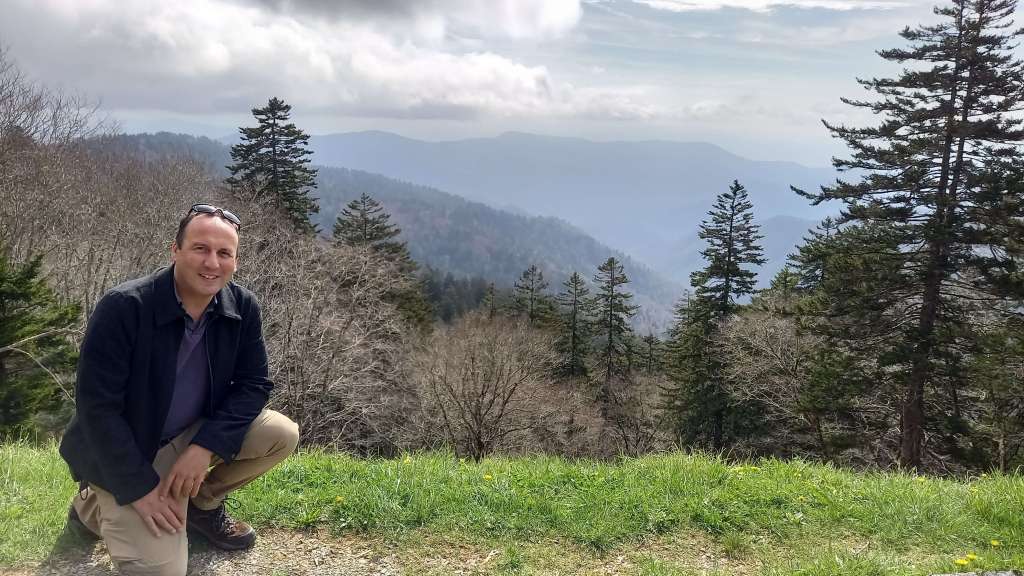
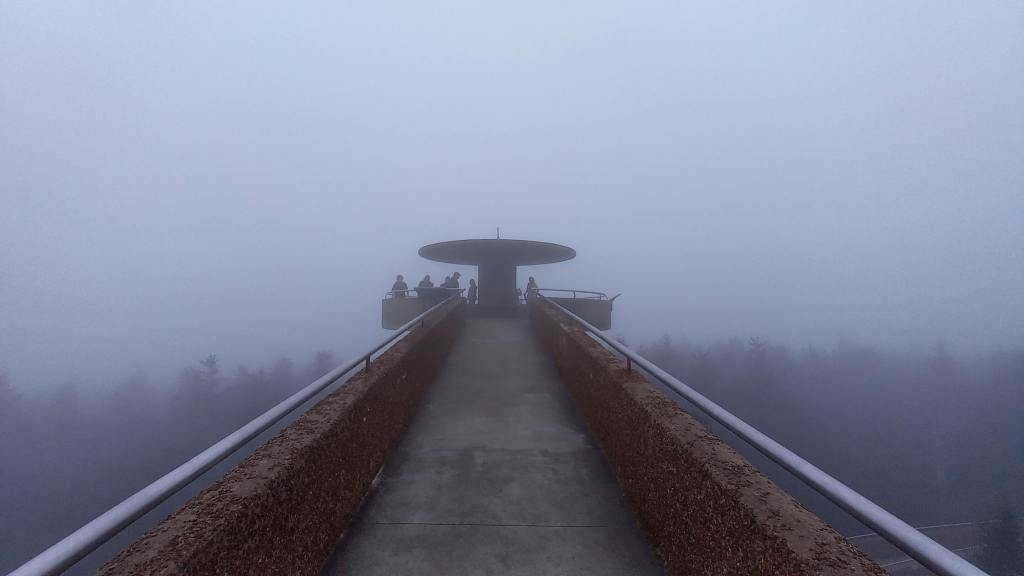
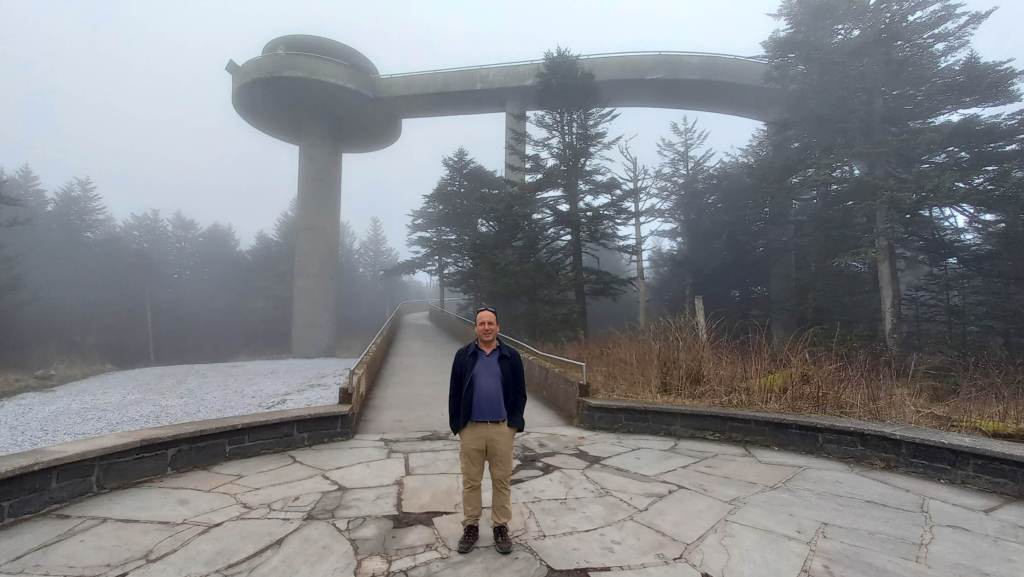
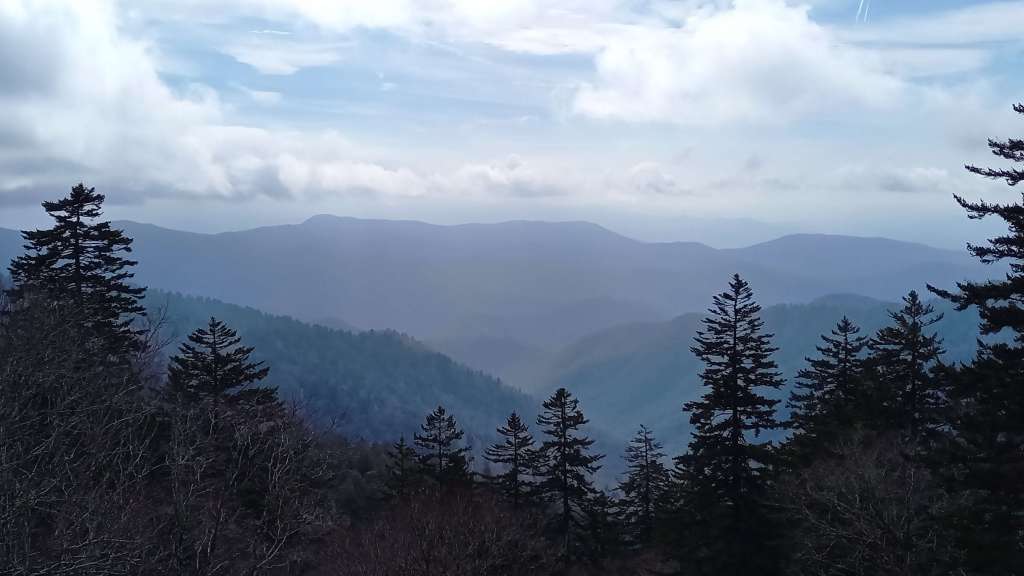
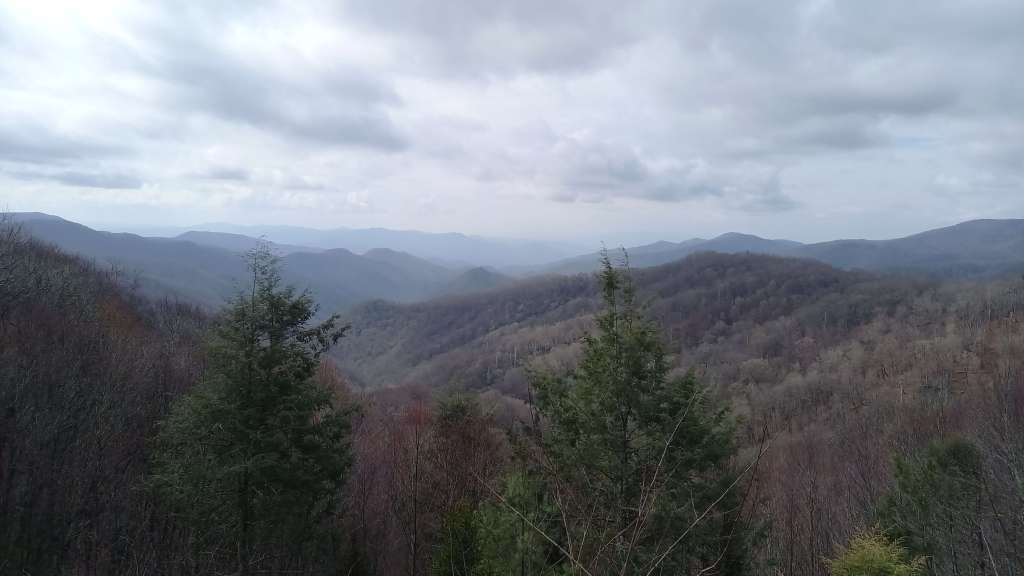
The next morning I drove out of Gatlinburg, and was pleased to be out and back in the mountains, forests and National Park again. I was heading up to a place called Clingman’s Dome, known also nowadays as Kiwohi after its original Cherokee name, for the highest view in the Great Smoky Mountains 2,025 metres above sea level. It is the third highest point in the USA east of the Mississippi River, and on a good day you can see seven states from up there – Tennessee, Kentucky, Virginia, North Carolina, South Carolina, Georgia and Alabama. On this day I saw zilch! The fog was thick, and the mountaintop was covered in cloud. It was still great to climb up to see this iconic structure of the National Park though, and I was still able to stop off at a few places on the drive back down again for some awesome views below the cloud line instead – beautiful. The mountains get their name from the original Cherokee “Shaconage” meaning “place of the blue smoke”, with the bluey-grey “smoke” created by chemicals released from the vegetation – rather similar in fact to the Blue Mountains of Australia.
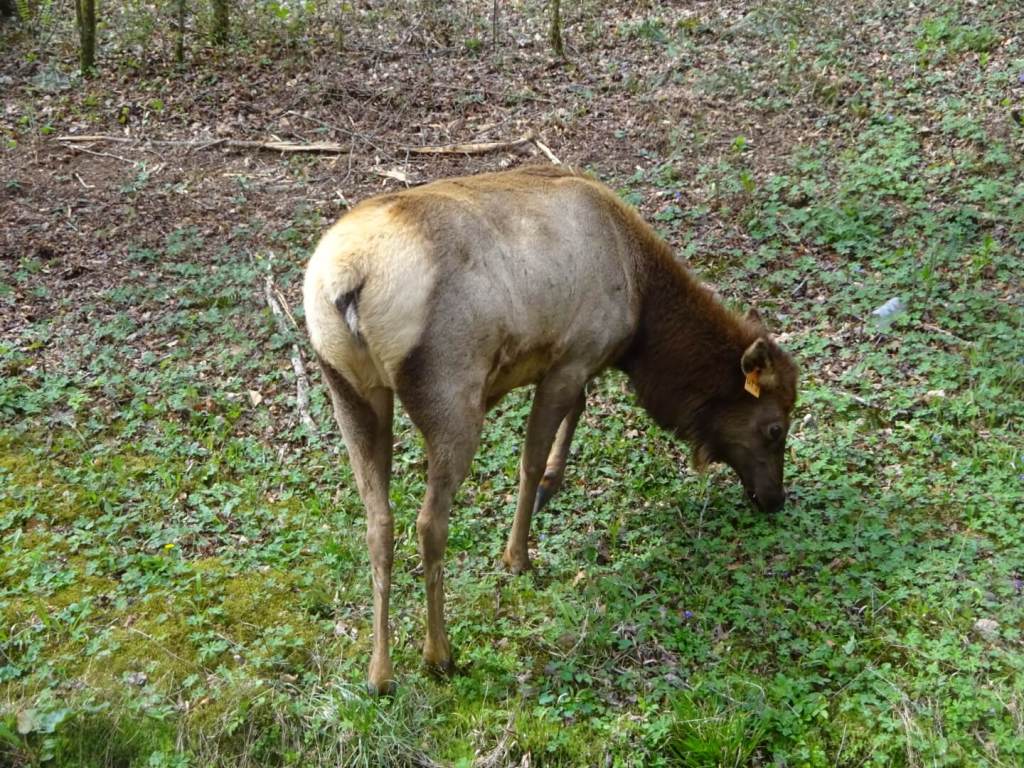
I then drove down into a lovely little town called Cherokee, actually in the state of North Carolina! I’d figured on this trip that I’d be visiting six US states, but I didn’t count on this one, bringing the planned trip thus far up to seven (though in fact it became eight a bit later on…!) Cherokee seemed like a much more gentle and genteel alternative to the tourist zoo of Gettysburg – it was still touristy, but more of the log cabin and camping variety, and the town had a good and chilled vibe to it. Also passed a few elk by the roadside near the Oconaluftee Visitor Centre on the way there.
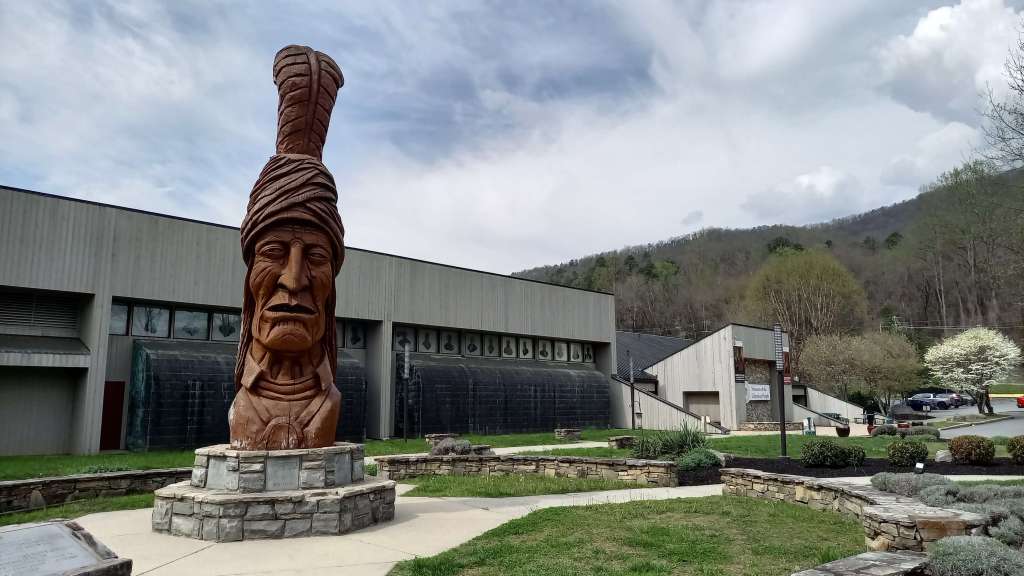
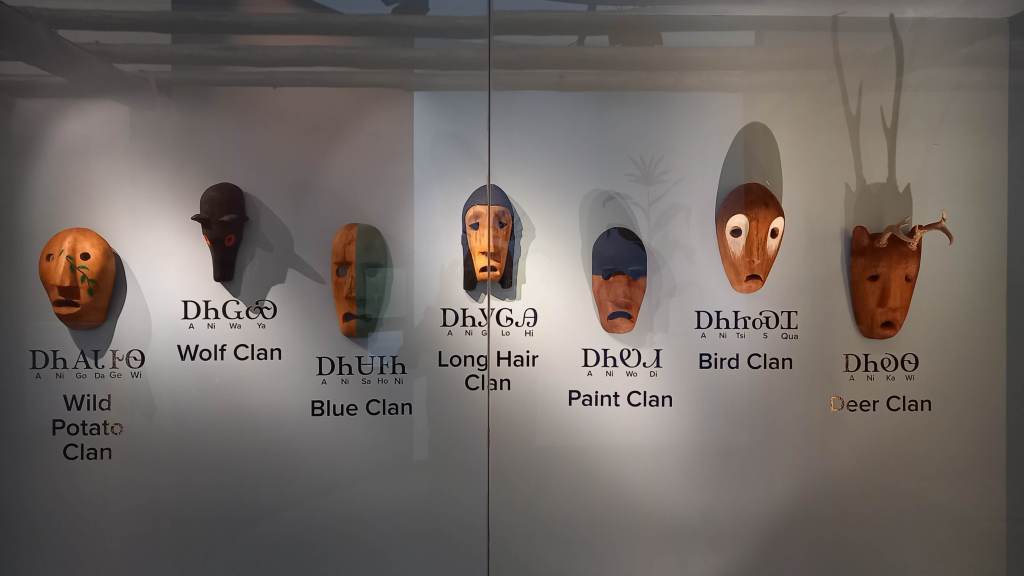
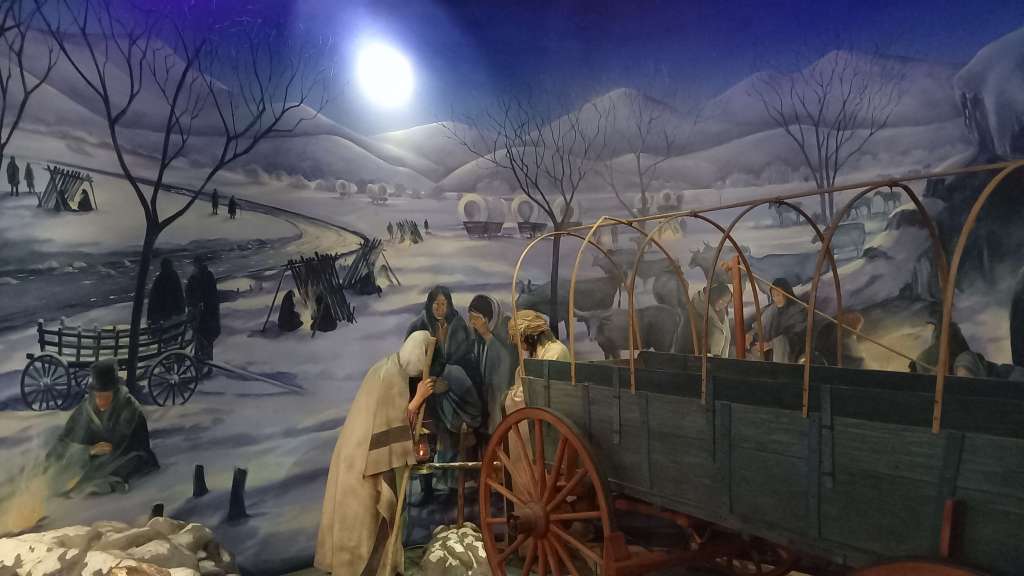
I visited the Museum of the Cherokee Indian People, and hadn’t realised that this part of America is actually their ancestral homeland. The Cherokee Nation Indian Reservation in Oklahoma is currently home to the majority of Cherokee people, but they are not native to the state of Oklahoma. They ended up there after they were forced to relocate from where I was now, westwards across the Mississippi River to the then “Wild West” in the current state of Oklahoma, as part of the 1830 federal government decision, headed by President Andrew Jackson, to force them along with four other Native American nations off these lands to make way for European settlement and land cultivation. As mentioned before, this Indian Removal Act was vehemently opposed by Davy Crockett, which ultimately led to his political downfall and movement to Texas. The great migration of Native Americans became known as “The Trail of Tears” due to the amount of people who died from disease, hunger, exposure and exhaustion, which ended up being half of the Cherokee people. There were in fact around a thousand Cherokee who remained behind, hiding in mountains and caves, and the small population here in Cherokee and around are descended from these resistant souls. The Museum was a wonderful insight into the Cherokee people, as well as their emotional and bitter recent history. I always aim to visit a place devoted to the local American Indian people whenever I visit a part of the USA, and I was happy to be able to spend time here on this trip.
My Road Trip continued with a KFC and a Walmart stop in the nearby mountain town of Franklin, followed by a drive through the mountainous and wild lands of the north-eastern part of the state of Georgia – “Deliverance” country as per the rather grueling 1970s film starring Burt Reynolds and Jon Voight, which I’d watched just before my trip. I was heading to the “capital of the south”, and the largest city of my US Deep South Road trip, Atlanta, to stay with my good friend Doug and his new family. I was very much looking forward to this, and will relate in my next.

 Alex Waring's Travel Blog