
3rd August 2026
Yay! I’m in my favourite place! Off-the-beaten-track (but of course still comfortable) travel, and this time in Central China. I started my off-track journeys in Wuhan, and then finished up further north in Luoyang. This entry will relate my adventures in both cities, and around.
I was particularly excited about this part of my journey through incredible China, as it seemed I was treading new international traveller territory. I could tell this by the looks I was getting, both the day before in Yichang and now here in Wuhan, from friendly and interested locals. They were rarely intrusive, though there were still a couple of these – just people coming too far into my personal space for comfort. There were two youths for example in the shopping mall in Yichang who got a bit too friendly and up-close, so I bade them goodbye and wished them all the best. There was also a notable increase in people wanting to have their photo taken with me. If any westerner ever wants to feel like a celebrity, they should come and visit China, lol! It also does wonders for one’s ego, so if anyone is also feeling a bit low in themselves, come here too, and the attention you’ll receive and potential new friends you will make will certainly lift you up!
And it certainly wasn’t like the last time I was in China back in 2002. Back then, in addition to some really friendly people, there were also people who would laugh at me, stare and point, and also even touch the hairs on my arms. I think that was firstly because foreigners were a genuine rarity back then, and seeing one must have been akin to seeing an alien. Secondly, I was also travelling in pretty remote parts as well, sticking close to the Russian border as I was living in Russia at the time, in Moscow and doing the Trans-Siberian Railway to China through Mongolia and flying back again from Vladivostok. That is, I was travelling through the rarely-visited parts of Inner Mongolia and Manchuria. This time 24 years later, I was in what they often call “China Proper”, the Han Chinese areas, in the middle of the country and not through the remote outliers. And did I mention, I was absolutely loving it there!
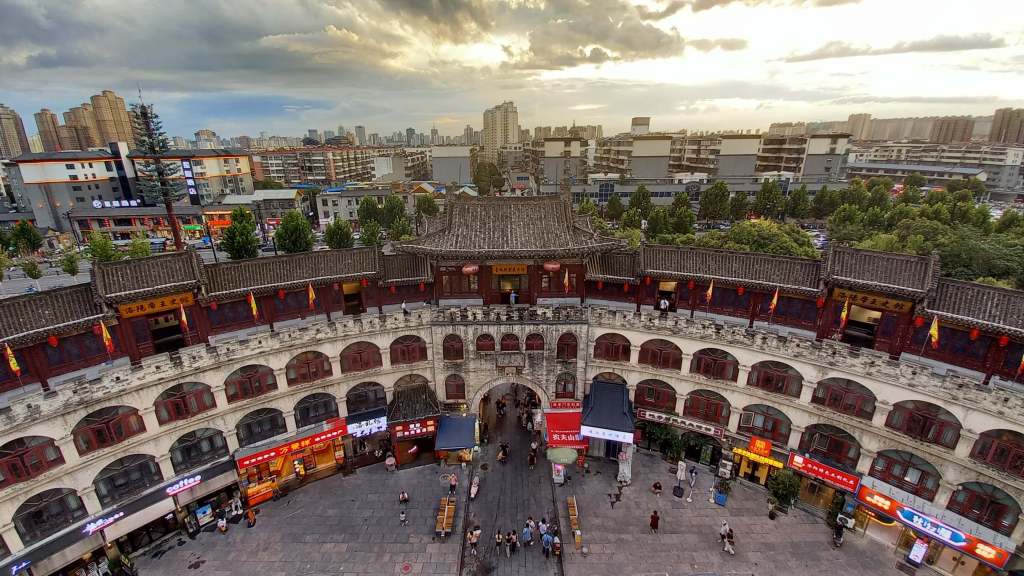
So last time I wrote, I had just said a fond farewell to my new BFF from Hunan Province, the wonderful Ling. We are still in touch, and quite possibly we may meet up again on my next visit to China. It was he who gave me my Chinese name, “Hua Yalishanda”, or “Hua Yali” for short – I’ve always wanted a “Chinese name”, just as many Chinese people also have an “English name”. I was taking the train from Yichang to Wuhan, and absolutely loved this two-hour journey. While I had had an absolute blast on the three-night Yangtze River Cruise, I was happy to be now travelling independently again and to be by myself.
It had been a pretty intensive travel day too, leaving the ship with my bags at 7.30am, and not downing them again until arriving in my hotel in Wuhan at 8.30pm that evening. There was also a very clingy lady I’d met on the ship who seemed to want to travel with me to Wuhan and even stay in the same hotel as me. I began to politely avoid here, but in the end had to make it more obvious, and finally when she pretty much demanded we take the same taxi together upon arrival in Yichang, I had to forcibly tell her “no” with a raised voice and walk away. I don’t want to be like this, but had to be with her. It felt free to be away from her too.
So indeed, I enjoyed the train ride listening to lovely music on my MP3 Player, and just allowing not only the last three days on the cruise, but also this whole amazing trip so far, and quite a few other life moments and experiences, to just sink in and settle. I loved it, and also felt like I needed it. I felt centered again.
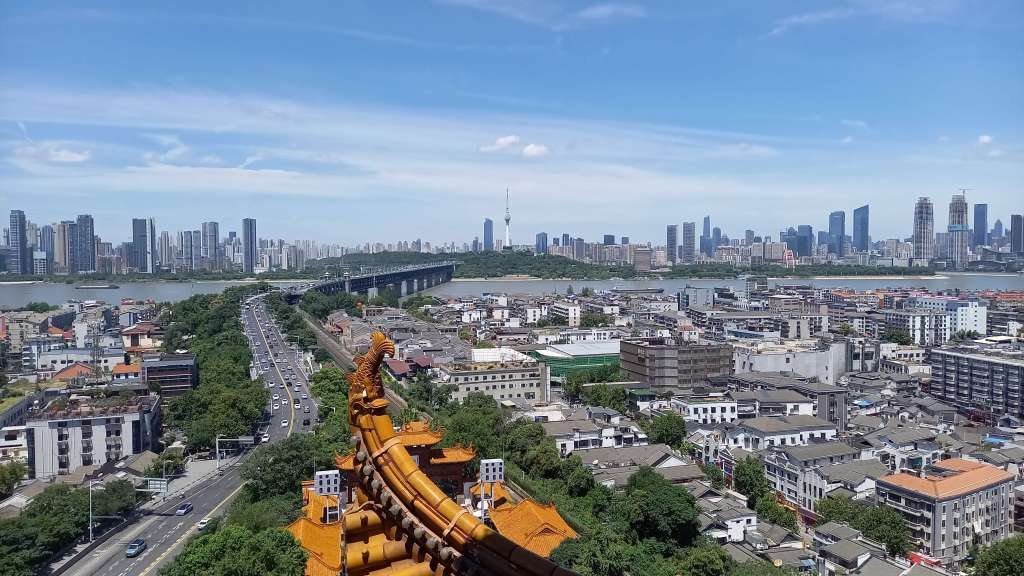
I arrived in Hankou Station in the evening, on the northwest side of the Yangtze River. Wuhan is actually made up of three cities which all grew and joined together into one large urban conurbation of around 14 million people: Wuchang to the east of the river, Hankou to the northwest, and Hanyang to the southwest. I thus worked out for myself that putting the first letter of these syllables together, you get Wuhan – yay!
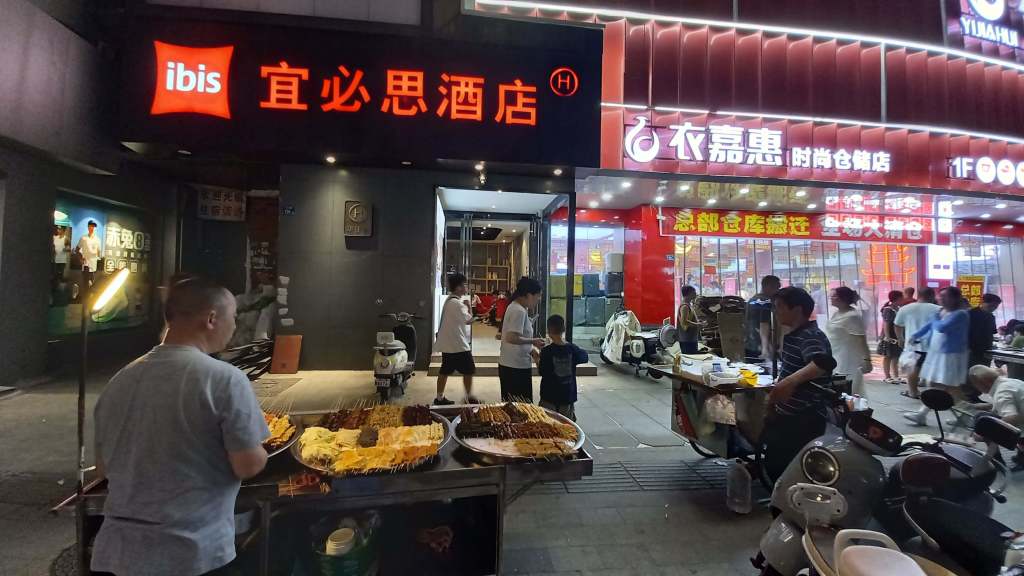
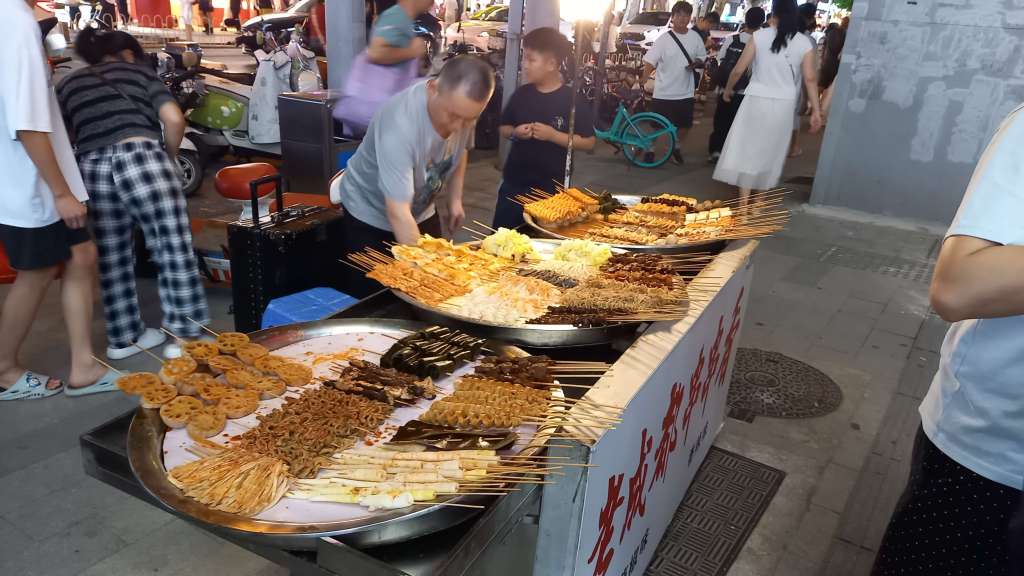
So Hankou Station is indeed a part of Wuhan City, and I arrived at a very busy time. The city, although modern with 13 Metro lines, is notoriously more ramshackle than most in China, with bad traffic and taxis being harder to get. It took quite a while for me to book a Didi from the station, and I eventually had to choose a nice luxury car which was a bit pricier, in order for it to come “quicker”. Once it came though, the driver sped me through the city and across the Yangtze into the Wuchang side of town, dropping me off after dark at another fantastic Ibis Hotel! It had all the usual comforts of all my Ibises so far, though quite unusually my room had a large concrete pillar in the middle of it (!), and the hotel had the added advantage of being slap bang in the middle of town. A bustling night market flowed out of its entrance, while the city’s star attraction, the Yellow Crane Tower, was right next door. I even had a view of it from my window, as well as a busy train track that also passed right by my room. The soundproofing on the windows was just amazing though, and I didn’t hear a peep every time a train went past. The hotel had the same very friendly staff, and great food at breakfast. It was nice to return to that familiarity again after three nights on the cruise ship.
I had a late start the next day, which was so needed after several rather early starts and some fairly intense times on the ship – I still of course loved it, but was also loving my alone time now. I left my hotel just after 11am to begin the day.
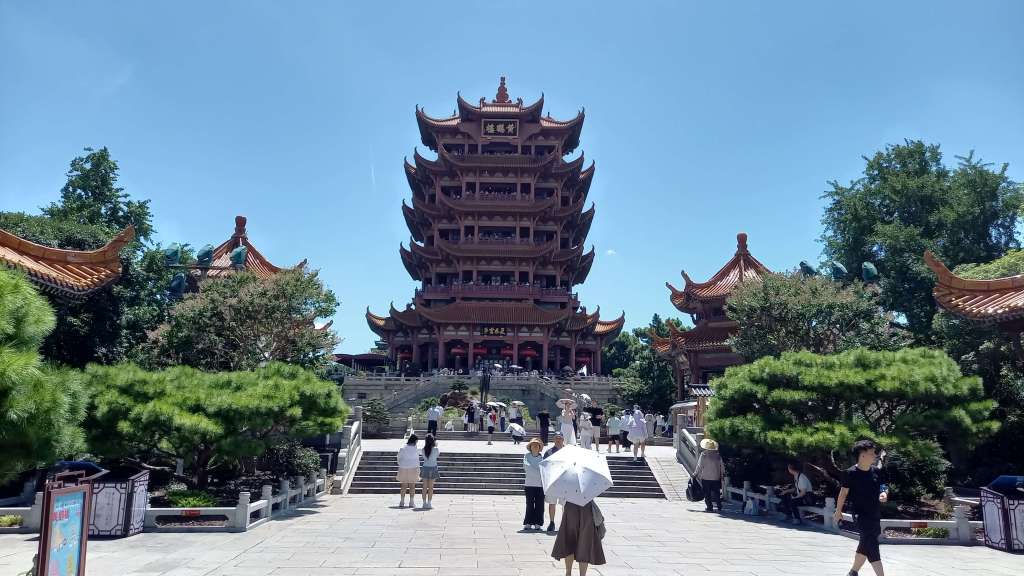
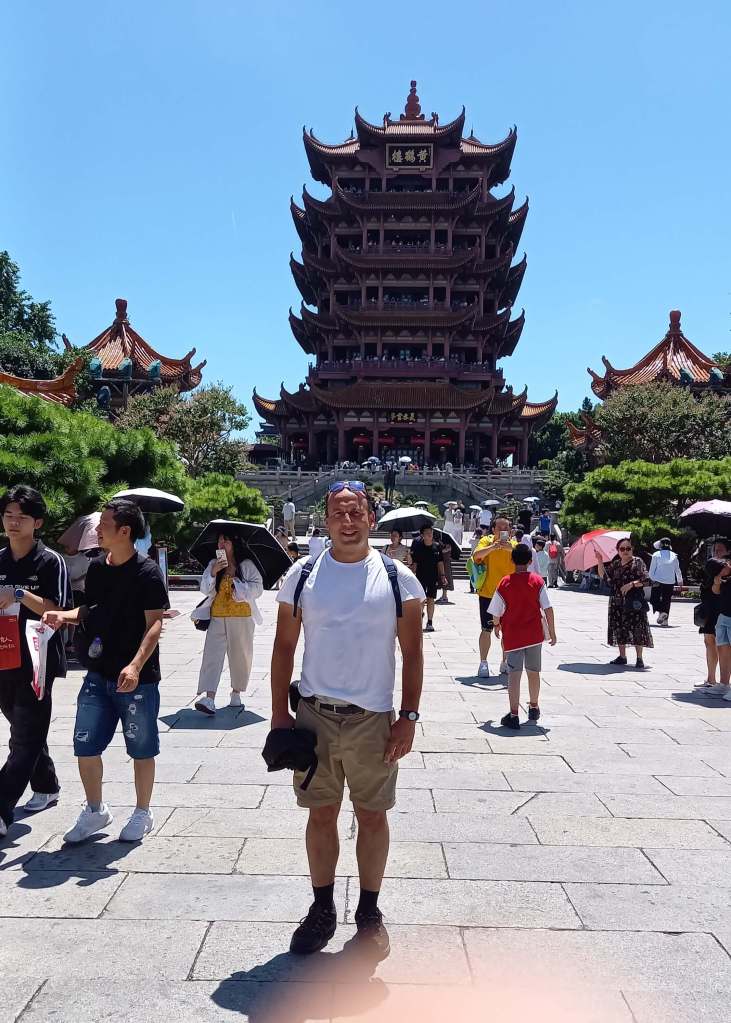
Headed first to the Yellow Crane Tower of course, being right next door. While the current structure was only built in the 1980s, the tower’s history dates back to the 3rd century AD when it was initially built as a watch tower by the Wu Kingdom during the period of the War of the Three Kingdoms. While the structure standing there today is not completely historical, it is perhaps Wuhan’s most famous attraction, and there were some really commanding views over the city on either side of the mighty Yangtze from the top.
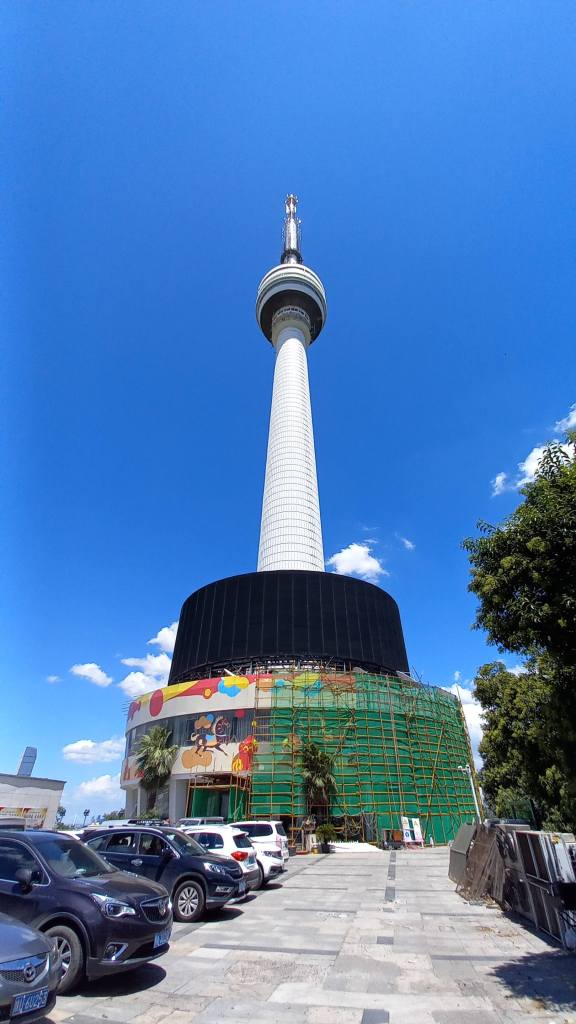
I then headed to visit at least the foot of the city’s Guishan TV Tower, hoping for more commanding views over the city. It was unfortunately closed for repairs so I remained at the foot, and these things are actually hard to find out as Google Maps is not very up-to-date or detailed for China. Still, I enjoyed a walk around the pleasant Guishan Park below, situated on Tortoise Mountain, which is actually more of a gentle hill on the banks of the Yangtze.
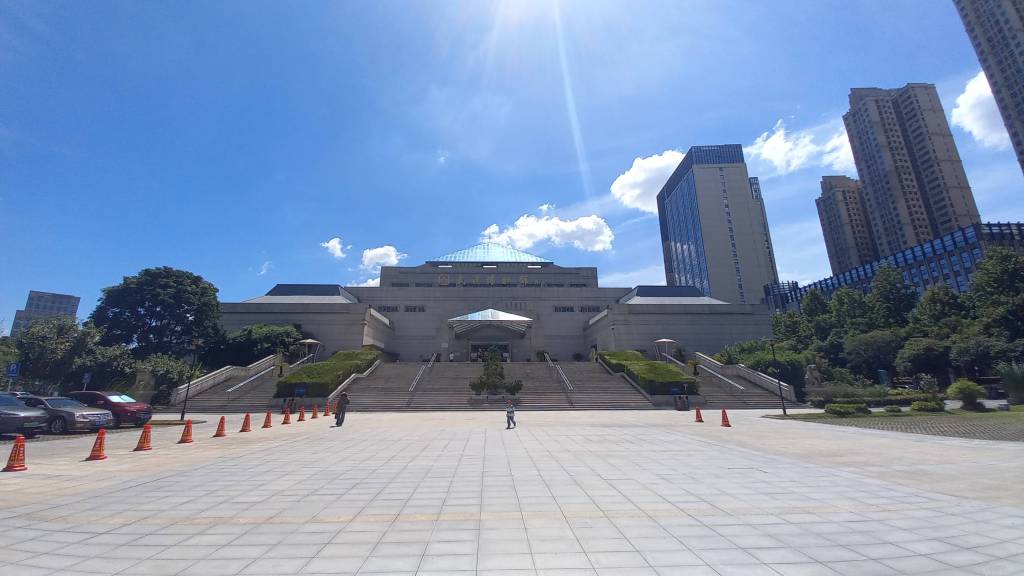
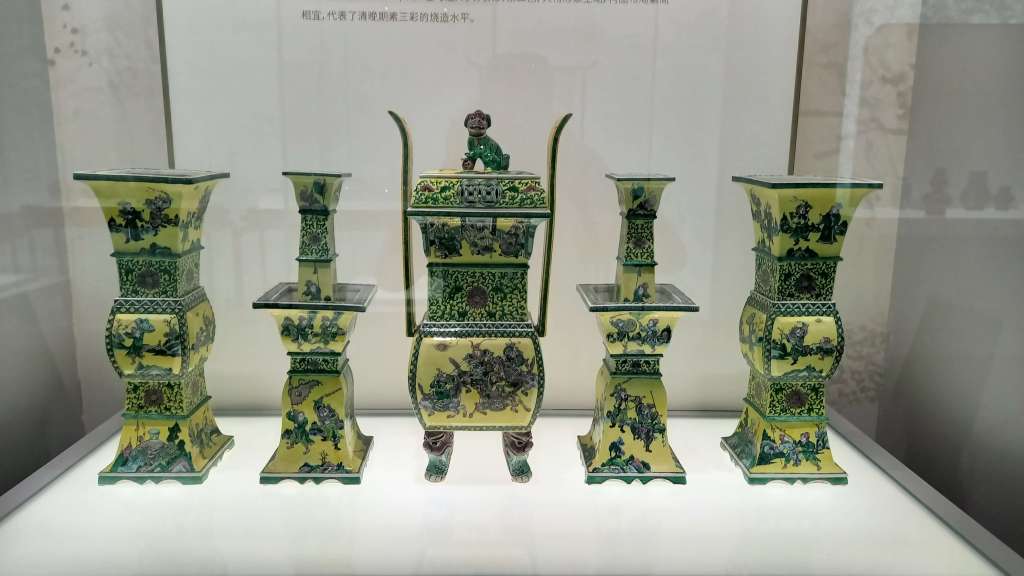
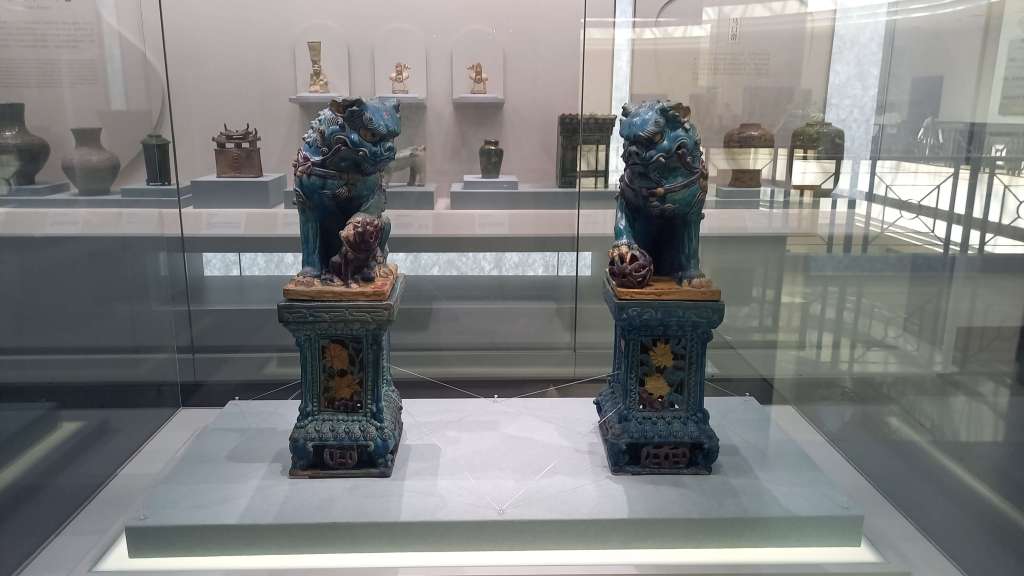
Next, the Wuhan Museum. This was much less crowded than previous museums I’d visited thus far – I was thinking it would be heaving like the Shanghai, Guangzhou and Chongqing Three Gorges Museums, but this one was very pleasantly patronised. I was in my happy travelling place again, wandering its many exhibits on local Wuhan and Chinese history while listening to my MP3 Player.
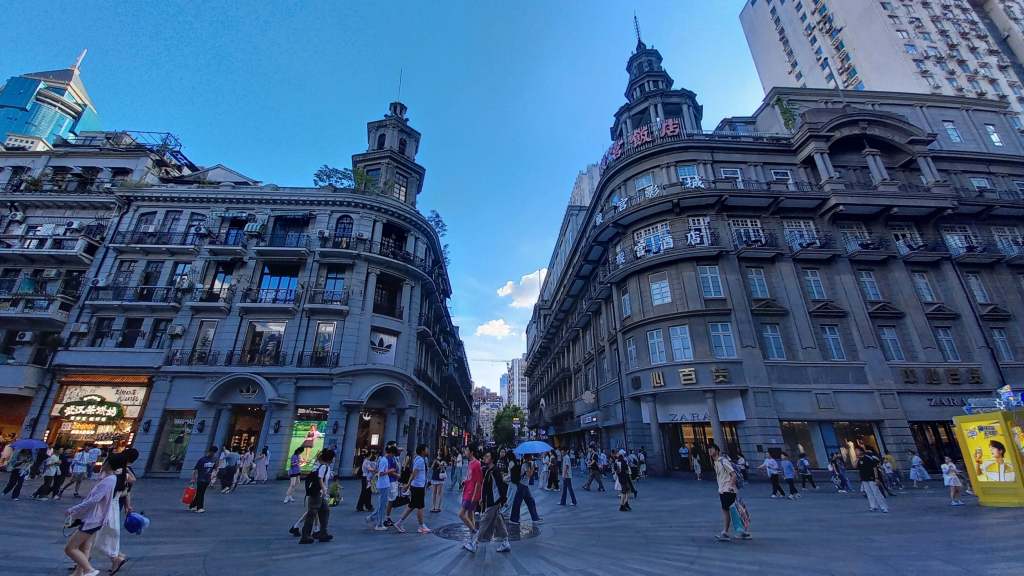
Finally, I headed to the Jianghan Road Pedestrian Street, the fascinating commercial centre of town, with quirky, cute and some really quite niche shops, along with the people. Indeed, quirky people with wacky clothes and distinct hairstyles is another aspect of China which seems to be resembling more and more Japan. I did wonder whether this would be the case before visiting China this time around, and indeed it was – another aspect of this extraordinary country that I was absolutely loving.
I was back in my hotel again for a nice chilled evening in, with noodles and the national Chinese spirit called baijiu for dinner. I had run dry with my whisky, and this “white spirit” as it translates into English is ubiquitous, cheap, and packs a powerful 60% alcohol punch – less needed and thus less to carry in my backpack, in order to “make the world right again” each evening!
The reader may be thinking thus far the inevitable thoughts about this city which so hit the press six years ago back in 2020, but I was careful to avoid talking about it with the locals, and to also avoid referring to it in my Facebook travel updates. The walls quite probably have eyes and ears in China, let’s be honest. I had a passing thought to include a visit to a certain wet market during my time in the city, and also a certain institute of virology, but considering the amount of covering up that must have gone on in that city, and how few journalists have truly been able to write about anything even remotely close to the truth there, I came to the conclusion that it would probably not be too wise of me to visit such places as a foreigner taking photos… Still, I thought it was pretty darn cool to be there in that thar city to be honest, notoriously made globally famous not so long ago.
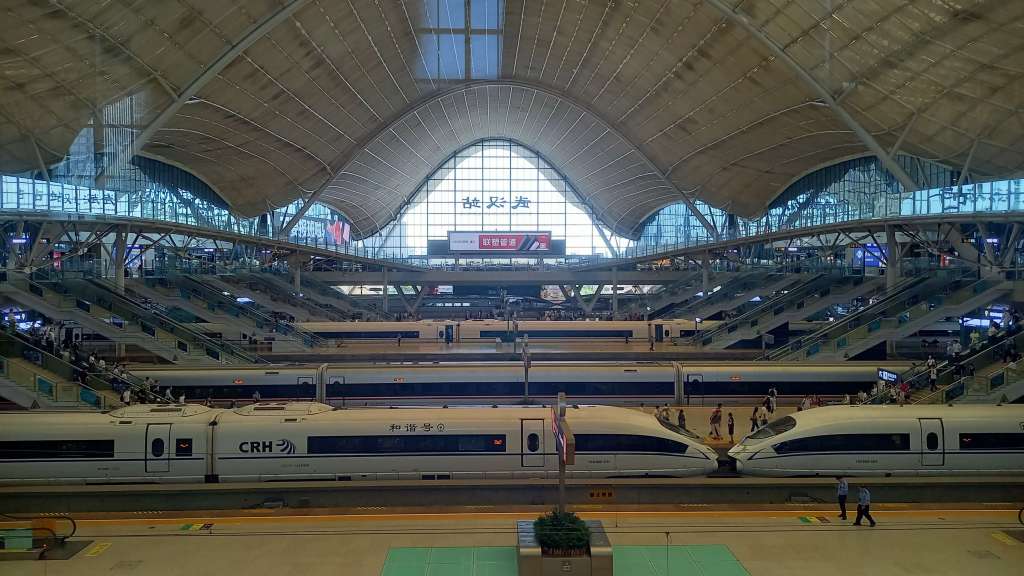
The next morning I was on another high speed train, heading northwards this time to the lovely city of Luoyang, via Zhengzhou. I enjoyed another lovely onboard lunch of beef, rice, and a few compartments of spicy stuff, and shared my double seat for the last hour with a mother who had the most adorable baby. I held her while her Mum put the pushchair away, she was so cute!
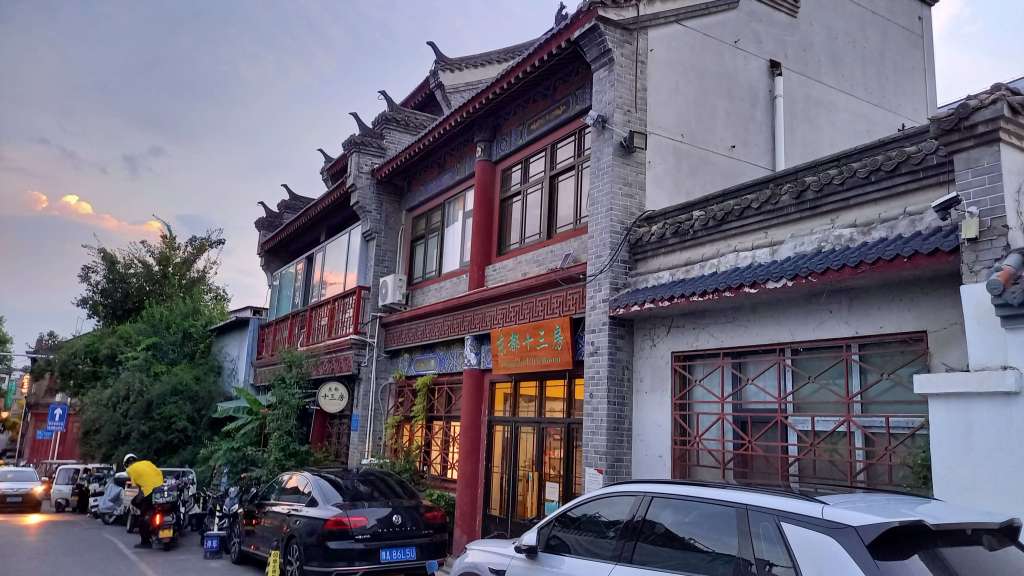
I checked myself into a lovely local Chinese inn right in the Old Town of glorious Luoyang, having arrived once more in a city with no Ibis Hotel – no bad thing there, as it was nice to enjoy more of that wonderful Chinese inn-style hospitality after my earlier experience in Guilin. My main reason for staying in Luoyang was its proximity to the world-famous Kung Fu mecca of the Shaolin Temple, but the city was very much a destination in itself, and quite possibly one of my favourite places (of many!) on this whole China leg of my trip.
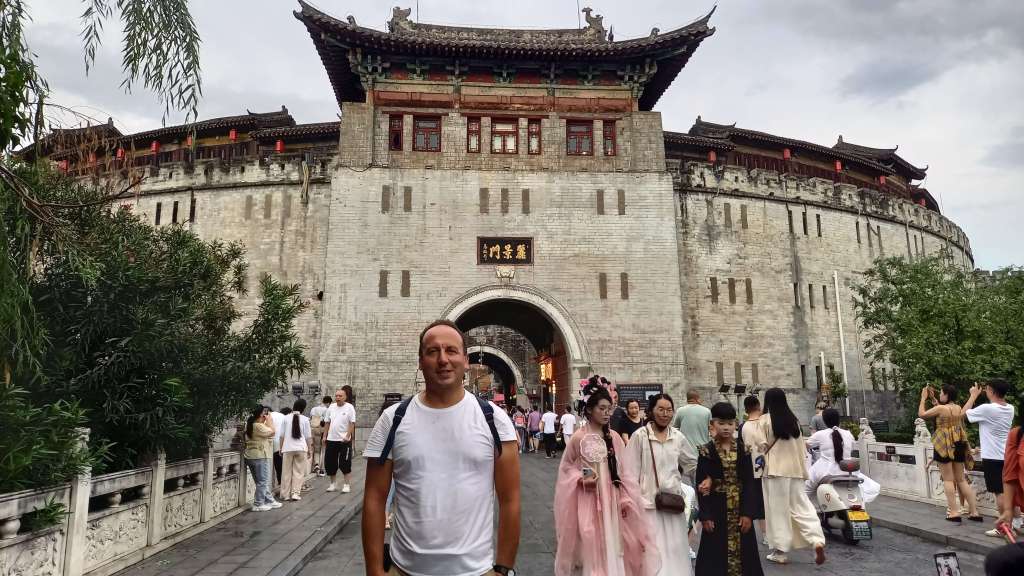
Along with Beijing, Nanjing and Xi’an, Luoyang counts itself as one of the “Four Great Ancient Capitals of China”, and was home to several dynasties from the Zhou through the Wei to the Sui and then Tang Dynasties, spanning nearly two millennia from the 8th century BC to the 10th century AD. As a result, the city is home to some seriously fascinating history and beautiful buildings, and I was really excited to be there, particularly as the place is not only stunningly attractive, it is also way off the western-tourist beaten track! Some of the signs in the High Speed Train Station, for example, were not in English, and I had to figure out a few things for myself there.
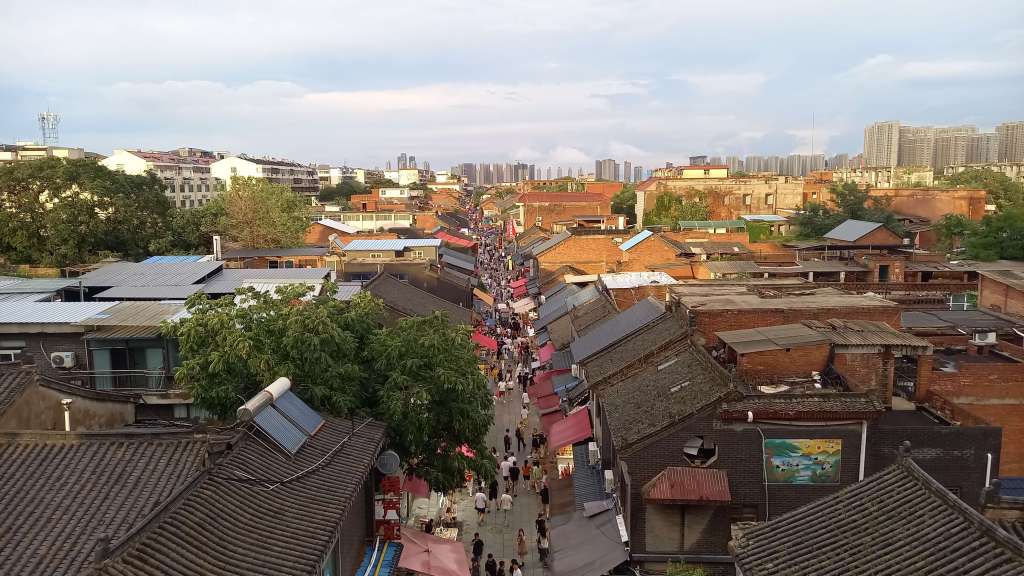
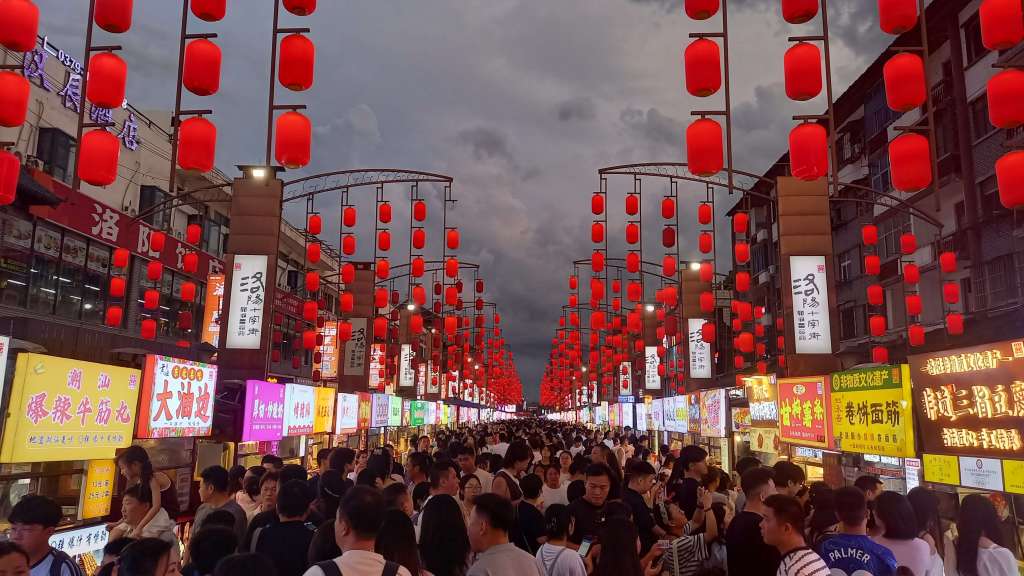
After a short rest in my lovely room of this former ancient city store converted recently into a boutique hotel with a very affable and helpful owner, I was just about to start my exploring when the most cracking of thunderstorms hit. Sitting on my street-level terrace, I marvelled at how quickly the street outside turned into a veritable stream, and how even then some brave pedestrians and food delivery drivers were still wading their way through it. As the rain became more gentle, I donned my wet weather travelling gear, as a British man never lets the weather get the better of him, and headed out to explore. And for the first hour or so of my explorations it was like I had the whole Luoyang Old Town to myself, as my fellow tourists of the domestic kind seemed to have remained in their accommodations hunkering down for the weather, leaving the whole place open for me – how very kind of them!
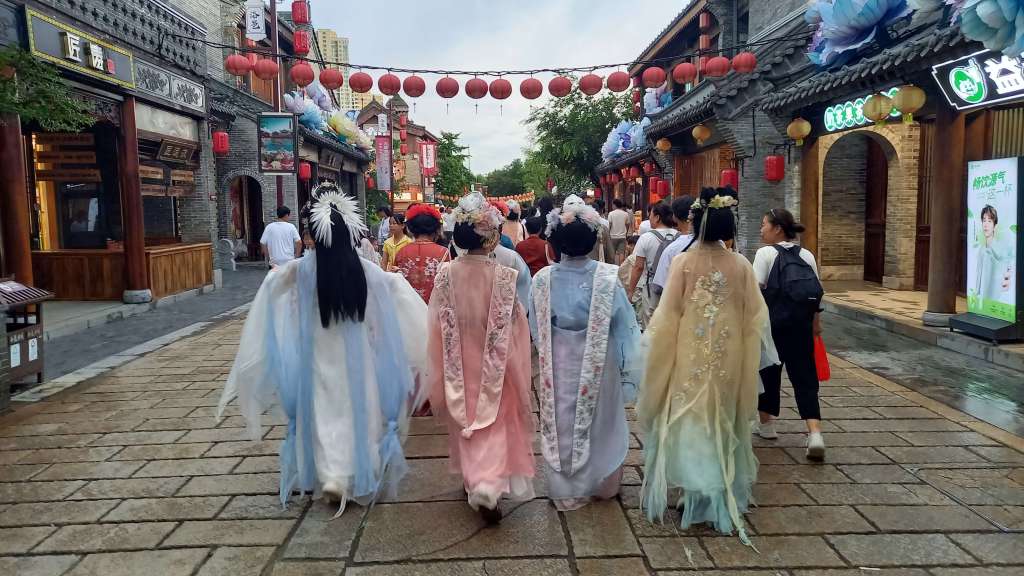
Oh my goodness, absolutely delightful! What a city! As mentioned, for the first hour or so after the thunderstorm, the streets of the Old Town were empty, and I felt I had just wandered back in time 2000 years to ancient times. With paved stone streets and old grey brick houses, some tastefully restored, others shabby and decaying, it was unlike other old cities I’d been in so far. This one wasn’t whitewashed and modernised, it felt really authentic and I absolutely loved exploring it.
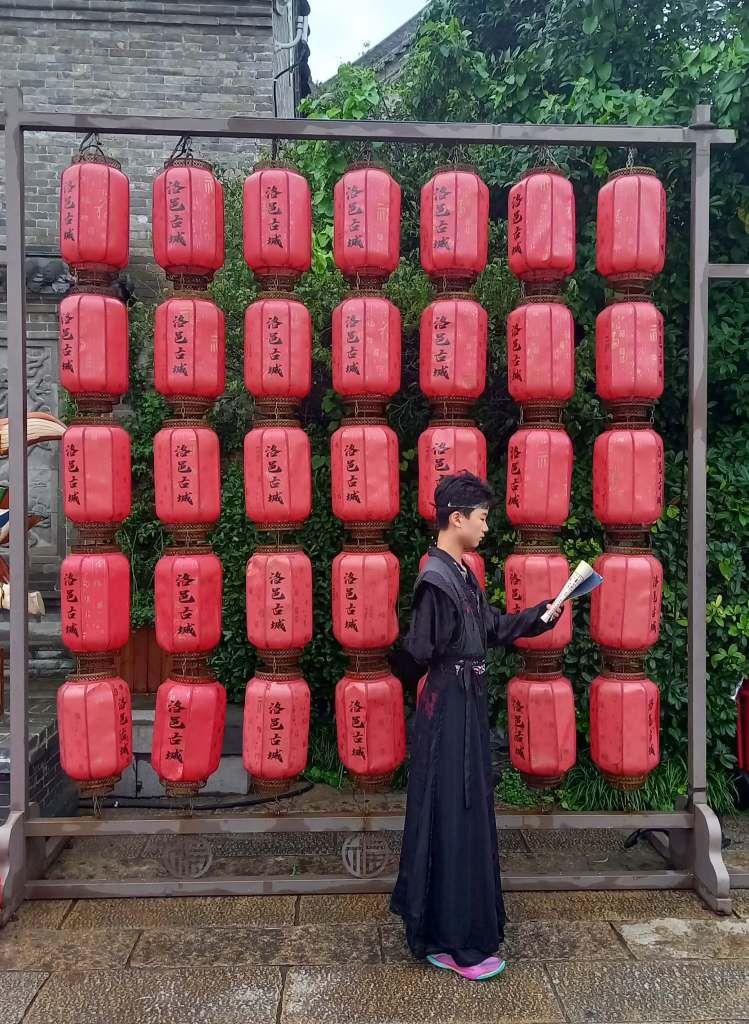
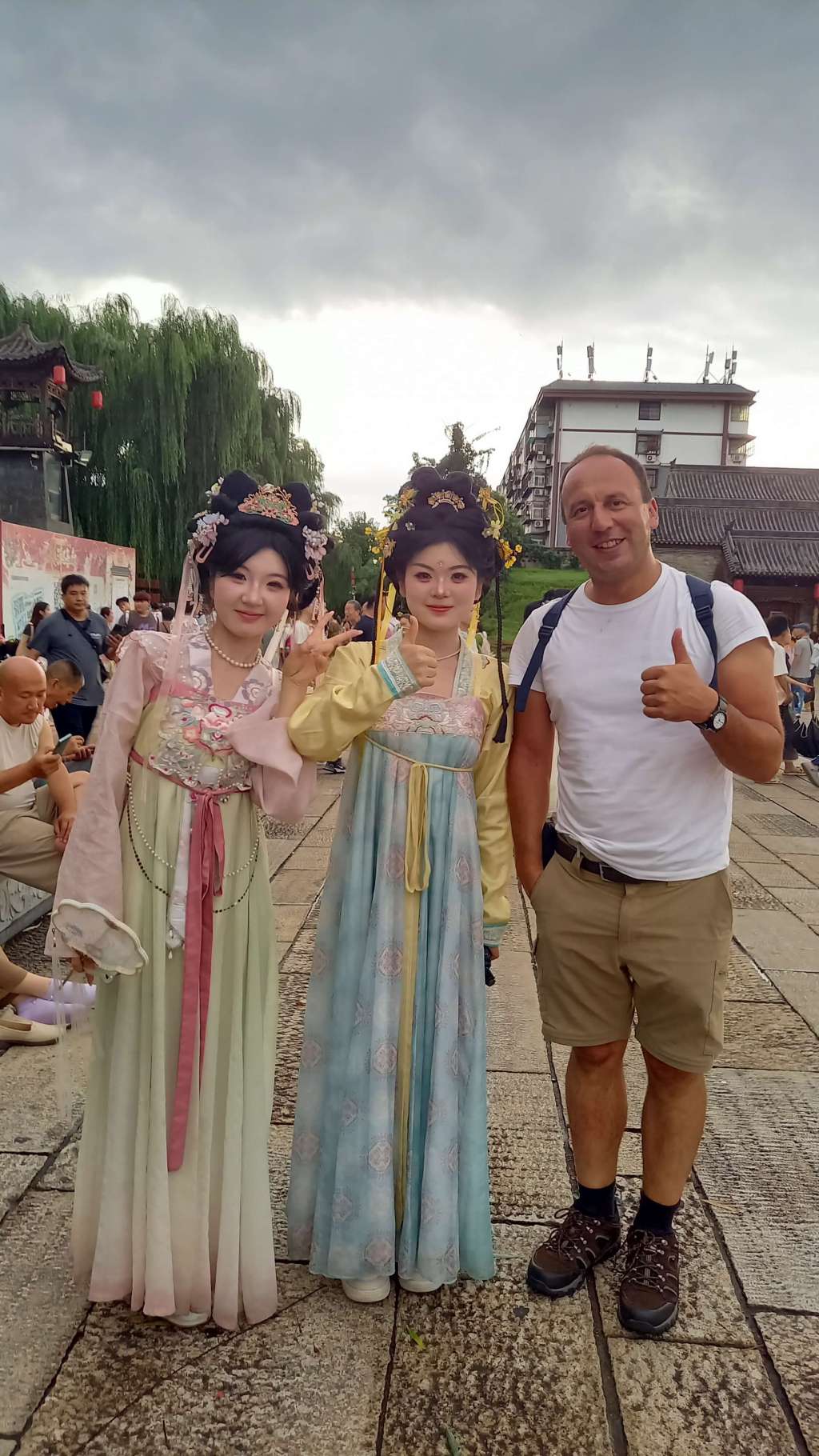
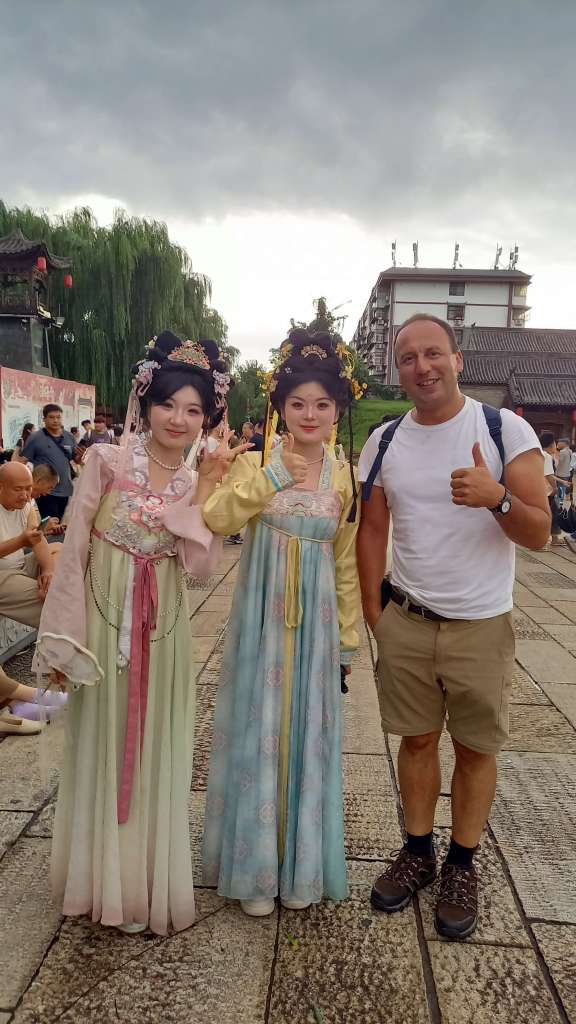
The interested looks and photos with locals were plentiful here, which continued to do wonders for my self-esteem. And I even myself asked to have a photo taken with two lovely Chinese girls dressed in traditional clothes. Well, if they can do it, so can I! As mentioned in a previous blog, there seems to be a thing in China, which I also noticed in Japan and South Korea, where local tourists love to dress to the nines in traditional clothing and explore. There were mostly ladies doing it, but occasionally the odd guy – some were dressed as traditional men, and a fair few as traditional ladies too, which was interesting.
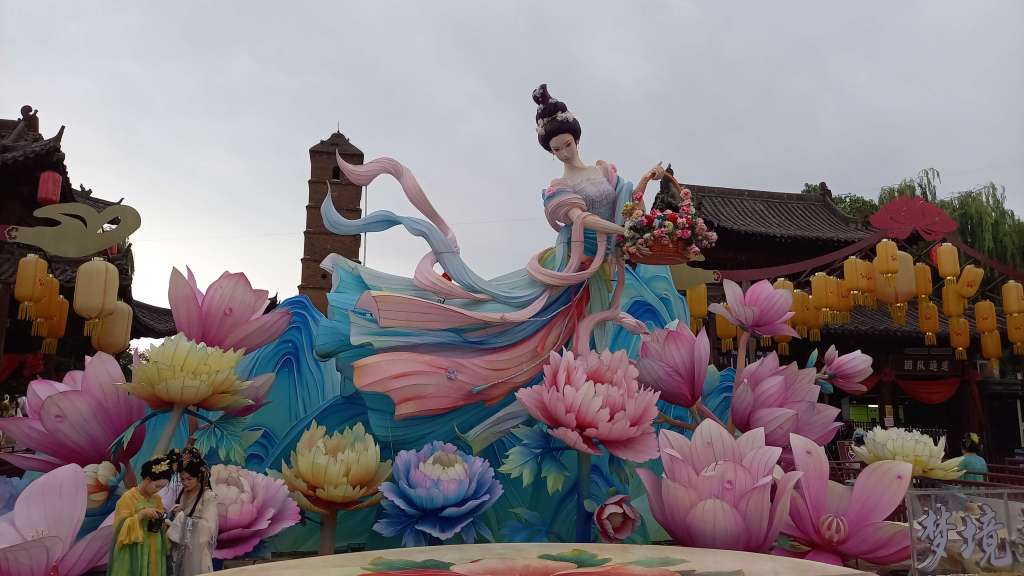
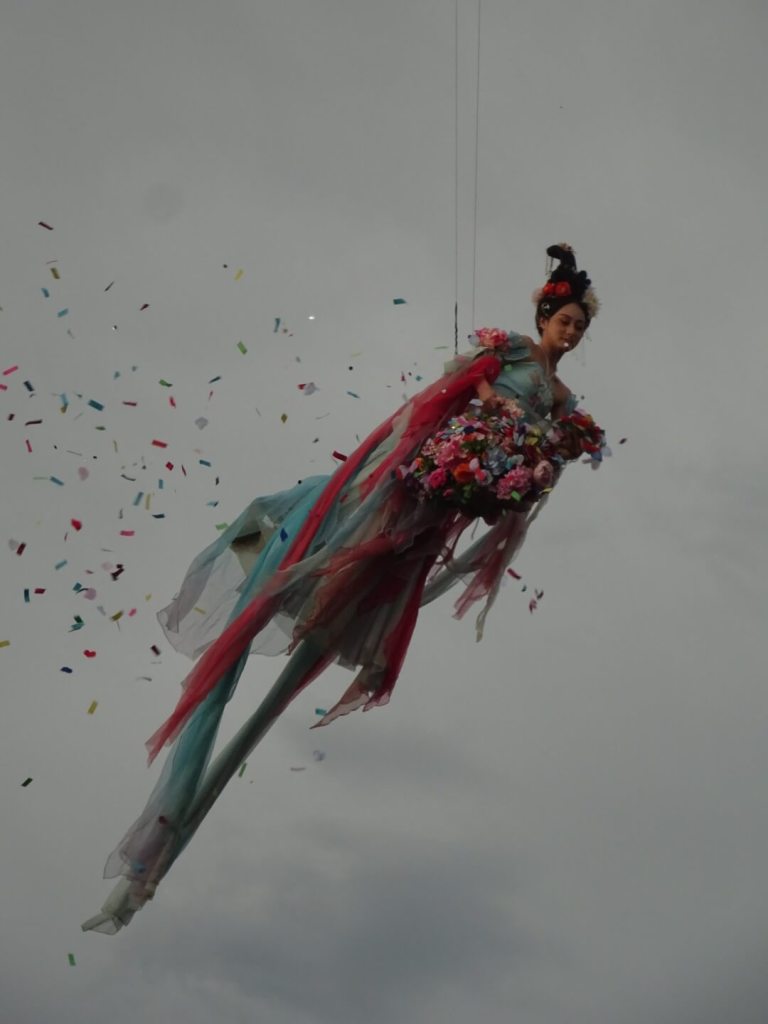
Highlights of my explorations included a lady who rose up in the air and “flew” via straps and a pulley system over the main central square throwing out coloured bits of paper. Called “The Flying Lady of Luoyang”, she’s apparently the star attraction of the city, doing it on the hour from 6pm to 8pm. I wasn’t quite sure why, but I went with it anyway! I also enjoyed walking along the canal which surrounds the Old City like a moat, and finally exploring the absolutely exquisite Lijing Gate on the western edge of town. I found the absolute beauty of Luoyang was in how authentic and real it felt – it hasn’t (yet) been modernised and sanitised as mentioned like many other ancient cities I’d visited so far. This place was lived-in, real and authentic, and it came as a very pleasant surprise. It reminded me, as with many times during my amazing summer in China, why I just love to travel and see the world around me.
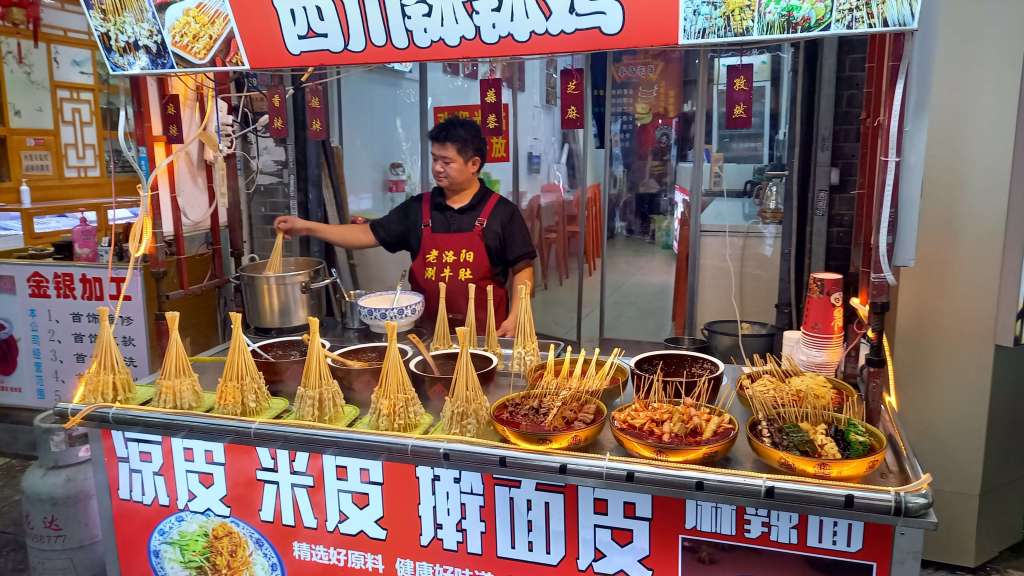
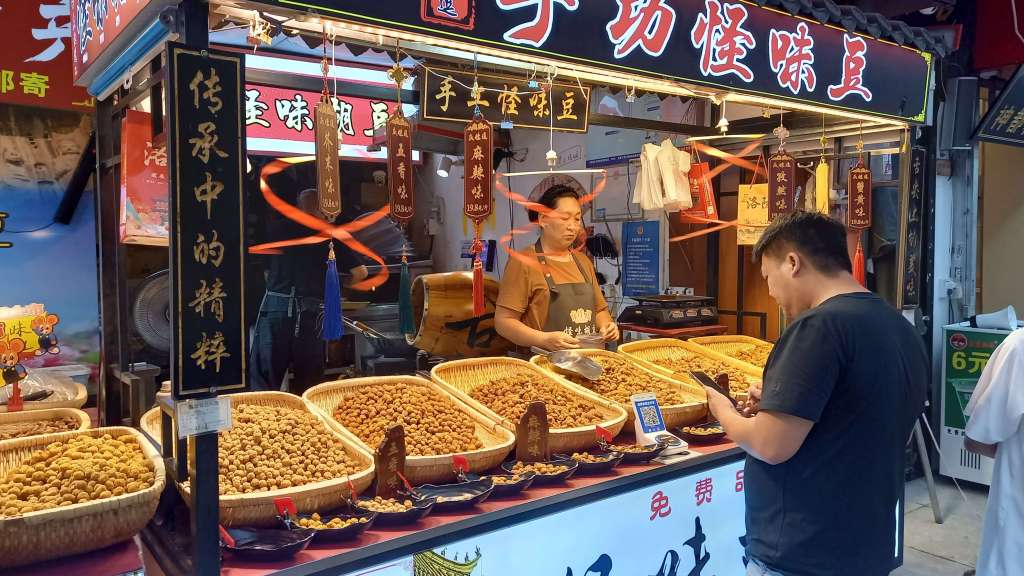
The next day was fascinating and incredible, but also quite stressful. I joined a Chinese-speaking tour group for a day trip to the nearby Shaolin Temple and Longmen Grottoes, with one tour guide in the morning, and a different guide with a different group in the afternoon. I had joined a Chinese tour group a few times thus far, but on these previous occasions, the tour guide had always provided good English translations for me. Not just information on the places visited, but also things like where we were meeting again and what time. This didn’t happen so easily this time, and a couple of times I felt more of a hindrance to the tour guide than anything else – not their fault I feel, just that things were already pretty busy for them guiding around 20 domestic tourists through throngs of other tourists and tour groups.
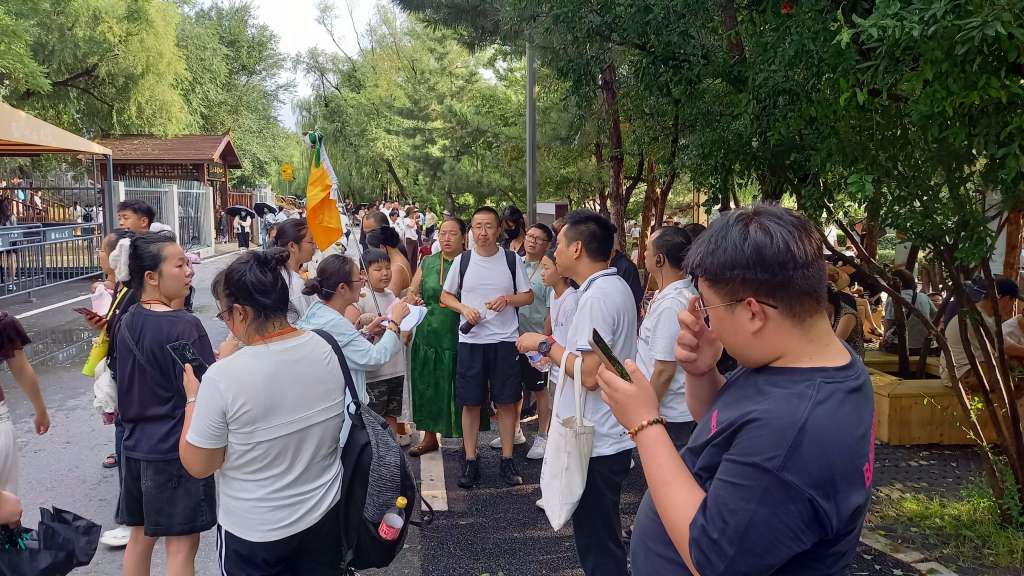
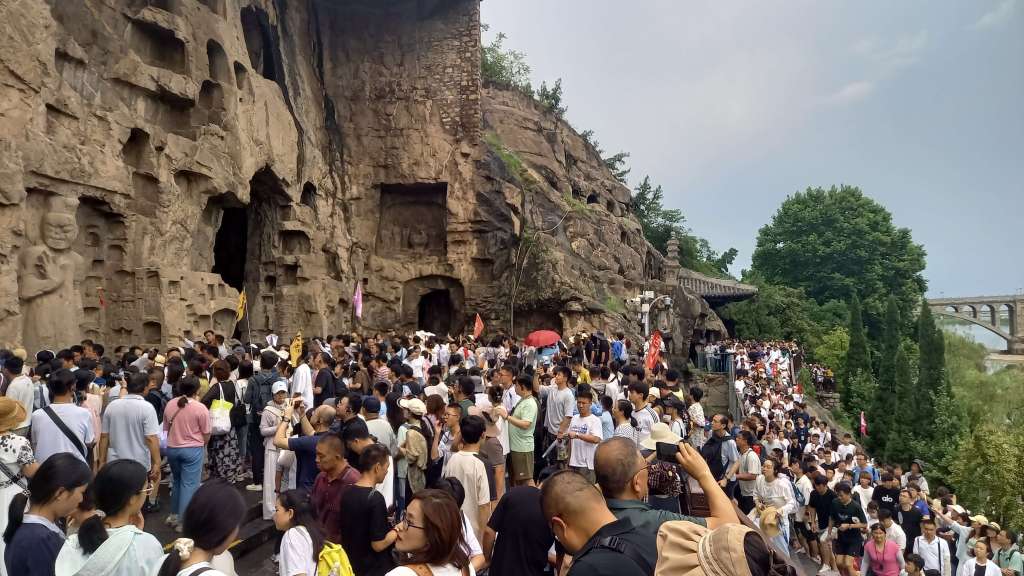
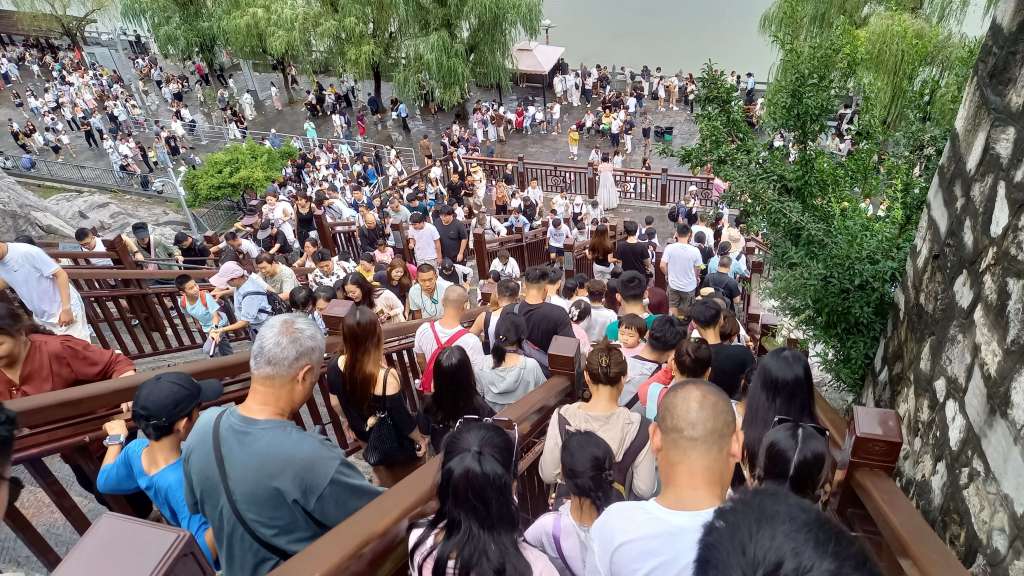
The others in my group had earpieces through which they could hear things like where we were going, what time we were meeting, and so on. I didn’t have an earpiece, and had to rely on the odd translation on either my phone or the guide’s phone every now and then, but mostly spent my time just trying to follow the flag they were holding up and picking it out of a sea of countless other tour guide’s flags. This became really quite stressful at times, particularly in the huge and rather intense crowds at the Longmen Grottoes, and while I had thus far found Chinese people mostly polite and respectful, especially of personal space, when there are crowds I noticed people tend to get pushy and shouty. This also happened on entering the Shaolin Kung Fu performance, as people rushed and quite literally pushed to get the best seats. These occasions were not nice.
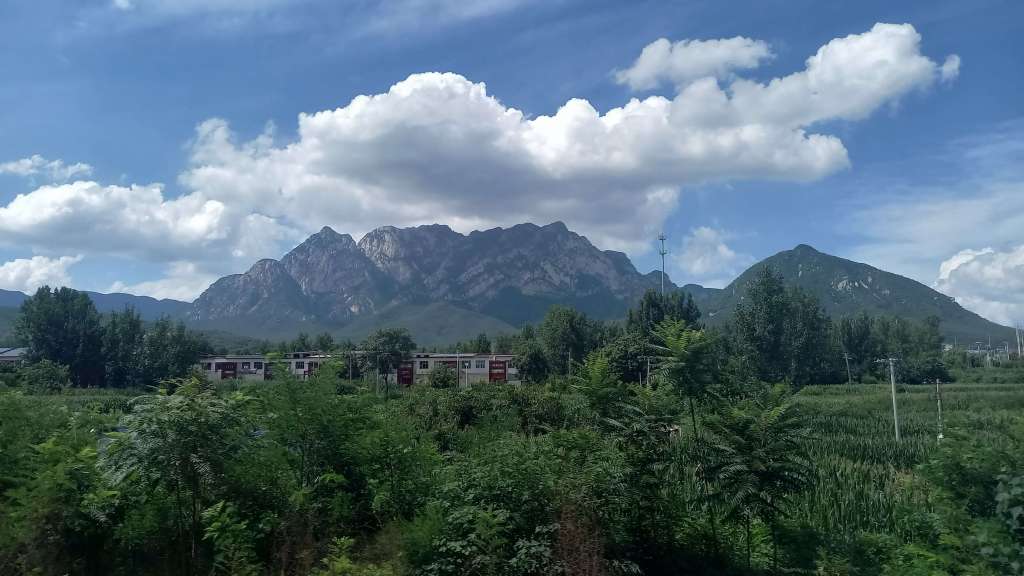
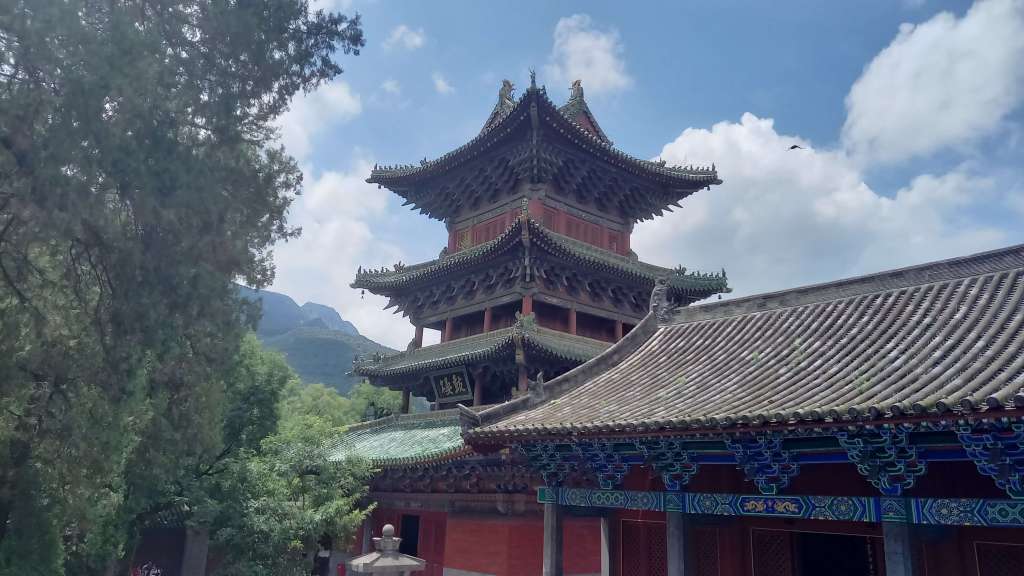
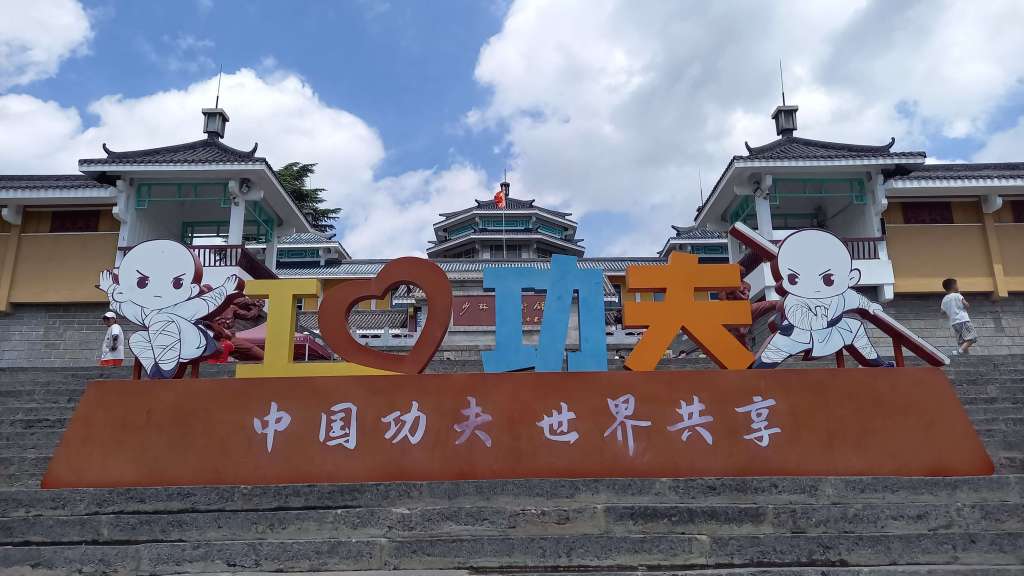
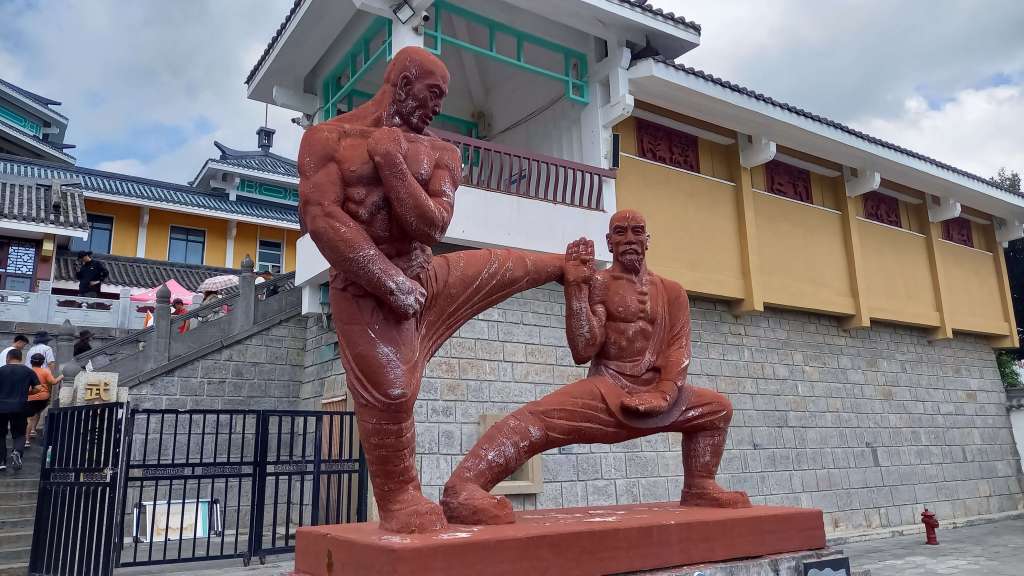
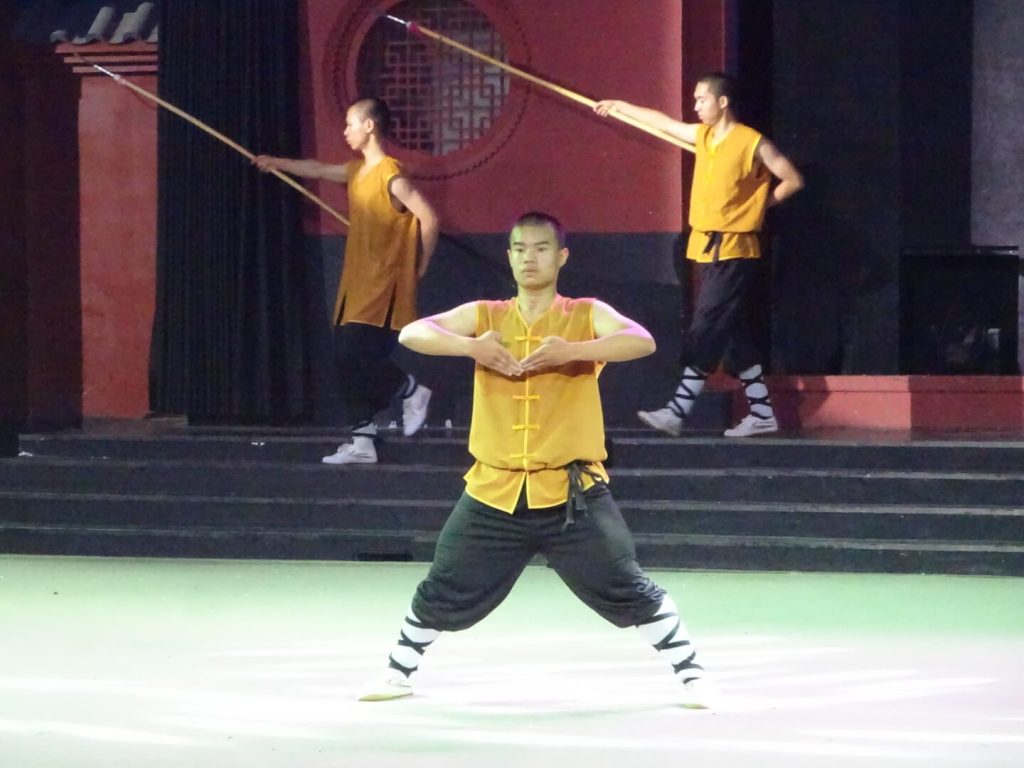
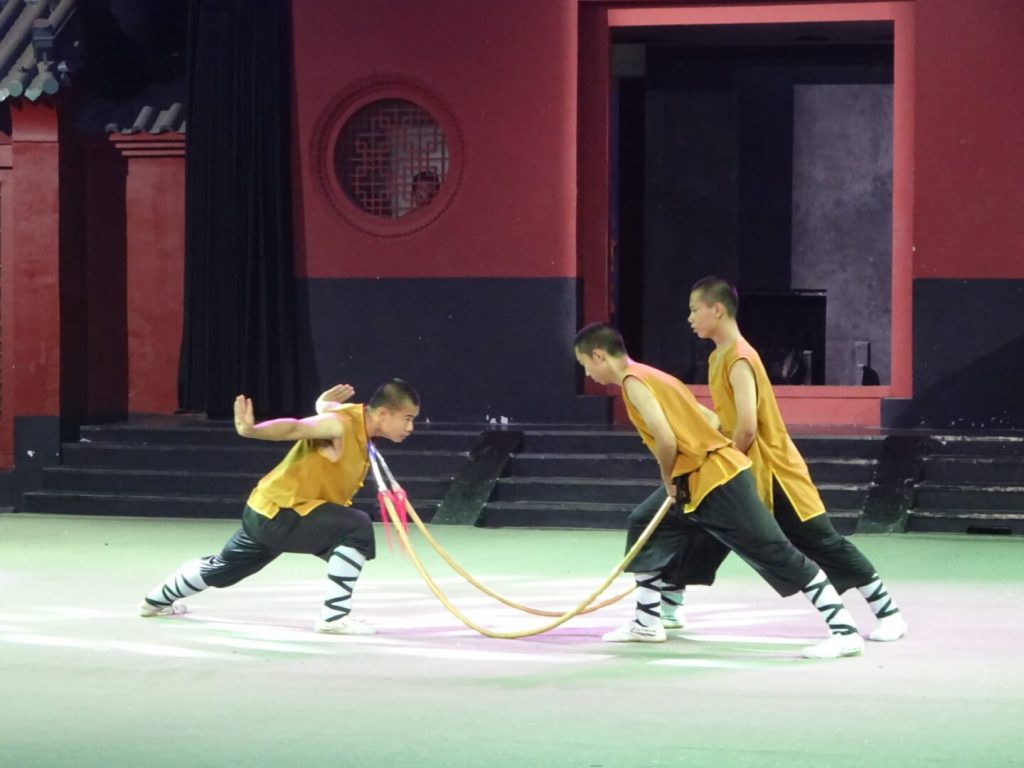
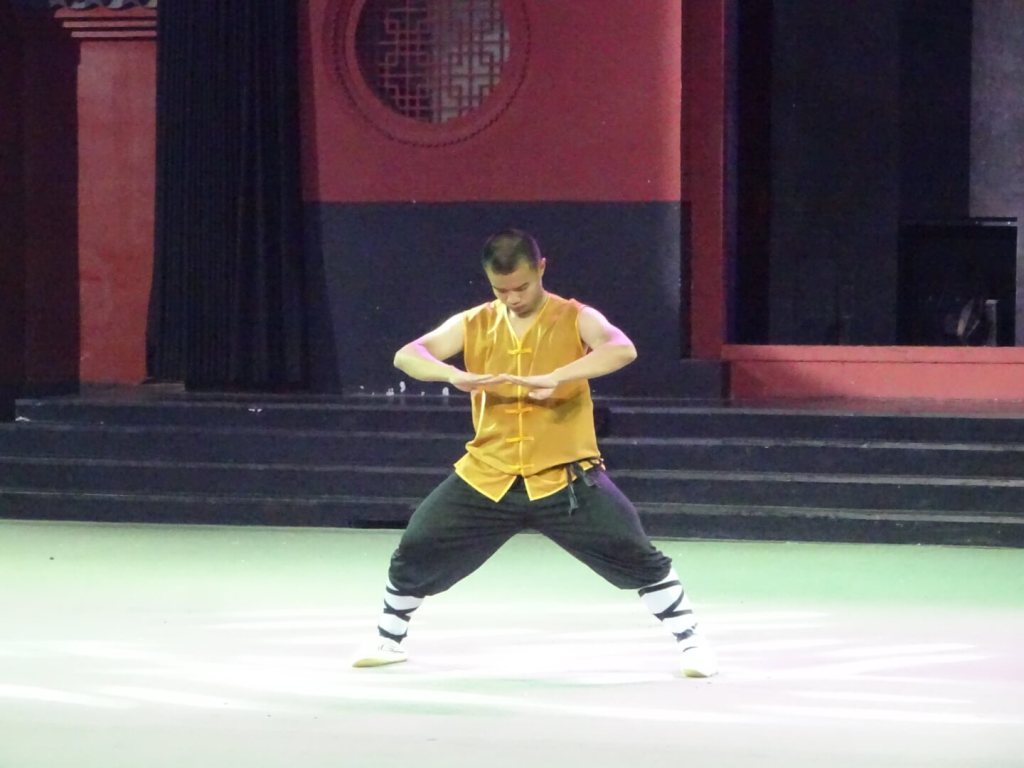
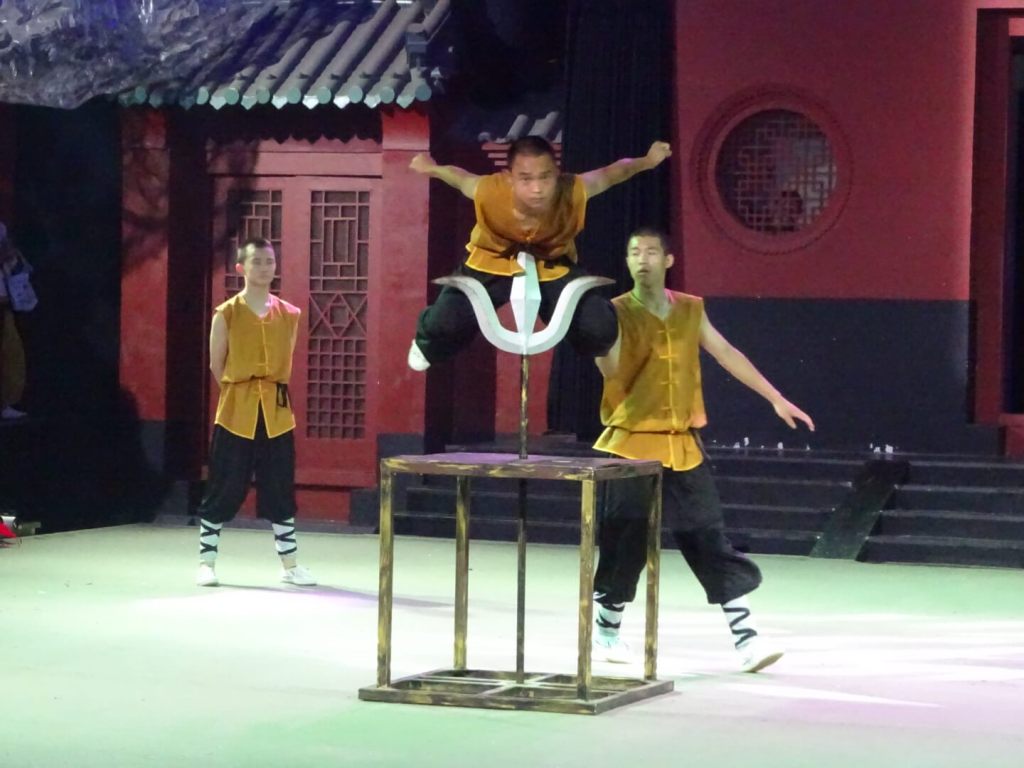
Aside from all of this, it was still a most amazing day! The Shaolin Temple visit in the morning was really impressive, with the Temple itself nestled in a river valley coming down from a stunning mountain. I could imagine back in the day how tranquil and peaceful this place would have been, before the advent of mass tourism. I was able to get off the beaten track a couple of times, and explore some of the grounds in solitude, stumbling across in one place an overgrown ancient wall, and in another a deserted pagoda which the forest was starting to reclaim. The highlight of course just had to be what the temple is most famous for, and that is its awesome Kung Fu performance.
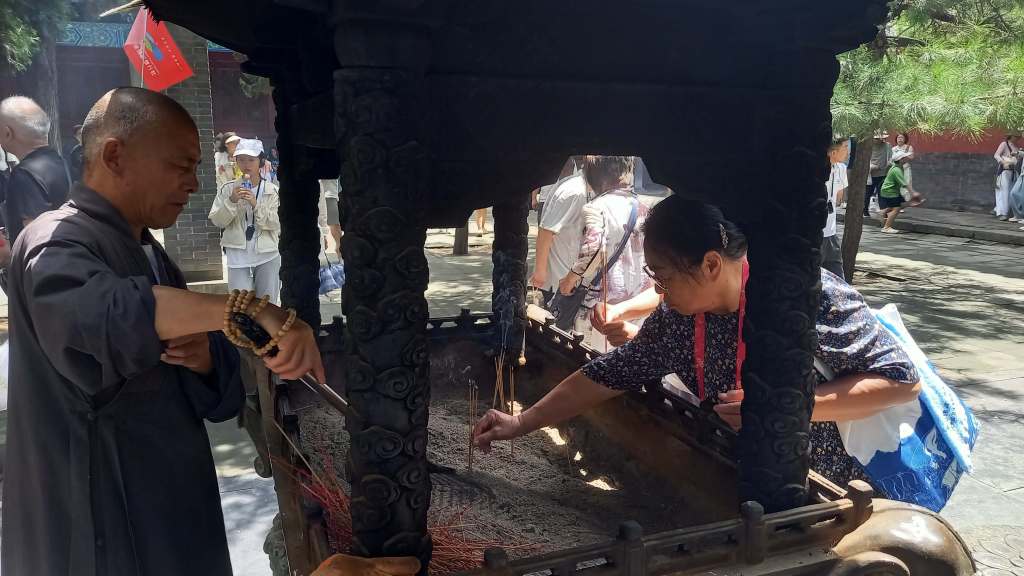
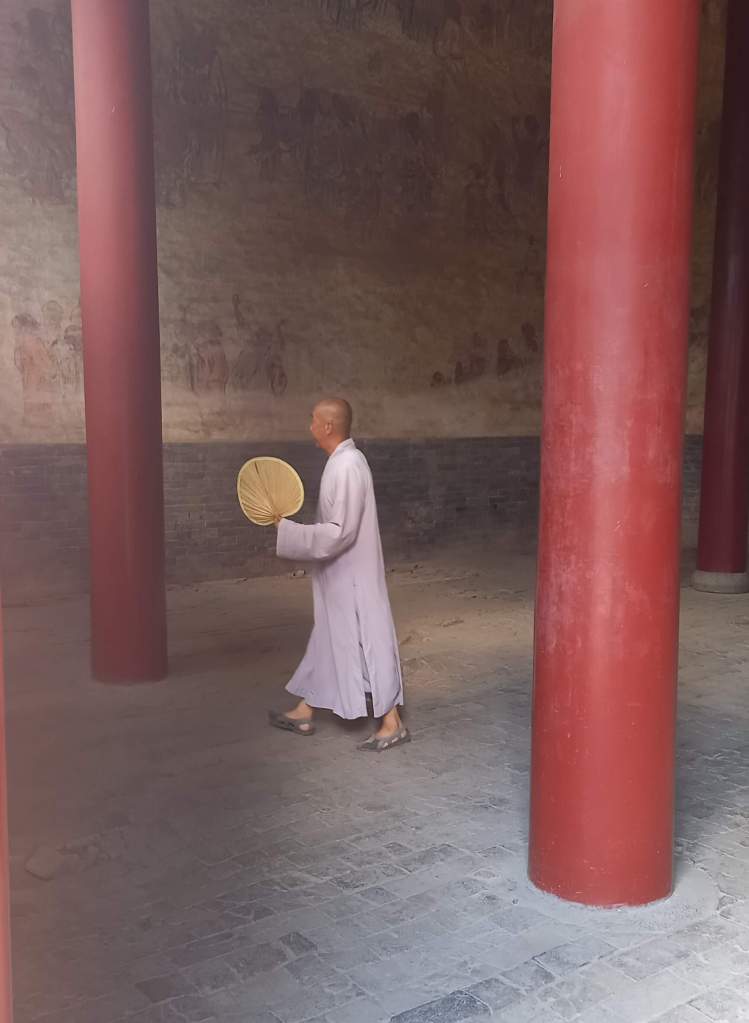
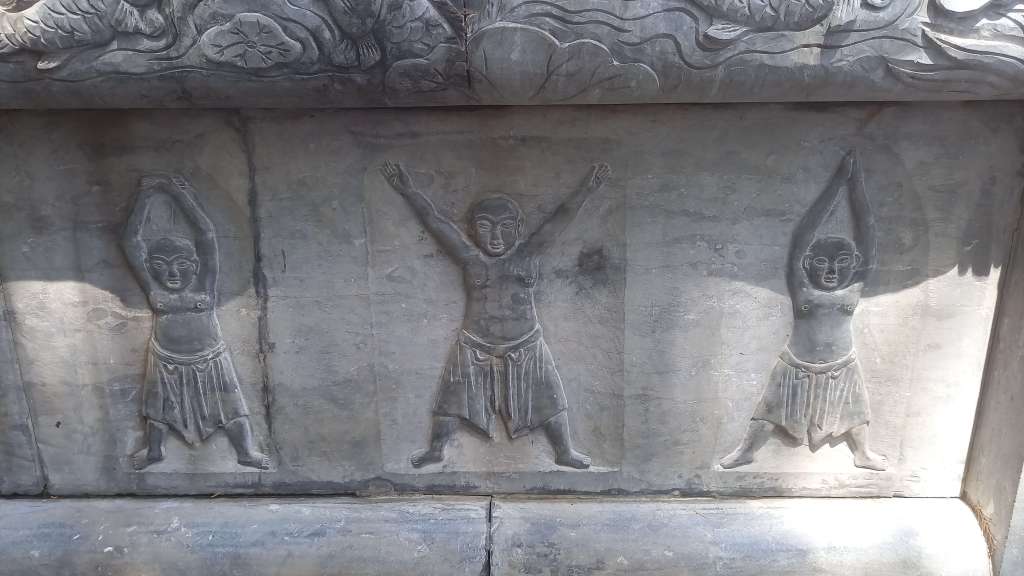
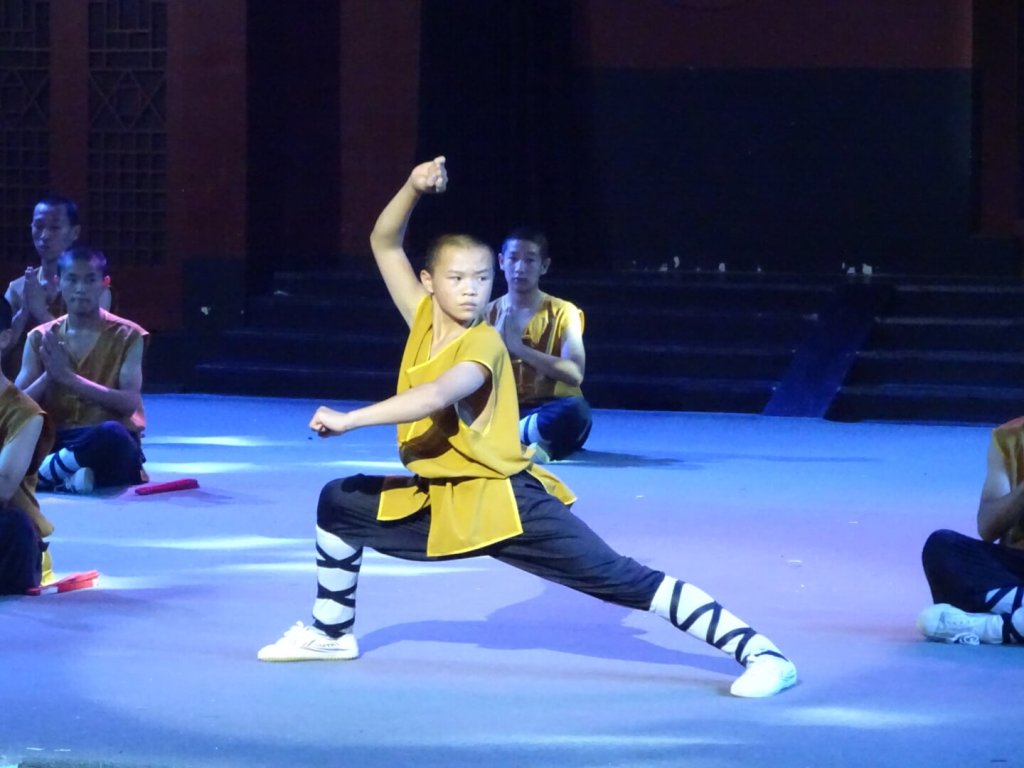
Founded in the 5th century AD on Mt Song during the Northern Wei Dynasty, the Temple was initially a centre of Zen Buddhism, teaching the way to enlightenment through meditation, breathing and stretching techniques. Over the years though, as local banditry increased, the monks developed these techniques into self-defense moves and their prowess became known nationally during the 7th century AD as they became elite fighters for Emperor Taizong of the Tang Dynasty. Funding and patronage continued through the Ming and Qing Dynasties, and the Shaolin Kung Fu monks became known globally as masters of martial arts used for meditation and for performing superhuman feats. I was so excited to see this performance.
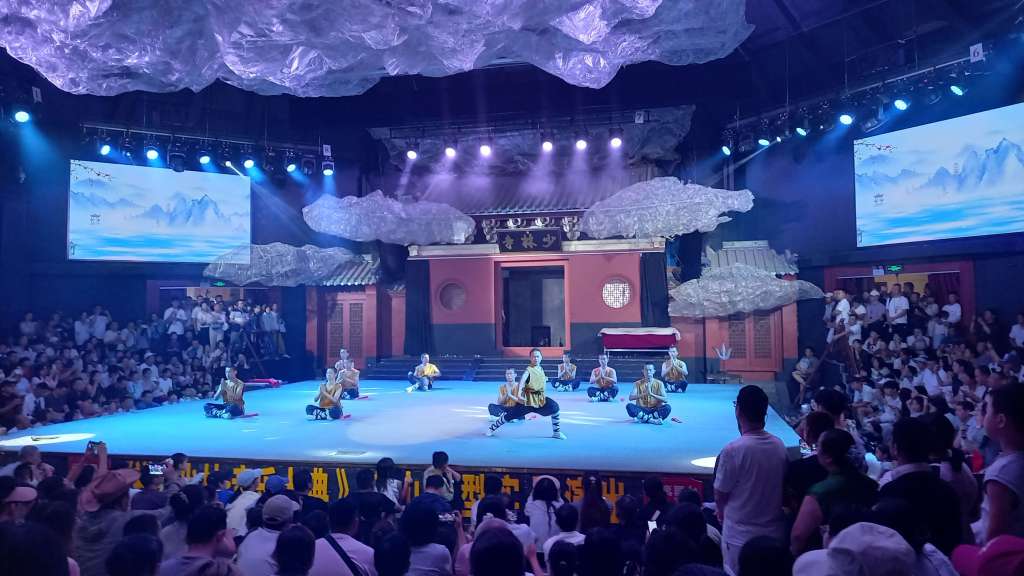
Fortunately I was able to get a good seat with a great view, just before people started having to stand in the aisles and crowd the balconies. Highlights were a nunchuk guy (that weapon would do some serious damage if used for fighting!), a chap who bent spears with his neck, and the most incredible guy to my mind, one who balanced on an axe point on his belly button as it was spun round. Just how?! Ouch…! For the last two, I found it equally fascinating how each monk spent time before the stunt, performing rituals which centered the qi energy of their bodies on the point needed for the strength of their acrobatic feat, namely the neck and belly button respectively.
The afternoon visit for the day was to the Longmen Grottoes, just south of Luoyang. These were also incredible, despite the huge crowds – it was here where they felt at their most overwhelming, and it was an effort to try to keep up with my guide and not lose her little flag above the hundreds and hundreds of people.
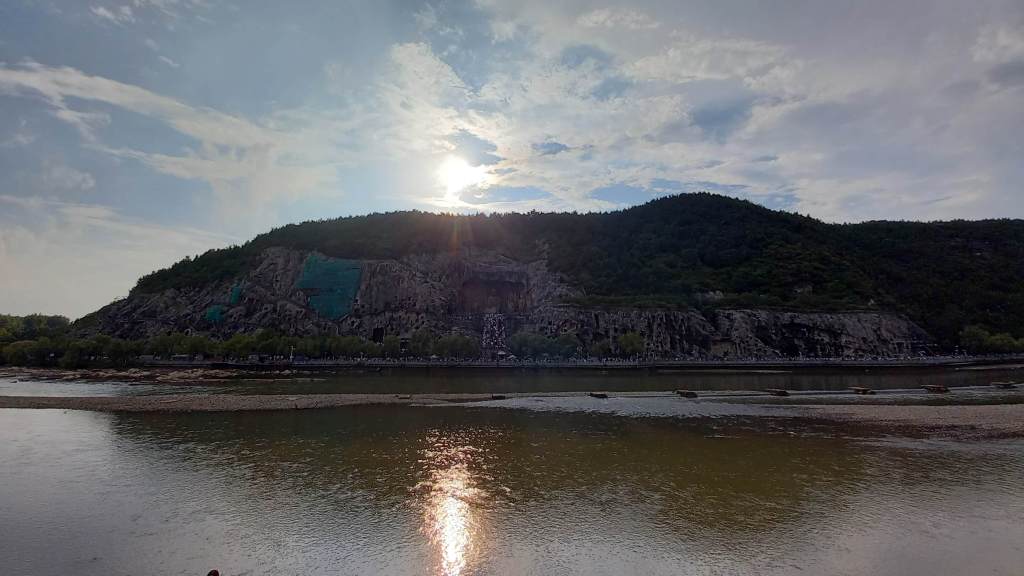
These impressive caves and carvings date back to the 5th century AD when the first Buddhist carvings were made in the banks of the Yi River by Emperor Xiaowen of the Northern Wei Dynasty from his nearby imperial capital of Luoyang. Carving continued up until the 10th century AD, stretching around a kilometre along both banks of the river.
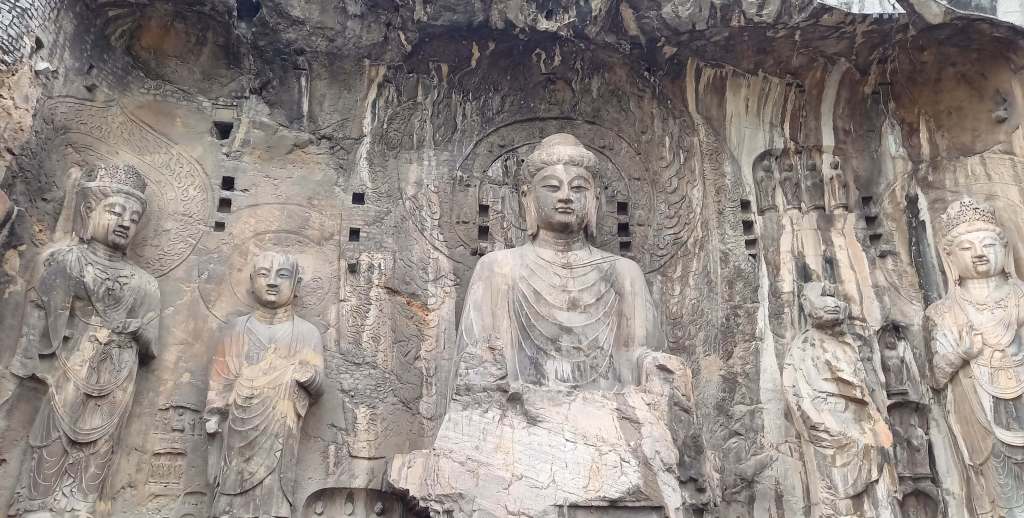
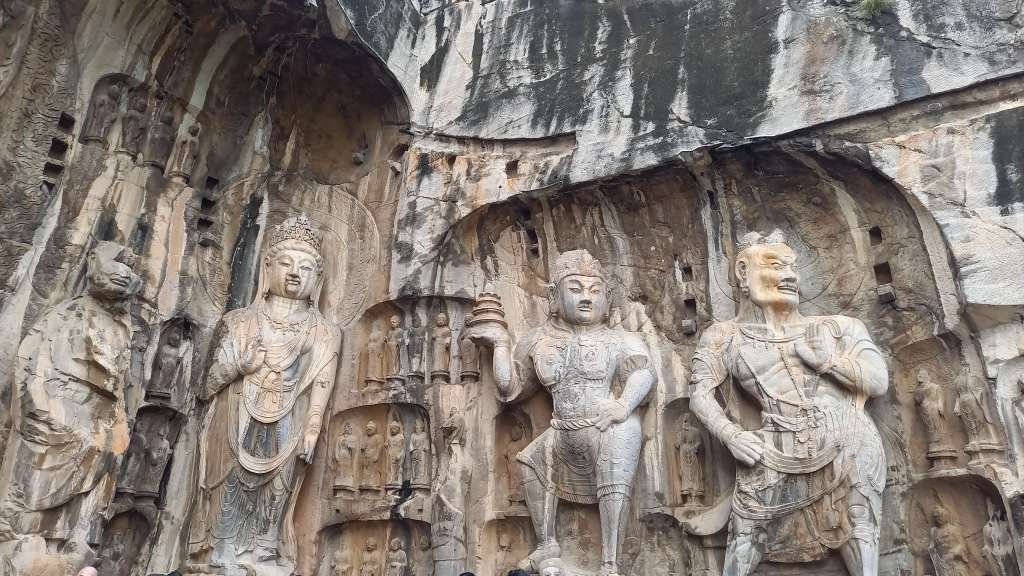
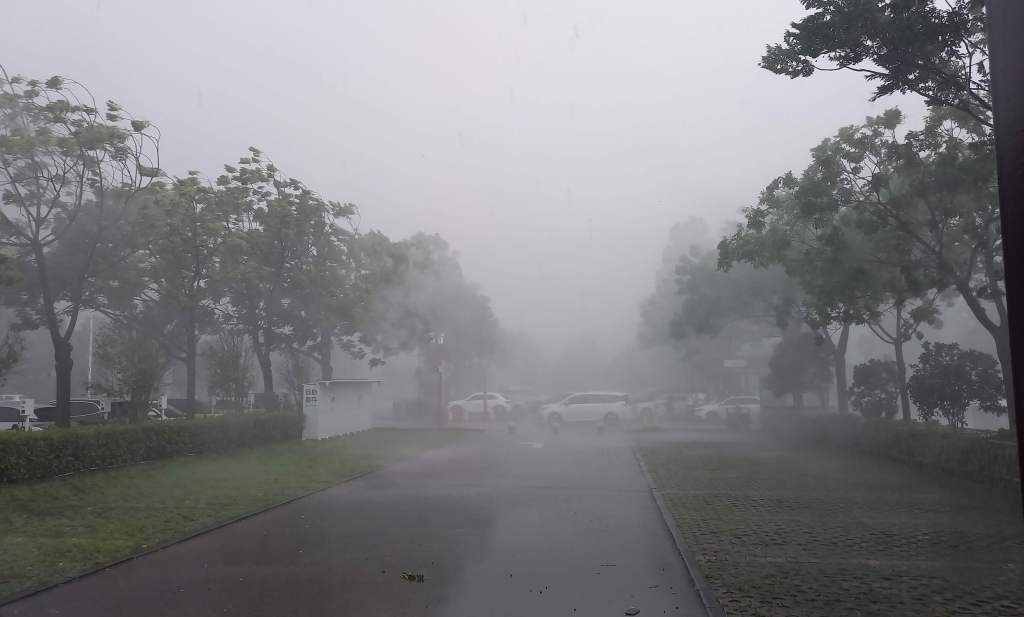
Home to around 110,000 Buddhist statues and 2,300 carved caves and niches today, many people believe that the Grottoes’ pièce de résistance is the 17m high Great Vairocana Buddha statue, carved out in the late 7th century AD – it was certainly the highlight for me too. Another highlight was another cracking thunderstorm which hit just as we arrived in the place’s ticket booth. Fortunately we were sheltered there, and driving around later in the golf cart transports they had, it was clear that it had been quite a strong tempest as large tree branches had fallen all over the place, clearly felled by the storm’s intense winds.
It had been a good tour that day with some great sights, and while at times intense and stressful to be part of the Chinese-speaking tour group, it was certainly a fascinating experience at the same time. That evening, I enjoyed chilling in my Chinese inn-style hotel room with some well-deserved me-time again. The next morning I was heading westwards to my final destination on this absolutely awesome adventure through China – more on that in my next.


