
27th May 2026
No sooner had I come back from the Deep South of America and nearly finished writing my blogs up, I was off again. It was the summer half-term holiday, and after a lovely few days in Sheffield with my family, I was off on my holidays again. This time to our closest neighbours, and the only country with which the UK shares a land border, the absolutely delightful island and Republic of Ireland.
This was actually my third trip to the Emerald Isle, after a trip to Northern Ireland in 2018, and then Dublin and around in 2022. With this one in 2026, they seem to be coming every four years!
Continuing with my recent theme of visiting European places of pilgrimage, after Fátima, Medjugorje, Santiago de Compostela and Lourdes, I was basing myself this time in the Irish Catholic pilgrimage centre of Knock, in the deep west of this beautiful isle.
I had been originally planning to do my visiting by public transport, but after realising this would quite significantly limit my sightseeing with the twice-daily buses they seem to have around there, and learning that it wouldn’t be that much more expensive to hire a car, I opted for the latter for my time there, and I was so glad that I did. It was a lovely country to drive around.
My time there will be split into two blog entries – this one for mostly County Mayo, and a bit of County Sligo, and the next one for mostly County Galway, and a bit of County Clare.
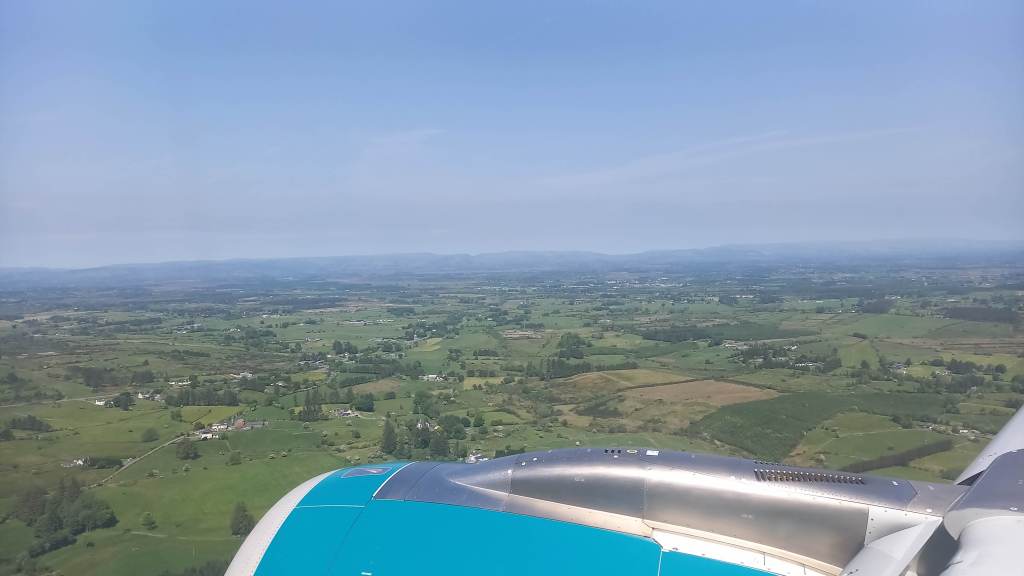
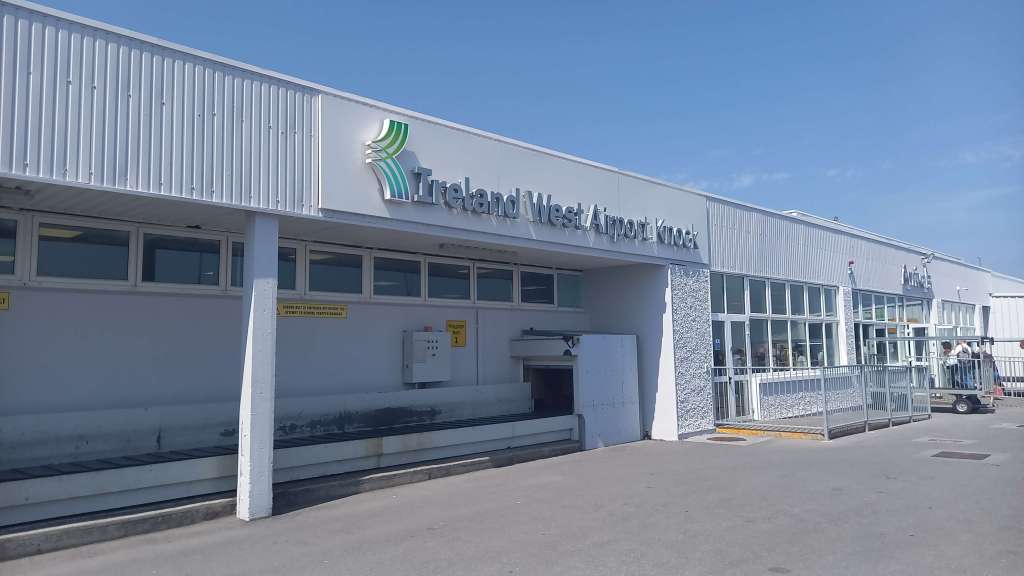
Leaving Heathrow during a heatwave over the British Isles, with London at 35°C, I boarded an Aer Lingus flight west to the spectacularly-sited airport of Knock, also known as Ireland West Airport due to its proximity to nearby cities including Sligo and Galway. It was spectacular as it unusually sits atop a flat-topped high hill over the surrounding rolling green hill landscape. The runway ends at a cliff drop-off! I had a window seat, and with the absolutely clear skies all the way, I admired the gorgeous views flying up through England, over Manchester to the east, across the Irish Sea and the Isle of Man, and over the lovely rolling green hills of this beautiful island from above.
Passport control was easy – there were no stamps or scanning, just a brief look at my UK passport. Travel between the UK and Ireland is relaxed, as the two countries are connected through something called the Common Travel Area, or CTA. It was good to see this arrangement still in place, what with all the increased passport checking, stamping and queuing going on recently while visiting other EU destinations.
After the London heatwave, it was a lovely and very manageable 25°C there, with sunny blue skies enhancing the absolute green of the land, and as I learned from talking to many people, this was really quite rare for these usually cloudy, windy and rainy parts. I picked up a Fiat Panda rental car, one of my favourite cars growing up as I just loved the name, with a gearbox, and of course driving on the left. It had been a while (I don’t have a car in the UK, and the only times I drive are when I’m travelling abroad), and I initially got into the passenger seat wondering where the steering wheel and pedals were! I also crunched the gears a few times forgetting to use the clutch, but in the end I became fairly used to it.
The roads in these parts were windy, single-laned on each side, and often quite narrow, yet speed limits were still high. What I found to be the most hazardous thing on these roads was the amount of old people behind the wheel. I guess with very limited public transport, they have little other option, but not only did they often drive slowly causing huge tailbacks behind them, they would also not always look when they pulled out in front of you, and one time I had to beep an old chap as he was reversing without realising I was behind him.
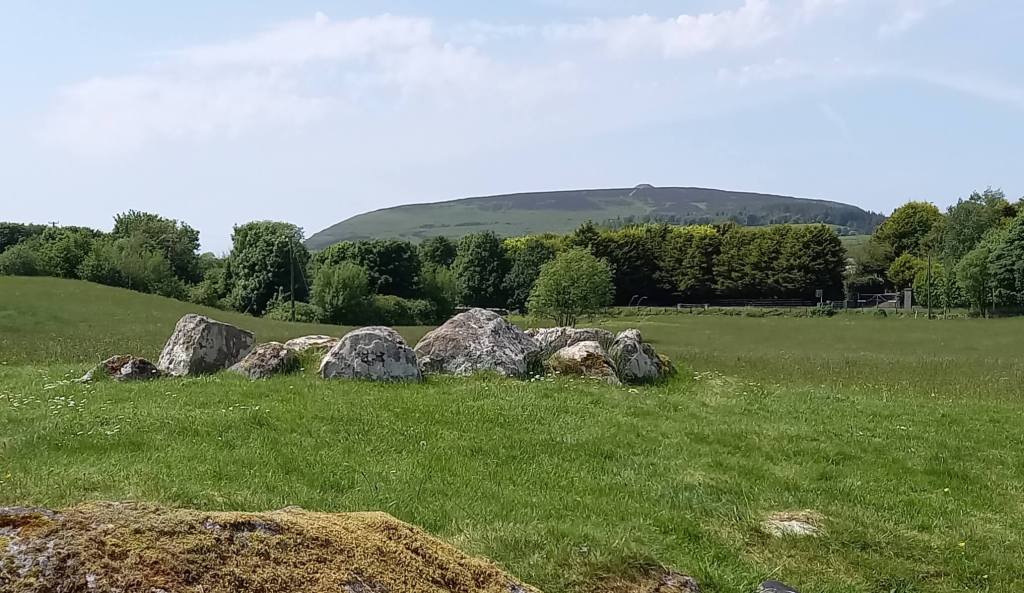
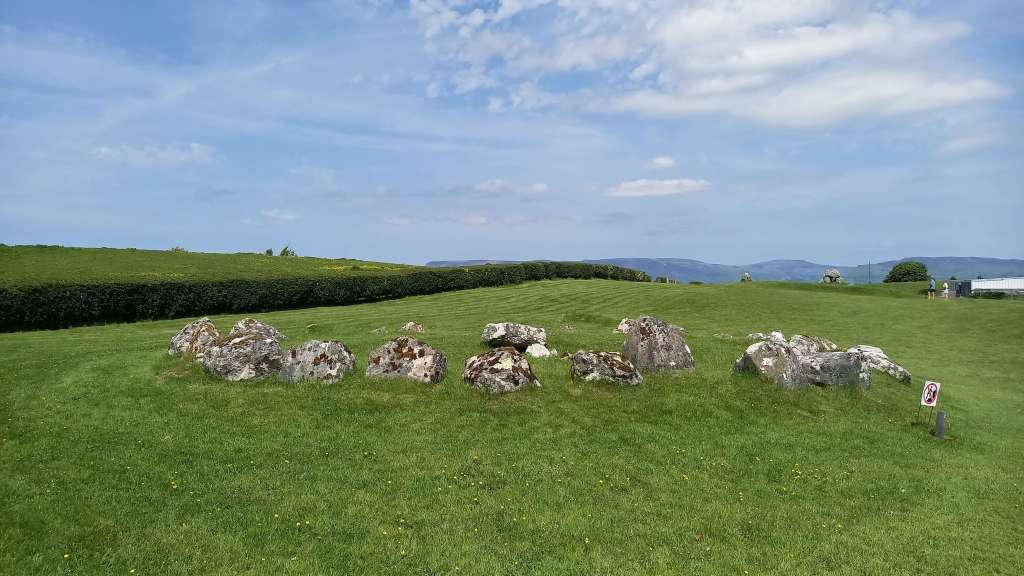
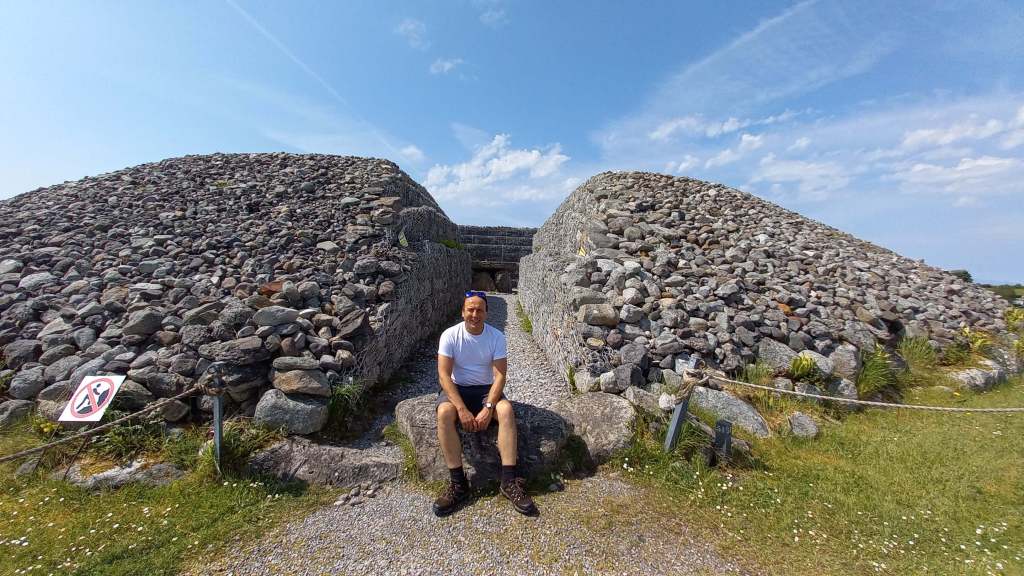
I began my road trip straight away, and my first destination was in County Sligo to the north – the Carrowmore Megalithic Cemetery just outside Sligo. This is one of four major passage tomb cemeteries in the country, so-called due to their narrow stone corridors leading to the burial chamber inside. After visiting the most famous one, Newgrange, on my Dublin trip four years ago, it wasn’t quite so grand, but it was much quieter and you could get a real sense of the importance of the location here without the buses and crowds. Carrowmore dates back around 6,000 years, and has over 30 surviving tombs and monuments to visit, with Listgohil or Tomb 51 being the most prominent and the only one you can walk inside.
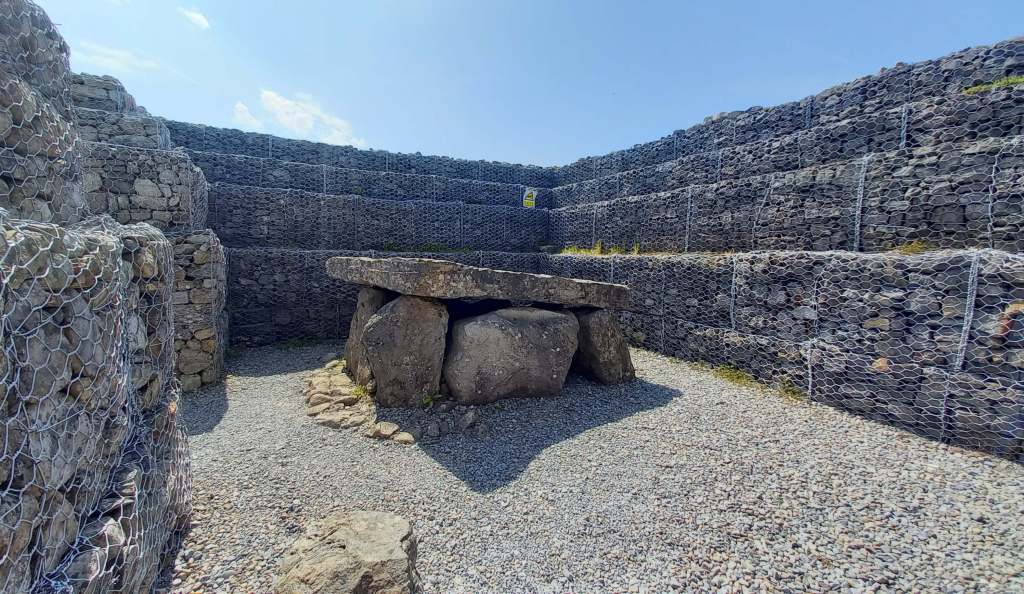
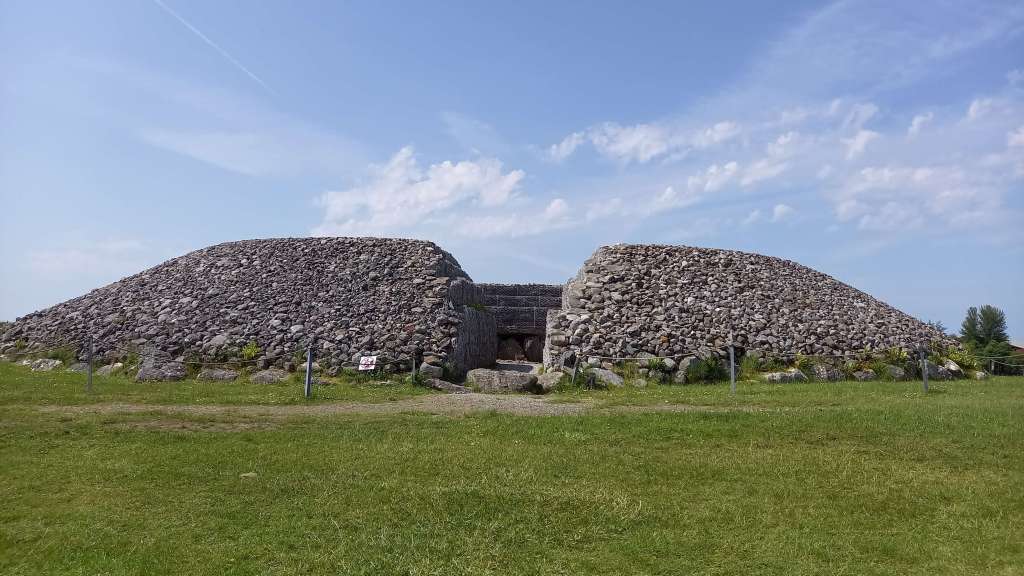
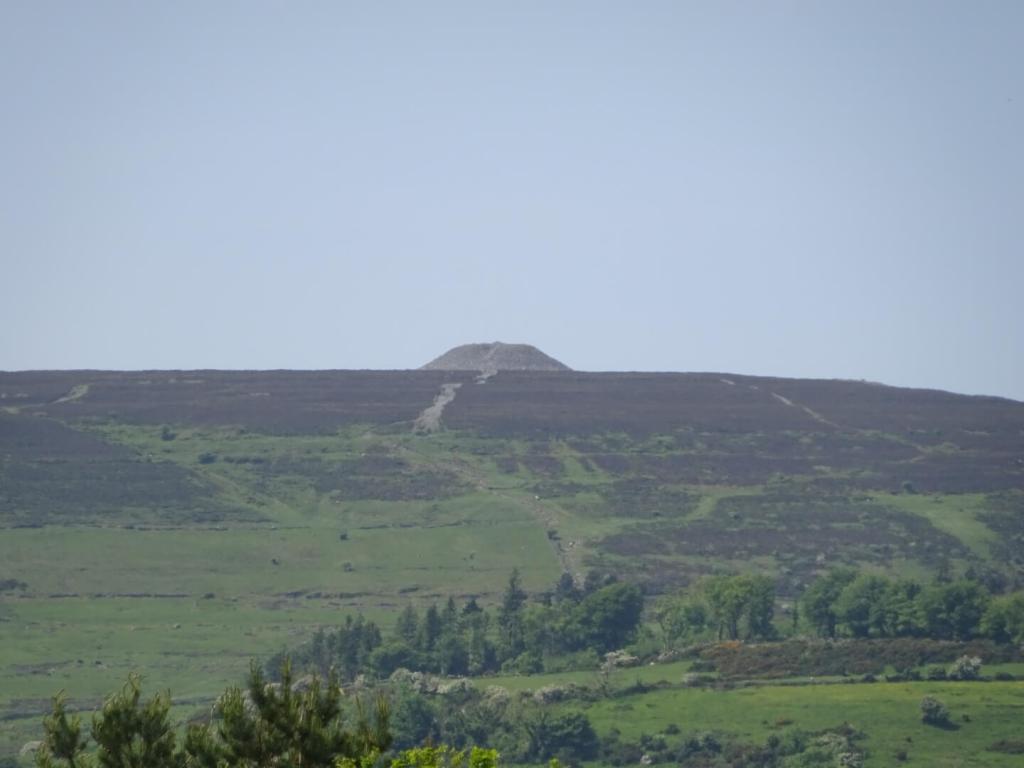
Something else that is really special about this place is that it is overlooked by nearby Knocknarea Cairn, atop Knocknarea Mountain, believed to be the final resting place of legendary Irish Queen Maeve. Said to have lived around 2000 years ago, she is considered one of Ireland’s greatest leaders, particularly unusual in a time of Irish Kings rather than Queens. She is believed to have rewarded good warriors with her affections, and had five husbands and nine children. When she died, they say she was buried upright atop this mountain, defiantly facing her enemies to the north. How much of all this is fact and how much legend no-one knows, but she has certainly become an important and inspirational character for the Irish people and others over the years.
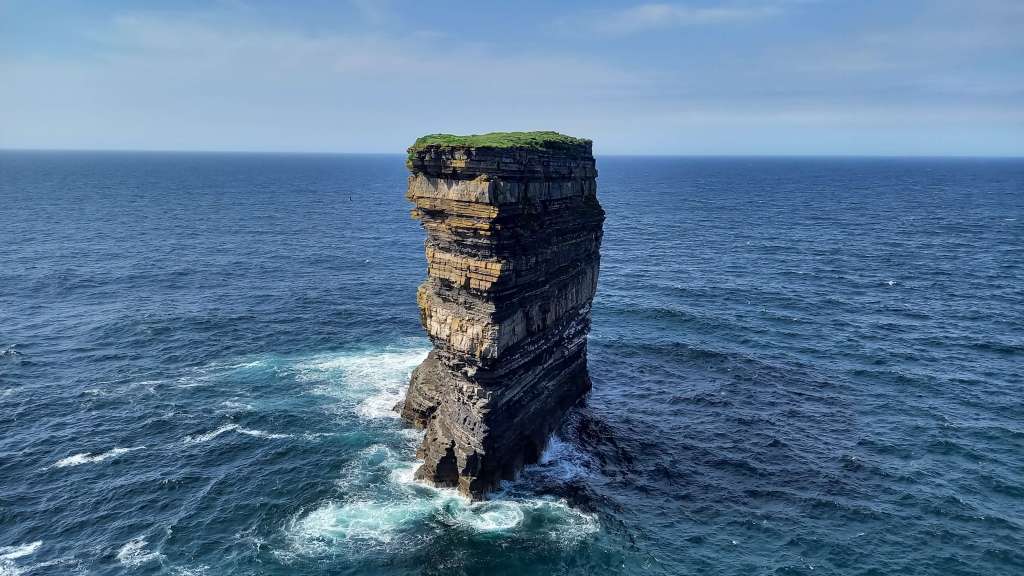
After my visit, I headed west, following the very famous Wild Atlantic Way which I would come to drive along a fair few times on this trip, to the stunning Dún Briste Sea Stack. The Wild Atlantic Way is a coastal route following the absolutely stunning western coastline of Ireland, from Malin Head in the north, to the Old Head of Kinsale in the south. I may have to return to follow other parts of this spectacular drive someday.
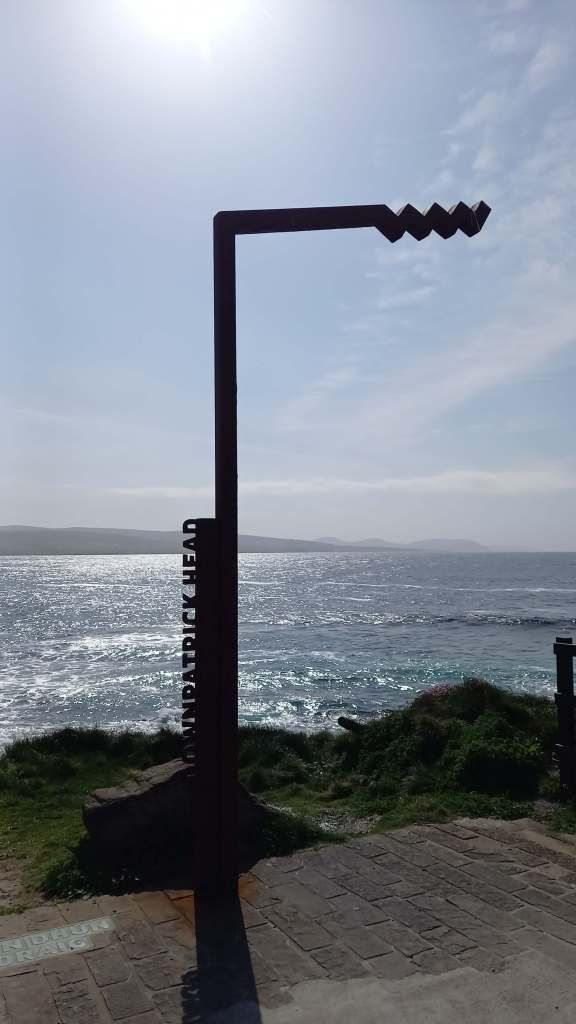
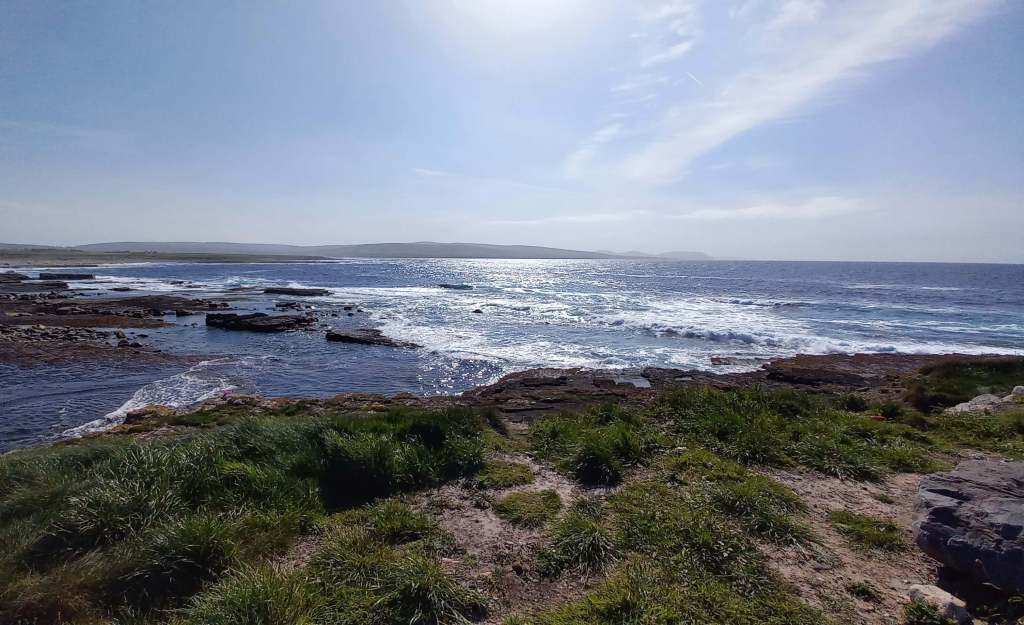
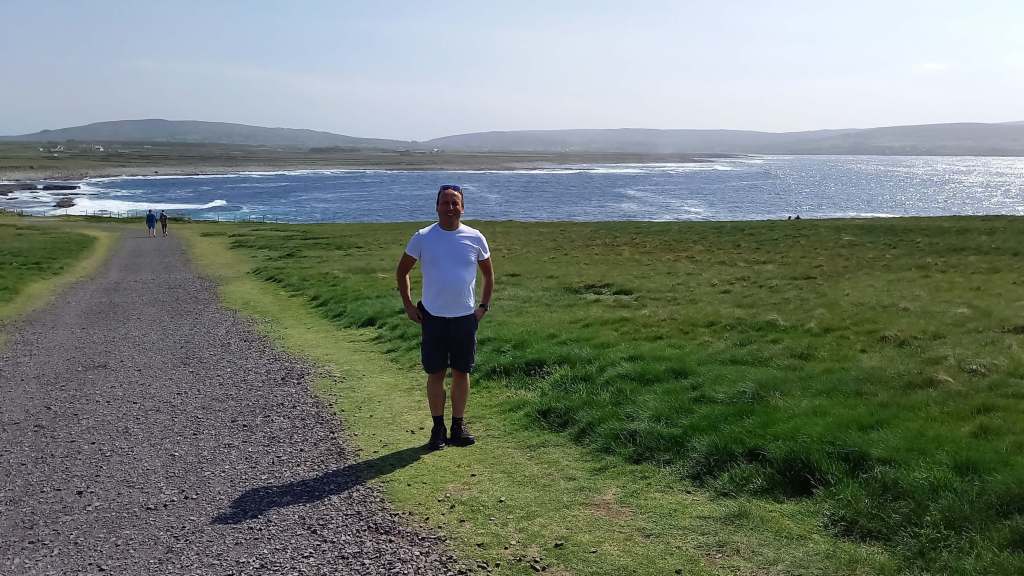
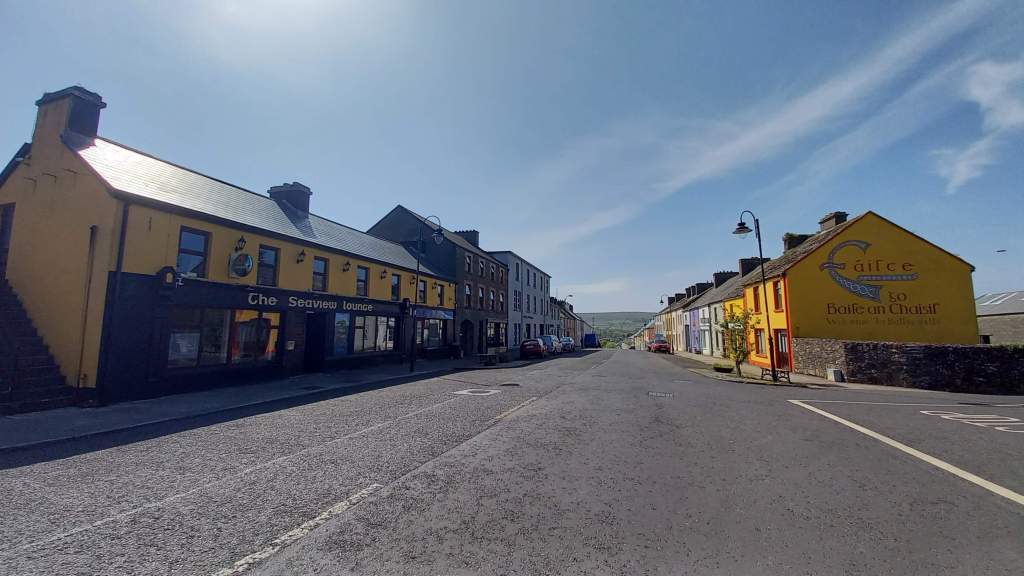
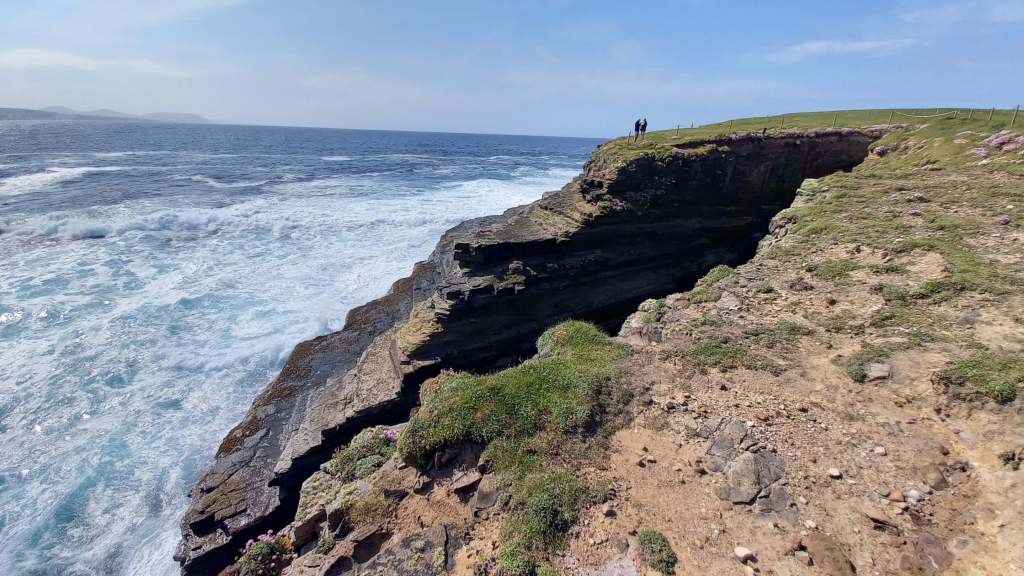
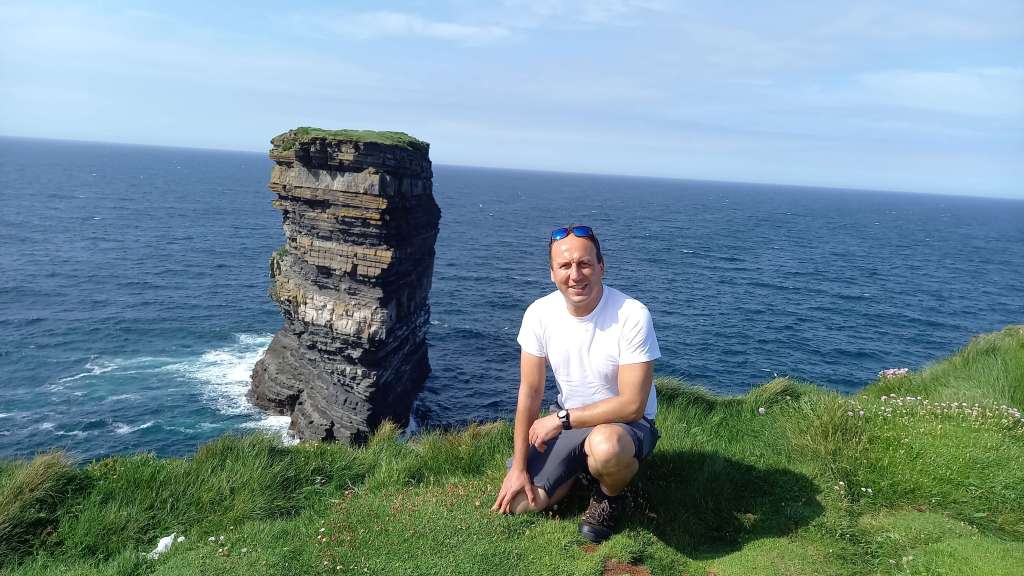
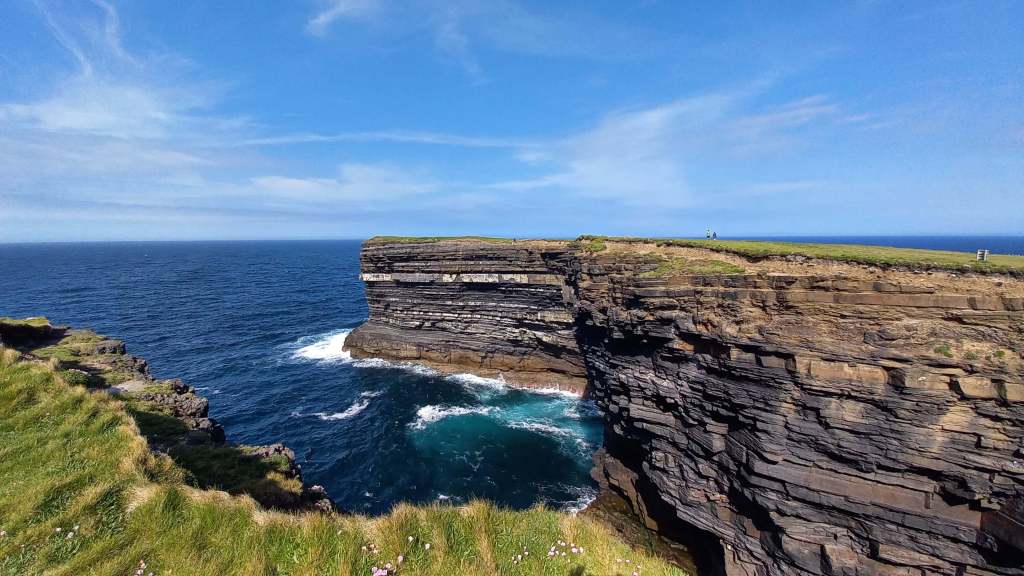
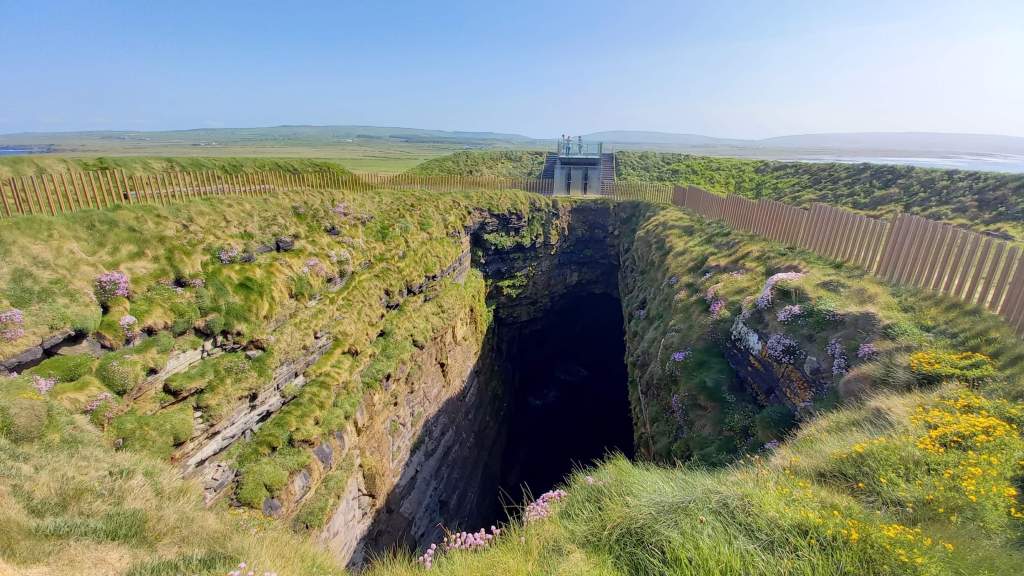
The road there was indeed beautiful, passing through lovely little Irish villages such as Ballycastle, each with at least two or three pubs with Guinness signs. After parking up and walking along an impressive coastline of beaches, cliffs and blowholes, the Dún Briste Sea Stack was an absolute spectacle to see. Standing 45m high, the stack was created when a storm destroyed the original arch that connected it to the mainland in 1393 – it was said to have stranded a family at the time, who were subsequently rescued. Legend also has it that St Patrick is believed to have driven all the snakes of Ireland over the original arch, and then struck it down with his staff so that they were all stranded atop Dún Briste, and thus famously banished from Ireland. I prefer the legend to be honest! The stack and surrounding high cliffs are also home to scores of kittiwakes, guillemots, gulls and even puffins, and with the crashing waves, bracing winds and flitting in and out of all this birdlife, I really enjoyed my time in this special place.
I then headed south to do my self-catering stock up for this trip in Tesco in the small town of Swinford, before my final little drive onto my base for my three nights there – delightful Knock.
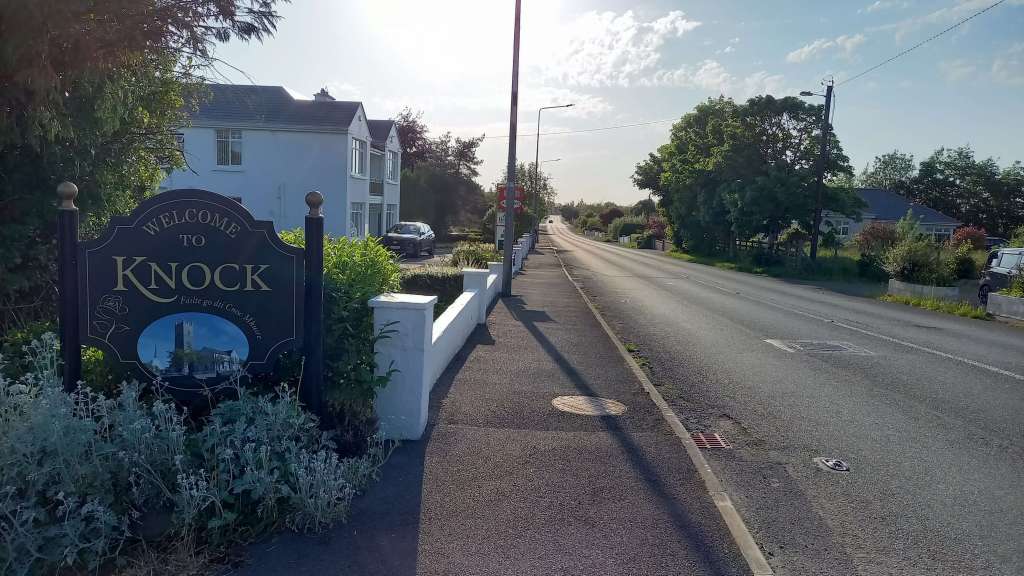
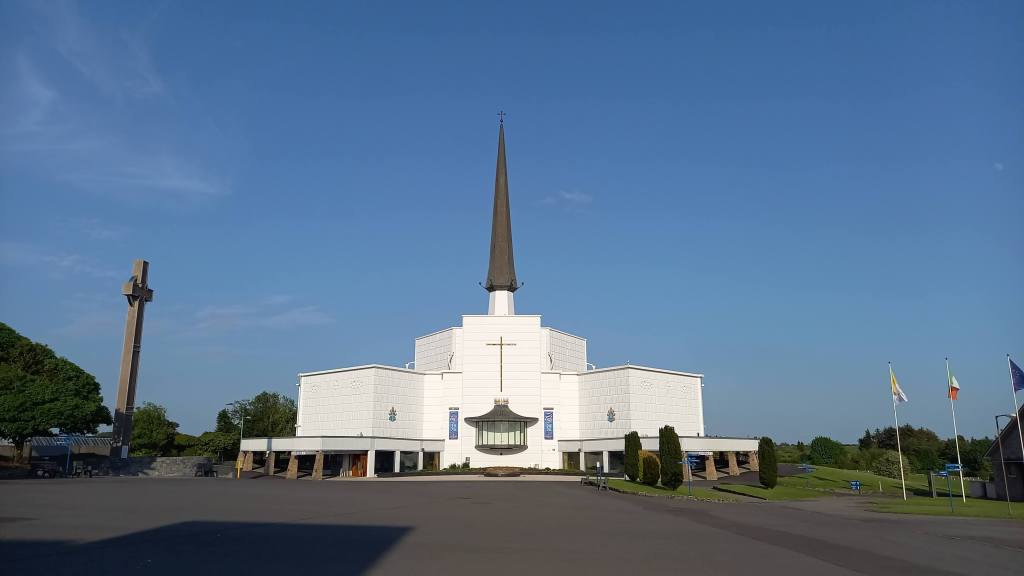
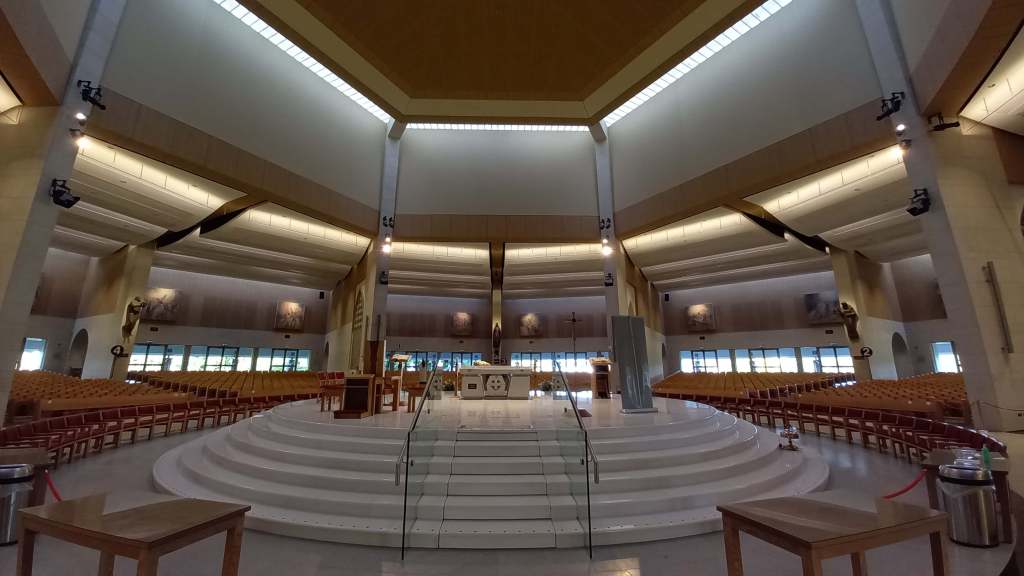
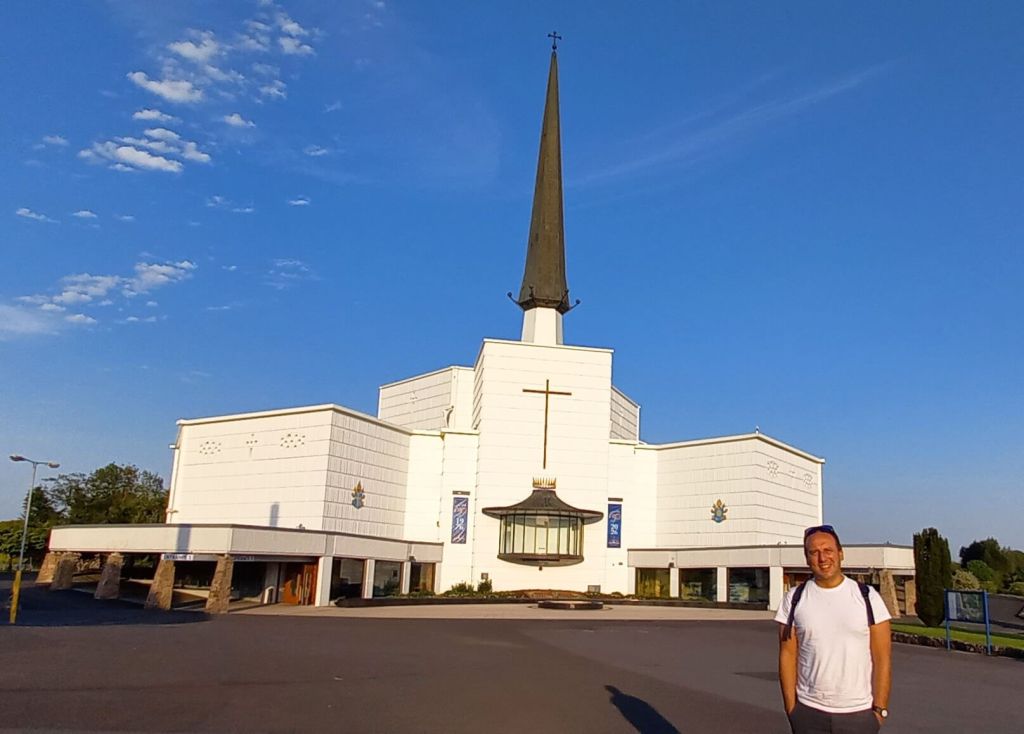
Named after the Irish Gaelic “Cnoc Mhuire”, meaning the “Hill of the Virgin Mary”, the town only really came to exist as more than a hamlet following an apparition of the Mother of Jesus on 21st August 1879. 15 local villagers are said to have seen on the gable of the Church of St John the Baptist, a silent and luminous apparition of the Virgin Mary, St Joseph, and St John the Evangelist, along with several angels, and a lamb with a cross standing on an altar. The vision lasted around two hours, and while the villagers got soaked in the pouring rain, Mary and company remained completely dry. No messages were conveyed, as at other locations such as Lourdes and Fátima, but the apparition was recognised as such during a visit by Pope John Paul II in 1979, and Knock has since been included in the Vatican’s list of Catholic International Shrines. While nowadays, the small village receives an incredible one million pilgrims and visitors each year, incredible considering its small and humble stature, the whole place was really quiet during my time there. This felt in stark contrast to busy and bustling Fátima, Medjugorje, Santiago de Compostela and Lourdes, and I appreciated the peace and solitude of the shrine and its grounds during my time there.
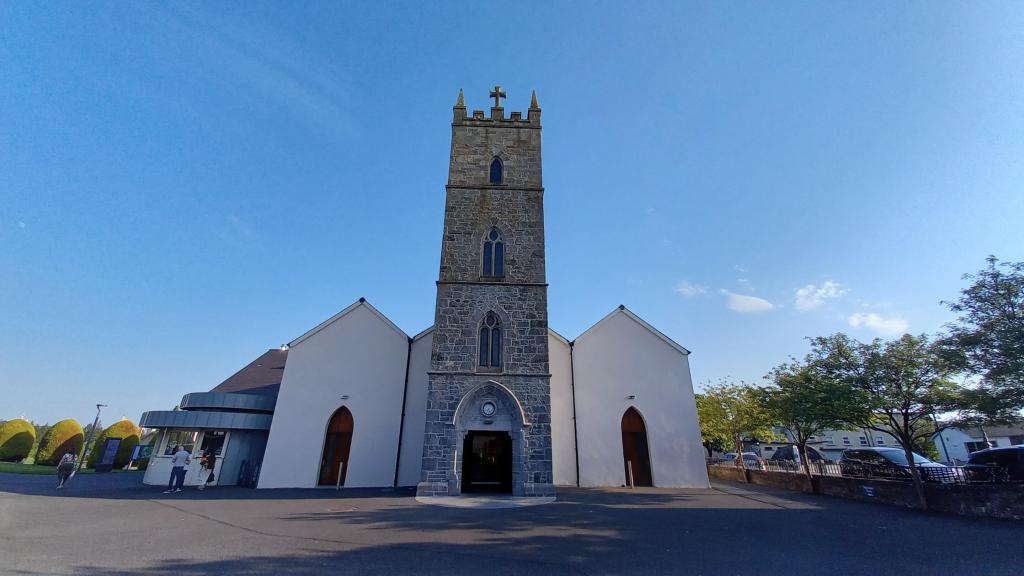
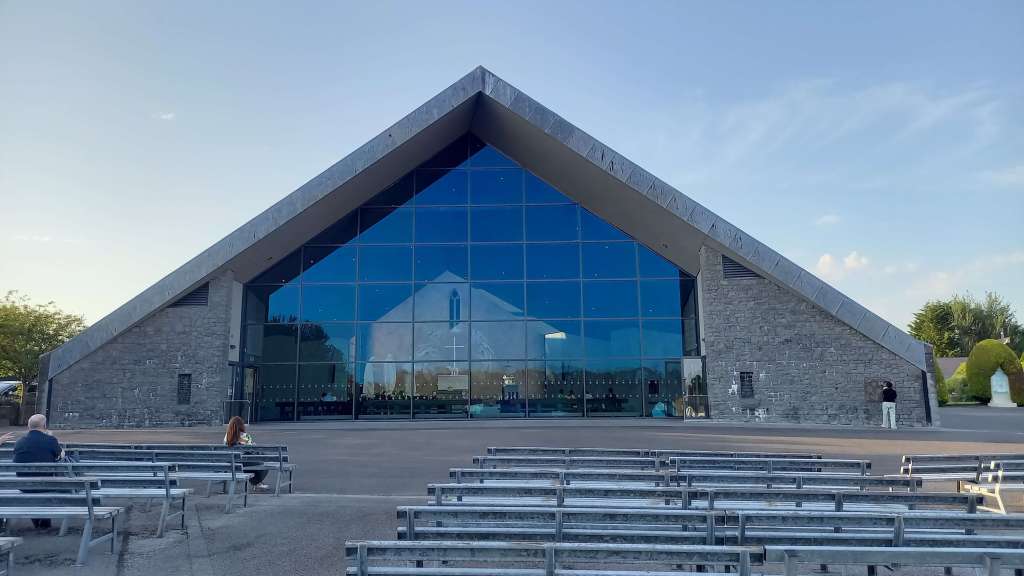
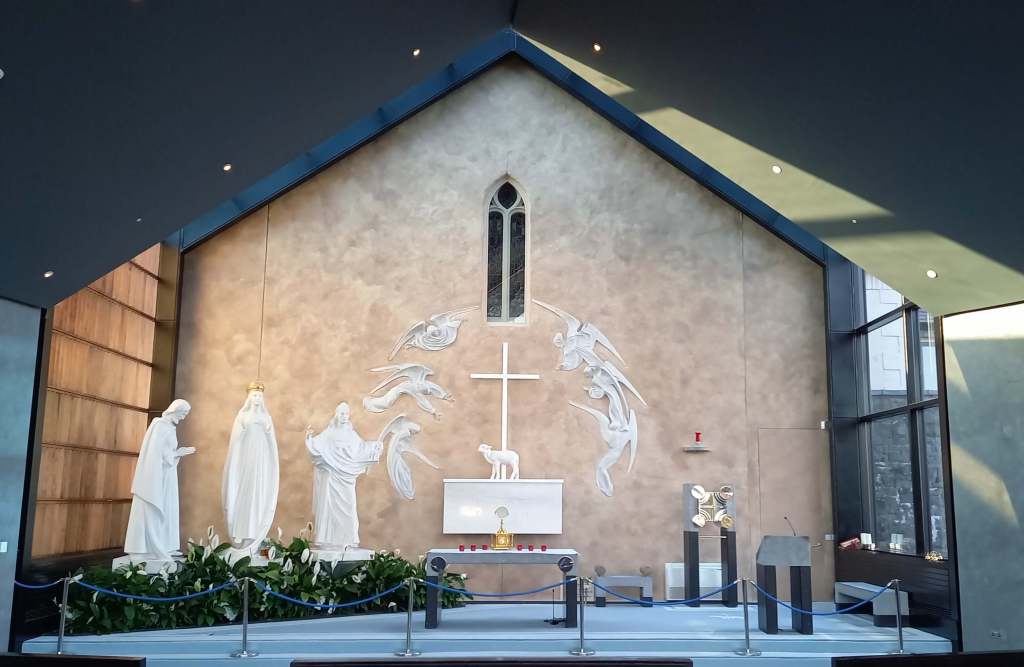
Upon arrival, I checked into a delightful and well-equipped AirBnB a short walk away from the Shrine, and shortly after headed over to explore. I was aiming for evening mass at 7.30pm, and had just enough time to wander its lovely grounds on this warm, sunny evening. The warmth and pleasing feel of the sun was even mentioned by the priest during his homily, so it must indeed be rare around there when otherwise the skies are dull, and wind, rain, drizzle and fog are the norm. It was a lovely mass, and I settled in for the night with a brandy and Tesco ready meal at peace. It had been a lovely first day, and I was looking forward very much to exploring more the next.
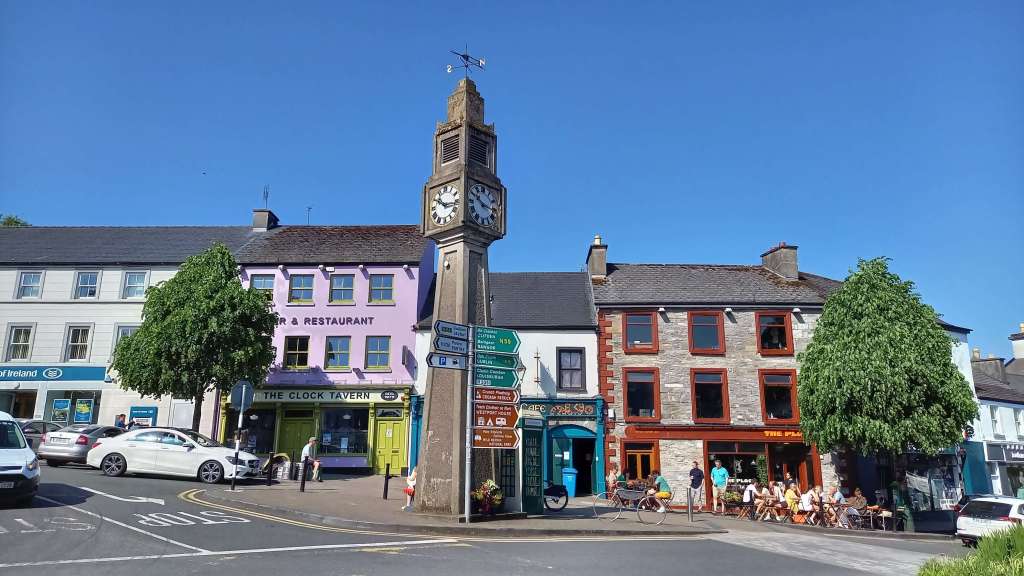
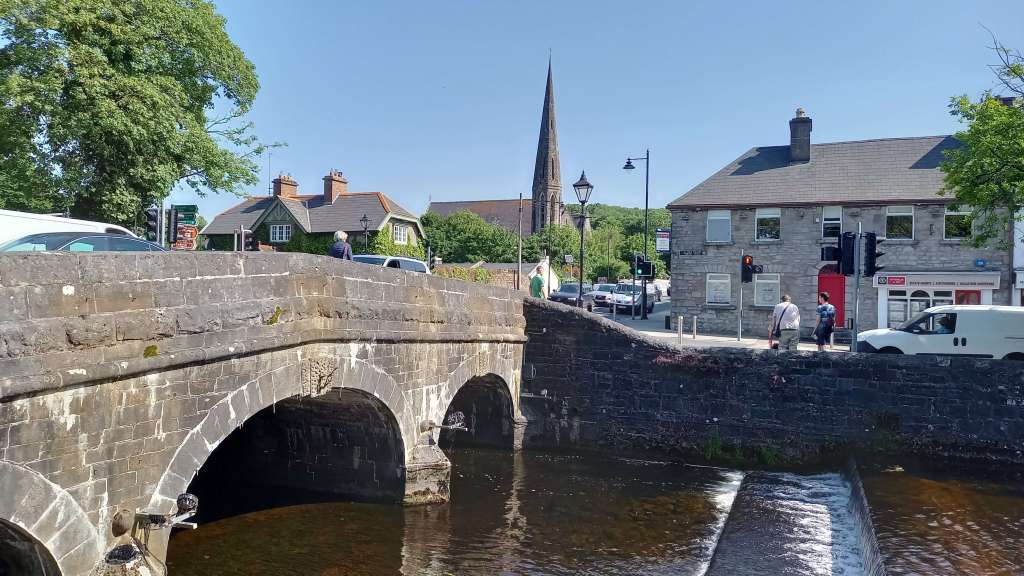
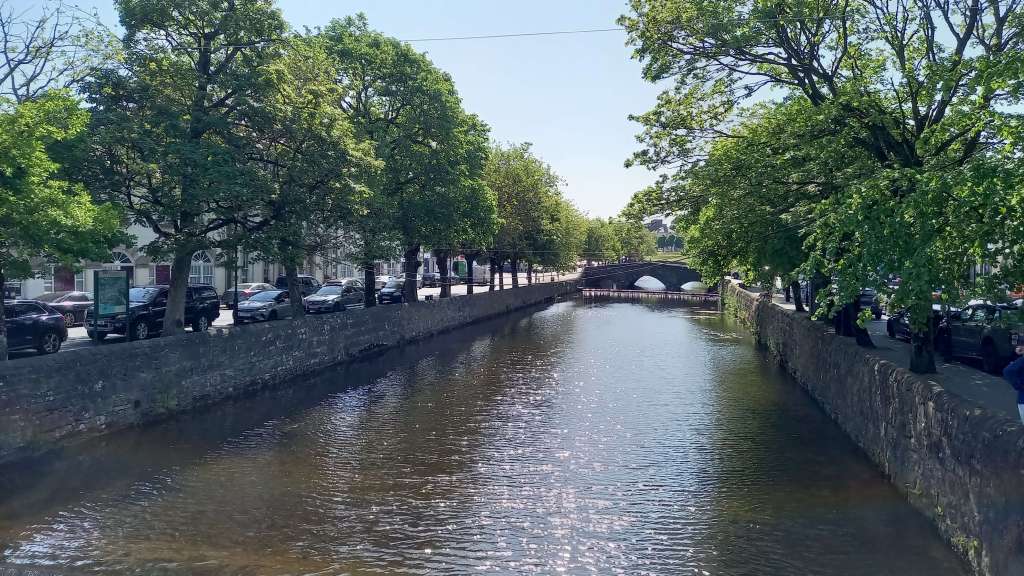
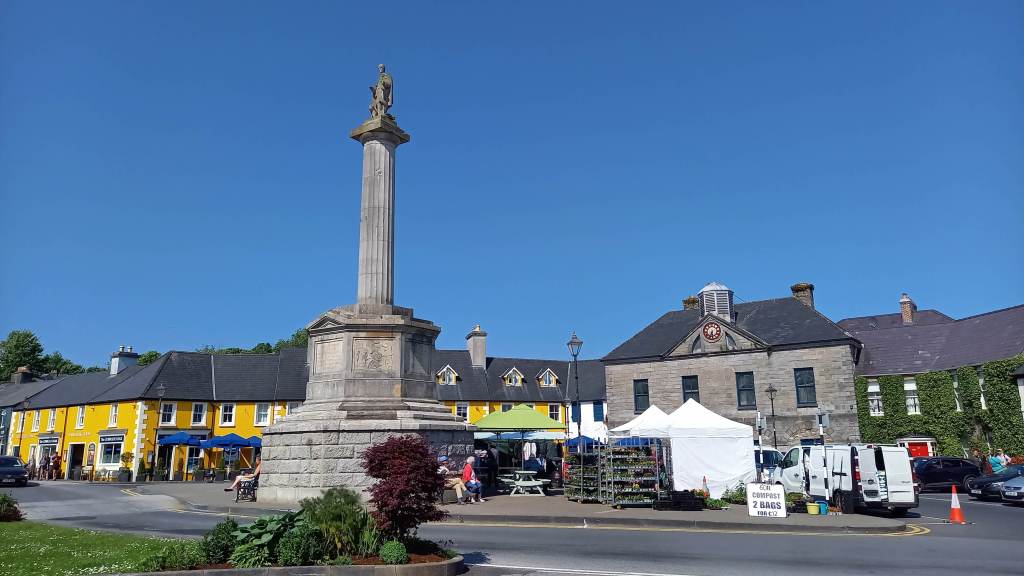
The next day I was heading out to explore more of County Mayo, starting first with a drive to the delightful little town of Westport. I parked up and had a lovely walk around, wandering its quaint little streets and shops, including a lovely old antique book shop I could have spent hours in, the tree-lined Carrowbeg River and its stone bridges, and the central square called The Octagon, centered around a column topped with a statue of St Patrick.
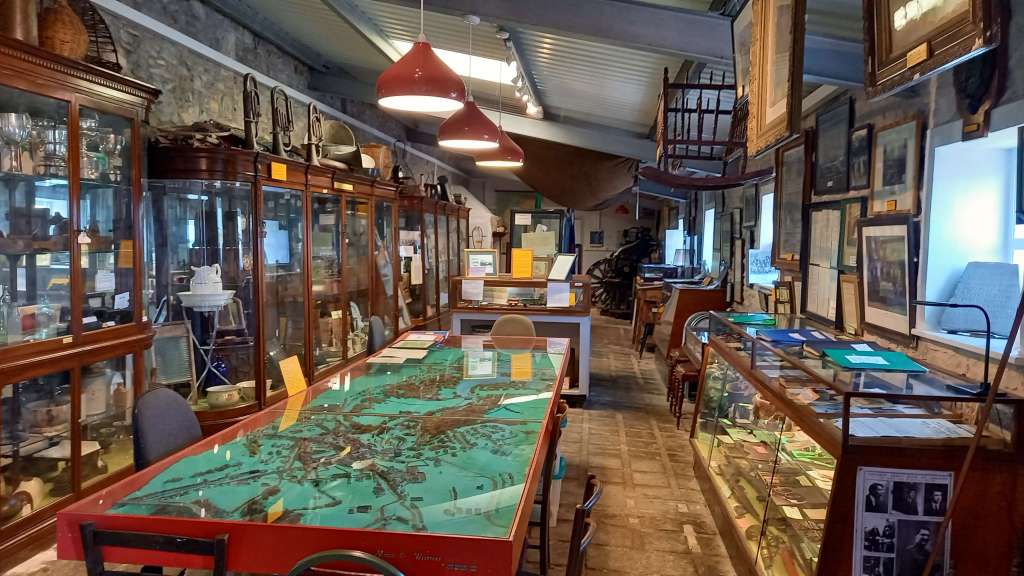
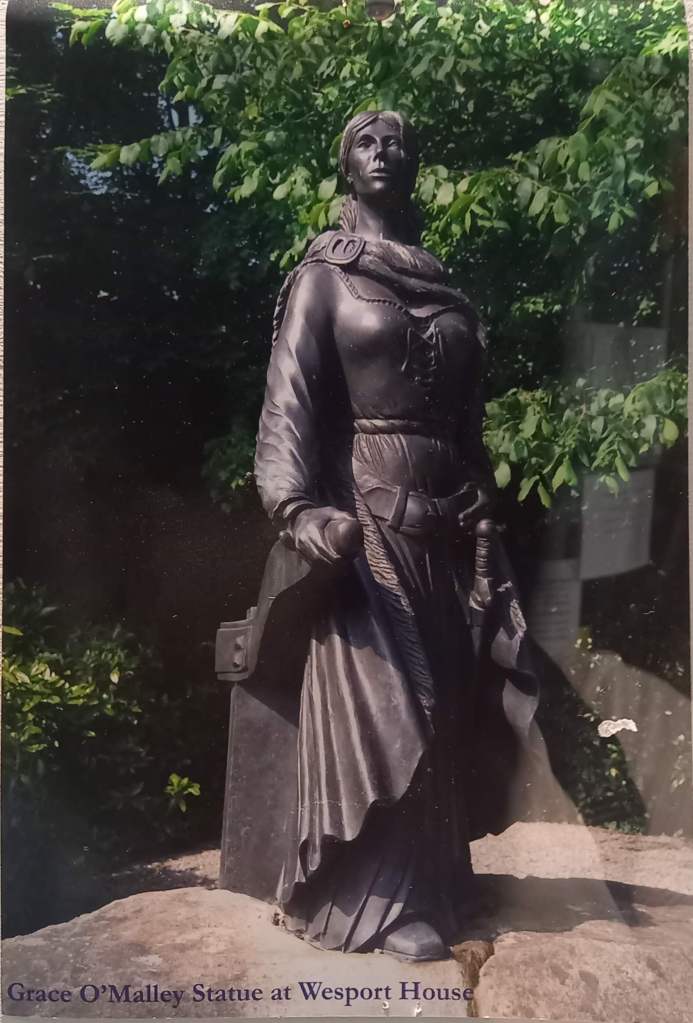
I then drove to the nearby harbour, past the town’s famous stately home Westport House which was unfortunately closed on this day, and killed a bit of time in the tiny Clew Bay Heritage Centre to learn quite a bit about the local area and its history, while waiting for my midday boat tour. This was the absolute highlight of the day, and I really enjoyed the 90-minute narrated jaunt around Clew Bay and its 365 islands, one for every day of the year they say. This was once the stomping ground of legendary 16th century Irish pirate queen Grace O’Malley, born on Clare Island at the far end of the Bay. After marrying in to the powerful nearby O’Flaherty clan, she went on to become tribal leader of the surrounding land and sea upon the death of her husband in 1560, controlling the waters against rival clans and even the English themselves. When two of her sons and half-brother were taken captive by Queen Elizabeth I, she famously met her in London to request their release. Despite refusing to bow to the English monarch, stating that queens do not bow to queens, she gained the release of her family as the English wanted her on their side to protect themselves against the threat of the upcoming Spanish Armada, who could easily have used the west of Ireland as a staging post to begin their English invasion.
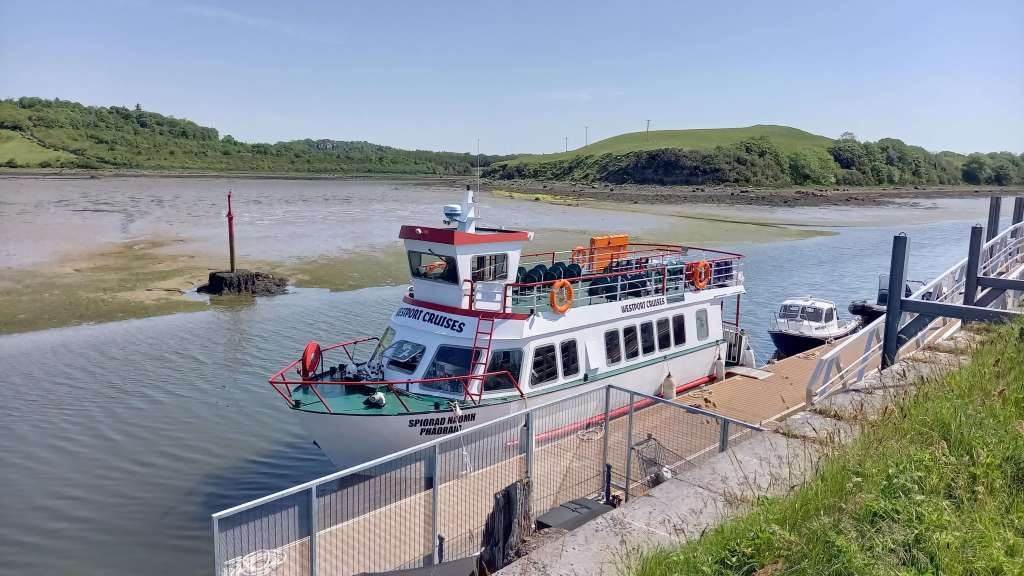
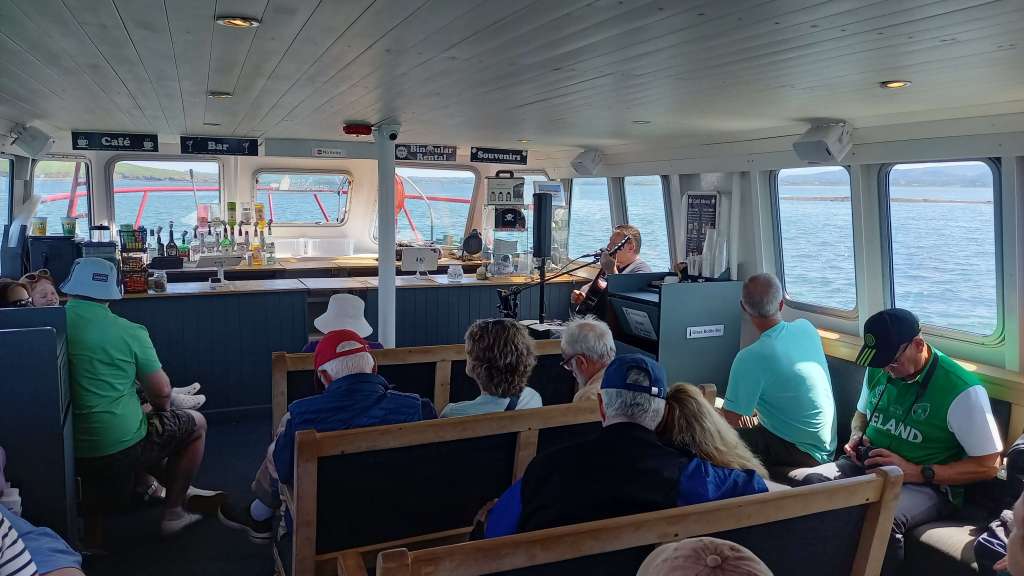
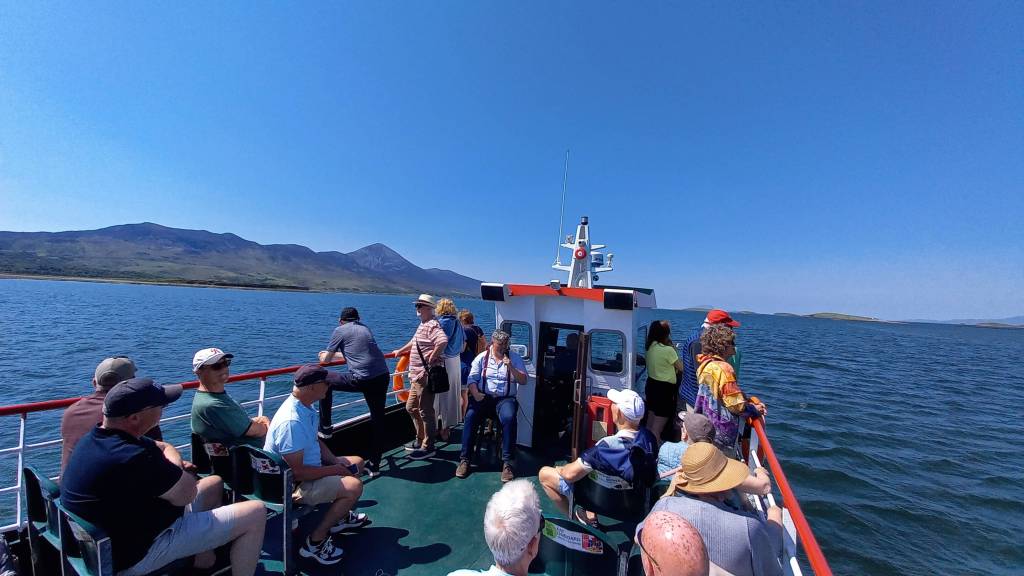
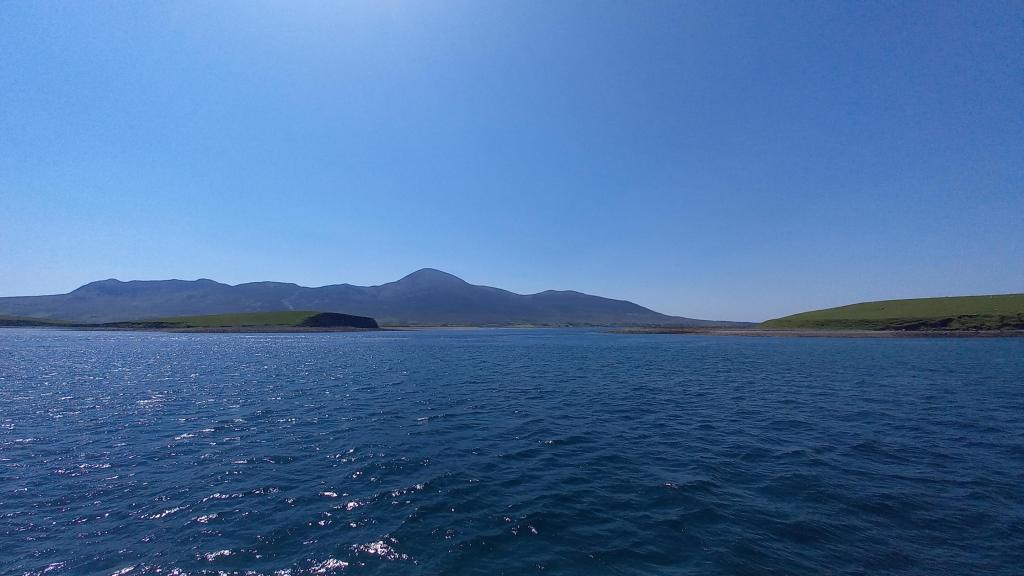
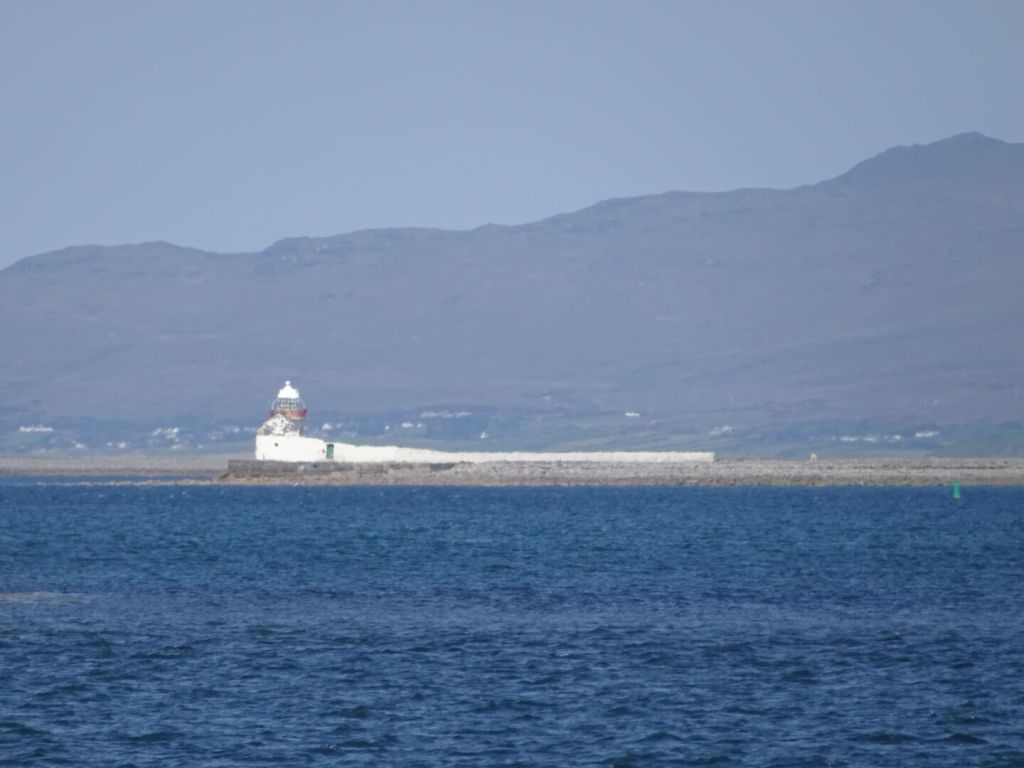
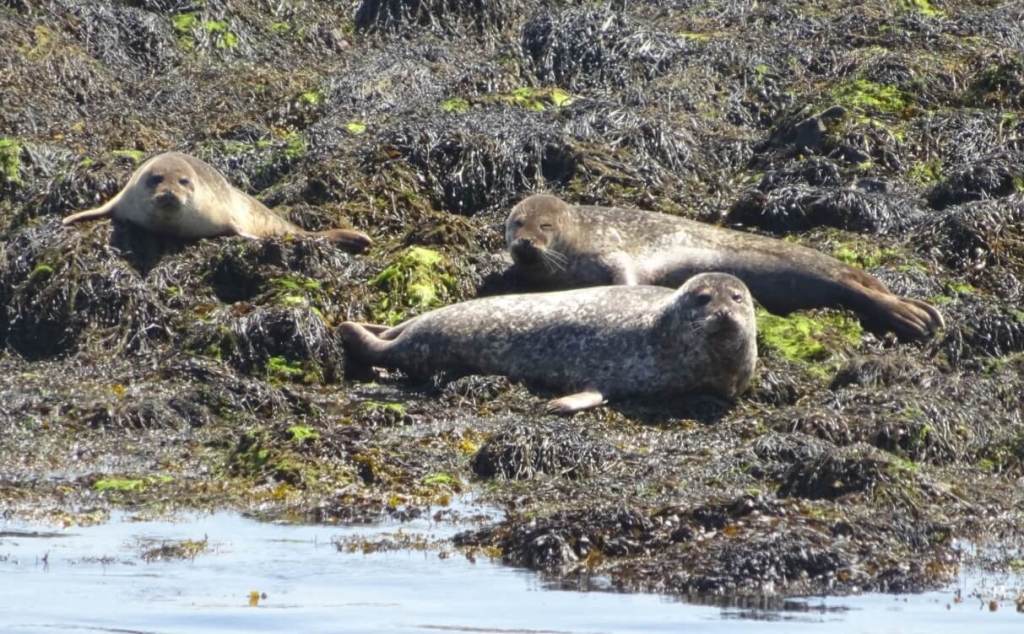
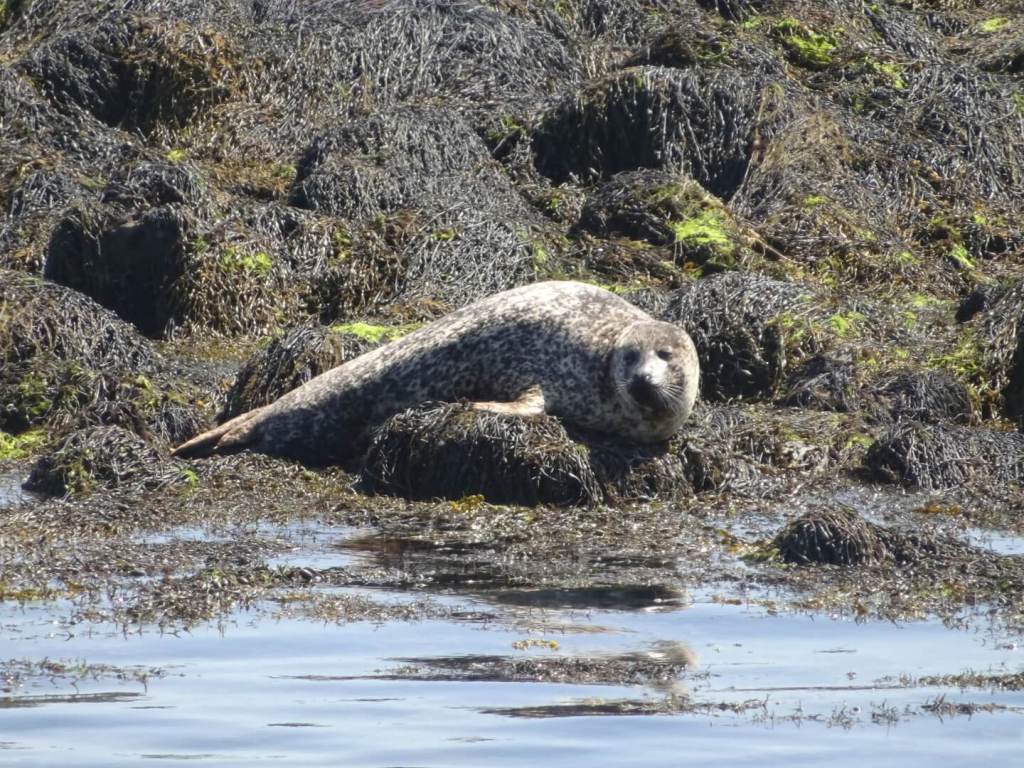
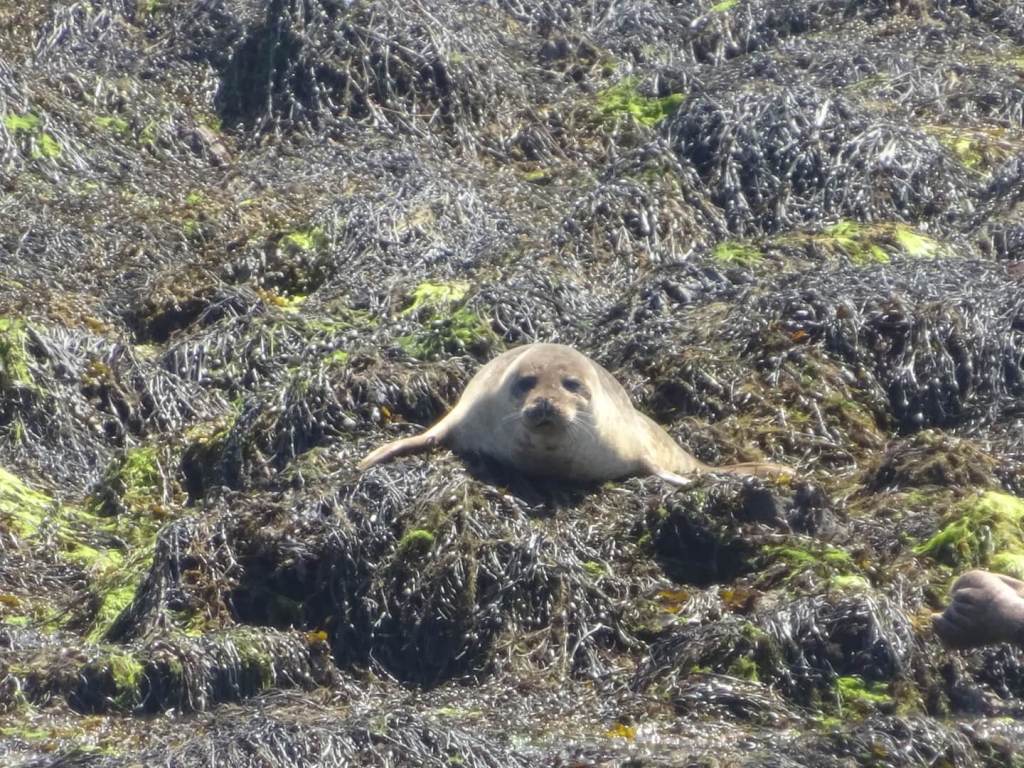
The bay tour included fantastic views of Croagh Patrick, more on that below, the 19th century Inishgort Lighthouse, the location of the tragic 1894 sinking of The Victory sailboat resulting in the death of 32 migrant workers on board, John Lennon’s Island, which the man himself had intended as a hippy retreat but which never really took off following his tragic death, and my favourite: the Seal Colony, home to both grey and harbour seals. We sighted several grey seals basking in the very rare sun, and the whole trip was a real treat given the absolutely wonderful weather! Apparently on the worst days, not much can be seen, and the narrator just has to encourage the tourists to trust him that these things are out there!
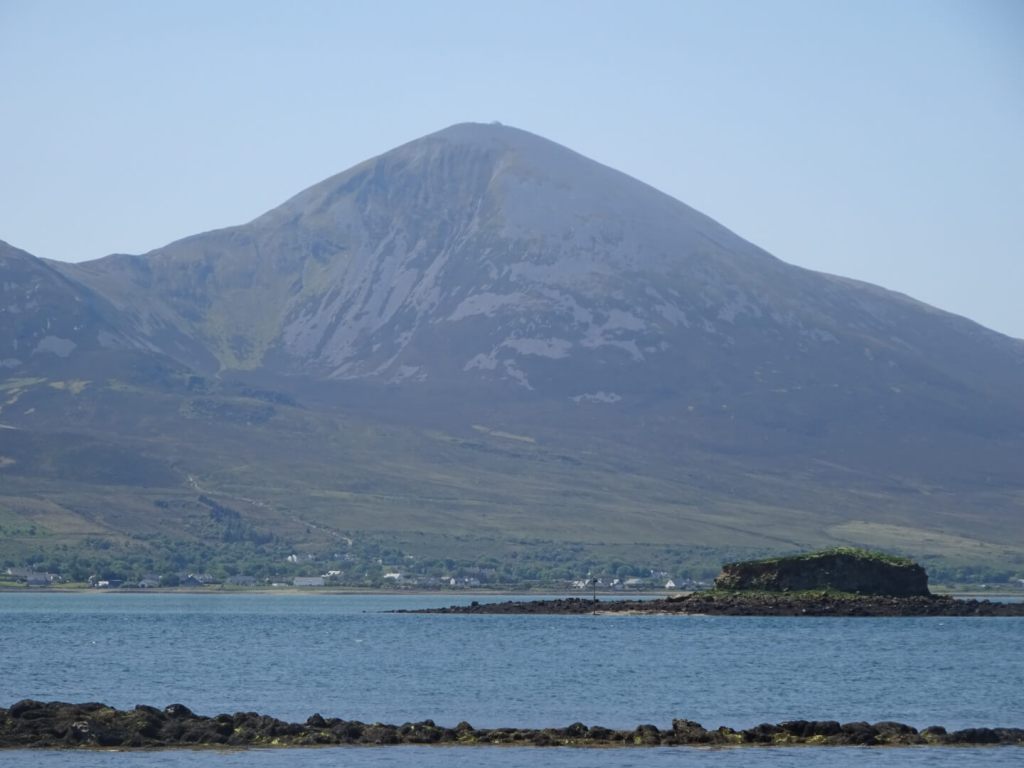
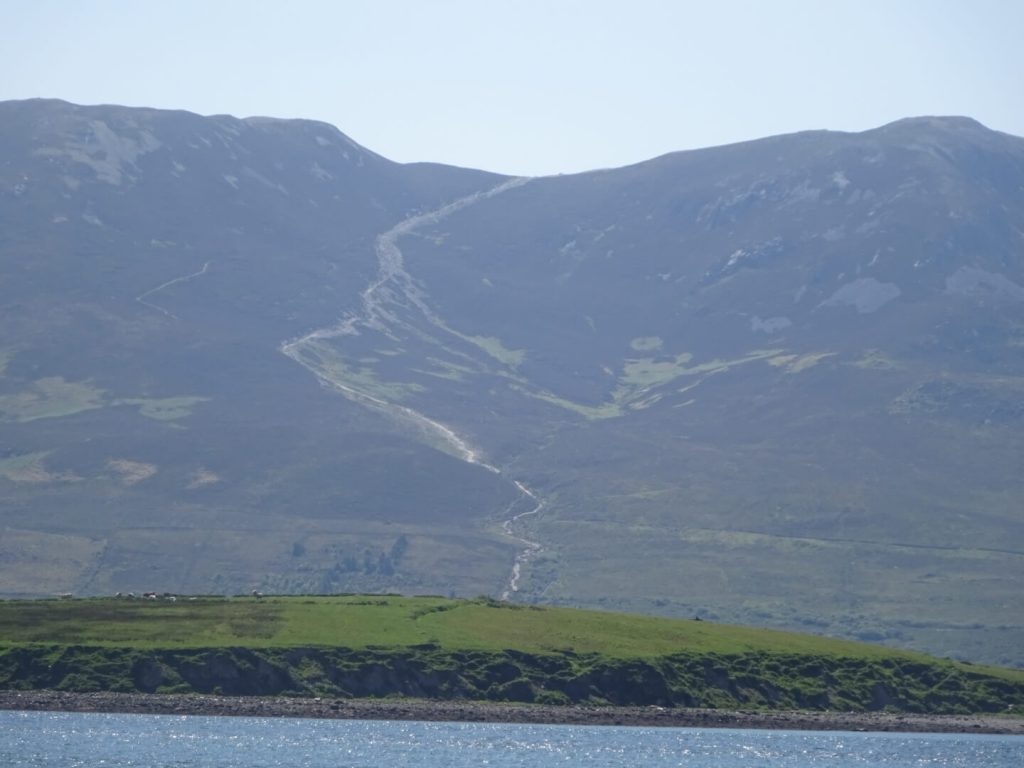
Back onshore, I drove to the foot of the afore-mentioned 765m-high Croagh Patrick. Ireland’s holiest mountain, it is really quite striking with its symmetrical triangular shape rising up sheer out of Clew Bay. Irish Patron Saint St Patrick is said to have fasted for 40 days and 40 nights atop this mountain in the 5th century, and it is another place related to his famous banishing of snakes from the island. In reality, there were never any snakes endemic to Ireland, and this banishment is believed to symbolise his conversion of the country from paganism to Christianity, dispersing evil in its tracks.
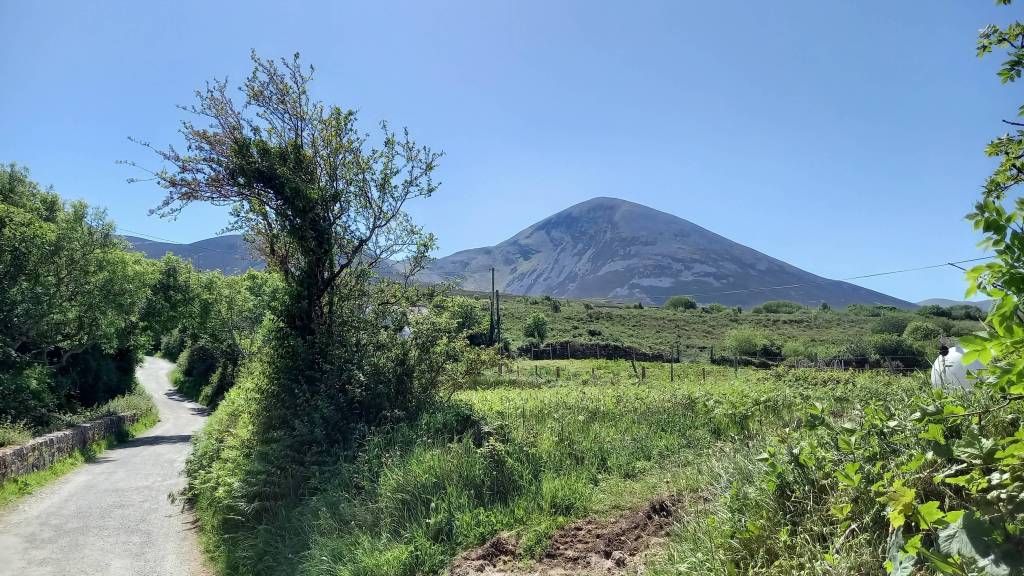
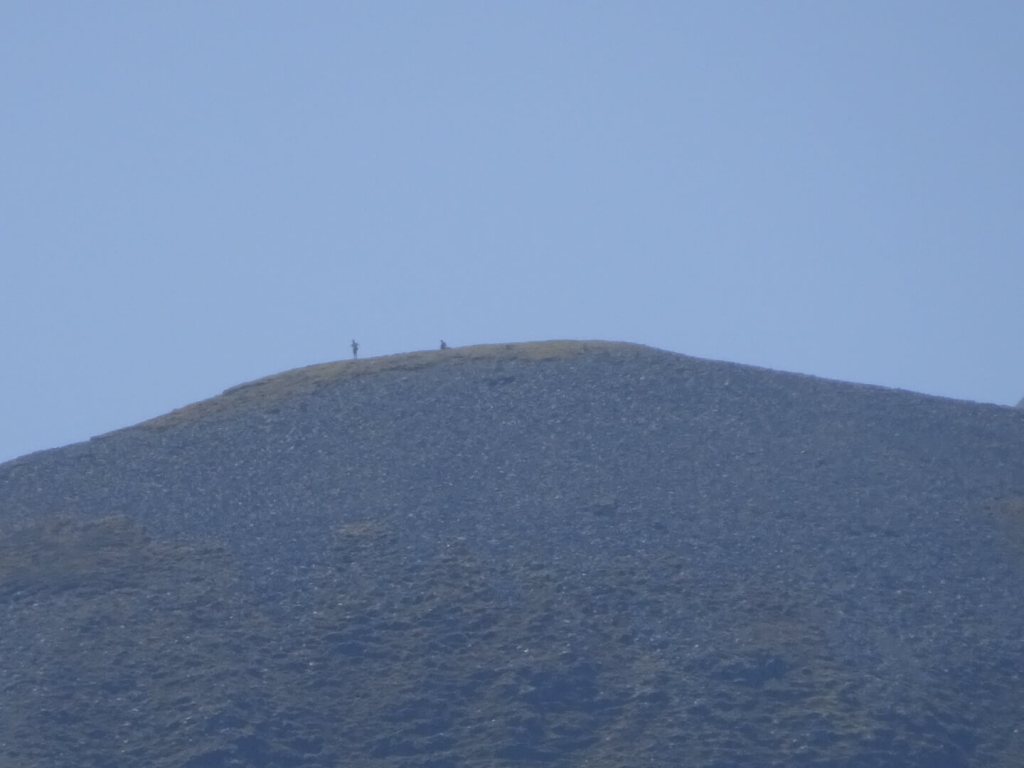
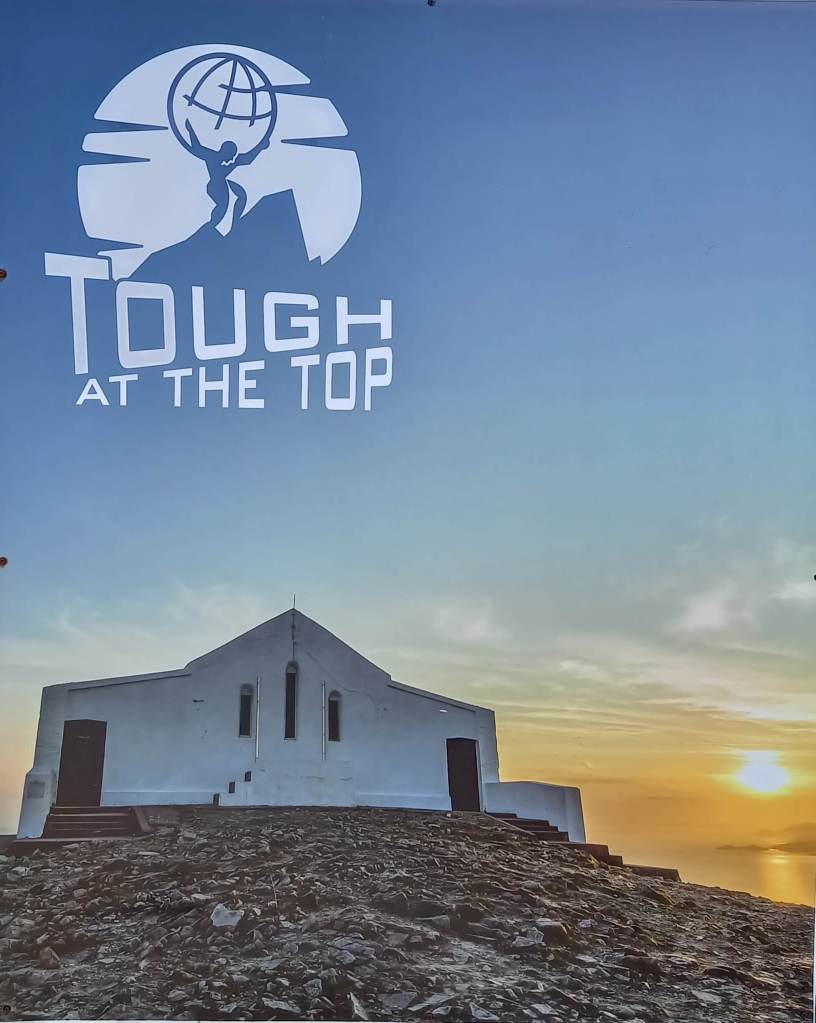
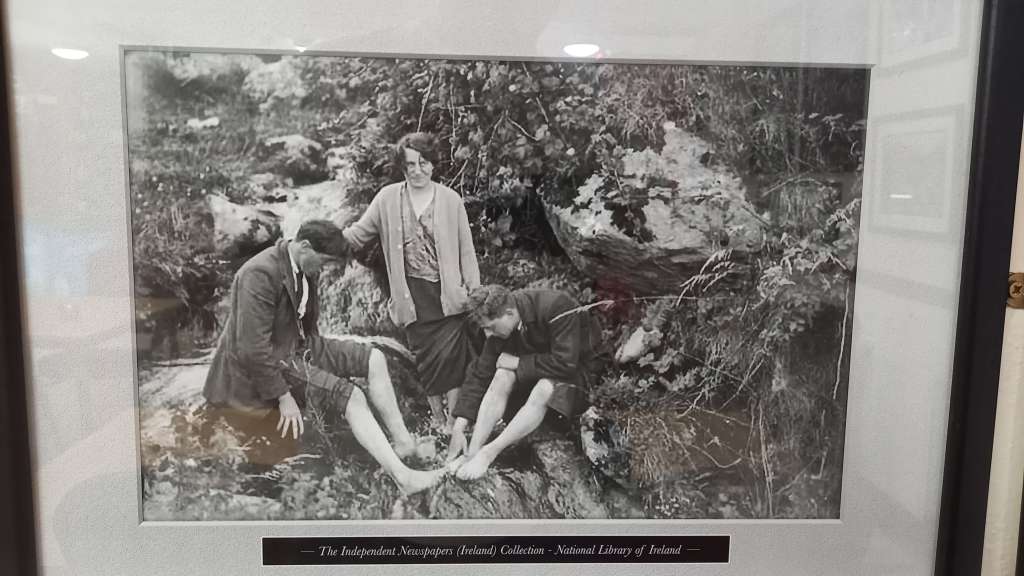
Due to the mountain’s holy status, pilgrims year-round climb it and visit the small St Patrick’s Chapel at the top. The busiest day for this is the last Sunday of July, when around 20,000 hikers make the steep climb, some of them barefoot out of penance! I just walked a very short way up the route myself, and talked to a few hikers returning – they said it was a hard hike on this day due to the hot weather, but they seemed happy and contented. Well done them!
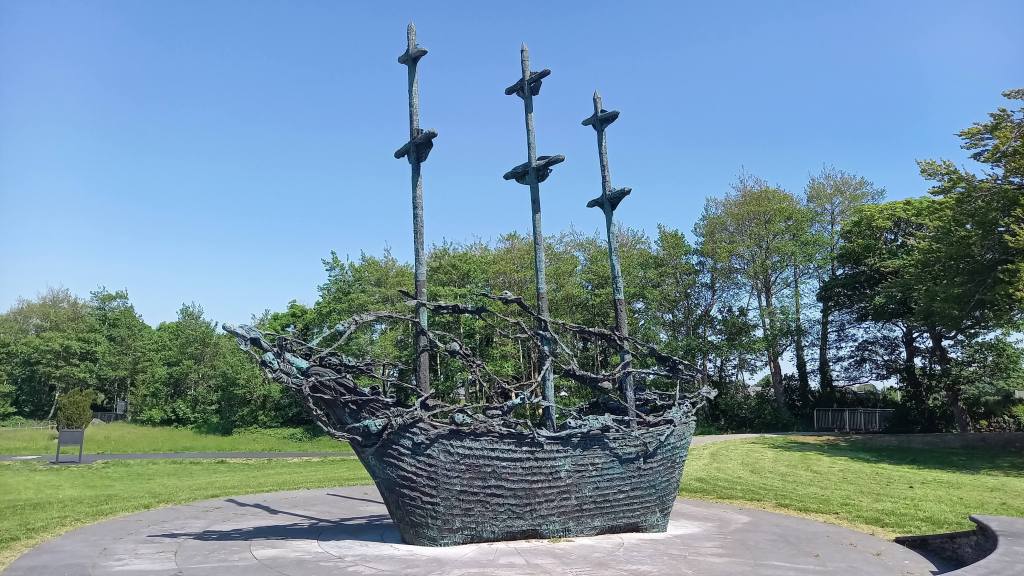
Nearby I took in the haunting National Famine Monument, unveiled in 1997 and dedicated to the million souls who perished during the dreadful Irish Potato Famine of the mid-19th century. Counties Mayo and Galway were the worst hit apparently, with approximately 25% of the people dying at this time.
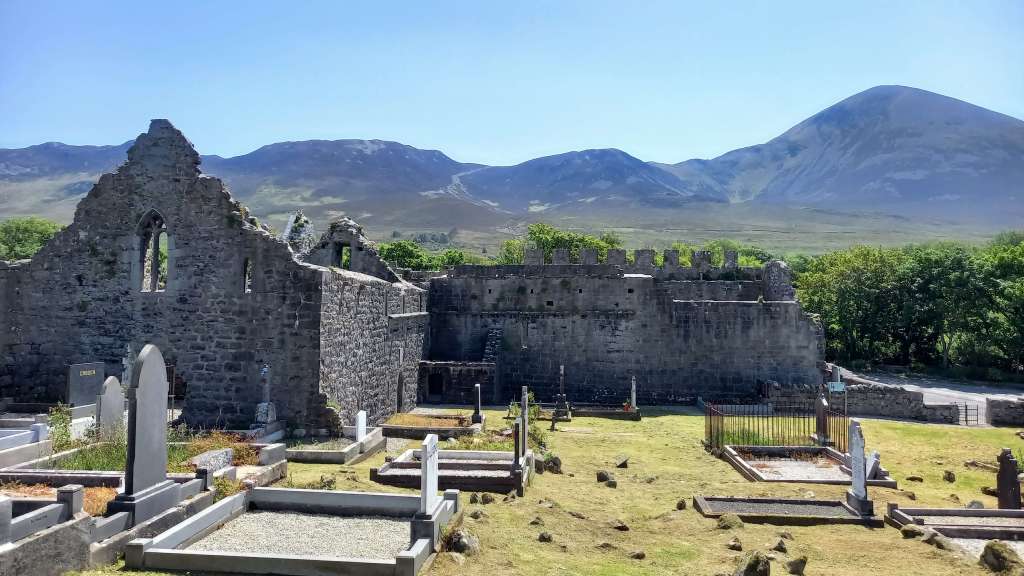
A short walk from there took me to the ruined 15th century Murrisk Abbey, beautifully lapped by the shores of Clew Bay and with Croagh Patrick rising up majestically behind it – there were great views to be had from there.
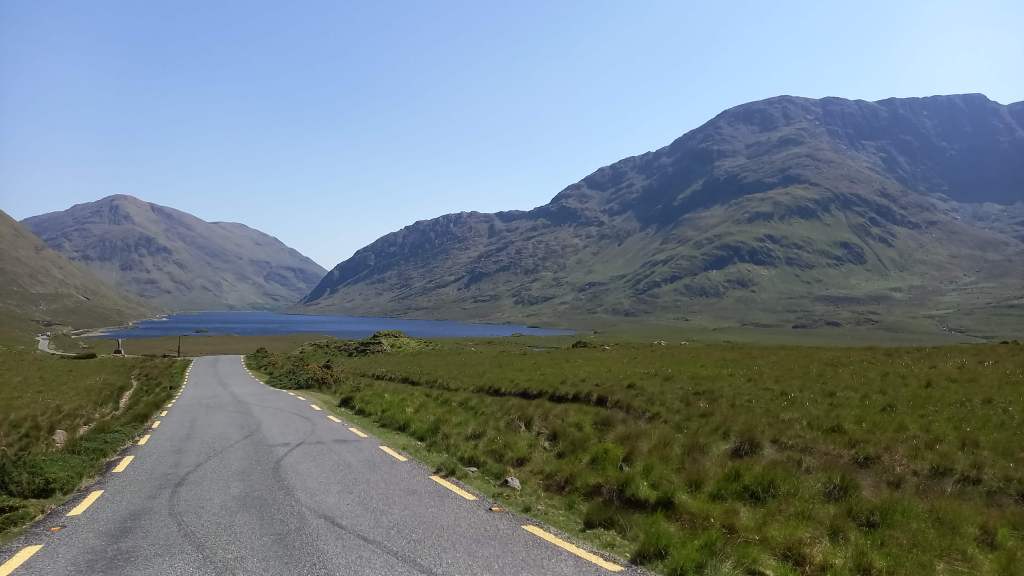
Speaking of great views, my drive from there on to County Galway took me through the absolutely stunning uplands of the Doolough Valley, past high altitude lakes, craggy peaks, and often sheep on the road. I then skirted the equally-stunning Killary Fjord, Ireland’s only fjord extending ten miles inland, and created by glaciation around 20,000 years ago.
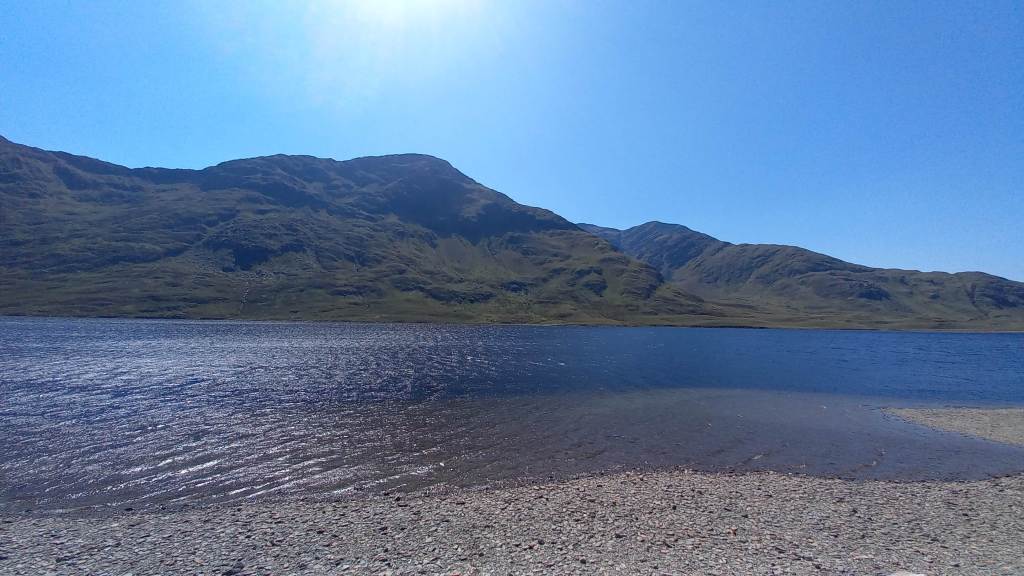
Killary Fjord also forms the border between Counties Mayo and Galway, and since my next entry will be relating my explorations of the latter, I will pause here, and continue in my next.

 Alex Waring's Travel Blog