
29th May 2026
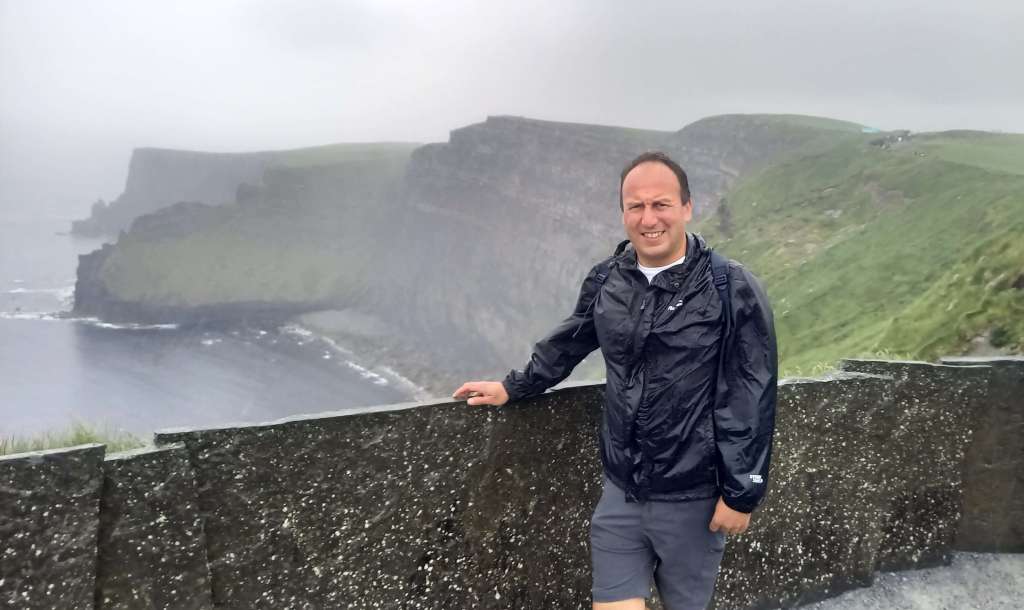
Hello and greetings once more from the lovely Emerald Isle. This is my second of two blog entries on my mini visit to the West of Ireland. The last one was on my time mostly in County Mayo and a bit of County Sligo, this one is on my time mostly in County Galway and a bit of County Clare.
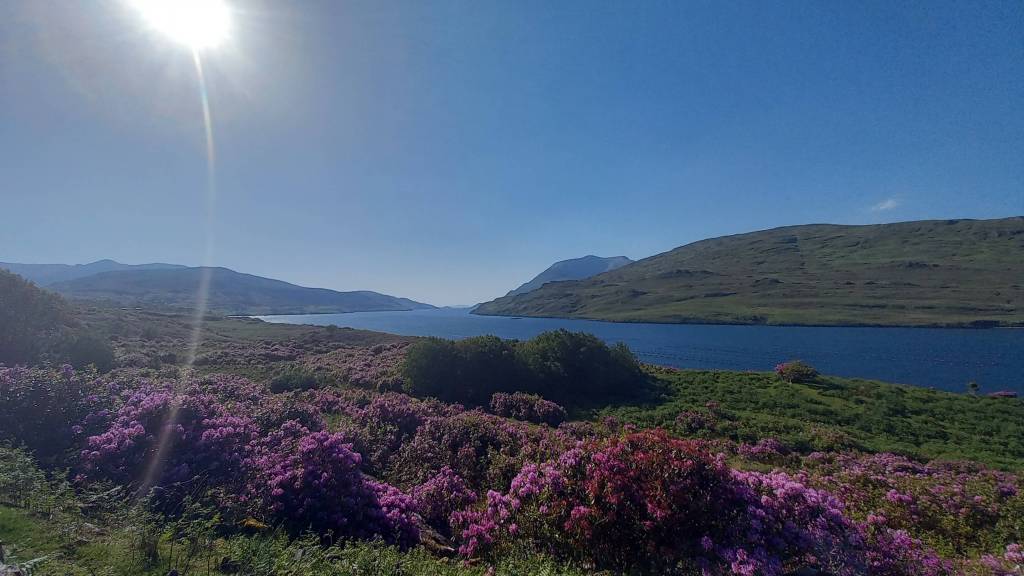
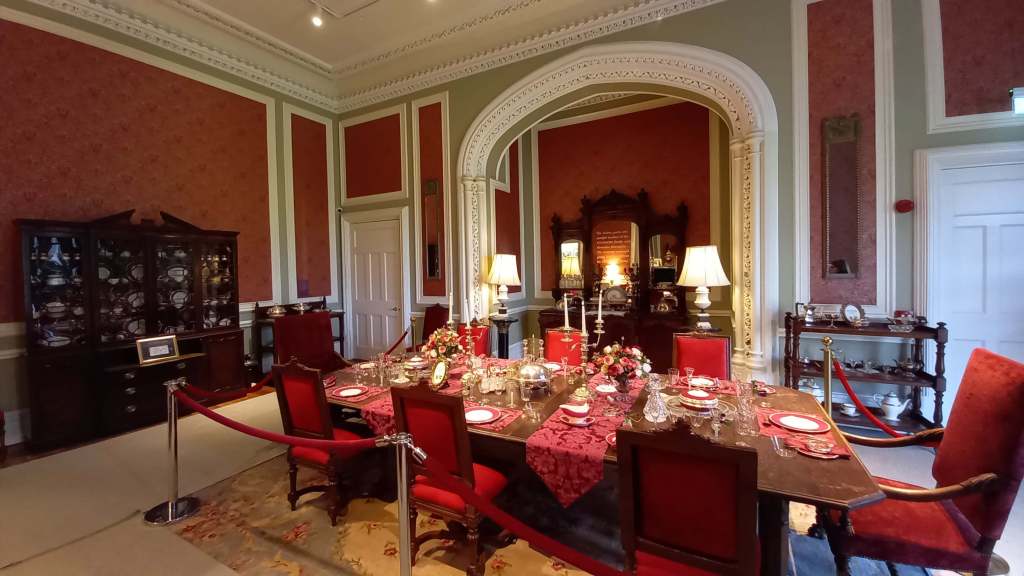
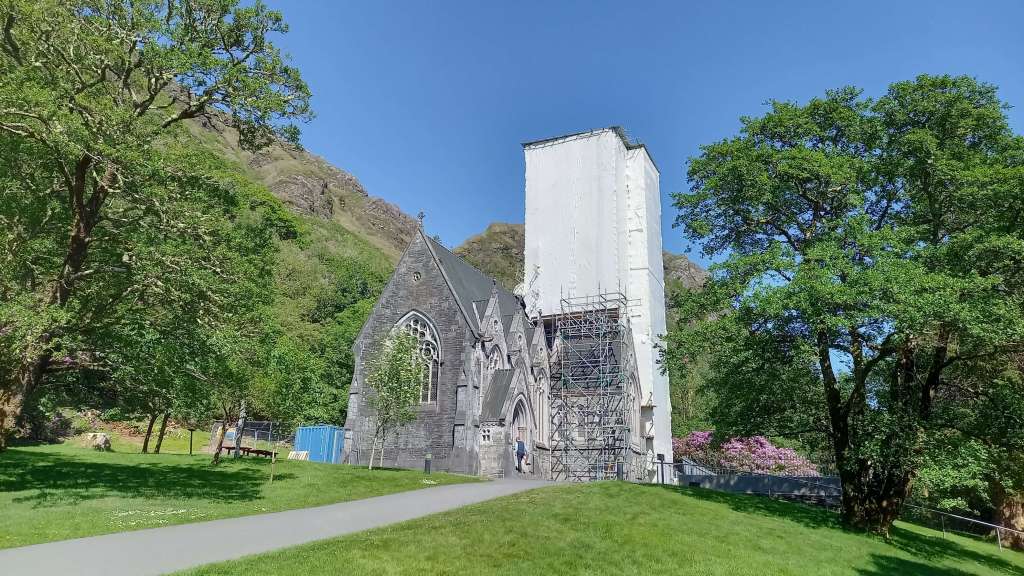
I last left off circling the beautiful Killary Fjord, and thus crossing over the border from Mayo to Galway. I was heading onto the Connemara Peninsula, and its beautiful 19th century Kylemore Abbey on Pollacapall Lough, home to a convent of Benedictine nuns since 1920 after they purchased it from the wealthy Henry family from London who had it built in the 1840s.
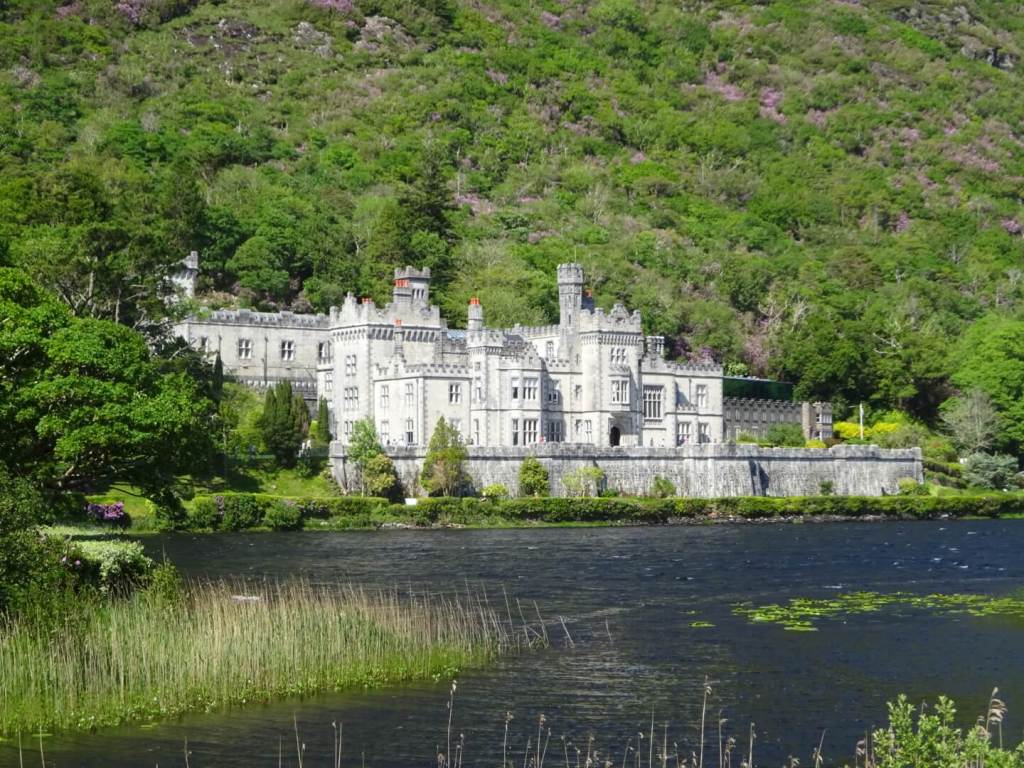
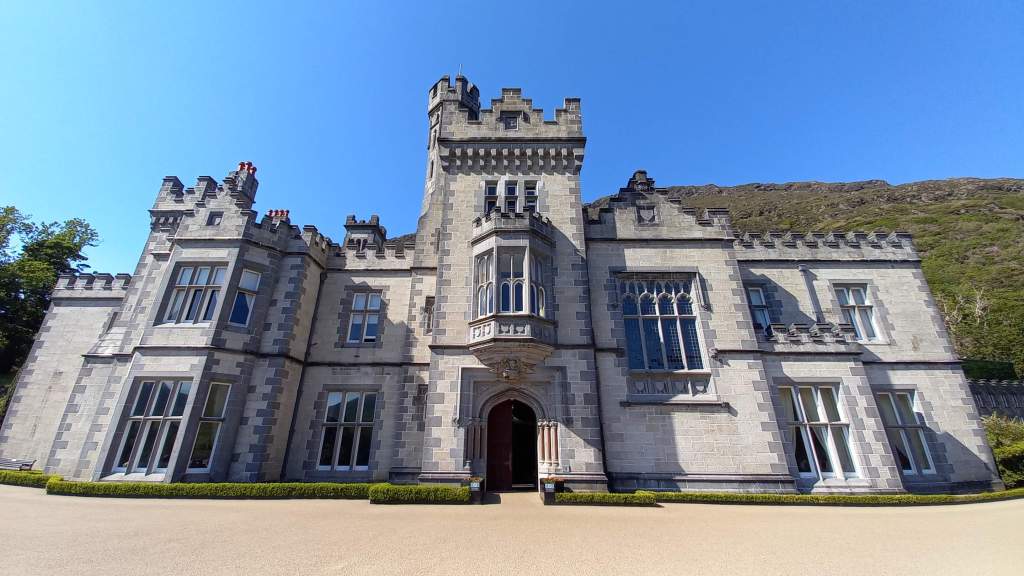
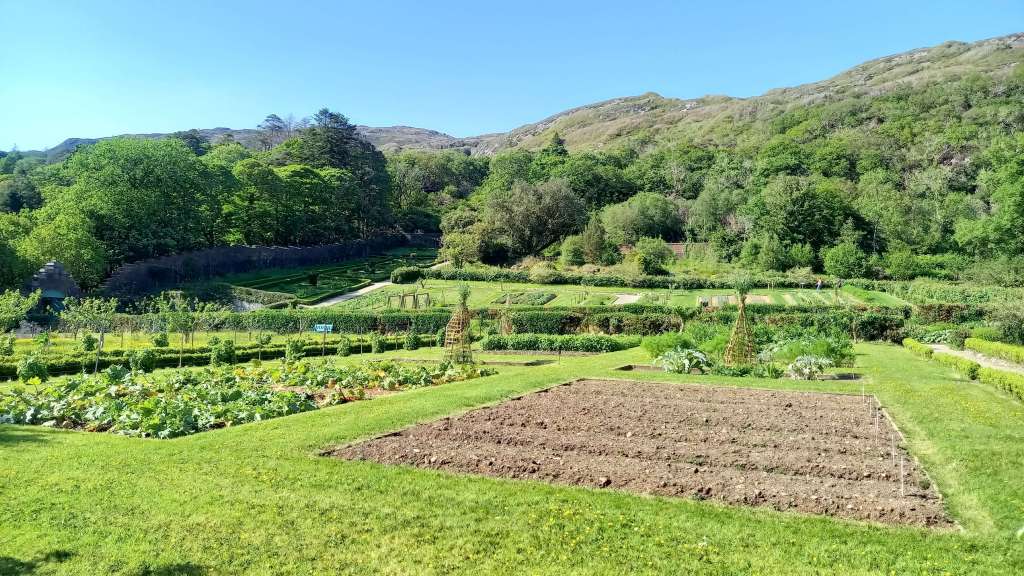
The place is lovely, and very much a top destination on the west coast of Ireland. Not only can you visit the original house and former convent building, there are also extensive grounds to explore. I would dare to say that it was even a tad too hot on this day to comfortably enjoy all of my walk around, so I was glad that most of the paths were tree-covered and that there was a bus connecting the two furthest corners of the place. Onsite there is also the Gothic Chapel and Victorian Walled Garden, interspersed by lovely lakeside and forested paths. As it is still a working monastery, there is also a peaceful chapel where I stopped at the end of my visit to cool down somewhat and also avoid the crowds, which had pretty much dispersed by this time as it was nearly closing time. It would be a lovely place to spend the whole day I think, wandering its extensive grounds and even hiking up the hill looming up behind.
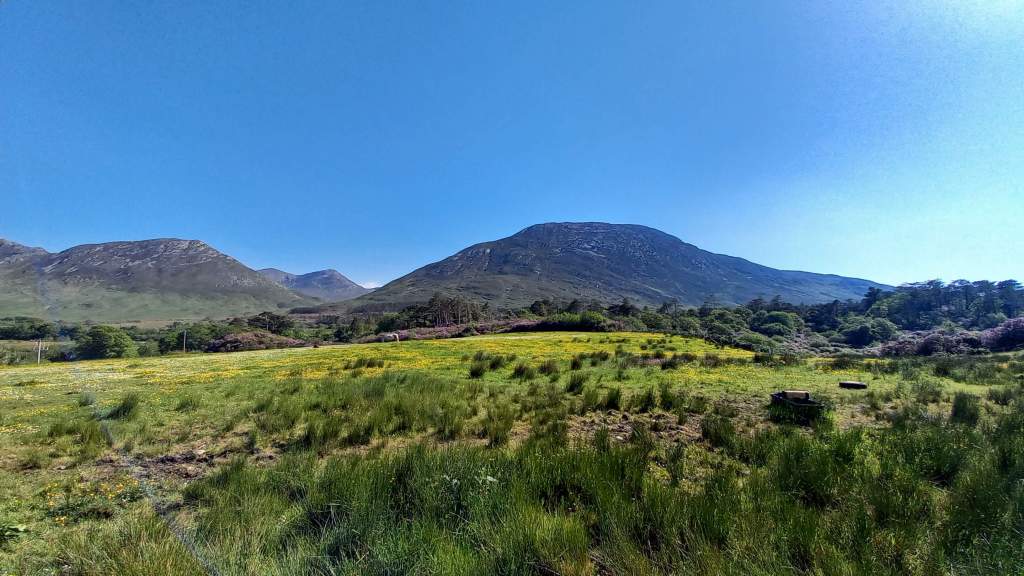
Driving back to Knock for the night, the landscape was again of pure green, with sunny blue skies above reflecting off shimmering blue bodies of water all around. It was just gorgeous.
The next morning began a lovely second full day on this trip, mostly exploring County Galway, and a little bit of County Clare. After two days of glorious sunshine and warmth, the weather turned, back to the usual west of Ireland apparently. A security chap at the airport on my way back said that the day before had been the best weather he’d ever seen in Ireland during his lifetime, and he must have been in his 50s! It was 28°C with sunny blue skies all day, while on this day it was cloudy and grey, around 16°C, with intermittent rain – now that’s more like it!
My first drive was two hours first south along the M18 motorway towards Limerick, where I tried out my car’s sixth gear and took advantage of the 120kmph speed limit, and then west along much more humble roads of the windier, narrower variety. It is actually in this part of the country where the house featured in the fantastic Irish comedy series “Father Ted” is located, though it’s apparently difficult to get to and not open to the public, so I left out visiting it. I was heading instead to the stunning Cliffs of Moher in County Clare, one of Ireland’s top attractions, and I was glad to be able to fit it in on this trip. The heavens opened upon arrival, with horizontal rain, and I felt like I was back in Ireland again, lol!
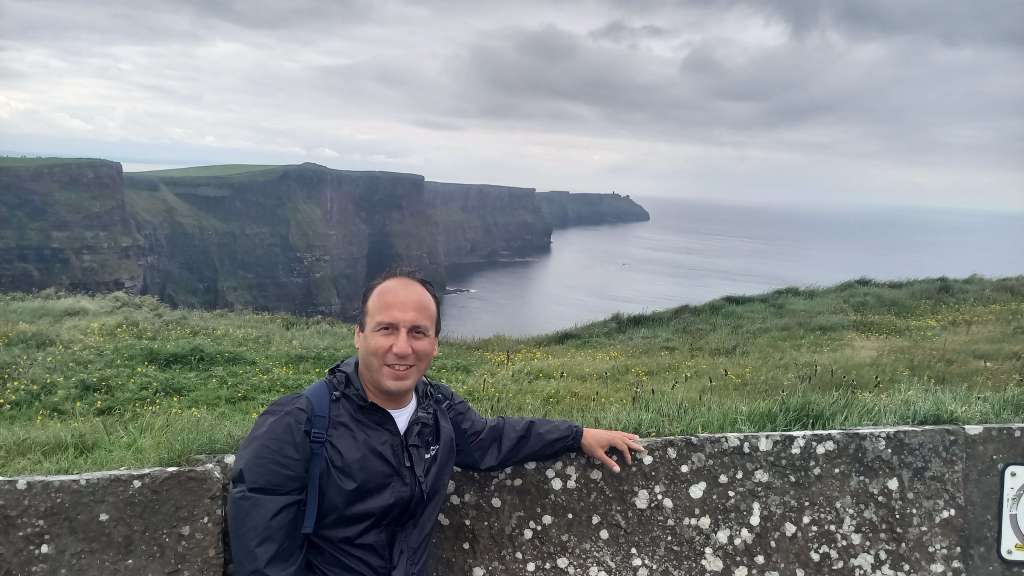
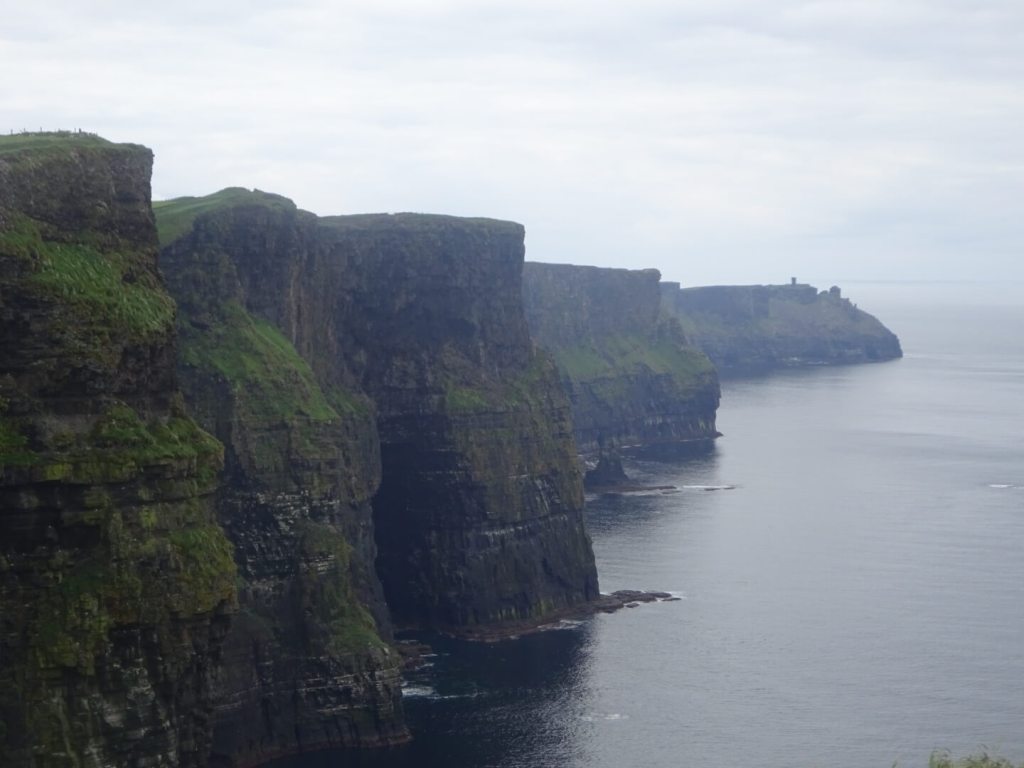
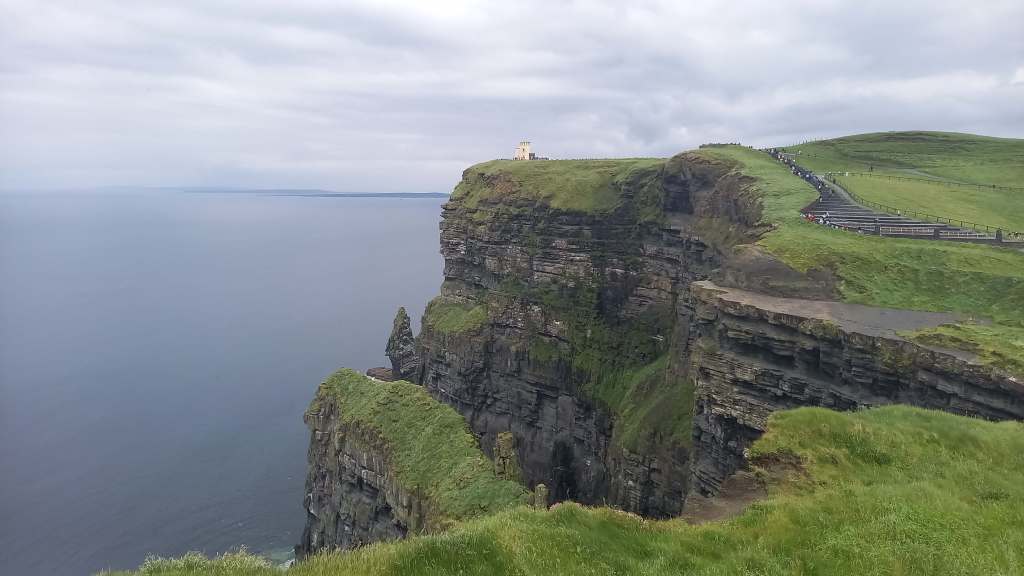
As mentioned, one of Ireland’s top attractions, the Cliffs of Moher rise up vertiginously over 200m above the crashing Atlantic Ocean waves below, and stretch for some eight miles from north to south. Some 1.5 million visitors head out there each year, making it Ireland’s top natural attraction, and it was certainly the busiest place I visited on this trip. I enjoyed a lovely bracing walk up and down the walking area, with stunning views over the bird-filled cliffs and over to the Aran Islands beyond, passing by lots of American accents along the way. Ireland seems to be a top visiting destination for the global Irish diaspora, many of whom arrived in America during the dreadful mid-19th century Great Famine. I noted the similarities between Irish and American accents, both being quite bold and sing-songy, and wondered how much the latter has been influenced by the former over the years.
After a fresh and uplifting two hours exploring, I then headed up north through more windy roads and a particularly notable switchback descent called Corkscrew Hill behind a large bus skillfully navigating the most hairpin of turns, to the city of Galway. Ireland’s fourth largest city after Dublin, Cork and Limerick, with around 85,000 inhabitants, it very much felt I was in an urban area again after lovely and peaceful rural explorations thus far. It was busy, and I got the feeling that Ireland was like New Zealand for me – I appreciated it more for its stunning rural beauty and charm, rather than its cities.
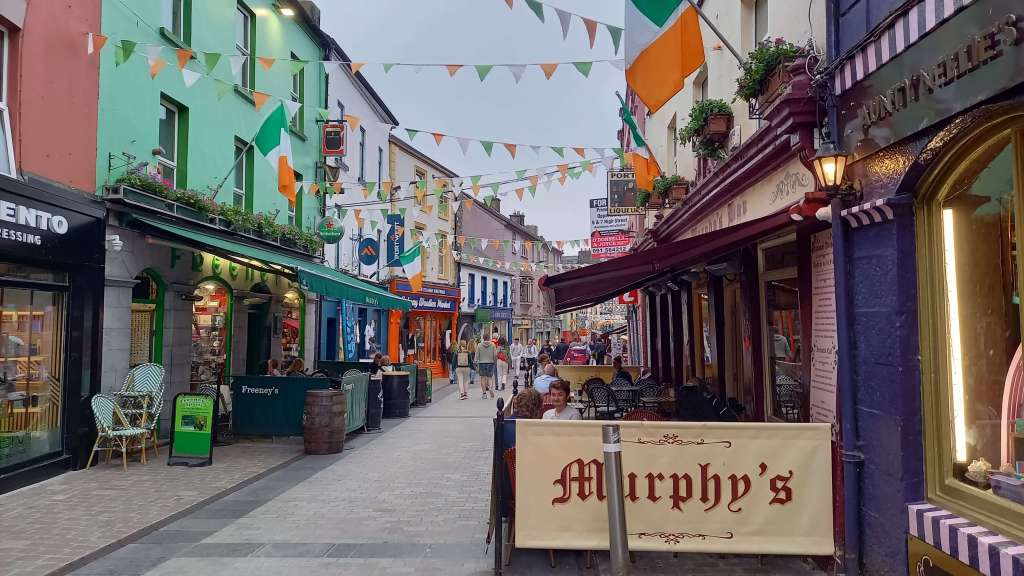
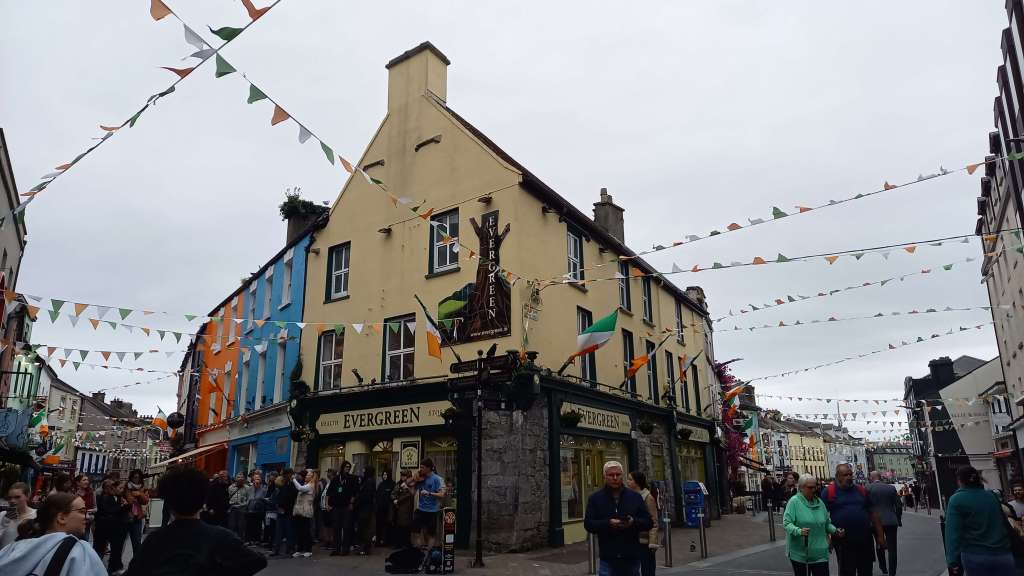
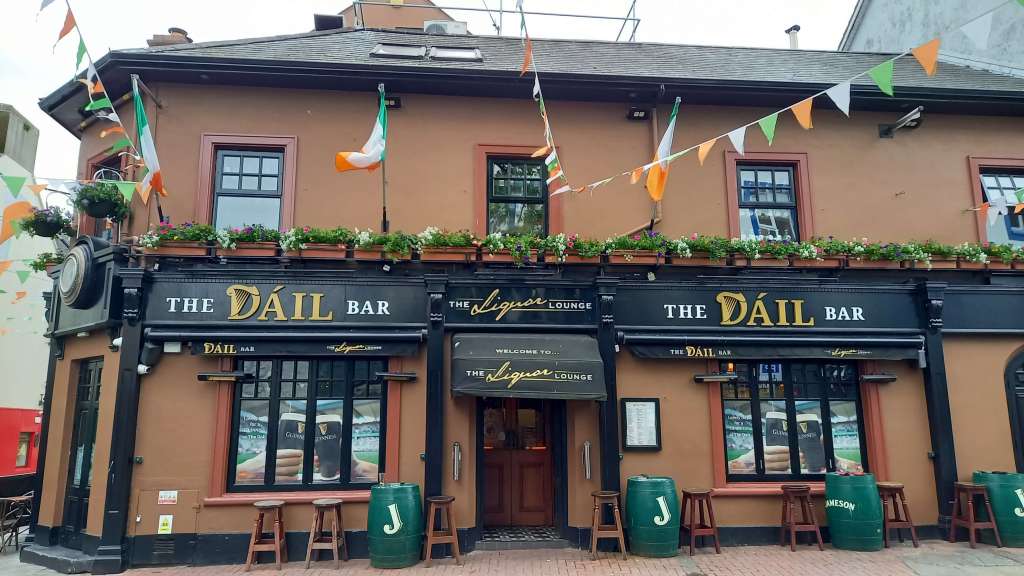
Having said that, I still enjoyed my walk around town, with its notably bohemian atmosphere and streets filled with pubs and Guinness signs. As with many Irish settlements of size, Galway is also situated around a beautifully clear river, and I enjoyed walking along the lovely River Corrib there, along with a visit to impressive Galway Cathedral, and Spanish Gate dating back to the times of its medieval walls and 16th century connections with Spain. In fact, so connected were Spanish sailing vessels and merchants with this part of the west of Ireland, that Galway was often considered more Spanish than Irish at the time, and some Irish complexions today are more of the Mediterranean type as opposed to Celtic as a result.
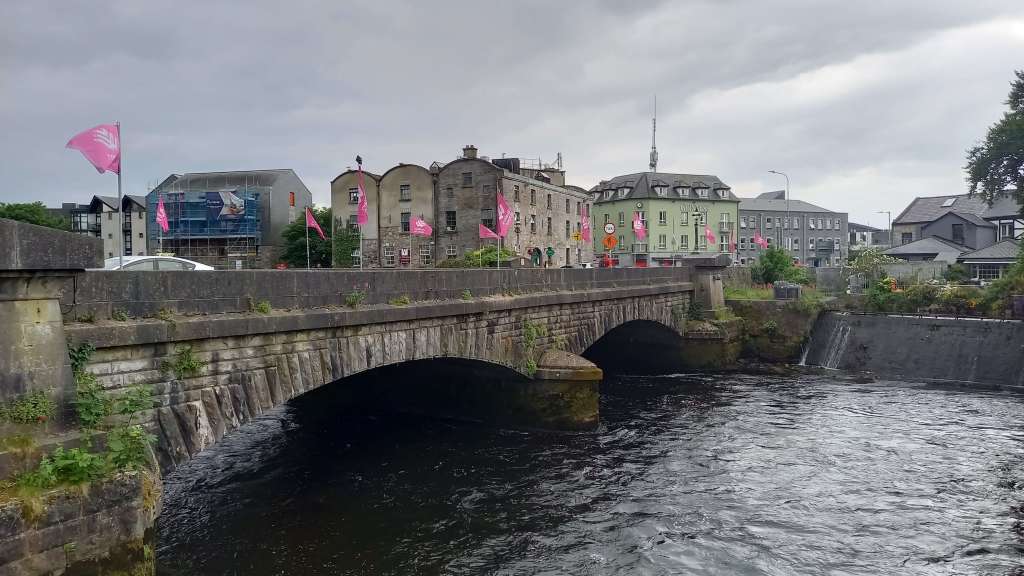
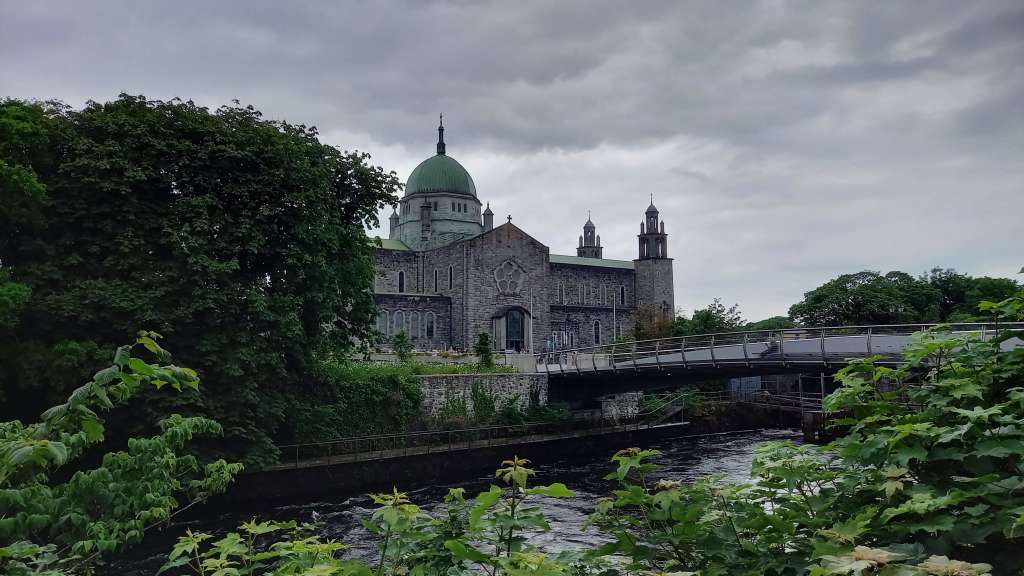
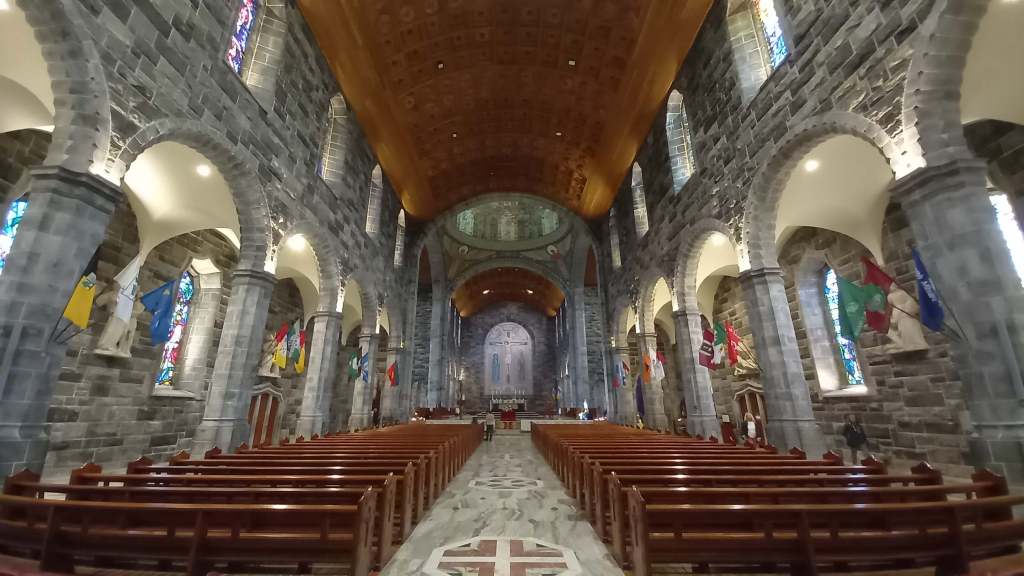
A final walk through the happening city centre filled with shops, cafes and pubs in turn filled with a fair number of quite merry people, took me back to my car and out of the city. After driving through the afternoon rush hour and traffic, it was actually a relief to be back and driving the narrow, windy and beautiful Irish country roads again, back once more in the stunning Connemara Peninsula.
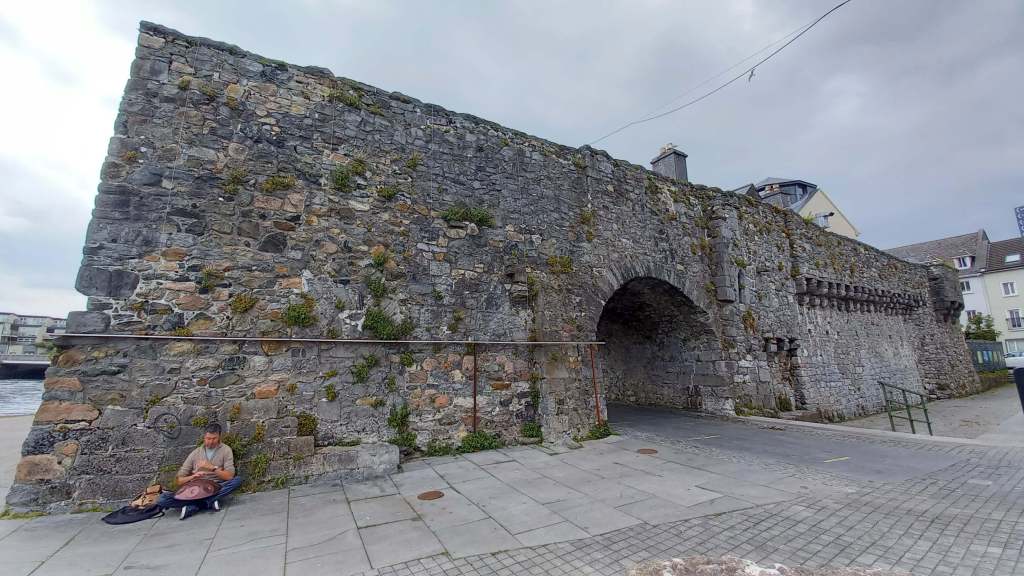
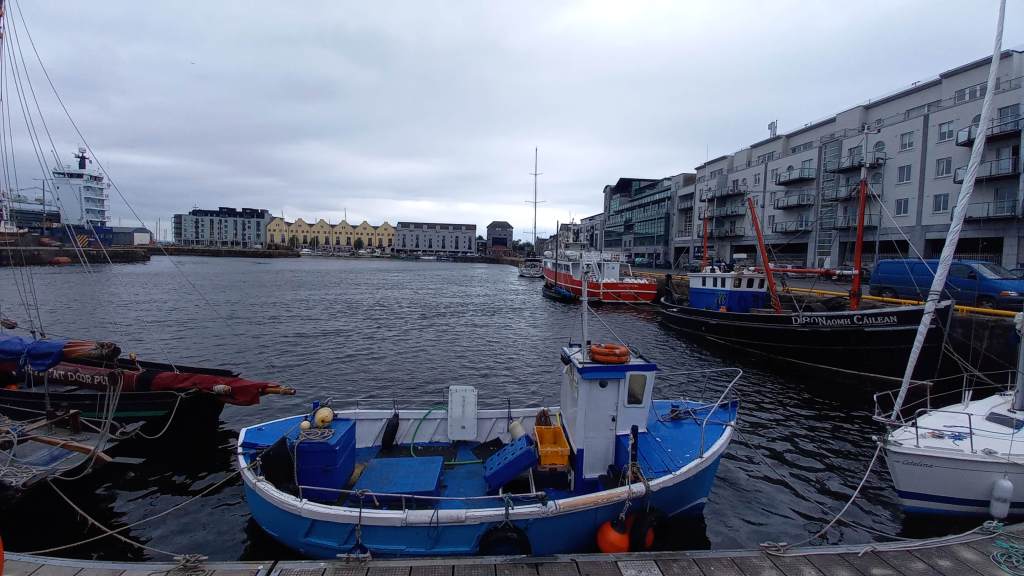
I was now heading on to County Galway’s best preserved Tower House apparently, the 15th century Aughnanure Castle, and former stronghold of the wild O’Flaherty Clan. Rebellious against the English garrisoned in Galway, the O’Flaherty’s also had links to legendary Irish pirate queen mentioned in my previous blog, Grace O’Malley, when she married into the Clan and subsequently left two of her sons in charge of it while she marauded away back up north in Clew Bay.
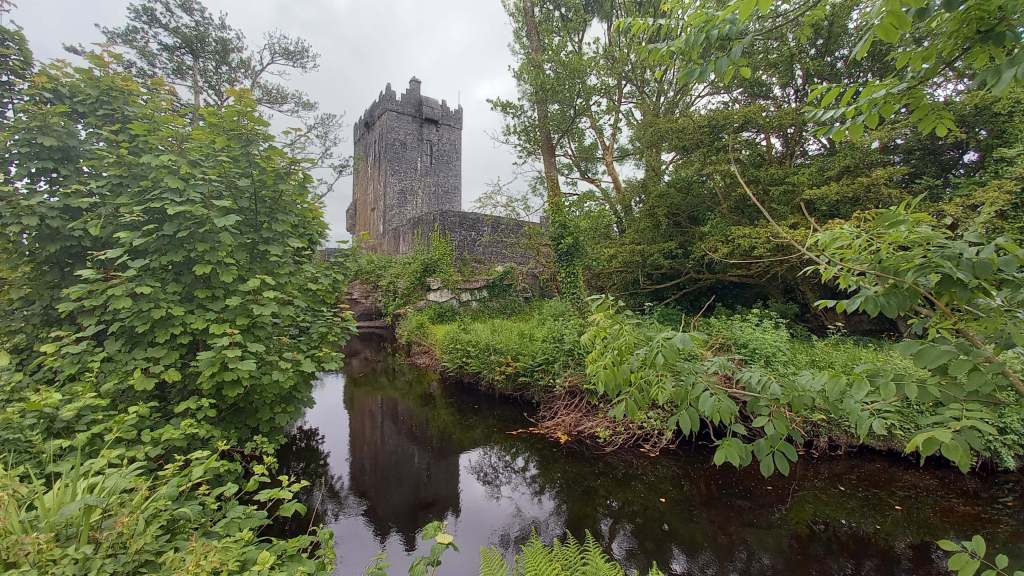
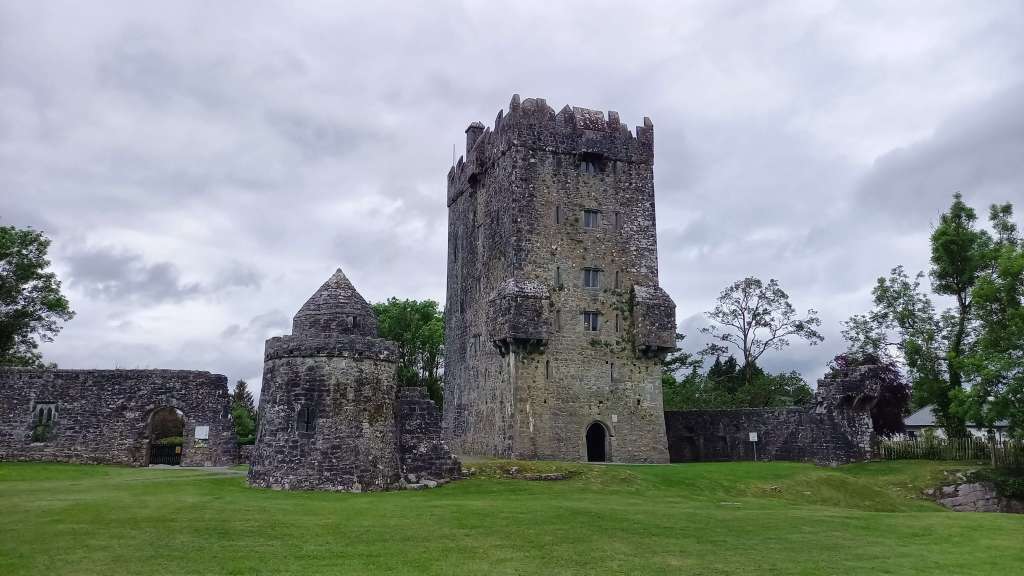
I loved this place. It was little-visited, and I appreciated this after my time at the busy Cliffs of Moher and bustling Galway City. The wonderful six-storey Tower House was a delight to explore, set within the fortified castle area with a lovely little river flowing right by it. It was a great place to learn about Irish Tower Houses in general, and their role in local Irish resistance to English rule.
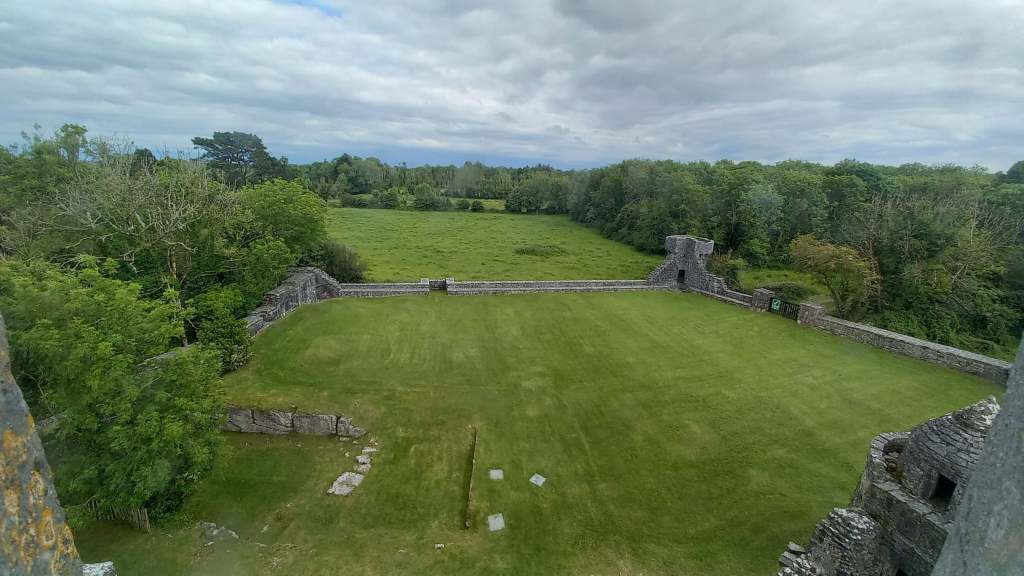
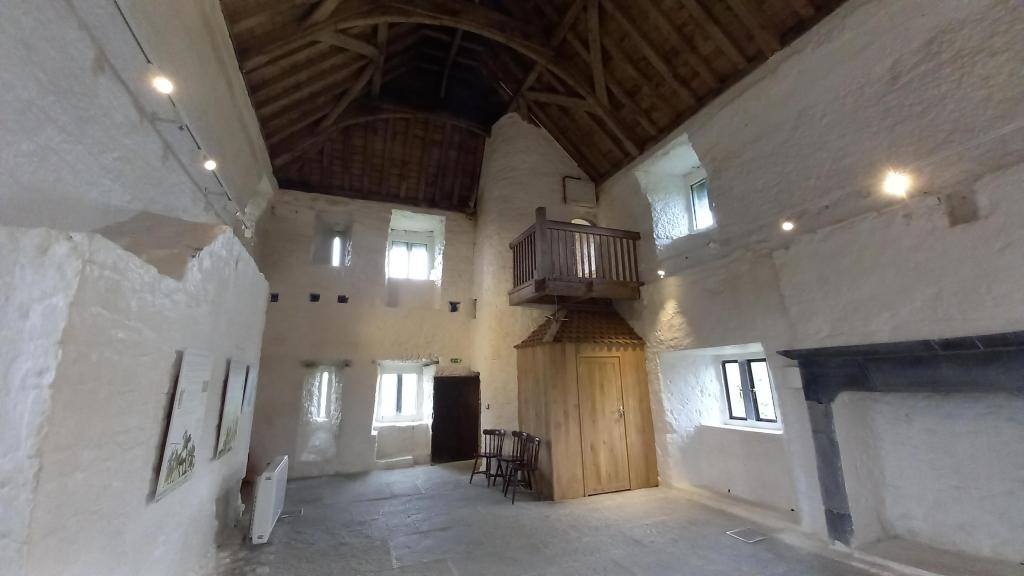
Today there remain around 3,000 of these sturdy places dotted all over the island of Ireland, with many being built between the 14th and 17th centuries by local Irish chieftains as well as Anglo-Norman descendants who had also settled on the island since their arrival in the 12th century and become Gaelicised. The intention of the Tower House was to both serve as a symbol of lordship and dominance over the surrounding area, as well as provide a fortified stronghold dwelling for its inhabitants against rival tribes and growing English dominance over the country.
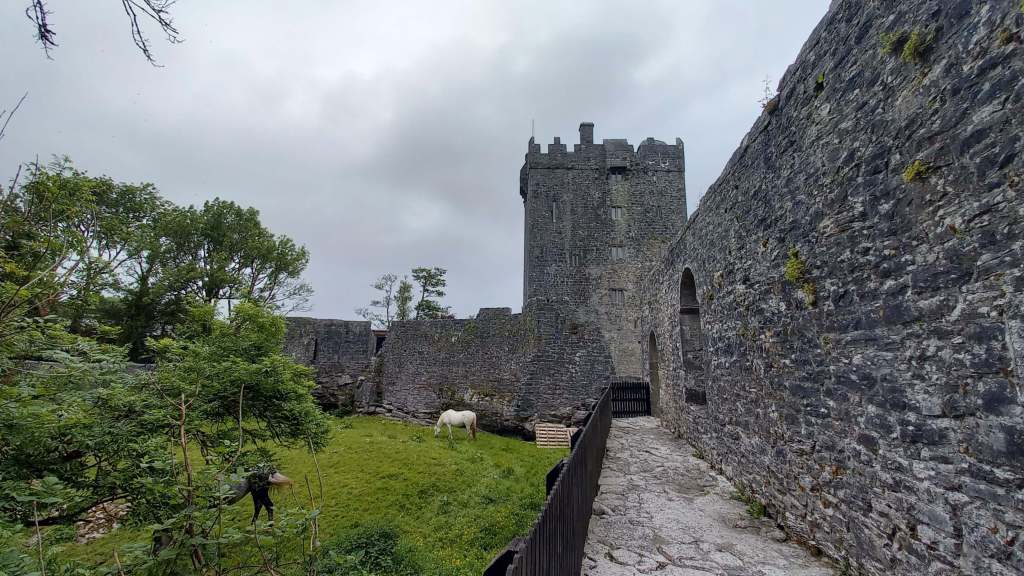
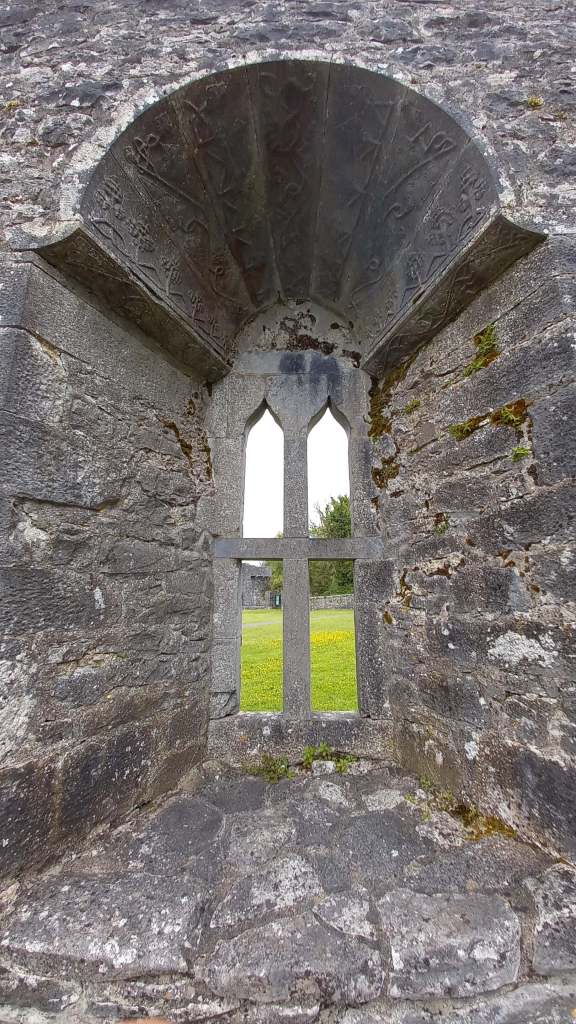
Here at Aughnanure, the O’Flaherty’s held out against the English for 200 years, even resisting Tudor expansion into the country, until they were ultimately dispossessed by Oliver Cromwell’s invading army in the 1650s. Much of the castle and grounds are now preserved, including a fascinating carved window in the former Banqueting Hall showing juicy grapes on a vine, intending to impress visitors with the Clan’s abundance.
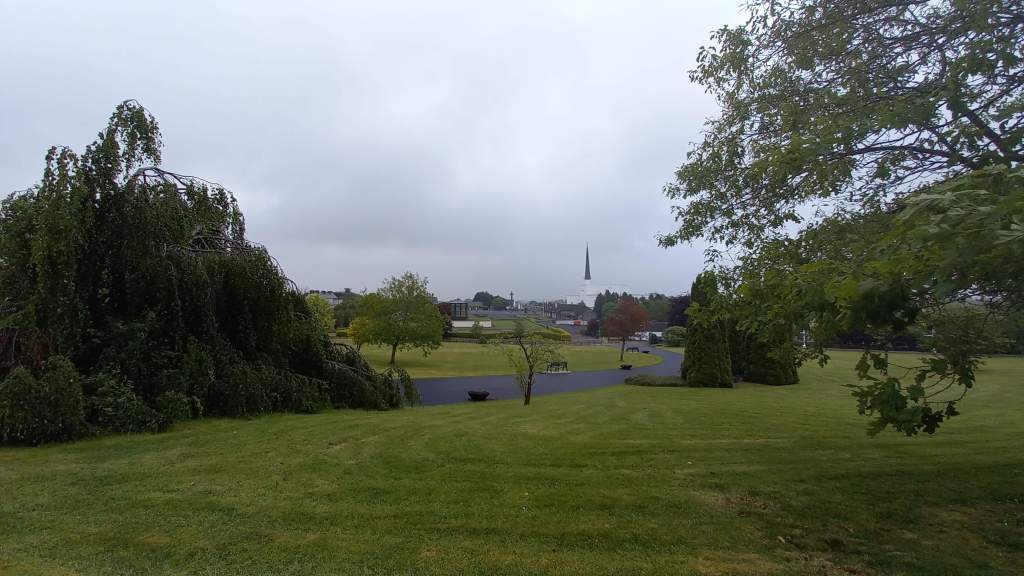
I followed another delightful back country route back to Knock, between Loughs Mask and Carrib to the north, and arrived in time for another walk around the Shrine’s beautiful tranquil grounds before the 7.30pm evening mass again. This included walking the new Creation Walk, which contemplates the beauty and awe in God’s creation, and the Stations of the Cross in the rain. The rain stopped just as I had reached the final Station, the burial of Jesus, which with the absence of a 15th Station sometimes included to celebrate the Resurrection, I took as a sign instead of this abundantly joyful part of the Easter story.
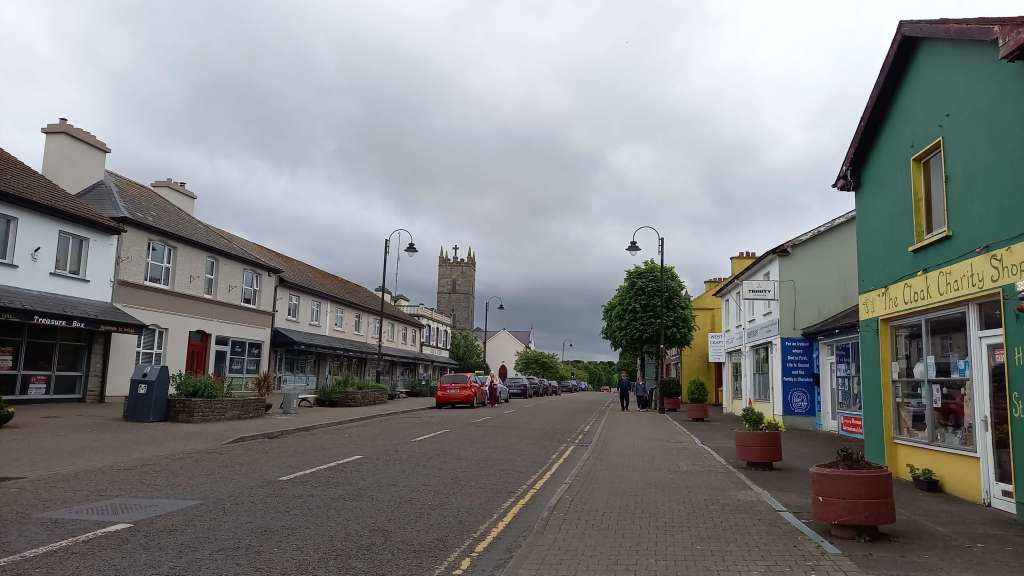
I found great peace at the end of another wonderful day of Irish explorations during my final evening Mass in the Parish Church there, along with a brandy, dinner and bed in my accommodation, which became even cosier on this drabber evening.
The next morning I dropped off my rental car, having driven 530 miles, and hit Knock Airport. It was initially very busy with just three gates and six flights taking off within an hour-and-a-half of each other, one each to Alicante and Faro, so the departure lounge was filled with sun-seeking, Guinness-drinking groups of young Irish lads and lasses away on their holidays. It was a bit calmer once these two flights had flown, and the ones to London and Manchester were left remaining with many Irish-English people seemingly returning home after a family visit to the homeland.
It was a short one-hour up-and-downer over the Irish Sea with the cheap and not-so-cheerful Ryanair back to London, arriving at Luton this time. I had enjoyed a lovely little trip to our nextdoor neighbour. The more I understand about Ireland, the more I seem to understand about England I think – the two are just so closely intertwined. I enjoyed the company of so many very friendly Irish folk – Irish people are very much my kind of people.
Thank you Ireland for having me, until hopefully another time.
So my blog entries are now once again up-to-date for the year! That is of course until I return from my planned six-weeker over the summer, aiming to take in China, Kazakhstan and Uzbekistan this year. Watch this space!

 Alex Waring's Travel Blog