
19th July 2026
Hello, and greetings from the second stop on my China and Central Asia Odyssey 2026. This instalment comes from the lovely tropical island of Hainan, in the far south of the country, and not actually that far from Vietnam which lies about 120 miles to the west. As such, it is quite distinct in some ways from the rest of China, but oh so similar in other ways. Palm trees and sandy beaches abound making it feel really quite different, but at the same time of course there are Chinese signs, Chinese shops, and of course Chinese people, with the Chinese language still being spoken in the air, along with a local dialect which was probably Hainanese. It is thus a distinct territory on the “Travellers’ Century Club’s” list of countries and territories, which is one of the reasons why I headed there. The other was that pretty much the only person out of the 1.4 billion people in this country that I know is currently residing there, and I was also heading off to visit him! I really enjoyed my time on the island.
After my time in Shanghai, I had an afternoon flight from Shanghai’s Hongqiao Airport which was close to my Ibis Hotel in the city. I thus had a lovely air-conditioned lie-in after a few really hot and sweaty days, before taking a Didi taxi for my flight, bound for one of those planes which for the last three days I had seen taking off and landing pretty much directly over my hotel.
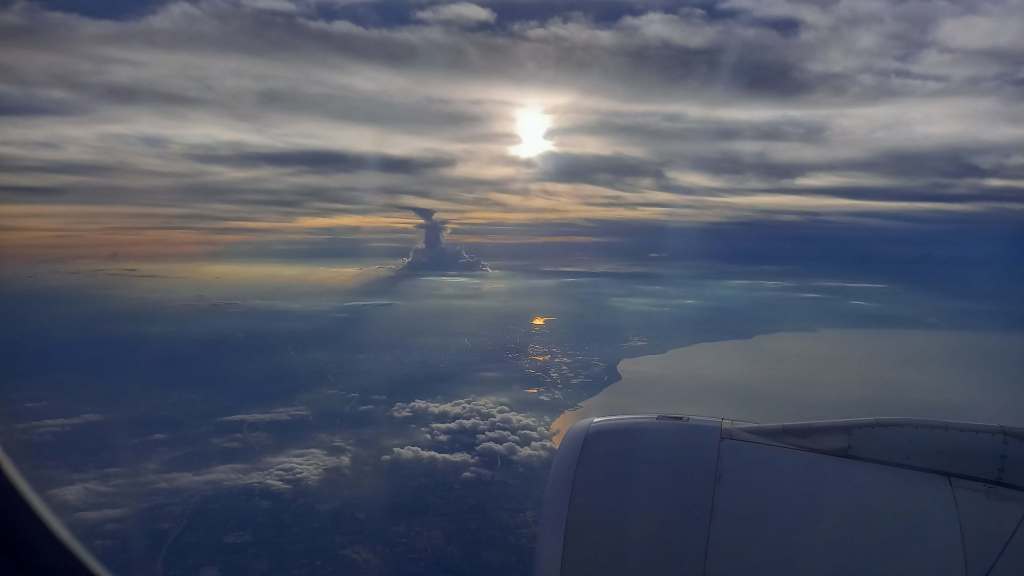
It was a Shanghai Airlines flight direct to Haikou, the island’s capital and by far its largest city with two million inhabitants – home to a fifth of the island’s ten million people. The flight was good, with meal service and in-flight entertainment which enabled me to watch “Kung Fu Panda 4” for some more stylised Chinese film input after I’d watched both the animated and live action “Mulan” films before I began my travels. I also had a window seat for some awesome views leaving Shanghai, later flying over the huge urban conglomeration of Hong Kong-Shenzhen-Guangzhou, and then over a portion of the South China Sea before the island of Hainan came into view. We landed an hour late, but no worries as my bag came quickly, and since it was a domestic flight, there were no immigration or customs to pass through. I picked up my Didi taxi easily to my base on the island for three nights – of course, another Ibis Hotel! I loved knowing pretty much exactly what was going to be in my room, and the amenities that the hotel would have, including more cute little hotel robots!
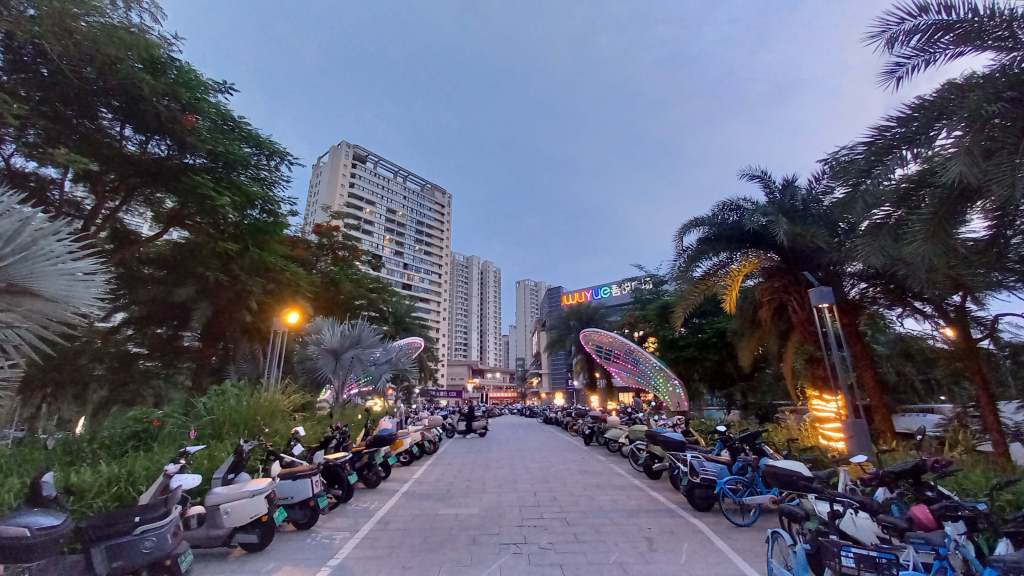
Indeed, it was a similar room with a similar breakfast, but the place was just a bit smaller and much quieter than my place in Shanghai. The same can be said for Haikou itself. While it is still a pretty huge city by English standards, with its own central collection of gleaming skyscrapers, it felt more laid-back. I was definitely one of the few foreigners in town, evidenced by the noticeable increase in interested looks from the locals. The slight decrease in temperature was also a nice relief. While I wouldn’t use the word “cooler”, it was certainly “less hot” there than in Shanghai, and I didn’t sweat from simply sitting in the shade in the evening, for example!
After a good night’s sleep and another nice Ibis Hotel breakfast, with lots of noodles and rice as of course this is China, I really enjoyed my first full day on the island.
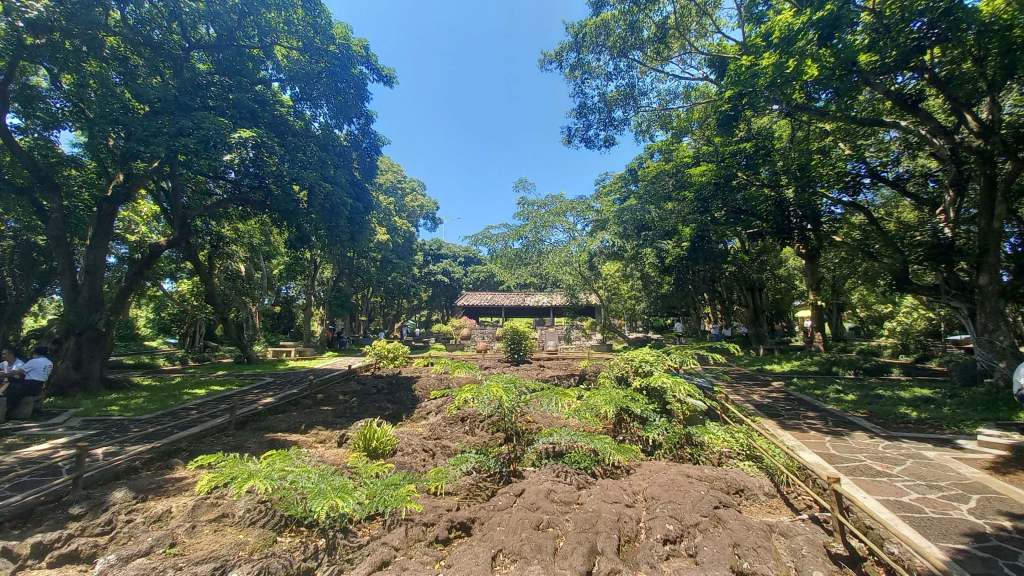
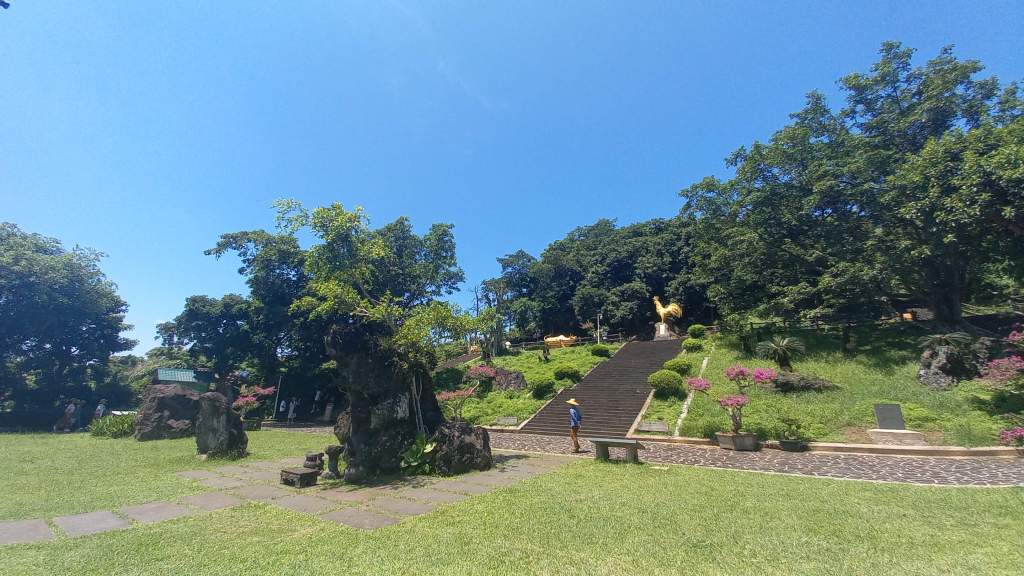
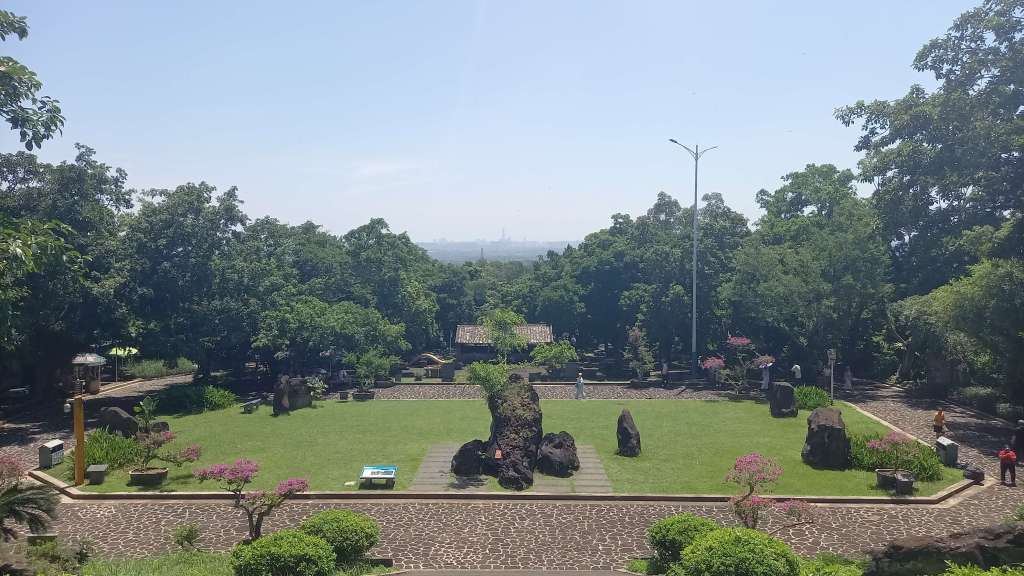
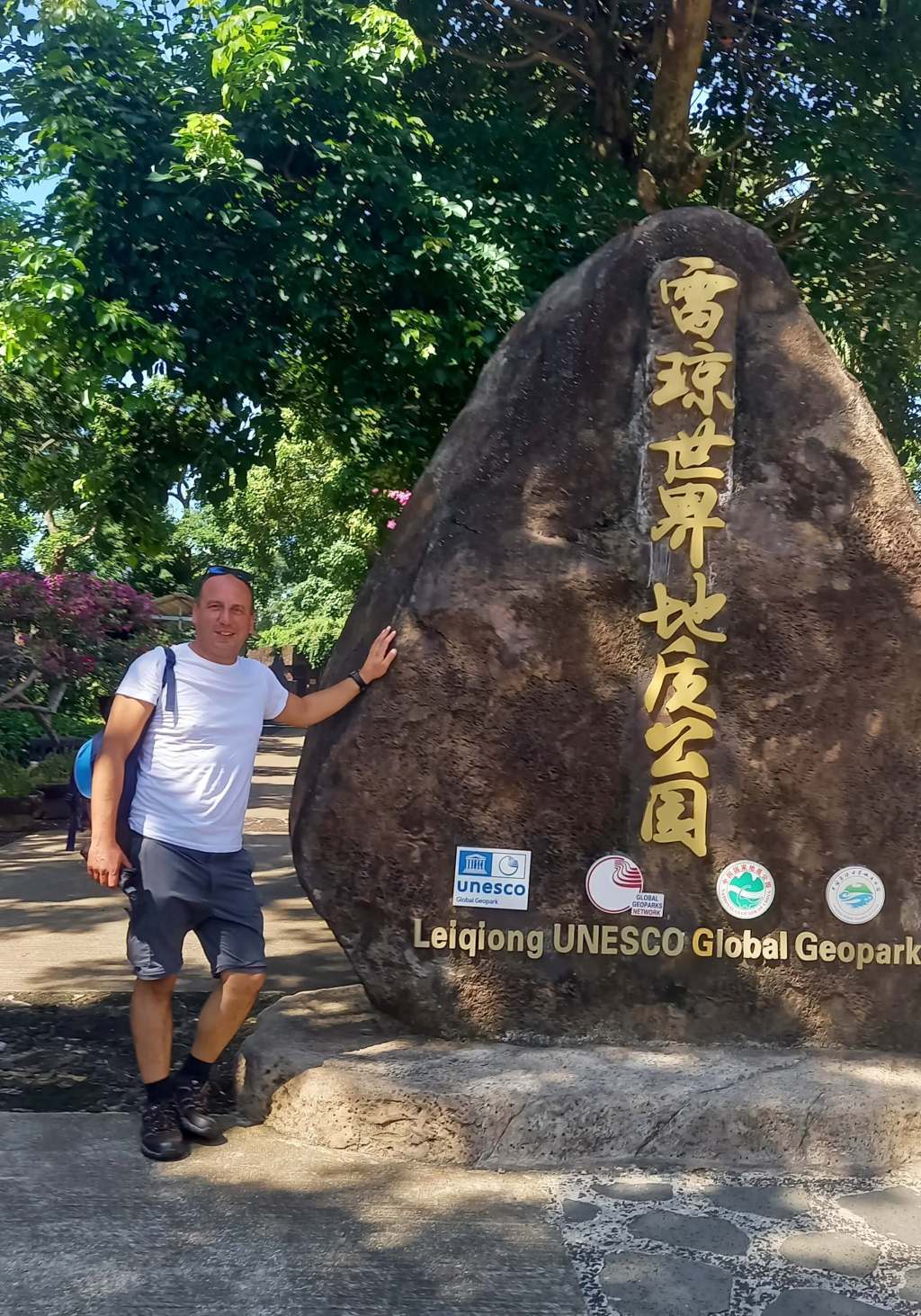
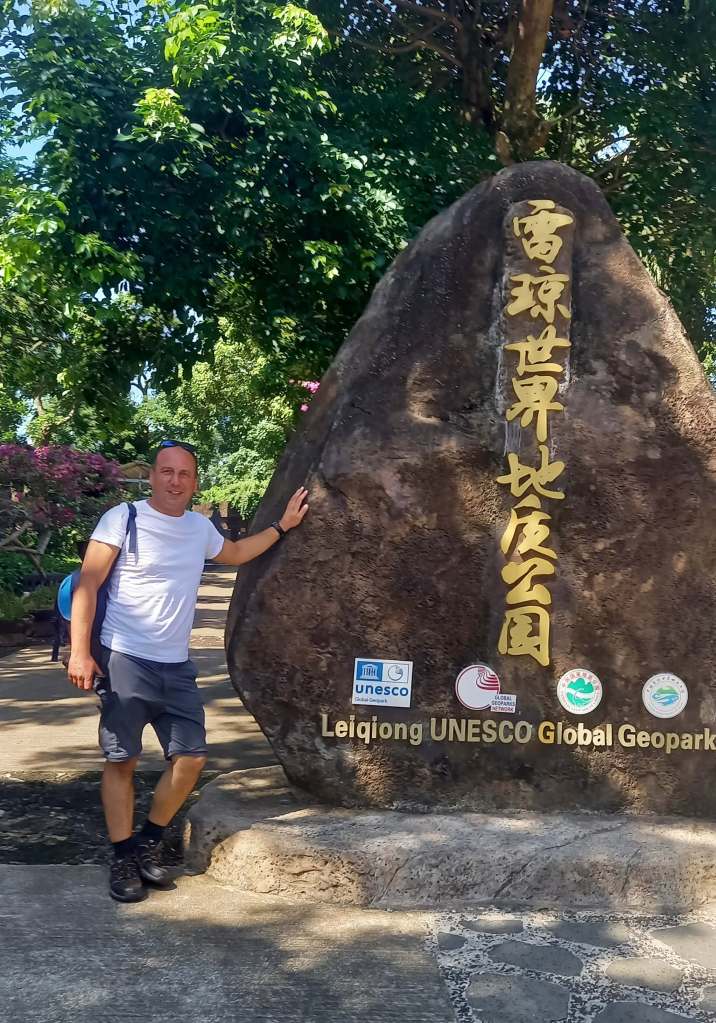
I first took a taxi to the lovely Haikou Volcanic Cluster Global Geopark (a bit of a mouthful!), just off the southern edge of town. The northern part of Hainan is actually made up of the Hainan Volcanic Field, covering around 1,600 square miles. Currently dormant and not having erupted for over 4,000 years, the area is still made up of volcanic peaks including the 223m high Mt Fengluling, the highest point of the city affording awesome 360˚ views all round, and lava tubes. It was indeed this peak that I set off to hike up, following the very popular tourist trail from the entrance.
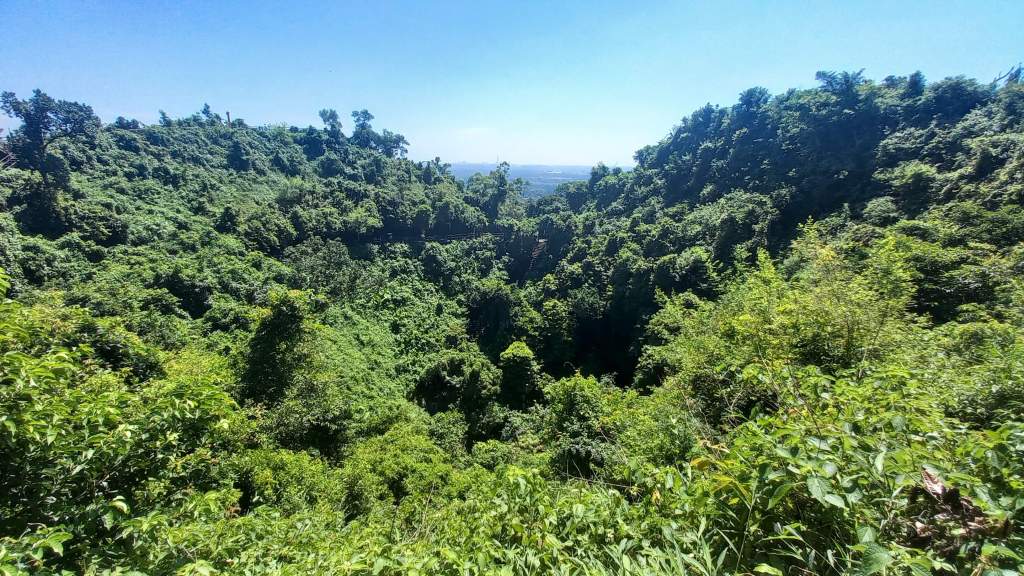
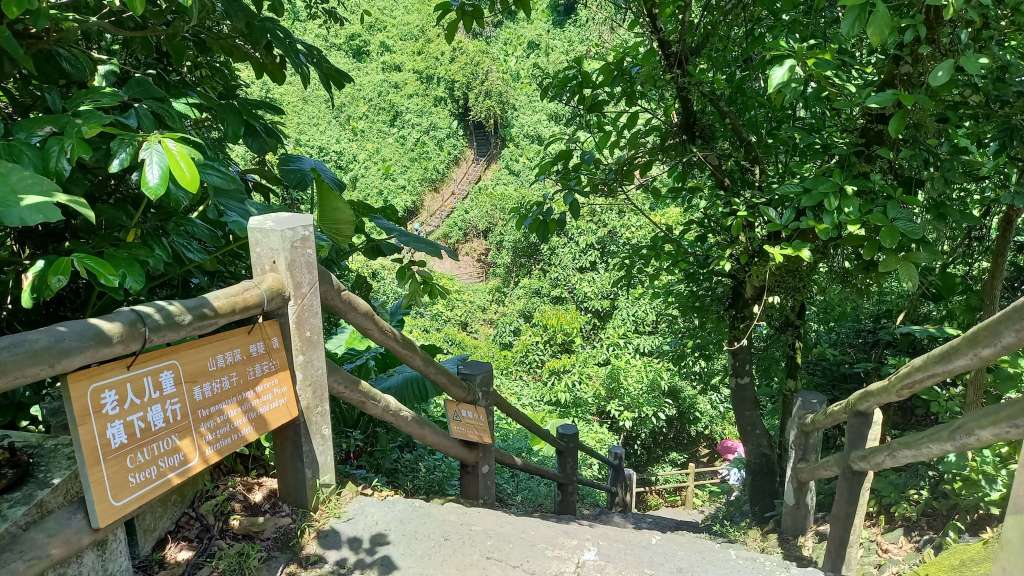
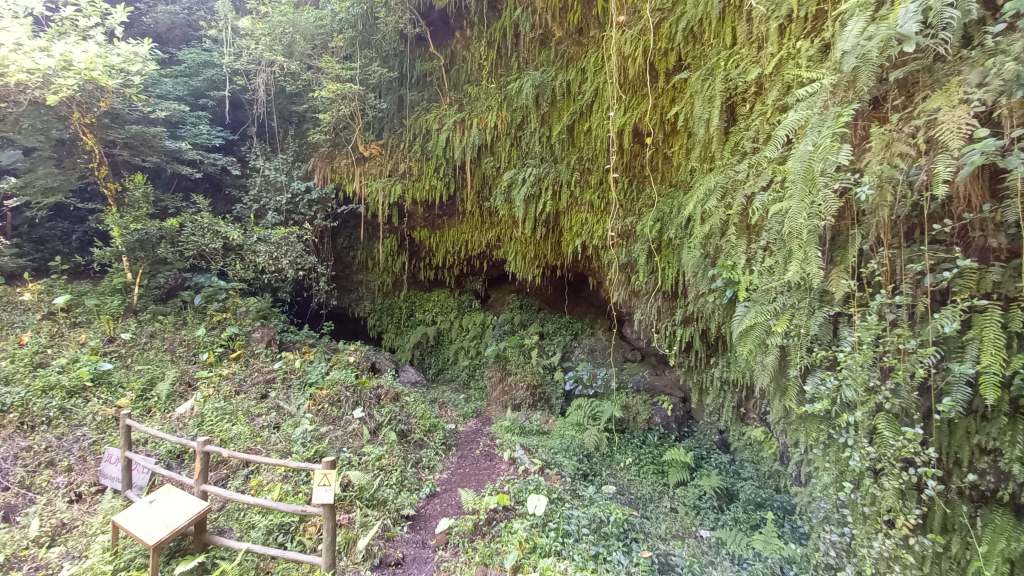
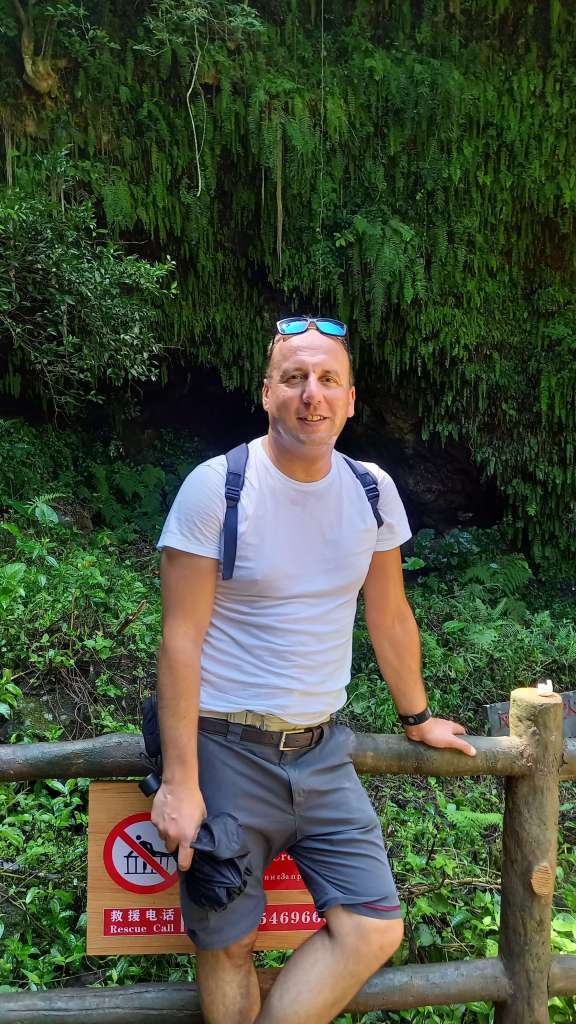
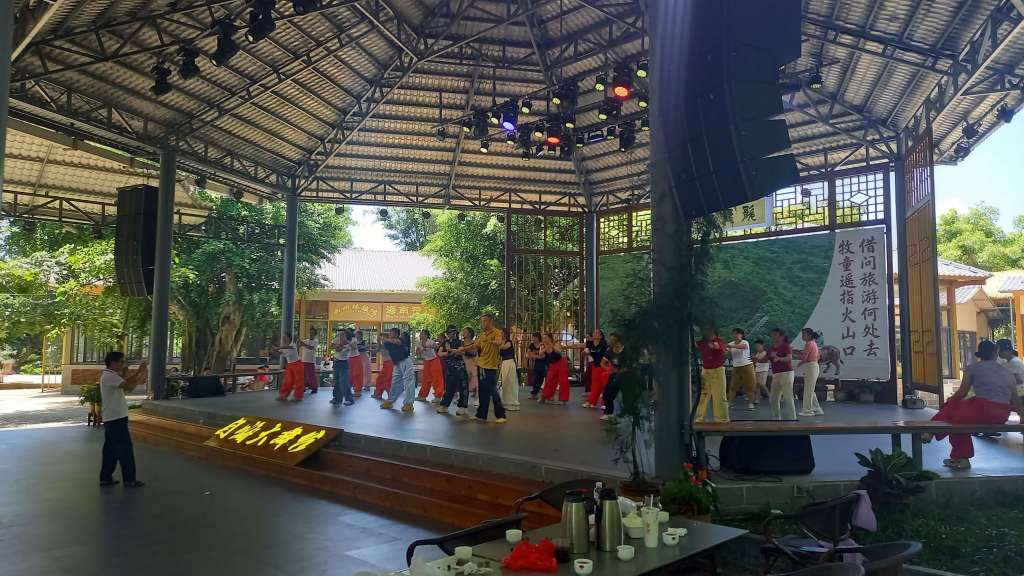
I enjoyed it, but would have enjoyed it much more if it hadn’t been such a hot and sweaty hike uphill. Once up there on the crater rim itself, the views were lovely, and there was a slight breeze to cool me down. There are paths also leading deep down into the lushly vegetated crater itself, which was also cooler in temperature and a fascinating place to explore. I don’t think I’ve ever sweated so much in my life though, particularly climbing back up and out of the crater – my face was just a constant drip! I enjoyed a very refreshing iced tea at one of the many shaded drink stands on the way back down, thoroughly pleased as mentioned in my last with my purchase of the water-misting hand-held face-fan back in Shanghai, which I made good use of there. I then enjoyed a wander around the various kiosks and exhibits back towards the entrance, and even a music stage which was filled with locals dancing as a group to Chinese pop music. That was great fun to watch!
After this lovely spot of nature exploration, I then headed to the brilliant Hainan Museum back in the centre of town – a megalith of a building, housing fascinating insights into this unique island, its people, history and culture. I learned about the original Li and Miao people of the island, and continued to really admire the majority Han Chinese people’s respect in the country for its numerous ethnic minorities found throughout the land. China’s massive 1.4 billion population is mostly composed of the Han Chinese people, forming around 90% of the population. There are an additional 55 officially recognised ethnic groups throughout the country, including the Li and Miao of Hainan Island. Other fascinating ethnic groups to my mind include the Hui, who are in fact simply Han Chinese people who follow the religion of Islam (as opposed to the more famous Uighur Muslim people who are ethnically quite different and are related more to Central Asian nations), and even European Russians numbering 16,000 people in the country!
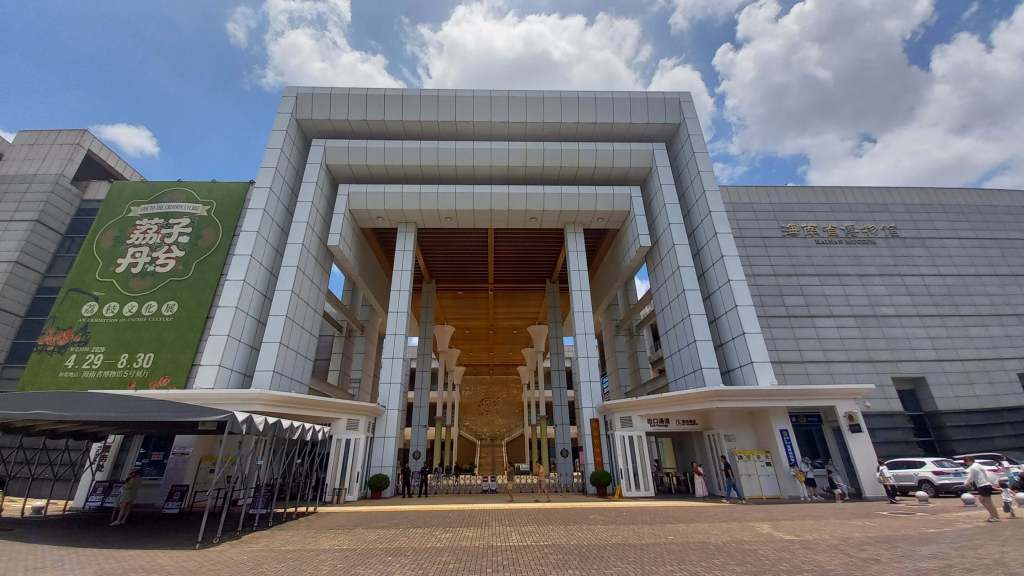
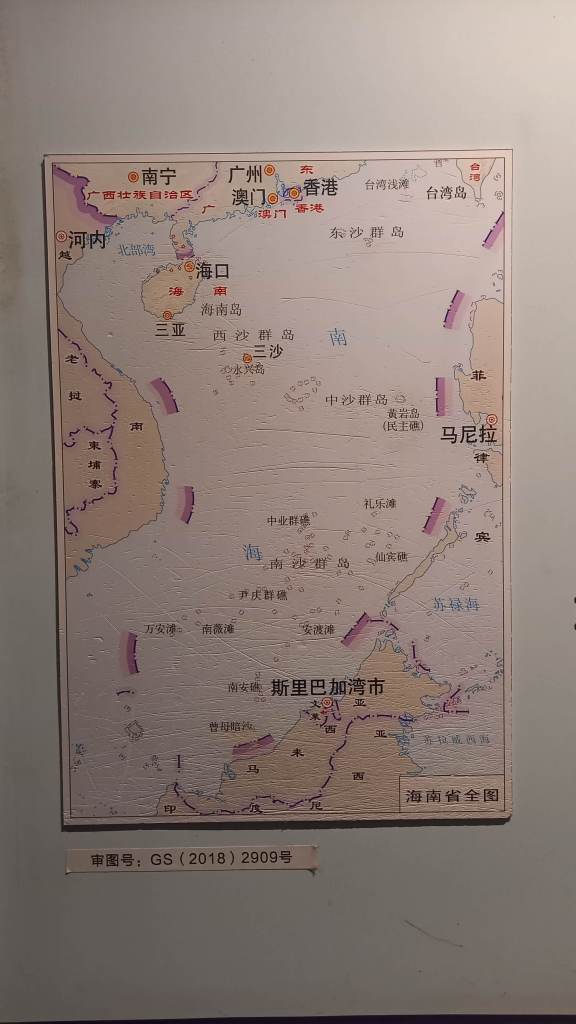
The Museum also presented fascinating exhibits on the importance of China’s historical links to the South China Sea, based on what China has recently referred to as the “Maritime Silk Road” which traces ancient trading sea routes from China to the rest of the world through this highly contested body of water. There were many words throughout the exhibition which explicitly referred to the Chinese people’s historical links to this body of water, and I am of course as to no doubt that this is designed to increase national support, which is already rather high, for the country’s highly controversial claims to pretty much the whole of the South China Sea over other countries in the region including Vietnam and the Philippines. This is despite the 1994 UN Convention on the Law of the Sea (UNCLOS), which states that countries should have territorial sovereignty over waters extending 200 nautical miles from their coastlines. China, however, goes by a 1906 British-made map which, by means of a famous “Nine Dash Line” gives China a claim over 90% of the waters of the South China Sea, irrespective of the distance from other countries in the region. Needless to say there is said to be huge oil and deposits down there. International geopolitics and realism at their finest there I’d say!
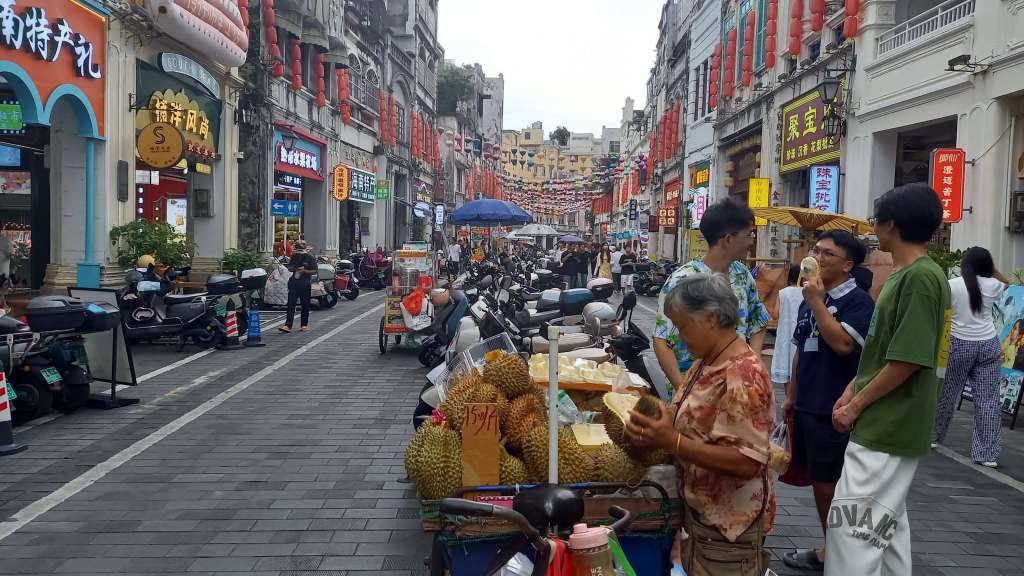
Finally did a Didi (see what I did there…?!) to the beautiful Qilou Old Town – a delightfully restored area of cobblestone streets and porticoed row houses dating back to the 19th century. While at first glance the place looks European, it was actually founded by returning Hainanese migrants who had once lived in British and Dutch colonial centres in Singapore and Malaysia. They took back the colonial architectural styles from their former abodes, and made it their own there in the middle of Haikou city. It was a beautiful and fascinating place to walk around.
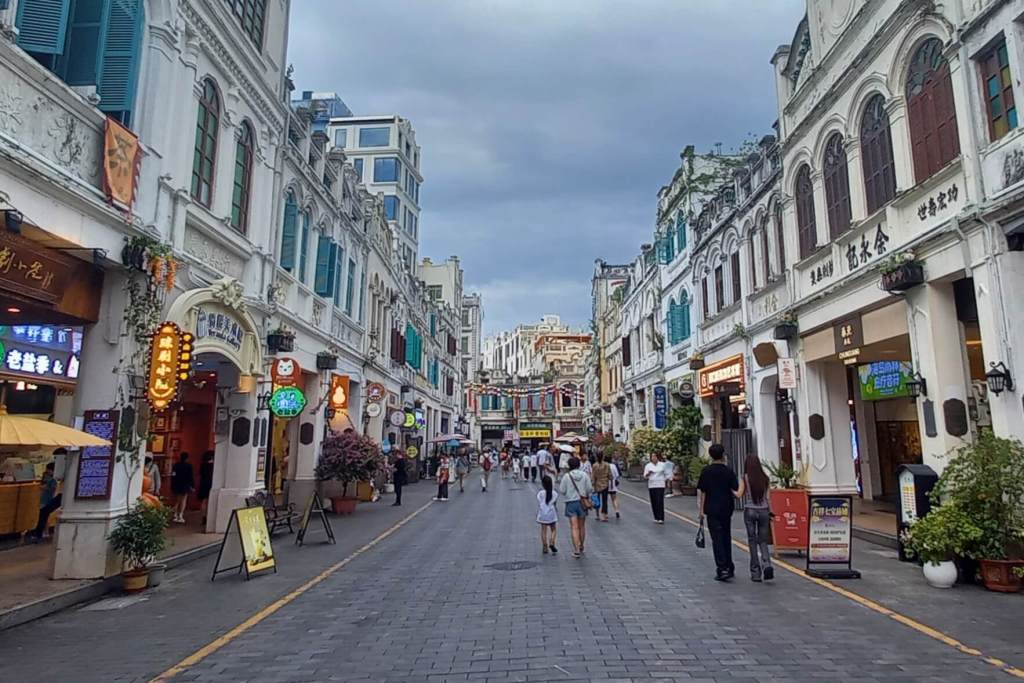
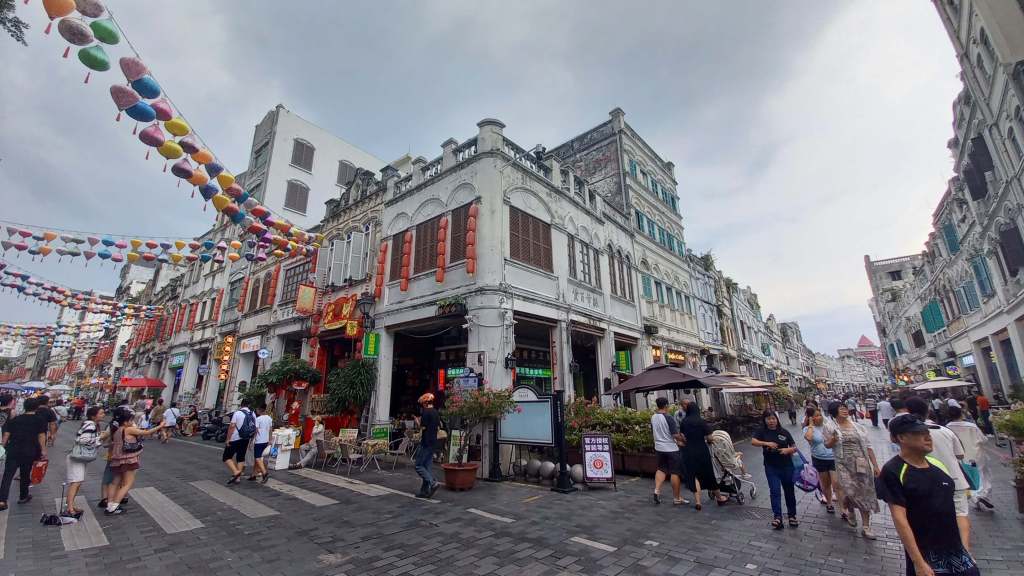
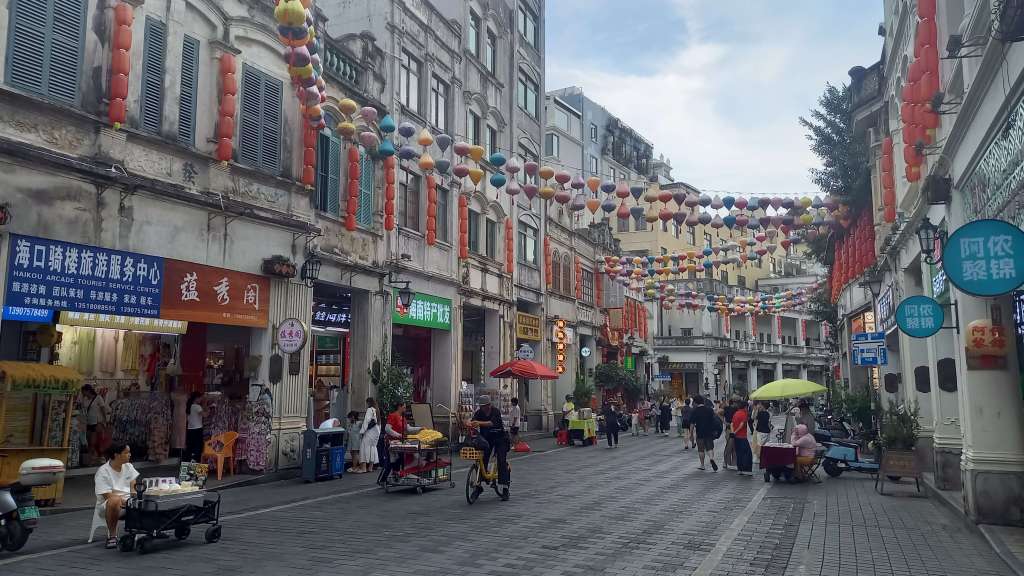
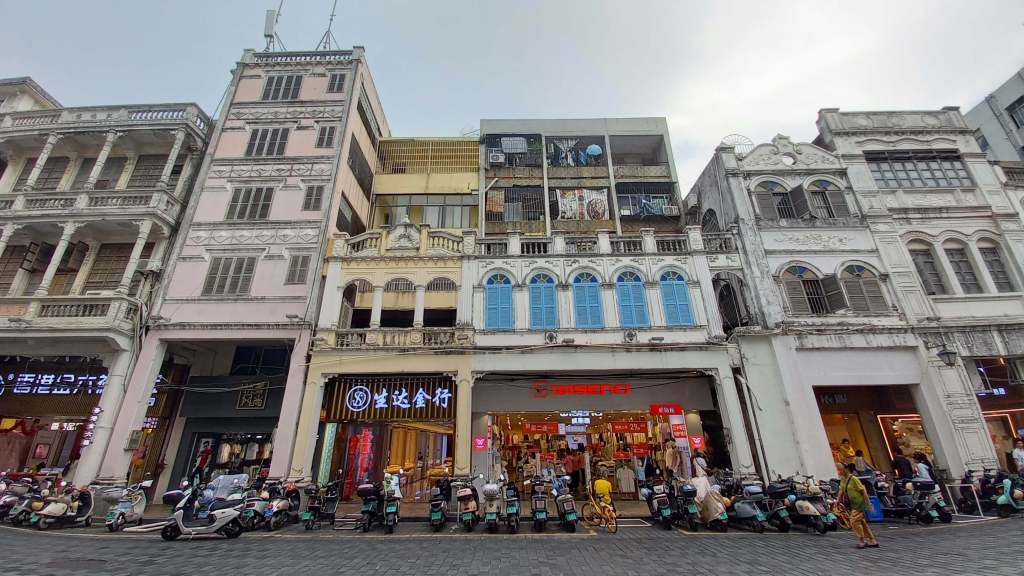
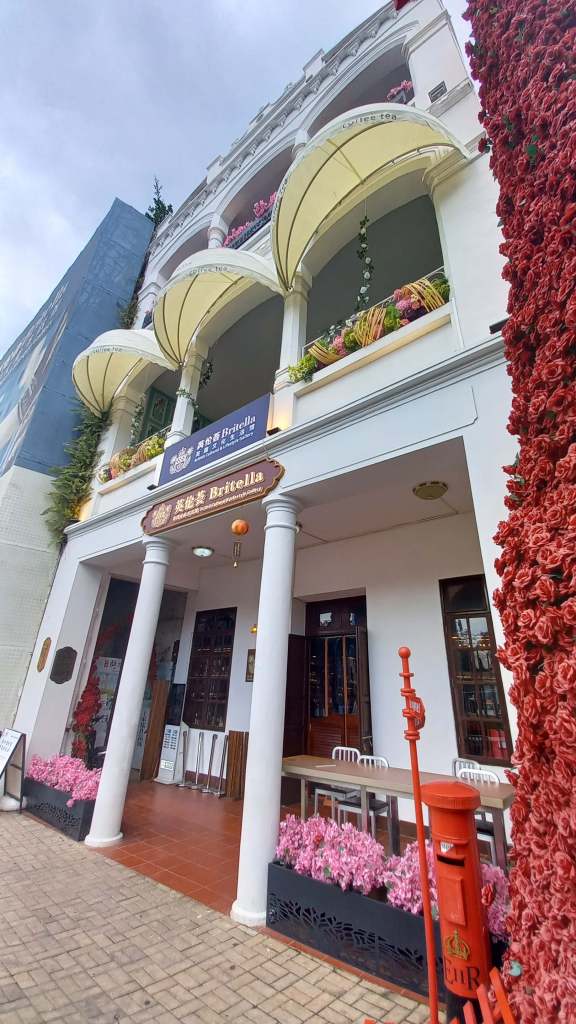
Arriving in town, I first looked for a place to eat, and the first place I set eyes on was a fantastic building called “Britella – British Cultural and Lifestyle Gallery” – definitely my kind of place! While the staff inside were able to tell me, via translation apps of course, that the building had British origins, they weren’t able to elaborate as to whether it was once home to a British Consulate, Trading House, or otherwise. Still, the food was lovely, and I had a Cheese Philly Steak and Coconut Coffee, surrounded by pictures of Big Ben, Tower Bridge and red double-decker buses – nice!
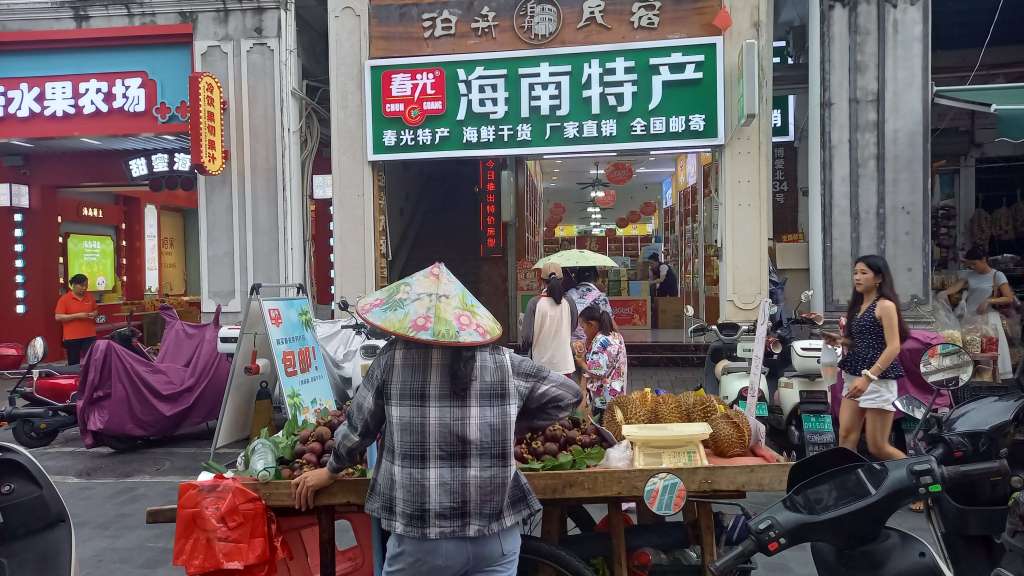
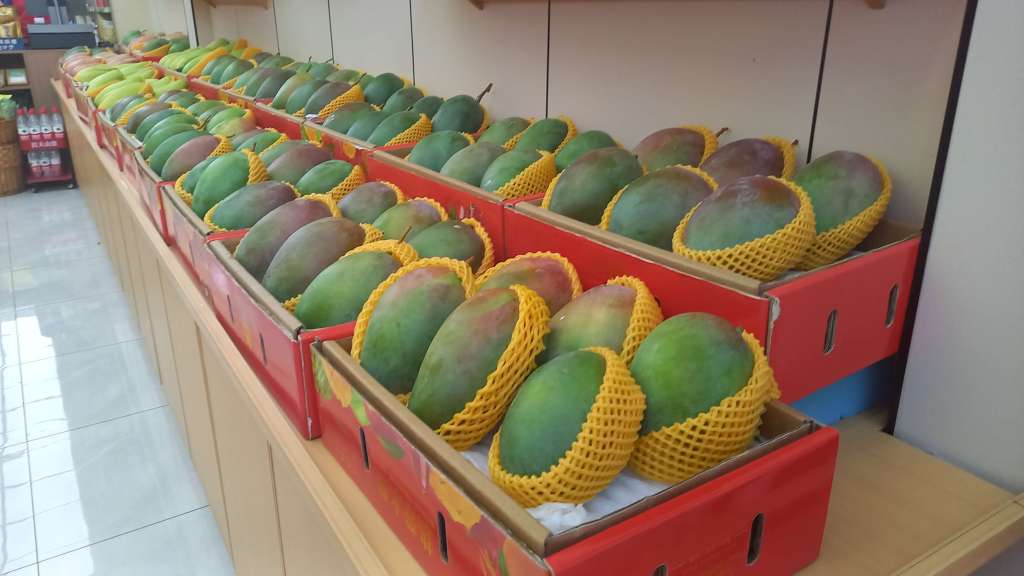
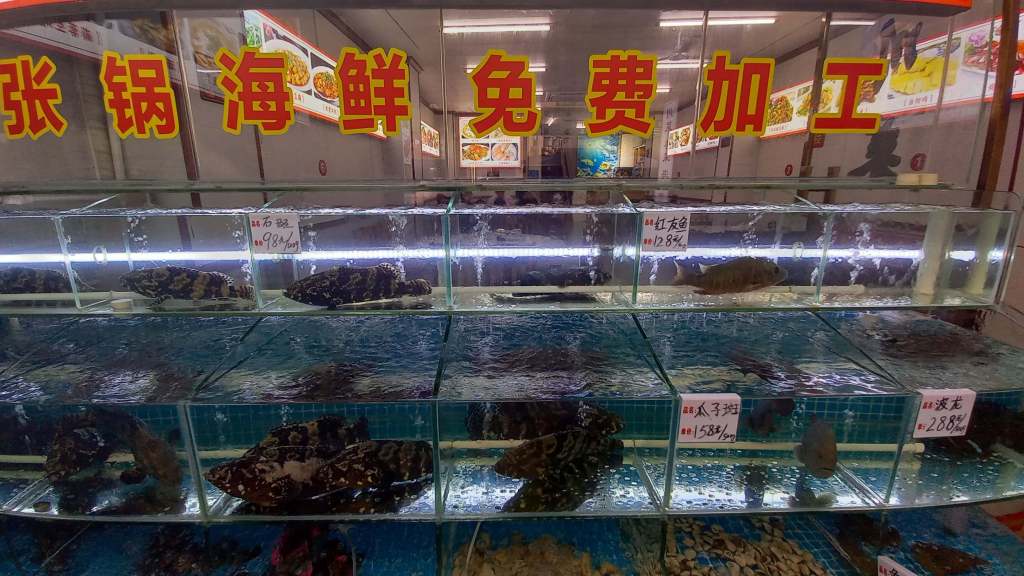
I then went for a lovely wander around the Qilou streets, filled with all sorts of unique shops selling lots of “kawaii” things – incidentally, the Chinese word for “cute” is actually similar to the Japanese word, “ke’ai”. There was also the rather sad sight of a seafood restaurant where you could choose your food live from the numerous tanks filling the entrance way.
A final Didi took me back to my accommodation, for whisky and a pot noodle, which in this country tastes to my mind as good as if not better than in a noodle shop. I was particularly enamoured by the “Kang Shi Fu Braised Beef” variety, which I will make my aim to seek out here back in London, and buy dozens of. I’m not kidding when I say I had this for dinner pretty much each evening throughout the rest of my time in China, and never tired of it once – it was delish!
A thought that I went to bed with that evening was how miniscule being in China made me feel, compared with the 1.4 billion people who live there, all seemingly just buzzing around and getting on with their lives, driving the seriously-functioning economy of this huge country, along with the 6.5 billion other people who live on the planet all intertwined in oh so many ways. It made for fascination to think about how it is all possible that we all live here, and do everything that we do do, to live our lives here, so many of us. Maybe I’d just had a bit too much whisky that evening…!
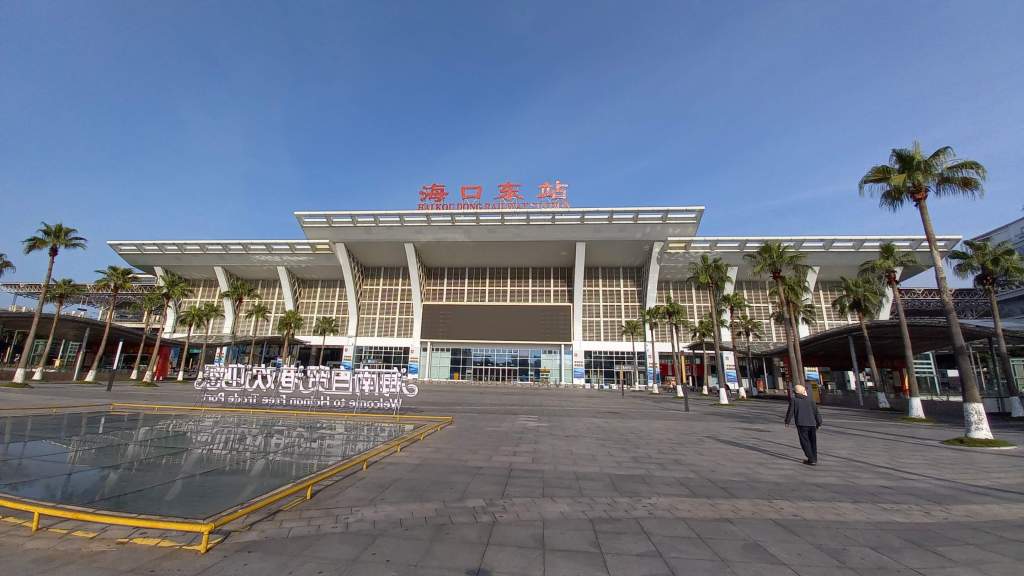
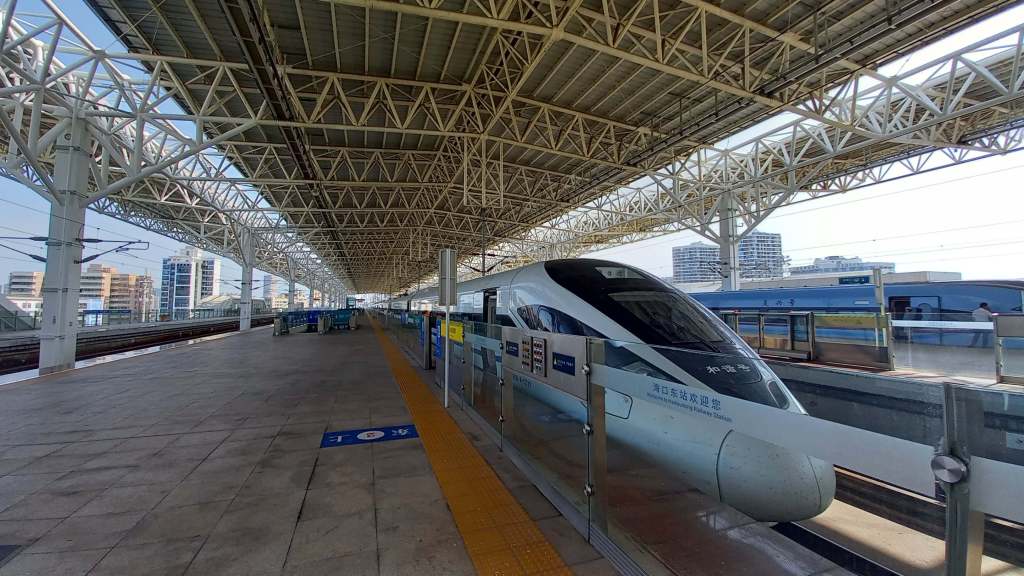
I enjoyed a lovely day trip around the island the next day, quite literally travelling around the edge of the island on its newly-finished full circular high speed rail line completed in 2015. It also included a fantastic catch-up with a good friend and travel buddy again. My travels for the day involved an anti-clockwise circumnavigation down to the island’s second city of Sanya first by the longer west coast route, and then up along the east coast back to Haikou again. I thought it was a good beginner’s start to rail travel in China again, particularly in this new, fast-paced and high-tech country it has become.
If you know how, booking tickets on China’s massive rail network is an absolute cinch, as long as it is done online, most probably using the fantastic travel site and app trip.com. In fact, I’d highly recommend this app for booking anything and everything in China – from train tickets, to flights, accommodations, day tours, and even museum tickets. It is in fact the Chinese version of booking.com, and thus has access to many more accommodation options than booking.com, including my wonderful Ibis Hotels which are not bookable on the latter.
During busy travel periods though, as in this summer trip of mine, it becomes a bit harder to book train tickets. The online booking period is in fact open two months before one’s journey, but the tickets only become available two weeks before. I booked all of my tickets as soon as they became available two months before, but not all were reserved in the two weeks before – around half my tickets were added to a waiting list. This was mainly due to me booking my tickets in First Class to be honest, as it easier to book Second Class. If this happened, I simply booked a Second Class ticket much more easily, as a back-up. Nearer the time, my ticket was either converted from a waiting list place to an actual reservation and thus I cancelled my Second Class back-up, or the First Class waiting list ticket was cancelled with full refund if it didn’t result in availability and I went by my Second Class back-up.
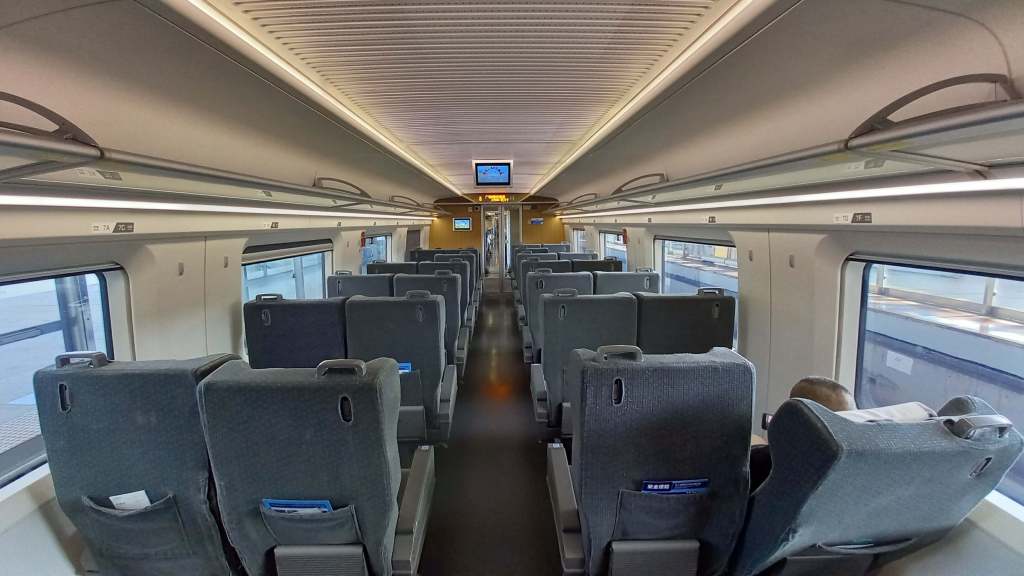
The First Class tickets on my round-island trip were easy to book, and going to Sanya I practically had the carriage to myself. There are plentiful toilets throughout the train, in both classes, along with wash basins and hot and cold water dispensers. There is also a restaurant car serving food from instant noodles to proper, and delicious, meals, as well as a business class car which has seats which recline flat. In Second Class there is a fairly constant trickle of people selling mostly food walking up and down the aisles, but thankfully this didn’t seem to happen in First Class – here, you were given complimentary water and snacks at your seat (some of these Chinese snacks were rather unusual…!)
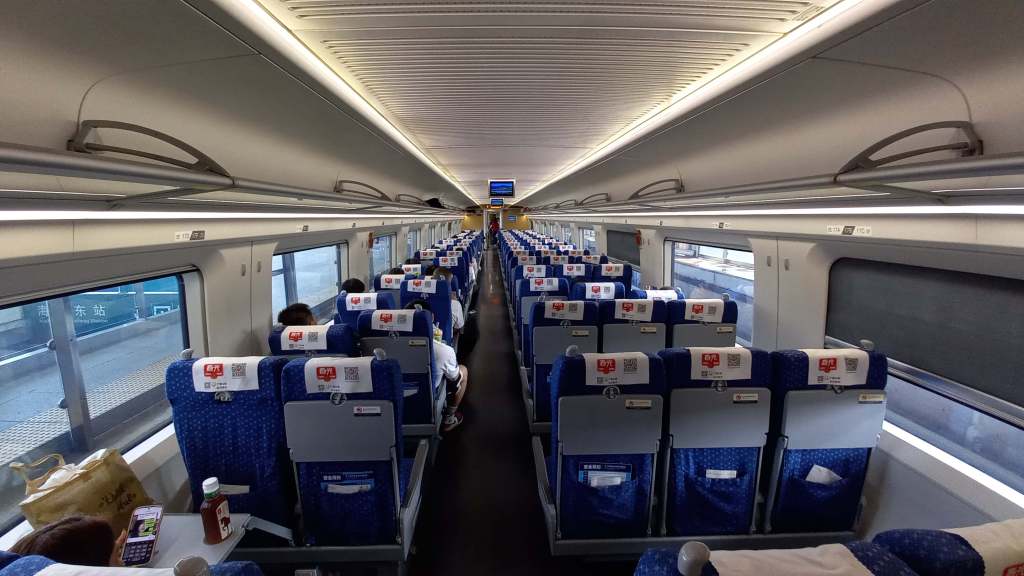
I think out of everything, it was the change in rail travel over the last 24 years in China which really struck me the most during this second visit to the country – from huge queues at the stations to buy tickets, slow travel which often meant overnight journeys between fairly neighbouring cities, and the choice between hard seat, soft seat, hard sleeper and soft sleeper tickets, to this absolute first-world form of transport. The Chinese high speed rail network now runs along 31,000 miles of track, with another 6,000 planning to be built by 2030. Trains run between around 200kmph to 300kmph, and there are over 1000 high speed rail stations throughout the country connecting cities as far afield as Harbin, Kunming and Urumqi. They are even currently building a line to Lhasa in Tibet, and have further plans to connect Tibet with Xinjiang – just incredible! All of this amazing development now means that most journeys within the country can be taken within the day, with no uncomfortable overnight trips. Just for instance, taking a train between Beijing and Shanghai once took nearly 24 hours – now it can be done in just 5! Absolutely incredible!
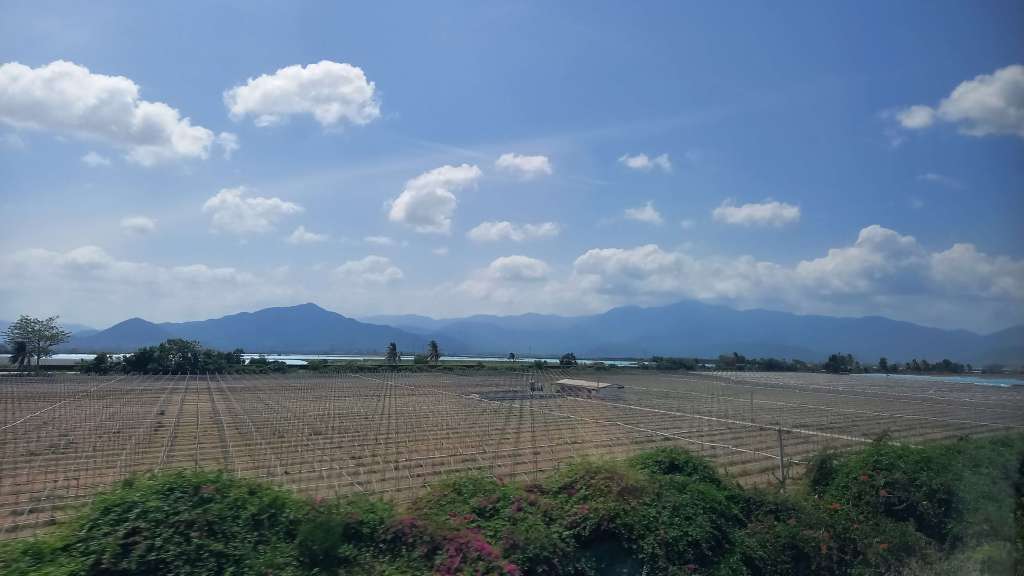
I loved the journey to Sanya, and it was fascinating to watch the landscape change out of the window from Hainan’s flat rice paddy-filled north through to the more rugged, mountainous and forested south. Several ox herd were also milling around along the way. The west side was more rural, while the return journey along the east side was more built-up and developed, with more urban pockets interspersing the rural paddy fields.
At Sanya station, I met with my good old friend David, who is now living and working there having moved from Dalian in the north-east last summer. We last met up in Macau this time last year, but it felt just like yesterday when we last caught up.

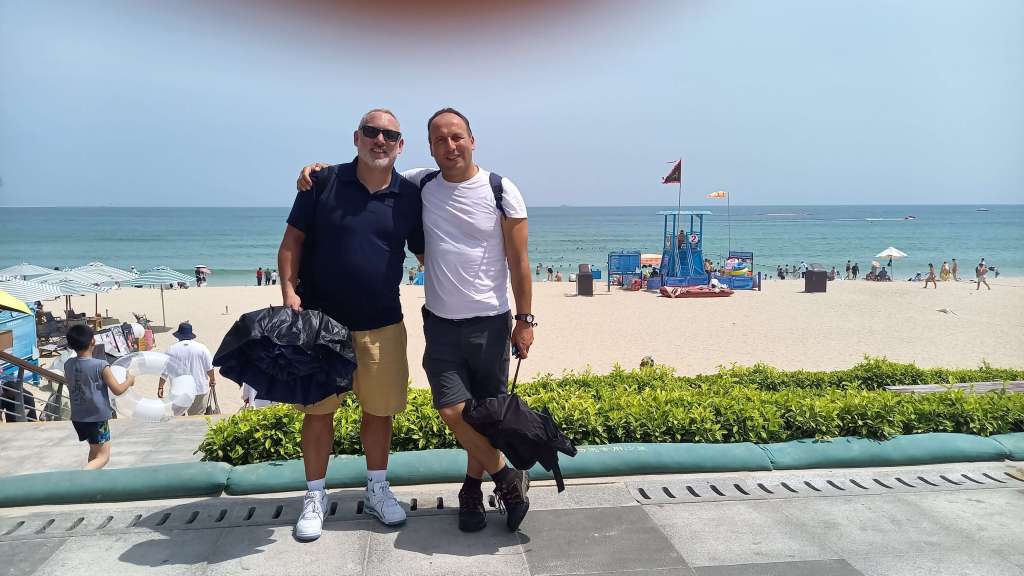
Sanya is about half the size of Haikou, with just over a million inhabitants, but it is the tourist centre of China’s tropical southern island. It has had visa-free access for a number countries since 2018, while the rest of China opened up visa-free access to a select number of countries in 2023, the UK this very year in 2026!! Hainan has thus had the aim to attract international tourism for longer, which was very much evident upon arrival in the city. Tourists were mostly domestic Chinese, but there were also a very noticeable number of Russians, with more signs and menus actually in Russian rather than English. Even one of the waitresses serving us spoke more Russian than English!
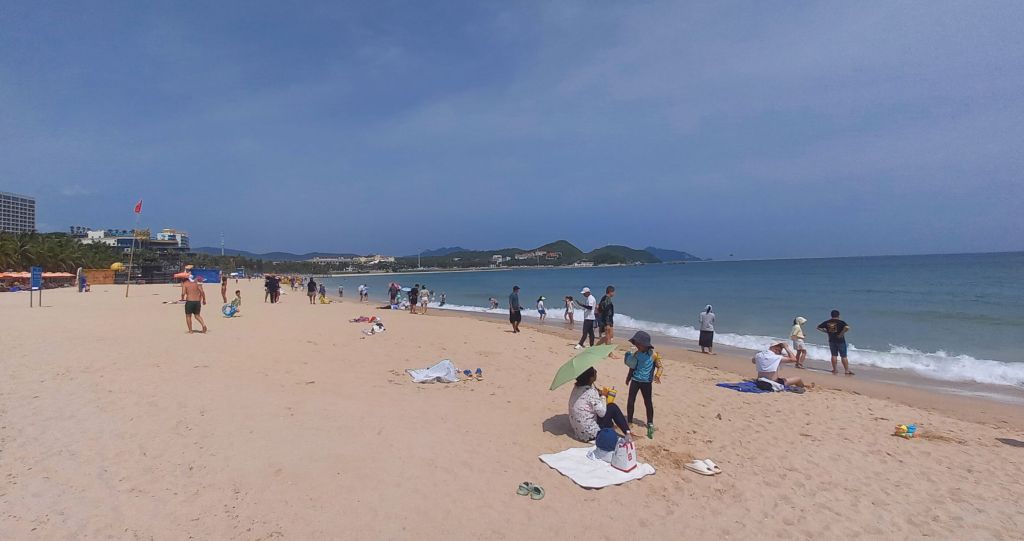
We caught up over lunch at a Sports Bar with the beer flowing, and then the beer continued to flow at a beachside café on nearby Dadonghai Bay Beach. It was good to catch up again.
As mentioned, I took the high speed train again back to Haikou up the east side to complete the circle, a little merrier than before, and thankful for the use of plentiful on-board toilets. It was good to meet with David again, and I am hoping it won’t be so long again until our next catch up. It was so good, and felt really quite unusual to be honest, to see a friendly and familiar face in the middle of 1.4 billion unknown people in this country!
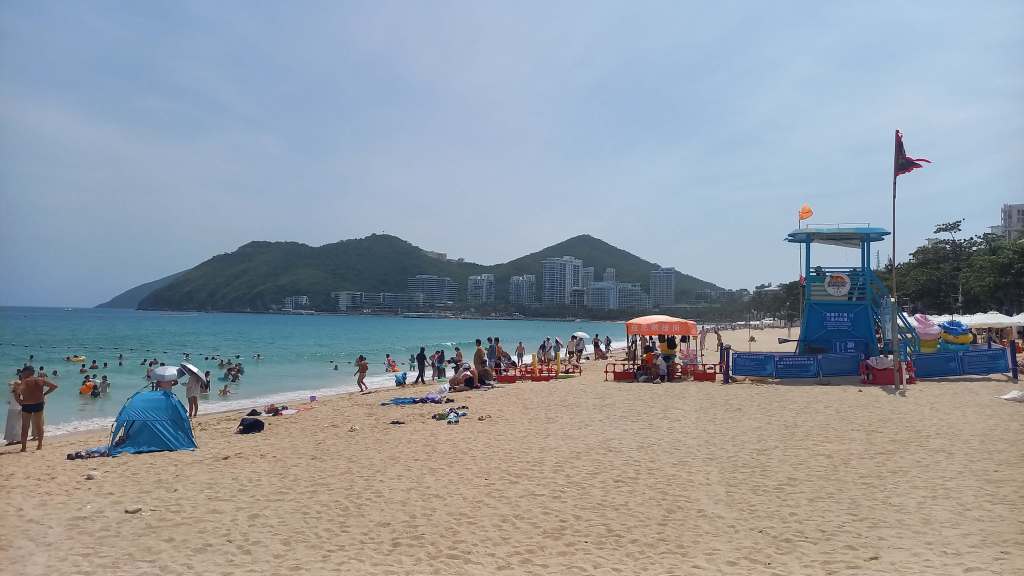
This was a great end to a lovely time in Hainan. It felt such a unique, authentic, and friendly place, and apart from Sanya, mostly untouched by western tourism. The next day I was flying back to the mainland, to Guangzhou, and was very excited for this next chapter on what certainly started off, and continued to be throughout, an absolutely epic summer adventure.

 Alex Waring's Travel Blog